
Inside the Kennedy Center’s Noisy Friday: Lawsuits, Resignations, and the Future of an American Arts Icon
A turbulent Friday at the Kennedy Center saw the National Symphony Orchestra’s executive director resign, a lawsuit filed against a jazz drummer, and a sitting congresswoman suing the institution, raising deeper questions about how America’s flagship performing arts center navigates money, politics, and artistic mission.
Kennedy Center’s Noisy Friday: Resignation, Lawsuits, and a Looming Quiet Period
The John F. Kennedy Center for the Performing Arts is supposed to go quiet in a few months for a major renovation push, but its latest news cycle is anything but hushed. In a single day, the Washington cultural powerhouse saw National Symphony Orchestra executive director Jean Davidson announce her departure after what she called “a hard year,” filed suit against a jazz drummer, and was hit with a lawsuit from a Democratic member of Congress. It reads less like a concert program and more like a prestige drama set backstage at America’s national arts center.

This cluster of legal and leadership drama isn’t happening in a vacuum. It lands at the intersection of federal funding, donor power, labor tensions, and a classical music world still recalibrating after the pandemic. In other words: what happens at the Kennedy Center often foreshadows what’s coming for arts institutions across the country.
Why This Moment Matters for the Kennedy Center
To understand why one chaotic Friday made waves across the arts world, you have to remember what the Kennedy Center represents. It’s not just another venue on the concert circuit; it’s a symbolic bridge between Beltway politics and American culture, a place where cabinet members, tourists, and local season-ticket holders share armrests.
The institution is in the middle of a long-term balancing act:
- Financial recovery from the pandemic, which devastated live performance revenue.
- Programming pressure to diversify beyond the classical canon while keeping core audiences.
- Labor dynamics with musicians, staff, and visiting artists in an era of higher expectations for pay and working conditions.
- Public scrutiny justified by its dual identity as a federally supported institution and a magnet for private donations.
Against that backdrop, the cluster of lawsuits and a major resignation isn’t just gossip; it’s a stress test of how a marquee American arts institution copes when the courtroom and the concert hall collide.
Jean Davidson’s Resignation: “A Hard Year” for the NSO
The most human detail in all of this comes from National Symphony Orchestra executive director Jean Davidson, who cited “a hard year” in her decision to step down. In orchestral speak, that’s doing a lot of heavy lifting.
“It’s been a hard year, and it feels like the right time for a transition.”
Executive directors in the symphonic world sit at an uncomfortable intersection: they’re responsible for budgets, fundraising, and organizational strategy, while also navigating the egos and expectations of musicians, music directors, and boards. In a “hard year,” that likely means:
- Stressful negotiations over contracts, schedules, or touring.
- Persistent budget pressures despite robust fundraising headlines.
- Internal debates over repertoire, diversity initiatives, and outreach.
- Managing expectations from both the Kennedy Center leadership and the NSO’s artistic team.
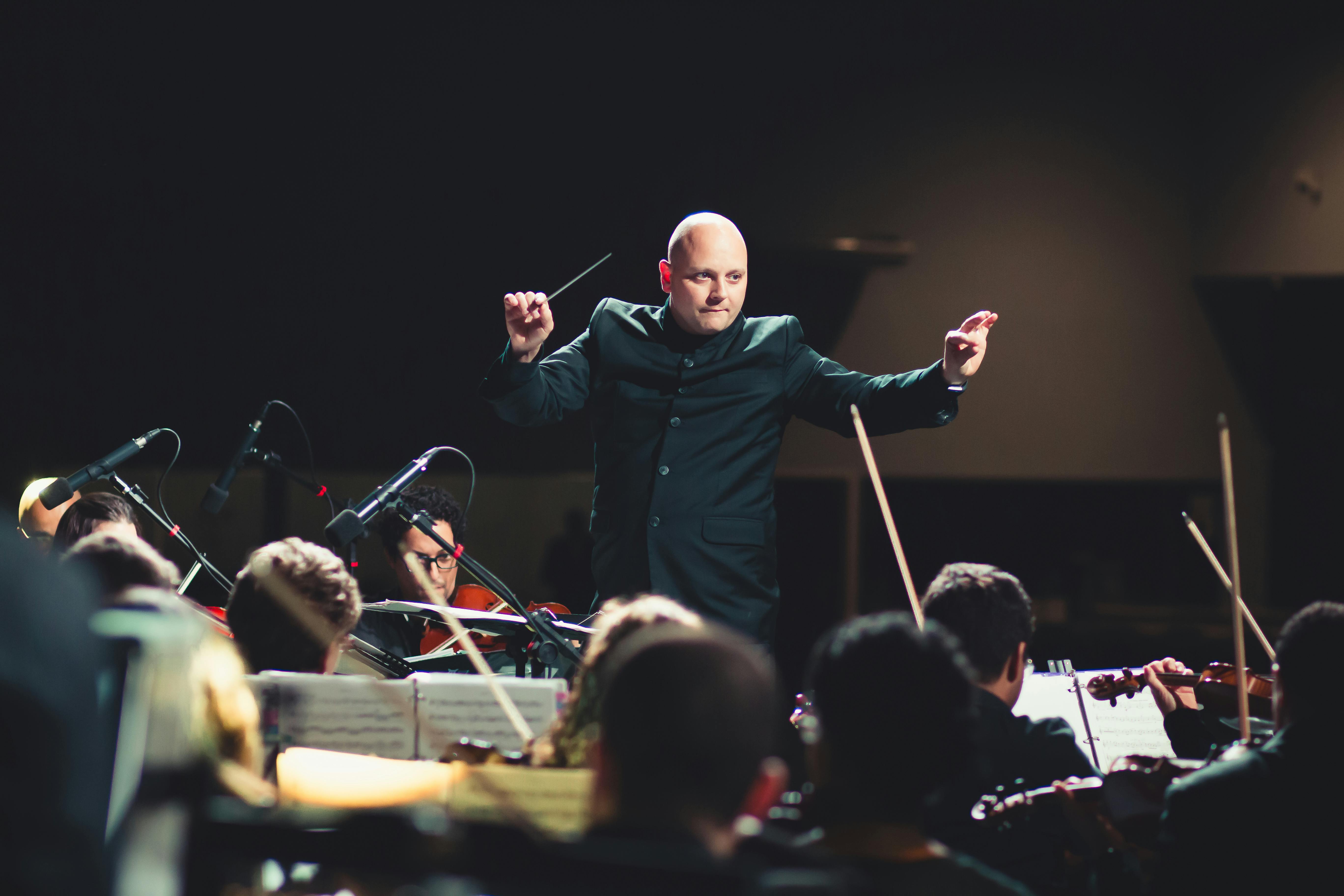
The timing is striking. As the Kennedy Center prepares for a quieter period due to planned shutdowns, the NSO will need stable leadership to maintain visibility, donor confidence, and artistic momentum. A transition during this window adds pressure on the institution to signal continuity, even as it admits change is necessary.
The Kennedy Center vs. a Jazz Drummer: When Contracts Get Loud
On the same day, the Kennedy Center filed a lawsuit against a jazz drummer. Even without every legal detail in front of us, the optics are stark: a heavily funded cultural institution taking a working musician to court. In the post-pandemic gig economy, that kind of headline lands with a thud.
Disputes between venues and artists usually revolve around a few familiar flashpoints:
- Contractual obligations — cancellations, no-shows, or schedule changes.
- Payment disagreements — fees, expenses, or revenue shares.
- Brand and reputation issues — conduct clauses, social media posts, or alleged misconduct.

From an industry perspective, the move sends a message—intended or not—about power dynamics. Jazz musicians, like many freelance artists, often operate without institutional safety nets. When a top-tier venue goes litigious instead of private-mediation quiet, it can chill relationships with other artists who wonder how conflicts will be handled down the line.
“When an institution sues a musician, it’s never just about the two names on the paperwork. Every working artist is watching.” — arts labor advocate, speaking broadly about venue-artist disputes
Legally, the Kennedy Center may be on firm ground; ethically and culturally, this kind of case lives in a gray zone where public perception and backstage gossip can be as impactful as any court ruling.
A Congresswoman Sues the Kennedy Center: When Politics Meets Performance
Adding another twist, a Democratic congresswoman has reportedly filed suit against the Kennedy Center. A sitting lawmaker taking legal action against a partially federally funded arts institution sharpens long-standing questions about accountability, use of public money, and who exactly the Kennedy Center is answerable to.
Without venturing into speculation on still-developing legal filings, it’s fair to say this much:
- It underscores how closely Congress watches the Kennedy Center’s governance and spending.
- It could prompt renewed calls for transparency around contracts, workplace culture, or access policies.
- It risks politicizing an institution that publicly leans on a “culture above party” identity.
For audiences, this can feel like noise around the art. For staff and musicians, though, a lawsuit from a member of Congress can mean months of heightened scrutiny, media attention, and internal anxiety. And in an age where culture-war narratives spin quickly, even a narrow legal dispute can be drafted into broader partisan storytelling.
Strengths, Weaknesses, and What This Reveals About Big Arts Institutions
The Kennedy Center’s noisy Friday is less an isolated scandal than a snapshot of how large cultural organizations operate under pressure in 2026. Objectively, several strengths are still very visible.
Institutional Strengths
- High-profile platform: It remains one of the most recognized arts brands in the U.S., which helps draw world-class artists and donors.
- Diverse programming: From classical to hip-hop collaborations, the Kennedy Center has tried to broaden its artistic footprint.
- Fundraising muscle: Its ability to attract major philanthropy has kept large-scale projects and renovations moving.
Visible Weaknesses and Risks
- PR vulnerability: Simultaneous lawsuits and leadership turnover feed a narrative of instability.
- Labor and artist relations: Suing a musician can damage trust with the very talent that fills its halls.
- Political entanglement: Legal clashes with lawmakers risk pulling the center further into partisan crossfire.

Culturally, this moment fits a broader pattern. Major institutions—from symphony orchestras to film academies—are being pushed to be more transparent about governance and more responsive to workers and artists, all while maintaining elite standards and donor relationships. That’s a difficult needle to thread, and missteps quickly become headline fodder.
“The old model of ‘just play the concert and keep quiet about everything else’ is gone. Audiences and artists want to know how the sausage is made.” — cultural policy commentator
How This Compares: From Met Opera Drama to Hollywood Labor Fights
The Kennedy Center’s week from hell sits alongside other recent arts-world flashpoints. The Metropolitan Opera in New York has weathered its own leadership controversies, budget crises, and high-profile personnel disputes. Hollywood has just come through historic writers’ and actors’ strikes that reframed the conversation around who profits from culture.
A few shared themes emerge:
- Transparency is no longer optional. Stakeholders expect clear communication and justification for big decisions.
- Legal strategies are PR strategies. Suing an artist or being sued by a public figure is, inevitably, a public performance.
- Leadership turnover is the new normal. Running a major arts institution has become a high-burnout job.

Further Reading and Official Sources
For readers who want to dive deeper into the Kennedy Center’s current situation and broader entertainment industry context, here are reputable starting points:
- Official Kennedy Center website — schedules, institutional history, and official statements.
- National Symphony Orchestra at the Kennedy Center — current programming and leadership updates.
- Kennedy Center Honors on IMDb — historical honorees and broadcast details.
- The Washington Post Arts & Entertainment — ongoing coverage of D.C.-area culture and the Kennedy Center.
These sources help situate one dramatic day in a longer story about how American arts institutions evolve under public scrutiny.
Conclusion: After the Noise, What Future for America’s “National Cultural Center”?
The Kennedy Center’s noisy Friday—complete with lawsuits and a high-level resignation—won’t, by itself, redefine the institution. But it does crystallize the tensions of 21st-century cultural leadership: the push-pull between artistic mission and legal risk, between public funding and political distance, between world-class performances and the messy realities of how they’re produced.
In the short term, the center will need to:
- Steer a smooth leadership transition at the NSO.
- Resolve its legal disputes in ways that don’t alienate artists or lawmakers.
- Reassure audiences and donors that the offstage drama won’t derail onstage excellence.
Longer term, the question is whether the Kennedy Center can use this pressured moment to modernize how it relates to artists, staff, and the public—or whether it doubles down on a more traditional, top-down mode of governance. Either way, the outcome will be watched closely far beyond Washington, because what happens at the Kennedy Center rarely stays there.
