
Inside HBO’s ‘Rooster’: Steve Carell’s Lonely Professor, Doppelgänger Identity Crisis, and the Dark Comedy of Reinvention
Steve Carell & Bill Lawrence on the Lonely Heart of HBO’s Rooster
HBO’s new series Rooster could have been a straight-down-the-middle campus comedy: a burned-out professor, a new job at a small college, plenty of beer pong and midlife cringe. Instead, as Steve Carell and co-creator Bill Lawrence recently explained, the show is built around something much quieter and sadder—a man so isolated that a nickname from his students evolves into a full-blown alter ego, raising unnervingly funny questions about identity and the stories we tell ourselves to survive.
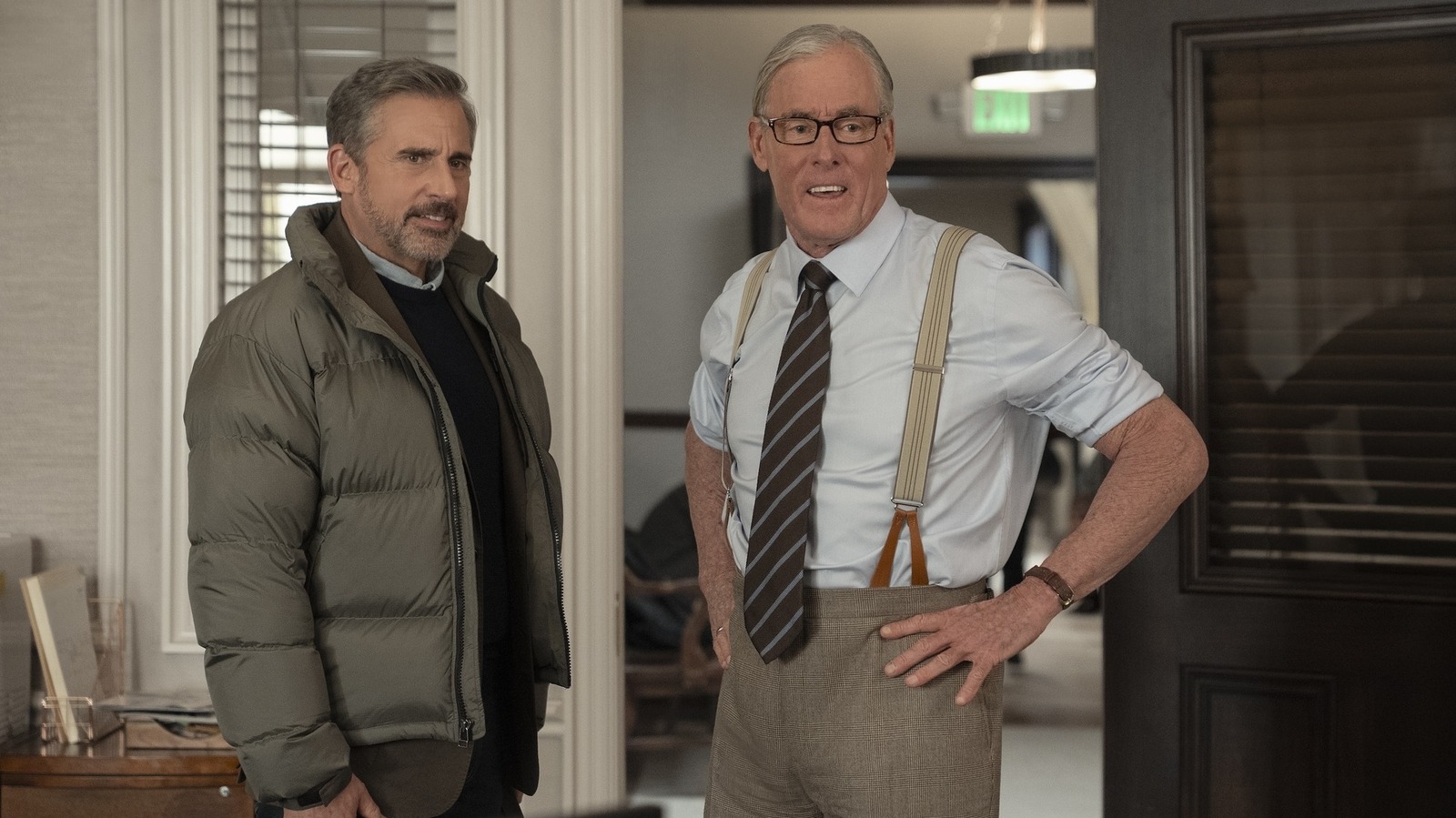
TVLine’s breakdown of the show’s premise, featuring Carell and Lawrence, highlights how the series leans less on outrageous hijinks and more on the awkward, sometimes painful comedy of a man watching his own myth overtake him on campus.
A Campus Comedy That’s Secretly About Crushing Loneliness
At first glance, Rooster sounds like a comfort-watch: Steve Carell as Greg, a middle-aged academic starting over at Ludlow, a picturesque liberal arts college that feels tailor-made for brochure photos and awkward orientation week mixers. But as Carell and Lawrence break down in their TVLine conversation, the show’s engine isn’t nostalgia or secondhand youth—it’s loneliness.
Greg’s move to Ludlow is less a quirky detour and more a quiet retreat, the kind you take when life has already taken a few swings at you. He’s not the inspirational “O Captain! My Captain!” professor; he’s the guy at the faculty mixer who runs out of small talk halfway through his first plastic cup of chardonnay. That emotional flatness creates room for what will become “Rooster,” the care-free persona that students construct around him.
“At the heart of this thing is a guy who doesn’t quite know how to be himself anymore,” Carell explains. “So when these kids give him a different version to try on, it’s tempting.”
The loneliness here isn’t just about being middle-aged on a campus full of TikTok natives; it’s about being emotionally benched in your own life, and finding it easier to step into a role everyone else has written for you.

From Greg to “Rooster”: When a Nickname Becomes an Alter Ego
According to TVLine’s coverage, the turning point comes when undergrads begin to refer to Greg as “Rooster,” treating him less like a professor and more like an offbeat campus legend. The show’s trailer teases this shift: one day he’s grading papers; the next, stories about his supposed wild side start circling the dorms.
The nickname snowballs into a persona—the gun-toting, womanizing, zero-consequences cowboy version of Greg that exists primarily in student gossip and social media fragments. What’s compelling is that Greg doesn’t immediately reject it. Instead, he cautiously leans in, testing the edges of a self that’s more confident, more reckless, and far less honest.
Lawrence notes, “We were fascinated by the idea that your public myth could become more real than you. Especially now, when everyone’s curating a version of themselves online.”
In future episodes, as hinted in the TVLine piece, this “Rooster” identity becomes less of a nickname and more of an ethical problem. Each time Greg chooses Rooster over himself, the gap between the two widens—and so do the stakes, both professionally and personally.

Bill Lawrence’s Emotional Comedy DNA Meets Steve Carell’s Sad-Clown Sweet Spot
On paper, this collaboration makes a lot of sense. Bill Lawrence has built a career on threading melancholy through jokes—from the bittersweet friendships in Scrubs to the earnest optimism of Ted Lasso. Steve Carell, meanwhile, is Hollywood’s reigning king of characters who are funniest when they’re one bad day away from collapse.
- Lawrence brings: rhythm, ensemble warmth, and the ability to let a goofy premise land with emotional weight.
- Carell brings: that familiar cocktail of dad-joke timing and bottomless-eyes sadness that made The Office and Foxcatcher so oddly compelling.
TVLine’s piece suggests that Rooster sits squarely in that overlap. The comedy comes not from Greg being cool, but from how transparently not-cool he is—how every swaggering Rooster moment is undercut by the audience’s knowledge that this is cosplay for a man who still eats cereal over the sink.
“We never wanted it to be a fantasy where this guy suddenly becomes the coolest person alive,” Lawrence says. “It’s more about how embarrassing it is to chase that fantasy in the first place.”

That balance—of cringe, melancholy, and warmth—is what could distinguish Rooster from more broad, faculty-room sitcoms.
Identity, Performance, and the Curse of Being “The Legend” on Campus
Beyond its character study, Rooster taps into a very 2020s question: if everyone is constantly performing a version of themselves, where does the real person go? Greg’s alter ego starts as a harmless exaggeration, but as TVLine notes, future episodes dig into the ethical and emotional fallout of letting that performance run the show.
- On campus: Students want Rooster, not Greg; the legend is more fun than the human being with office hours and boundaries.
- Online: Stories about Rooster spread faster than any actual truth about Greg’s life.
- Internally: Greg’s sense of self starts to bend to fit the narrative, because being wanted as a myth feels better than being ignored as a man.
It’s not subtle social commentary, but it is timely. Swap out Ludlow for Instagram or TikTok, and Rooster becomes just another “main character” persona someone’s stuck keeping up long after the fun’s worn off.

How Rooster Fits into HBO’s Prestige-Comedy Lane
HBO has carved out a niche for half-hour shows that refuse to pick a lane between comedy and drama—Crashing, Barry, Insecure, Somebody Somewhere. From what Carell and Lawrence describe, Rooster is firmly in that tradition, using campus hijinks as window dressing for a more introspective narrative.
From an industry perspective, it’s also part of a broader trend: “sadcoms” that let comedians age into roles where punchlines and midlife dread share equal billing. Carell has already done this on the film side with The 40-Year-Old Virgin to Beautiful Boy pipeline; Rooster lets him do it in the long-form, serialized way TV does best.
- Expect less laugh-track energy, more uncomfortable silences.
- Expect character arcs driven by self-deception rather than external villains.
- Expect HBO to market this as both a star vehicle and a slightly offbeat campus story.

For viewers who like their comedy with a low-key existential crisis on the side, that’s good news.
Strengths, Potential Weak Spots, and What to Watch For
Based on the TVLine breakdown and what we’ve seen in promotional material so far, Rooster arrives with some clear built-in strengths—and a few possible pressure points.
What seems promising
- A genuinely rich premise: The lonely-professor angle gives the show more emotional runway than a standard campus sitcom.
- Cultural resonance: The alter-ego storyline maps neatly onto social-media-age anxieties about performance and authenticity.
- Cast & creative pedigree: Carell and Lawrence are both trusted names; HBO tends to give time for this kind of series to find its tone.
What could be tricky
- Walking the tonal tightrope: Go too broad and the loneliness feels fake; go too dark and the campus setting feels dishonest.
- The ethics of Rooster: As Greg leans into his legend, the show will need to grapple with his choices rather than just mining them for cringe laughs.
- Originality vs. déjà vu: Audience fatigue with “sad middle-aged guy reinvents himself” stories means execution will matter more than premise.

If Lawrence and Carell stay as interested in Greg’s inner life as they are in Rooster’s antics, the series has a shot at being one of HBO’s more quietly affecting offerings.
Where to Watch, and What to Queue Up Next
Rooster is set to stream on HBO and Max, with TVLine serving as one of the early outlets unpacking its thematic ambitions. As future episodes roll out—especially those that dive deeper into how Greg navigates being both himself and Rooster—expect more think pieces about middle-aged reinvention on television.
For more information and episode details as they’re released, keep an eye on:
- TVLine’s official coverage for interviews and breakdowns.
- HBO’s series hub for trailers, episode guides, and behind-the-scenes clips.
- IMDb for cast lists, user reviews, and ratings once the show is live.
Whether Rooster ultimately lands as a cult favorite or a broader hit, its lonely-premise core suggests it’ll have more on its mind than just faculty-room banter. If Greg’s alter ego is any indication, the most interesting thing about the show might be watching a man slowly realize that the bravest thing he can do is retire the legend and figure out who’s left.
Series Overview (Structured Data)
The following overview summarizes the key details of Rooster for readers and search engines, using review-focused structured information.
