How to Make Your Wardrobe the Coolest Recycling Bin on the Block
Home for Your Clothes: Welcome to the Era of Circular Streetwear
Your wardrobe is basically a tiny Home for textiles: some pieces are long-term tenants, some are situationships, and a few are definitely overdue for eviction. The plot twist of 2026? The coolest closets on the internet are built on sustainable streetwear, upcycled Y2K fashion, and thrifted treasures instead of panic-bought fast-fashion hauls.
Instead of treating sustainability like a sad beige side quest, Gen Z and young millennials are baking it directly into the aesthetics they already love: graphic-heavy streetwear, nostalgic Y2K outfits, and scroll-stopping thrift fashion. From DIY cargo skirts made out of old jeans to patchwork hoodies reassembled like stylish Frankensteins, circular fashion has officially gone mainstream—and it’s here to turn your closet into a remix studio instead of a landfill waiting room.
Why Circular Fashion Is Suddenly Everywhere (Including Your FYP)
The rise of upcycled streetwear and sustainable Y2K style isn’t just a passing aesthetic—there are some heavy-hitting forces behind it, all dressed in cute outfits:
- Resale and peer-to-peer apps are the new mall. Depop, Vinted, Poshmark, Vestaire & co. are where people hunt down archive streetwear, vintage fashion, and Y2K gems. “New with tags” is out; “stolen from someone’s 2004 closet” is in.
- Climate awareness is trending harder than any microbag. TikTok and Twitter/X are full of quick, punchy explainers on fast fashion’s water waste, microplastics, and labor exploitation, usually followed by “OK, but here’s what you can actually do about it.”
- DIY culture makes sustainability fun instead of preachy. Tutorials on turning men’s shirts into dresses, jeans into maxi cargos, or hoodies into patchwork masterpieces rack up millions of views—and prove that upcycling can look high-end, not homespun.
- Y2K is perfectly thriftable. Low-rise jeans, track jackets, baby tees, cargo pants—this whole era is basically a resale gold mine. Why buy a “Y2K-inspired” piece when the actual thing is sitting in a thrift bin three miles away?
The result is a big cultural pivot: sustainability isn’t a separate “ethical capsule wardrobe” in minimalist oatmeal tones—it’s woven straight into aesthetic street style, complete with loud logos, nostalgia, and personality.
Step 1: Audit Your Closet Like It’s a Rented Apartment
Before you buy anything “sustainable,” you need to meet the tenants already living in your closet. Think of this as a home inspection for your clothes:
- Pull everything out. Yes, all of it. If your bed disappears under a mountain of fabric, congratulations—you’ve just met your carbon footprint in physical form.
- Sort into four piles:
- Ride-or-dies: You wear these weekly. They fit, they flatter, they know your secrets.
- Almost there: Great potential but wrong length, fit, or detail. These are prime candidates for upcycling.
- Guest stars: Things you only wear occasionally (statement jackets, wild pants, party tops). These stay, but on probation.
- Bye-bye bin: Items that don’t fit your body or your life. These can be sold, swapped, or donated—not trashed if you can help it.
- Spot your accidental aesthetic. Do you naturally hoard graphic tees? Oversized jeans? Sparkly tops? That’s your personal fashion “core” trying to introduce itself. Sustainable styling works best when it amplifies what you already love.
This audit is your foundation: you’re not starting from zero, you’re renovating an existing style home with better insulation and cooler wallpaper.
Step 2: Turn Old Basics Into Upcycled Streetwear Stars
Now the fun part: playing fashion surgeon. Those “almost there” pieces from your audit? They’re about to become the main characters of your new circular wardrobe.
Here are some beginner-friendly, TikTok-approved upcycling moves that don’t require design school—just scissors, a needle, and a bit of courage:
- Cargo skirt from old jeans. Cut the legs off a pair of wide jeans, open the inseam, and stitch the front and back into a skirt. Add patch pockets from another pair for that Y2K cargo energy.
- Cropped “baby tee” from stretched t-shirts. Measure to just below your ribcage, cut a straight line, and roll-hem or zigzag stitch. Instant Y2K fashion, minus the micro-top price tag.
- Patchwork hoodie from two sad hoodies. Take panels (sleeves, pockets, hoods) from both and recombine them. The more obviously mismatched, the more it screams upcycled streetwear.
- Shirt dress from oversized men’s shirts. Especially for plus-size fashion, oversized button-downs make incredible shirt dresses with a few darts or a waist tie. Add a belt, boots, and attitude.
Remember: the goal is “one-of-one” energy, not factory perfection. Visible mending, contrast stitching, and mismatched panels are visual receipts that your outfit isn’t mass-produced.
Step 3: Play With Gender-Fluid Silhouettes (Baggy Is the New Basic)
One of the coolest things about modern aesthetic street style is how gloriously gender-fluid it is. The silhouettes doing numbers right now:
- Baggy jeans and cargos that puddle over sneakers.
- Oversized tees and hoodies layered over fitted tanks or long-sleeves.
- Track jackets and windbreakers with room for layering.
Styling cheat sheet:
- If the top is huge, define something—a peek of waist, a cinched belt, or slim sleeves. Otherwise you risk looking like a very stylish laundry bag.
- If the pants are extremely wide, balance with structure above: a sharp jacket, cropped hoodie, or fitted tank.
- For plus-size fashion, don’t be afraid of volume. The trick is intentional volume: baggy jeans + fitted top + cropped jacket = slouchy but sculpted.
The beauty of gender-fluid styling is that you can raid every section of the thrift store—menswear, womenswear, “mystery rack”—and treat it all as raw material, not rigid categories.
Step 4: Thrifting Like a Pro (and a Planet-Saving Goblin)
Walking into a thrift store without a strategy is like grocery shopping hungry: you’ll leave with chaos. Here’s how to hunt for sustainable streetwear and vintage fashion without losing your mind.
“I don’t thrift because it’s cheap; I thrift because I refuse to pay retail for something that already exists on Earth.”
- Go in with 3–5 keywords. Think in vibes, not pieces: “nylon track jacket,” “low-rise flare,” “graphic ringer tee,” “oversized cargo pant.” This keeps you focused amid the chaos.
- Check the men’s section. Especially for hoodies, tees, and jeans. Many plus-size and gender-fluid creators swear by thrifted menswear for baggier fits and better quality fabrics.
- Ignore the size tag. Vintage sizing is a liar. Go by measurements and vibes: if it looks right, try it. If it almost fits, mentally file it under “upcycling project.”
- Inspect for potential, not perfection. A tiny stain? Cover it with a patch. Too long? Crop it. Weird logo? Layer it under a jacket. You’re shopping for canvas, not final boss pieces.
When you can’t thrift IRL, resale and peer-to-peer platforms step in. Filter for “Y2K,” “archive,” “vintage,” or “streetwear” and watch the algorithm serve you someone else’s forgotten grails.
Step 5: Three Foolproof Circular Outfit Formulas
To keep your getting-dressed routine from turning into a 30-minute fashion crisis, build a few go-to formulas using pieces you already own, plus thrifted or upcycled add-ons.
1. Sustainable Y2K Daily Uniform
- Thrifted low-rise or mid-rise jeans (or your DIY cargo skirt)
- Upcycled baby tee or cropped tank
- Vintage zip-up hoodie or track jacket
- Chunky sneakers you already own
Swap colors and prints, but keep the structure. This gives you that early-2000s main character energy—without buying a single new polyester disaster.
2. Upcycled Streetwear Coffee Run
- Patchwork or two-tone hoodie made from two old sweatshirts
- Baggy thrifted jeans or cargos
- Crossbody bag or mini backpack you’ve had for years
- Beat-up sneakers (bonus points if you’ve repaired them)
The hoodie does all the talking; everything else can be as low-key as you like. This is the outfit that says, “Yes, I care about the planet, but also I look cool by accident.”
3. Gender-Fluid Night Out
- Oversized men’s button-down worn open or half-tucked
- Wide-leg trousers or maxi cargo skirt
- Sleek boots or platform shoes
- Thrifted belt + minimal jewelry
The silhouettes are dramatic, but every component is reworked or pre-loved. Dim lights, loud music, and no one needs to know your entire outfit cost less than cover charge.
Step 6: Follow Trends Without Letting Them Eat Your Wallet
Trends move faster than shipping confirmations, so the most sustainable flex is learning to flirt with them instead of committing to every single one.
- Rent or borrow for ultra-short trends. Hyper-specific micro-trends (that oddly-shaped bag, that one viral dress) are perfect for clothing swaps, rentals, or borrowing from friends. Try the vibe, return to sender.
- Do a “no-buy month” challenge. Style only from your closet, plus swapping and upcycling. These challenges trend constantly because they’re weirdly fun and extremely humbling.
- Buy from ethical brands when you truly need new. Look for transparency: shared info about factories, wages, materials. Pair their pieces with your thrifted staples to keep cost per wear—and cost to the planet—down.
Think of trends as seasoning, not the whole meal. A thrifted Y2K bag here, a logo hoodie there, layered onto a base wardrobe you actually like and actually wear.
Step 7: Accessories That Tell a Story (Not Just a Price)
In a circular wardrobe, accessories are your narrators—they explain who you are, where you’ve been, and which flea market you conquered at 7 a.m. in the rain.
- Jewelry with history. Vintage chains, heirloom rings, flea-market earrings. Mixed metals are fine; in 2026, we are done letting arbitrary rules jail our sparkle.
- Bags with character. Slightly scuffed leather, weird shapes, old-school logos. The kind of bag that looks like it’s seen things… but still zips.
- Hats and scarves as personality hacks. Adding a beanie, cap, or bandana can swing an outfit from “skater kid” to “’90s R&B video extra” in 0.3 seconds.
The secret sauce is storytelling: you want pieces that start conversations. “Oh, this? It was a grandma’s tablecloth in another life.” That’s sustainable bragging rights.
Step 8: Confidence, But Make It Recycled
At the end of the day, the most sustainable thing you can wear is what you’ll actually repeat—on camera and off. The magic of circular, upcycled, and thrifted style is that it encourages exactly that: rewearing, reimagining, and refusing to treat outfits like single-use plastics.
When you build a wardrobe that feels like Home—full of pieces that fit your body, your ethics, and your sense of humor—you stop chasing every drop and start curating a personal archive. Less guilt, more drip.
So open your closet doors, grab your scissors (carefully), fire up those resale apps, and start rehoming fashion that already exists. The planet will thank you. Your wallet will thank you. And your outfits? They’re about to be the main characters in the sustainable streetwear cinematic universe.
Image suggestion 1 (place after the section “Step 2: Turn Old Basics Into Upcycled Streetwear Stars” and before the next <br/>):
- Placement location: Directly after the paragraph that ends with “Visible mending, contrast stitching, and mismatched panels are visual receipts that your outfit isn’t mass-produced.”
- Image description: A realistic, well-lit photo of a worktable with two disassembled hoodies and a pair of jeans laid out. One hoodie is split into panels, the other has its sleeves removed. There are fabric scissors, thread, pins, and a sewing machine visible. Nearby, a partially finished patchwork hoodie and a DIY cargo skirt made from jeans are clearly shown. No people in the frame; focus solely on the garments, tools, and in-progress upcycling.
- Supported sentence/keyword: “Here are some beginner-friendly, TikTok-approved upcycling moves that don’t require design school—just scissors, a needle, and a bit of courage.”
- Alt text: “Worktable with disassembled hoodies and jeans being upcycled into a patchwork hoodie and denim cargo skirt, alongside sewing tools.”
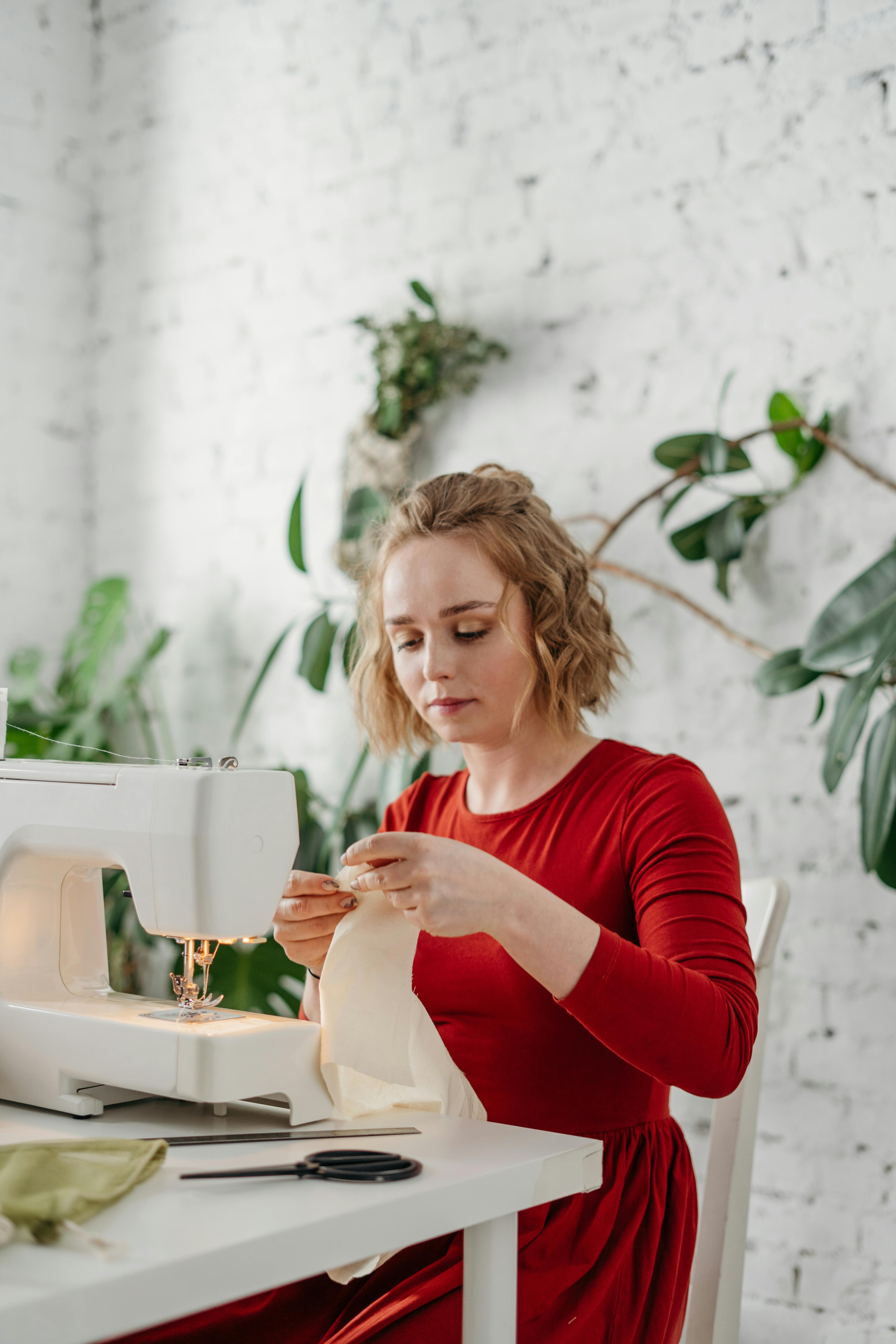
Image suggestion 2 (place inside “Step 4: Thrifting Like a Pro” after the paragraph ending “…canvas, not final boss pieces.”):
- Placement location: After the list item “Inspect for potential, not perfection.” and its explanatory sentence.
- Image description: A realistic photo of a well-organized thrift store rack featuring a mix of streetwear and Y2K-style garments: graphic tees, track jackets, baggy jeans, cargo pants, and hoodies on hangers. A visible price tag or thrift label on one item. No people are visible; the focus is on the clothing rack and the variety of secondhand pieces.
- Supported sentence/keyword: “Here’s how to hunt for sustainable streetwear and vintage fashion without losing your mind.”
- Alt text: “Thrift store clothing rack with secondhand streetwear and Y2K pieces including hoodies, track jackets, and baggy jeans.”
Image suggestion 3 (place in “Step 5: Three Foolproof Circular Outfit Formulas” under “Sustainable Y2K Daily Uniform”):
- Placement location: After the bullet list describing the Sustainable Y2K Daily Uniform.
- Image description: A flat lay on a neutral background showing a complete sustainable Y2K-style outfit: low-rise or mid-rise jeans, a cropped baby tee, a vintage zip-up hoodie or track jacket, and chunky sneakers. Small tags or handwritten notes that say “thrifted” or “upcycled” next to at least two items to reinforce the circular fashion theme. No human body visible; only the arranged clothing and shoes.
- Supported sentence/keyword: “This gives you that early-2000s main character energy—without buying a single new polyester disaster.”
- Alt text: “Flat lay of a sustainable Y2K outfit with thrifted jeans, a cropped baby tee, vintage zip-up hoodie, and chunky sneakers.”