How to Look Rich on a Real Budget: The Playful Guide to Ethical Dupe Culture
Ethical dupe culture is reshaping how style lovers get the designer aesthetic without the designer price tag, by mixing thrifted finds, transparent mid-range brands, and creative DIY upcycling to build chic, sustainable wardrobes that feel luxurious but stay kind to both your wallet and the planet.
If you’ve ever added a designer bag to your online cart, seen the total, and immediately closed the tab like you’d just opened a cursed document, this one’s for you. Dupe culture has officially evolved from “cheap copy, don’t look too close” to “smart, sustainable style strategy” — and your closet (and conscience) are invited to the glow-up.
On TikTok and YouTube, creators are talking less about “$20 version of a $2000 bag” and more about ethical fashion, sustainable fashion, and clever ways to look lux without supporting labor nightmares or landfill mountains. Think of it as designer vibes with decent morals.
Let’s walk through how to ride this new wave of ethical and budget-friendly dupe culture — with practical tips, a little tough love, and plenty of wardrobe magic.
So… What *Is* an Ethical Dupe, Exactly?
Not all dupes are created equal. Some are “inspired by,” some are “I copied your homework but changed the font,” and some are “I screenshotted the logo and prayed.”
Ethical dupe culture is slowly drawing a line in the sand (or in the closet) with three main approaches:
- Thrifted & vintage alternatives: You hunt resale sites, consignment shops, or thrift stores for pieces that echo the silhouette or vibe of a luxury piece — without being a direct knockoff.
- Transparent mid-priced brands: Contemporary labels that offer similar aesthetics to designer fashion but with clearer supply chains and better labor and environmental practices than ultra-fast-fashion.
- DIY & upcycling: Turning that oversized blazer into a cropped jacket, or reviving an old dress with tailoring, dyes, or clever cuts to channel current designer trends.
The goal isn’t just “looks expensive”; it’s “looks expensive, doesn’t exploit people, and doesn’t fall apart faster than your last relationship.”
Ethically aligned dupes avoid blatant logo copying and focus on silhouettes, fabrics, and styling — the feeling of luxury, not the fakery of it.
Dupe or Dupe-licated Ethics? Where to Draw the Line
Here’s the spicy part: not everyone agrees on what’s “ethical.” Some fashion advocates argue any knockoff harms original designers and encourages throwaway culture. Others say that when luxury pricing is orbiting Mars, finding accessible alternatives becomes a matter of style equity.
A handy rule of thumb:
- Hard no: direct logo copies, lookalike monograms, and identical prints that exist purely to trick people.
- Usually okay: similar shapes, silhouettes, or color stories that don’t copy branding or distinctive trademarks.
- Gold star: thrifted, secondhand, or upcycled pieces that interpret a trend rather than clone it.
Ask yourself:
- “Is this celebrating the design, or counterfeiting it?”
- “Would I still like this if it had no reference to the original brand?”
- “Am I buying this to enjoy, or just to flex?”
If the main thrill is “it looks like the real thing, but it isn’t,” you might be in ethically murky waters (and honestly, you deserve better clothes than that).
Thrift Like a Stylist: Finding Designer Vibes in Secondhand Racks
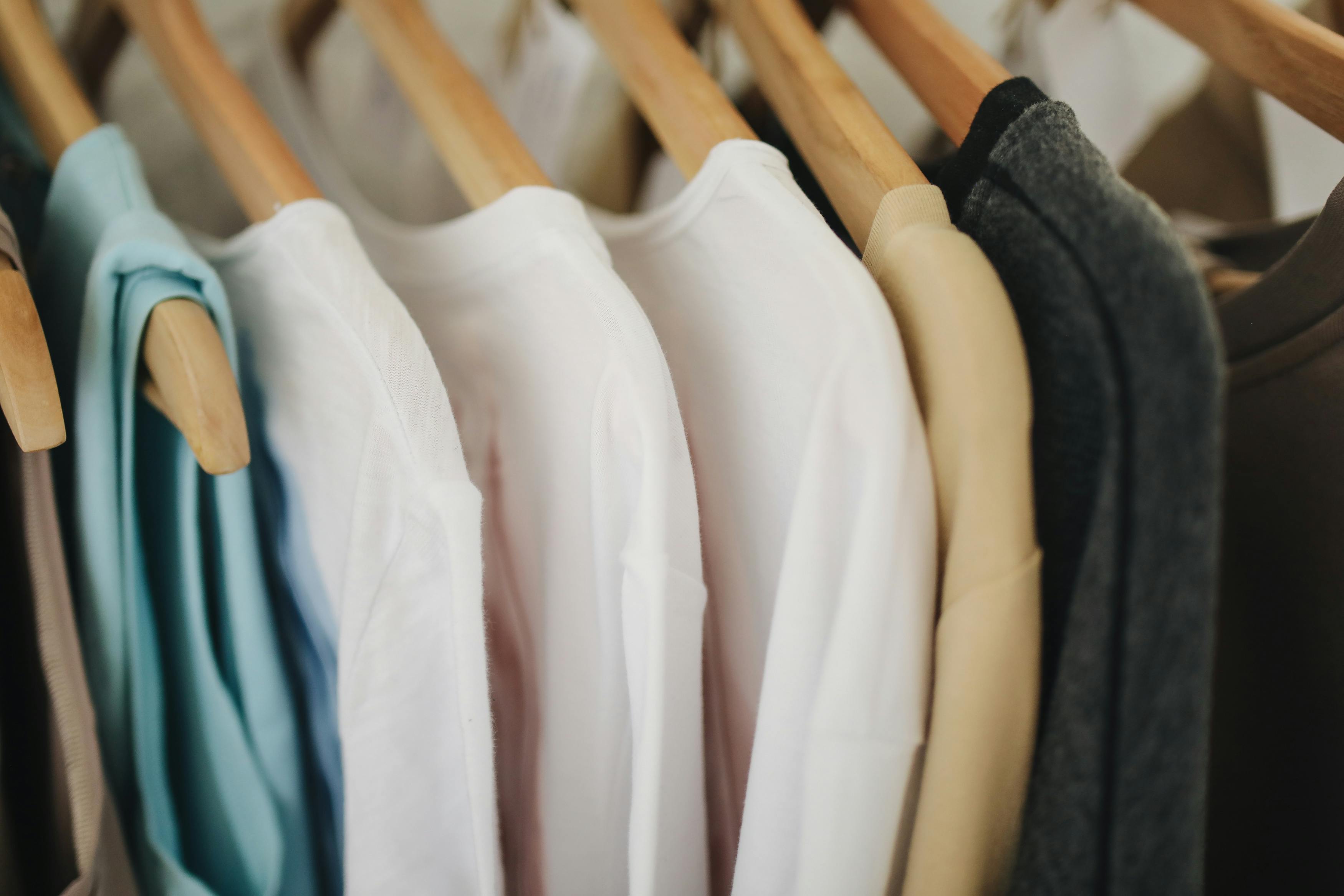
Thriftfashion is having its main character moment, and for good reason: it’s where luxury fashion, designer fashion, and your bank account can all sit at the same table without fighting.
When you’re hunting for ethical dupes in secondhand land, don’t search for specific brands first. Search for:
- Silhouettes: Want that trending “quiet luxury” blazer? Look for strong shoulders, clean lines, and good drape — not the exact brand.
- Fabric: Scan tags for wool, cotton, linen, silk, or viscose blends. They wear better and feel instantly more elevated.
- Hardware & details: Solid zippers, sturdy buttons, and neat stitching are all little luxury hints.
On platforms like Depop, Vestiaire Collective, and The RealReal, use search terms like “minimalist wool coat,” “structured shoulder bag,” or “square-toe leather boots” instead of “dupe for [famous brand].”
This way, you’re curating a wardrobe of good pieces, not just a museum of almost-designer.
Pro tip: Set alerts for specific shapes — “crescent shoulder bag,” “A-line midi skirt,” “boxy cropped jacket.” Trends repeat; your patience will be rewarded like a loyalty program for stylish people.
Budget Fashion, But Make It Math: Cost-Per-Wear Is Your Superpower
Ethical dupes aren’t just about where you shop; they’re about how long what you buy will last. Fast, flimsy copies might feel like a steal, but if they peel, sag, or unravel after three wears, the only thing getting robbed is you.
Enter: cost-per-wear (CPW), a.k.a. the wardrobe reality check.
Imagine two bags:
- Bag A: $40, poorly made, lasts 4 months, you wear it 10 times.
- Bag B: $120, ethically made, timeless design, you wear it 120 times.
Bag A CPW: $4 per wear. Bag B CPW: $1 per wear.
Guess which one was actually “the bargain”?
When watching those “designer dupe” videos, look for creators who talk about:
- Fabric composition (polyester can be fine, but not when it feels like a plastic bag).
- Construction (lined pieces, reinforced seams, real pockets — a miracle).
- Longevity (“I’ve had this for two years” is the best review.)
A slightly higher up-front price for a well-made, ethically produced dupe is often more sustainable than a rotating cast of disposable “almosts.”
Meet the Middle Children: Transparent Brands That Nail the Designer Look
Somewhere between “mortgage payment for a handbag” and “questionable $15 mini dress” lies the sweet spot: mid-priced brands with transparent supply chains.
These labels often:
- Share where their items are made and under what conditions.
- Use more durable fabrics and thoughtful designs.
- Offer aesthetics similar to luxury houses (clean tailoring, iconic shapes, trending colors) without copying logos.
When choosing these ethical dupes, scan their websites for:
- Fabric breakdowns: More natural fibers, or recycled synthetics clearly labeled.
- Certifications: Fair labor or environmental standards where applicable.
- Repair or take-back programs: A sign they expect their clothes to live long, meaningful lives.
Think of these brands as your fashion diplomats: fluent in luxury aesthetic, but still on speaking terms with your budget and your ethics.
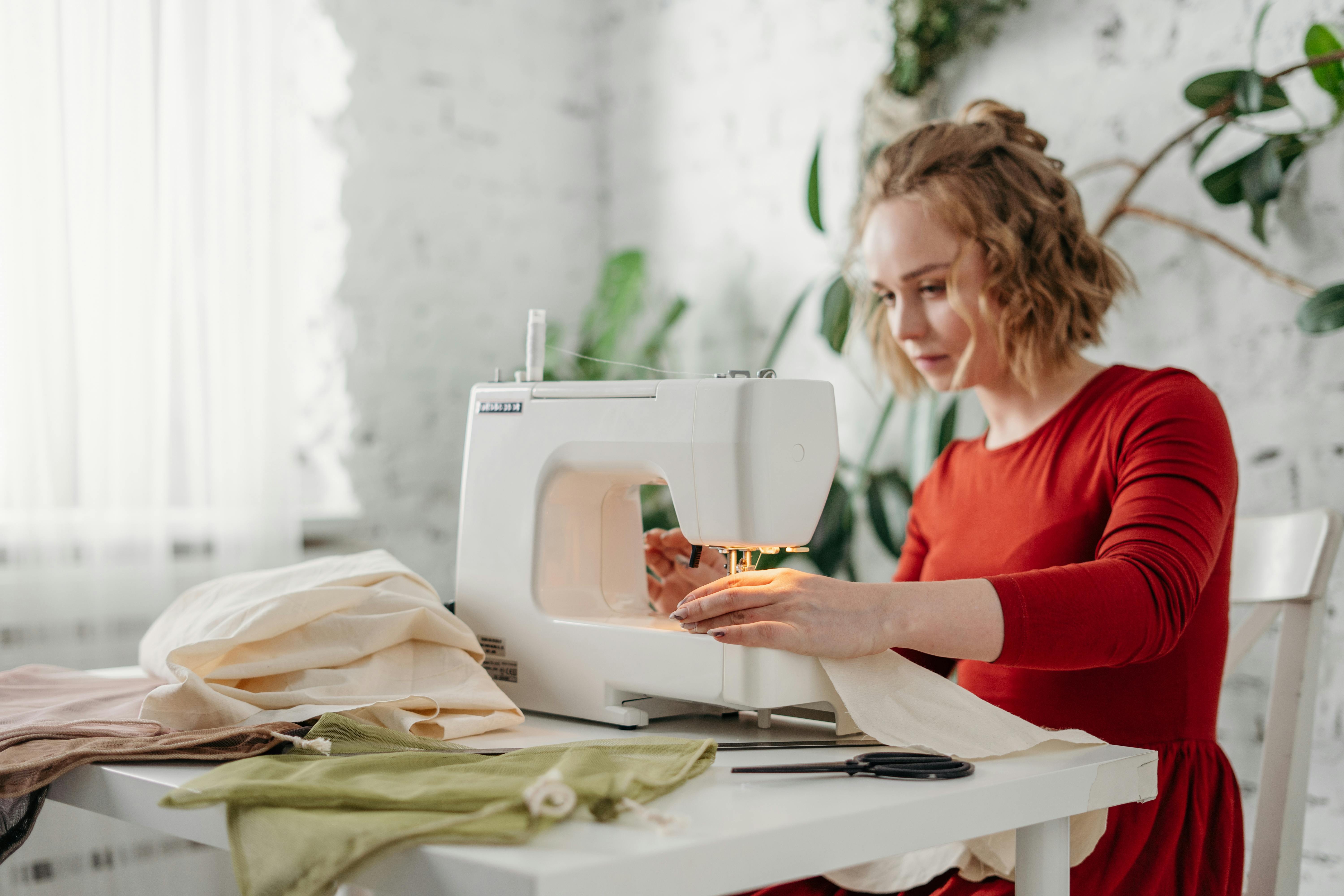
DIY & Upcycling: Your Closet, But Make It Couture
If you can wield scissors without fear and thread a needle without rage-quitting, DIY dupes might be your new favorite hobby.
Some ideas to get that designer-inspired feel the ethical way:
- Cropped blazer from an oversized thrift find: Tailor the waist, crop the hem, and suddenly you’re giving “runway sample,” not “boardroom 1998.”
- Bag glow-up: Replace cheap straps with a sturdy chain, swap plastic hardware for metal, or add subtle texture with a leather conditioner.
- Quiet luxury denim: Remove flashy logos, hem to the perfect length, and press a clean crease for that polished minimalism.
Upcycling isn’t just sustainable; it’s also deeply personal. No one else will have your exact version — which, ironically, is more “designer” than any mass-produced fast-fashion dupe.
Reminder: practice on low-stakes pieces first. No one needs to know about the sacrificial shirt you accidentally turned into a crop top for ants.
Styling the Dupe: How to Look Expensive Without Saying a Word
Ethical dupes shine the most when the styling is on point. You can make a mid-price piece look high-end simply by:
- Keeping it logoless: Quiet luxury — clean lines, neutral colors, unfussy tailoring — automatically reads as “I know things.”
- Focusing on fit: Even budgetfashion looks elevated when it actually fits your body. Tailoring is the original life hack.
- Repeating favorites proudly: Re-wear your best pieces often. The most stylish people repeat outfits; the insecure ones hide them.
Think beyond the single “dupe” item and style entire looks:
- A thrifted blazer, crisp tee, structured secondhand bag, and clean sneakers can rival many “designer” street style shots.
- A mid-range minimalist dress with a vintage belt, upcycled bag, and subtle jewelry reads more expensive than any logo explosion.
Looking stylish isn’t about how much each piece costs; it’s about how intentionally you put them together. Confidence is the only label anyone actually remembers.
Resale, Rental & Trend Strategy: Play the Long Game
As luxury brands raise prices and limit drops, more people are turning to resale and rental platforms to get a taste of that designer life without the full retail heartbreak.
Use them strategically:
- Rent for big moments: Weddings, galas, once-in-a-year events — rent the gown, own the photos, skip the closet guilt.
- Buy classic silhouettes secondhand: Trench coats, leather boots, wool coats, timeless bags — they age like fine wine (and often cost less than a new fast-fashion version).
- Skip micro-trends: If it feels like a meme (hyper-specific prints, extreme cutouts), try it secondhand or don’t buy at all.
Combine this with ethical dupes and you’ve got a wardrobe that flexes with trends but is rooted in pieces you’ll love for years. That’s not just good style — it’s good sense.
Your Ethical Dupe Game Plan: From “Scroll Envy” to Closet Harmony
To bring it all together, here’s a simple strategy to level up your style while keeping it ethical, budget-friendly, and very you:
- Identify the vibe, not the item.
Is it sharp tailoring? Soft minimalism? Y2K drama? Write down the elements you love — colors, shapes, fabrics — instead of fixating on the exact product name. - Shop your closet first.
Can you recreate 70% of that inspo look with what you already own plus one new accessory or tweak? That’s an ethical win. - Thrift or buy secondhand for heroes.
Coats, blazers, denim, leather goods — these are prime for thrifted or vintagefashion dupes that feel unexpectedly luxe. - Use transparent brands to fill gaps.
Need a reliable base: tees, trousers, everyday bags? Go for mid-priced, well-made, ethics-conscious pieces you’ll wear on repeat. - DIY the finishing touches.
Tailor hems, swap buttons, refresh hardware. Tiny edits, huge impact.
The era of chasing the cheapest dupe is fading; in its place is something more thoughtful, more personal, and honestly, more stylish. You’re not just copying luxury — you’re curating your own version of it.
Consider this your official invitation to enjoy fashion trends, explore luxury aesthetics, and stay firmly aligned with your values and your budget. Your wardrobe can be both kind and killer — and that’s the best flex of all.
Suggested Image 1
Placement: After the section titled “Thrift Like a Stylist: Finding Designer Vibes in Secondhand Racks.”
Supported keyword/sentence: “When you’re hunting for ethical dupes in secondhand land, don’t search for specific brands first. Search for silhouettes, fabric, and hardware & details.”
Image description: A realistic, well-lit photo of a curated thrift or consignment store rack. The rack should display neatly arranged blazers, coats, and dresses in neutral and muted tones (beige, black, navy, grey). Visible clothing tags show fabric compositions (e.g., wool, cotton, linen) clearly. In the foreground, a close-up of a blazer on a hanger, with focus on its structured shoulders, quality buttons, and clean stitching. No people are visible; only clothing, hangers, and a simple store interior background.
SEO-optimized alt text: “Thrift store clothing rack with structured blazers and coats emphasizing quality fabrics and hardware for ethical designer-style dupes.”
Example royalty-free URL (verify 200 OK): https://images.pexels.com/photos/3735641/pexels-photo-3735641.jpeg
Suggested Image 2
Placement: Within the section “Budget Fashion, But Make It Math: Cost-Per-Wear Is Your Superpower,” after the paragraph that calculates cost-per-wear for Bag A and Bag B.
Supported keyword/sentence: “Bag A CPW: $4 per wear. Bag B CPW: $1 per wear. Guess which one was actually ‘the bargain’?”
Image description: A realistic overhead photo of a minimal workspace or table. On the table: two handbags side by side — one clearly cheaper-looking (thin faux leather, flimsy structure), the other sturdier, structured, and higher quality (smooth leather-like material, solid hardware). Next to them is an open notebook with simple cost-per-wear style notes and a calculator. No people, no brand logos, and minimal decor to keep focus on the bags and the idea of comparing value.
SEO-optimized alt text: “Two handbags and a calculator on a desk illustrating cost-per-wear comparison for budget versus higher-quality fashion purchases.”
Example royalty-free URL (verify 200 OK): https://images.pexels.com/photos/2747596/pexels-photo-2747596.jpeg

Suggested Image 3
Placement: After the section titled “DIY & Upcycling: Your Closet, But Make It Couture.”
Supported keyword/sentence: “Turning that oversized blazer into a cropped jacket, or reviving an old dress with tailoring, dyes, or clever cuts to channel current designer trends.”
Image description: A realistic close-up photo of a home sewing or upcycling setup on a table. Visible: an open blazer laid out flat with chalk markings indicating a new cropped hem, fabric scissors, measuring tape, pins, and some thread or sewing tools. The scene is clearly focused on tailoring and upcycling clothing, with no people visible and no distracting decor.
SEO-optimized alt text: “Tailoring tools and a marked blazer on a table showing DIY upcycling to create a cropped designer-inspired jacket.”
Example royalty-free URL (verify 200 OK): https://images.pexels.com/photos/3738088/pexels-photo-3738088.jpeg