How to Dress Your Home Like a Style Icon: Playful Tricks for a Runway‑Ready Room
Your home deserves a glow-up just as much as your wardrobe. Today, we’re treating your living room like it’s walking the Met Gala red carpet—outfits, accessories, and all—while weaving in the latest home decor trends that are quietly dominating 2026. Think of this as your style guide for spaces: clever, a little chaotic (in a charming way), and ruthlessly practical.
We’ll borrow tricks straight from fashion—hyper‑curation, capsule “closets,” and statement accessories—and apply them to your decor so your rooms look intentional, not like a clearance bin after a long weekend sale.
What’s Trending in Home Decor Right Now (Without Turning Your House Into a Showroom)
Decor trends in 2026 are basically doing what hyper‑curated thrift hauls did for fashion: less random shopping, more focused vibes. Instead of, “I bought this because it was on sale and vaguely beige,” it’s, “I’m building a story: Eco‑Minimalist City Loft” or “Retro Library Chic on a Budget.”
Here are a few trend “aesthetics” showing up in stylish homes—and how to do them without needing a brand deal or a trust fund.
1. Hyper‑Curated Thrifted Decor
Secondhand isn’t just a side quest anymore; it’s the main plot. Just like creators are doing “$50 thrift challenge: 90s office core,” home lovers are hunting for theme‑based hauls at flea markets and online marketplaces:
- “All‑glass coffee table decor haul under $40”
- “Only wooden pieces for cozy cabin vibes”
- “Building a gallery wall with only vintage frames”
The key is a clear goal before you shop. Not “I’ll see what I find,” but “I’m looking for three pieces: a lamp with personality, a side table with storage, and one weird object that sparks joy and minor confusion.”
2. Soft Minimalism with Real‑Life Energy
Minimalism has had a personality transplant. Instead of cold, echoey museums, we’re seeing:
- Soft neutrals with texture (bouclé, slub cotton, chunky knits).
- One or two accent colors used consistently (e.g., sage green + warm terracotta).
- Open space that still feels lived in: books, baskets, and plants instead of clutter.
It’s like a capsule wardrobe for your house: fewer pieces, better quality, styled on purpose.
3. Library & Study Nooks (aka “Main Character Reading Corners”)
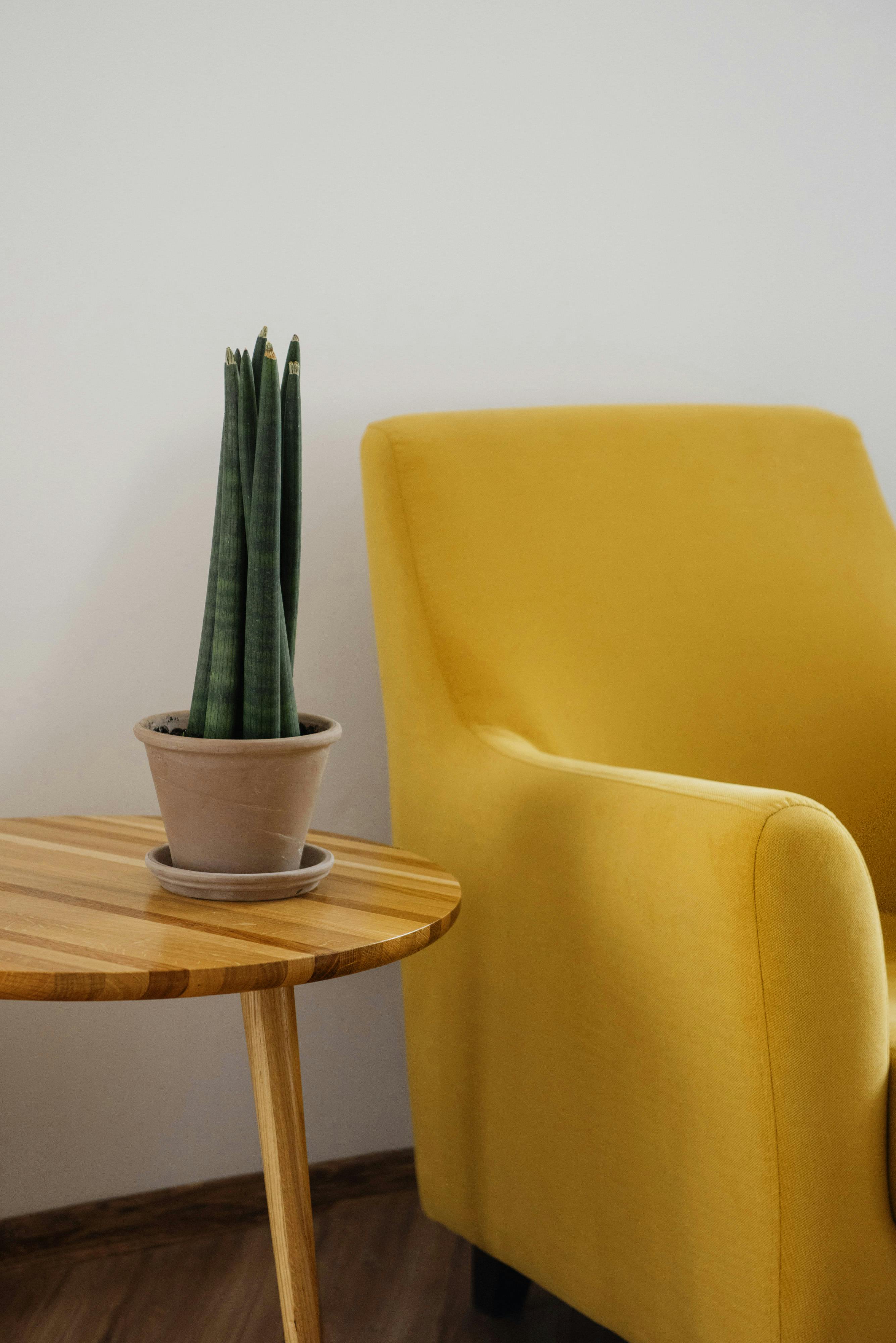
Reading corners and micro‑libraries are the “quiet luxury” of home decor. People are turning the weird corner by the window into:
- A chair that hugs you like a supportive friend.
- A lamp that makes your skin (and pages) look good.
- A tiny side table for your book, drink, and existential crisis.
Bonus points if you mix thrifted wood furniture with a plush throw blanket. It says, “I read,” even if your current book is mostly acting as a coaster.
Curate Your Home Like a Wardrobe: The Capsule Room Strategy
Wardrobe stylists love a capsule closet: a small set of items that mix and match endlessly. You can do the same with your decor so your space stays flexible, calm, and easy to update when trends inevitably switch vibes again.
Step 1: Choose 3–5 “Signature Pieces” Per Room
These are your room’s equivalent of a leather jacket or perfect jeans—strong enough to stand alone, timeless enough to survive trend swings.
For a living room, that might be:
- A well‑proportioned sofa in a solid, neutral fabric.
- A sturdy coffee table with hidden storage (for the chaos you don’t want on display).
- A large rug that anchors everything (patterned or solid, but nothing too loud).
- One statement lamp or pendant.
Invest more here. Like classic boots, these pieces earn their cost per use.
Step 2: Rotate “Trend Accessories” Seasonally
Instead of buying a new sofa every time Instagram discovers a new beige, treat small decor as you would accessories:
- Cushion covers instead of full cushions.
- Throws you swap as the weather or your personality changes.
- Vases, trays, ceramic bowls, and candles in trending shapes or colors.
Keep a small “accessory box” in a closet. When you’re tired of your space, shop the box like it’s your own thrift store.
Step 3: Use a 70/20/10 Styling Formula
Stylists often talk about balancing basics, interest pieces, and wildcards. Apply this to your room:
- 70% Timeless: Larger furniture and main textiles.
- 20% Character: Art, books, sculptural objects, patterned pillows.
- 10% Drama: That one bold color, a quirky thrifted object, or a playful lamp.
If your space feels chaotic, you probably cranked “Drama” to 40%. If it feels flat, your 10% is missing. Adjust like you’re tuning an outfit.
Thrifting for Decor Like a Pro Stylist (Sustainable & Smug‑Level Satisfying)
The same way hyper‑curated thrift fashion turned secondhand shopping into an algorithm‑friendly art form, you can treat your decor thrifting as a strategic mission.
Create a “Mood Board Mission”
Before you step into a thrift store or scroll a marketplace, know your script. Are you:
- Building an “old‑money library” corner with wood, brass, and dark greens?
- Channeling “Y2K city apartment” with glass, chrome, and bright accents?
- Going “quiet luxury” with linen, stone, and simple silhouettes?
Screenshot 5–7 inspiration photos, not 57. You want clarity, not a dissertation.
What to Actually Look For When Thrifting Decor
Focus on pieces with good “bones,” the way stylists look for high‑quality fabrics in clothing:
- Solid wood tables, chairs, frames, and trays you can refinish.
- Glass and ceramic vases, bowls, and lamps (skip chips unless you love a project).
- Quality fabrics like linen or wool blankets that can be washed or dry‑cleaned.
- Unique shapes—a sculptural lamp base, an oddly satisfying bowl, an architectural candlestick.
Just like fashion hauls do before‑and‑after transformations, imagine how a coat of paint, new shade, or fresh candle could elevate a find.
The Sustainability Flex
There’s also a deliciously smug sustainability bonus. Thrifted decor:
- Keeps items out of landfills.
- Reduces demand for fast‑furniture that wobbles into oblivion in two years.
- Often supports local charities and small sellers.
You’re not just decorating—you’re low‑key saving the planet while getting a cooler coffee table than the algorithm tried to sell you.
Style Your Surfaces Like Outfits: Coffee Tables, Shelves, and Nightstands
Think of every flat surface in your home as a torso getting dressed. You’re building layers, proportions, and focal points, not just tossing things down and hoping for the best.
Coffee Table: The Statement Jacket
Your coffee table is often the first thing people see, so treat it like a great jacket—structured, interesting, and not overloaded with pockets (or remotes).
Try this simple formula:
- 1 grounding object: A tray, large book, or low bowl.
- 1 vertical element: A small stack of books, a vase, or a sculptural candle.
- 1 organic element: A plant clipping, flowers, or a natural stone.
Leave at least one clear “landing zone” for mugs, laptops, or late‑night snacks. Function is the ultimate accessory.
Shelves: The Layered Outfit
Shelves can get clutter‑core real fast. Use stylist tricks that work for layered clothing:
- Vary heights: Mix tall vases, medium frames, and low bowls.
- Group in odd numbers: Sets of 3 feel natural, like a good jewelry stack.
- Repeat materials: Wood appears in 2–3 places, same with glass or metal.
Step back and squint (yes, seriously). Does anything feel too heavy or lonely? Rearrange like you would adjust a belt or blazer until it feels “balanced.”
Nightstands: Your Off‑Duty Look
Nightstands should feel calm, not like your junk drawer exploded. Limit yourself to:
- A lamp you truly like (not just the one that was on sale).
- One small stack: book + glasses + coaster.
- One small decorative element: a candle, photo, or small dish.
Everything else? Into drawers, baskets, or storage. Think, “I woke up like this,” not, “I woke up under this.”
Color, Texture, Lighting: The Hair, Makeup, and Jewelry of Your Home
You can be wearing sweatpants, but with good hair and earrings? Suddenly you’re “effortlessly chic.” Your home works the same way. Even simple furniture can look elevated with the right finishing touches.
Color: Pick Your Palette Like a Wardrobe
Instead of a different color for every room (chaos), treat your home like a cohesive collection:
- Choose 1–2 base neutrals (white, cream, beige, grey, or warm taupe).
- Add 2–3 accent colors you repeat in different rooms.
- Let one “pop” color show up sparingly for energy—mustard, cobalt, deep green, rust.
The goal is flow: if you opened all the doors, would the colors fight or vibe? You want vibe.
Texture: The Secret Weapon
Even if you’re a neutral lover, texture keeps things from looking like a beige spreadsheet. Mix:
- Soft: bouclé, knits, linen.
- Hard: wood, metal, stone.
- Shiny vs. matte: glass, glazed ceramics versus raw clay or plaster.
Aim for at least three different textures per room. It’s like combining denim, silk, and leather in one outfit—instant interest.
Lighting: Your Room’s Filter
Lighting is basically your home’s Instagram filter—except it works in real life and doesn’t smooth your pores. Use:
- Overhead light for tasks (but soften with a warmer bulb).
- Table and floor lamps for coziness and depth.
- Accent lights—a picture light, LED strip on a shelf, or small lamp on a console.
The rule of thumb: aim for 3 light sources in any commonly used room. Suddenly everything looks intentional… and your plants and selfies both win.
Confidence, But Make It Interior: Living in a Home That Feels Like You
Fashion stylists always say the best outfit is the one you feel confident in. Same goes for your home. A trending look that makes you nervous about putting a mug down is not a win.
To keep things grounded, ask yourself:
- Can I live in this? Is there somewhere to put my stuff, or is it all vibe, no function?
- Does this tell my story? At least 10–20% of your decor should be personal: photos, souvenirs, gifts, art you actually like.
- Would I rebuy this? If it vanished tomorrow, would you miss it—or feel oddly relieved?
Your home doesn’t have to look like anyone else’s Pinterest board. In fact, it’s better if it doesn’t. Think of trends as ingredients, not a script: you’re curating, remixing, and editing until your space feels like your favorite outfit—comfortable, interesting, and very, very you.
Start small: thrift one special object with intention, restyle one surface, or pick a color palette for just your living room. Tiny changes, big main‑character energy.
Image Suggestions (For Editor Use)
Below are strictly relevant, royalty‑free image suggestions that visually support key sections of this blog.
Image 1: Hyper‑Curated Thrifted Decor
- Placement location: After the paragraph that ends with “one weird object that sparks joy and minor confusion.” in the “Hyper‑Curated Thrifted Decor” subsection.
- Image description: A realistic photo of a living room corner featuring clearly thrifted decor: a vintage wooden side table with visible grain, a ceramic lamp with a simple shade, a mismatched but cohesive set of ceramic vases and bowls, and a small, quirky decorative object (like an unusual sculpture or retro clock). Background shows a neutral wall with one or two framed vintage art prints. Lighting is soft and natural. No people visible.
- Supported sentence/keyword: “Hyper‑Curated Thrifted Decor” and the line about “one weird object that sparks joy and minor confusion.”
- SEO‑optimized alt text: “Thrifted living room decor with vintage wooden side table, ceramic lamp, and quirky sculptural object.”
Recommended example URL (verify 200 OK before use): https://images.pexels.com/photos/3965520/pexels-photo-3965520.jpeg
Image 2: Styled Coffee Table Surface
- Placement location: After the bullet list under “Coffee Table: The Statement Jacket.”
- Image description: A realistic top or three‑quarter view of a coffee table styled with a tray, a small stack of books, a vase with greenery or flowers, and a natural decorative object like a stone or wooden bead garland. Surrounding furniture (sofa, rug) is visible but secondary. The arrangement looks intentional and uncluttered. No people visible.
- Supported sentence/keyword: “Try this simple formula” and the subsequent list of items for coffee table styling.
- SEO‑optimized alt text: “Minimal coffee table styling with tray, books, vase, and natural decor elements.”
Recommended example URL (verify 200 OK before use): https://images.pexels.com/photos/3759086/pexels-photo-3759086.jpeg
Image 3: Cozy Reading Nook
- Placement location: After the “Library & Study Nooks” subsection, following the paragraph ending with “even if your current book is mostly acting as a coaster.”
- Image description: A realistic photo of a small reading nook: an armchair with a cozy throw, a floor or table lamp providing warm light, a small side table holding a book and a mug, and a few books stacked or shelved nearby. Optional small plant. Space feels lived‑in but tidy. No people visible.
- Supported sentence/keyword: “Library & Study Nooks (aka ‘Main Character Reading Corners’).”
- SEO‑optimized alt text: “Cozy reading nook with armchair, lamp, side table, and stacked books.”
Recommended example URL (verify 200 OK before use): https://images.pexels.com/photos/3773572/pexels-photo-3773572.jpeg