
How Spaghetti Took Over Ghana’s Plate (And What It Means for Our Food Future)
Ghana’s plates have quietly shifted from traditional staples like fufu, banku, gari and plantain to a growing dependence on imported spaghetti, raising questions about culture, health, and food security. This article explores how the “Spaghetti Nation” trend emerged, what it means for Ghanaians, and how families can balance convenience with preserving indigenous foods.
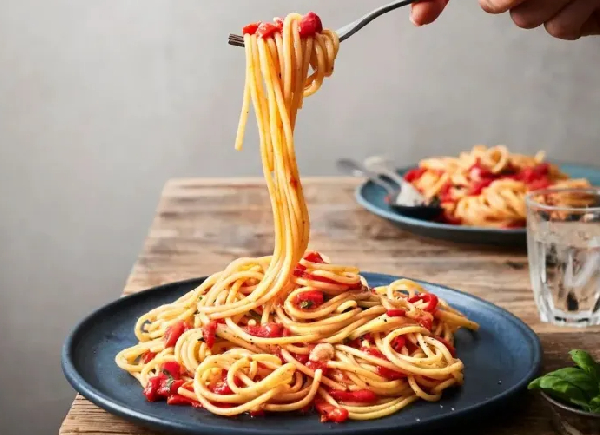
‘The Spaghetti Nation’: How Ghana Has Become Captive to the Italian Staple
If you walk through a market in Accra, Kumasi, Tamale or Takoradi today, one thing will strike you: neatly stacked towers of spaghetti packs sitting right beside tomatoes, onions and canned mackerel. What was once a “party food” or Sunday treat has quietly become a weekday staple. For many homes, especially in urban areas, it’s now almost unthinkable to do weekly shopping without at least a few packs of spaghetti.
Historically, Ghana’s carbohydrate base centered on indigenous staples like fufu, banku, gari, plantain and rice. Yet within a generation, a foreign product — industrially processed durum wheat pasta — has carved out a central place on our plates. This hasn’t happened by accident. It’s the result of economics, food policy, global trade, aggressive marketing and the very real pressures Ghanaian families face every day.
“We used to pound fufu almost every evening. Now, when everyone gets home tired, we just boil spaghetti. It fills the stomach and cooks in 10 minutes.”
— Ama, 39, mother of three, Adenta, Accra (case interview, 2025)
This isn’t a simple “good food vs bad food” story. Spaghetti can be convenient, affordable and even part of a balanced diet. But the way it has taken over reveals deeper questions about food sovereignty, nutrition, culture and economic dependence that Ghana cannot ignore.
From Celebration Food to Everyday Staple: What Changed?
For many Ghanaians born before the 1990s, spaghetti and other imported pasta were associated with Christmas, birthdays or special guests. The plate of “spag” with stew and fried chicken meant you were celebrating. It was not the everyday meal.
Over the last two decades, several overlapping trends have changed that:
- Urbanisation and time pressure: More families live in cities, often with both parents working long hours. Pounding fufu or standing over banku in the evening can be exhausting. Spaghetti boils in 8–12 minutes.
- Electricity and gas access: As more homes gain access to LPG, electric cookers and microwaves, foods that cook quickly and consistently — like pasta — become more attractive.
- Import liberalisation: Trade policies from the 1990s onwards made it easier and cheaper to import processed foods, including pasta, from Europe and Asia. This flooded the market with low-cost brands.
- Marketing and aspiration: TV adverts, billboards and social media content repositioned spaghetti as a modern, aspirational meal — often paired with sausages, corned beef or canned stew.
- Price volatility of local staples: When plantain, yam or local rice prices spike, spaghetti can become the more stable, predictable choice for families trying to stretch their cedis.
Together, these forces have shifted Ghana from an indigenous-staple-based system to one where imported wheat products quietly play a central role.
Is Spaghetti Bad for Ghanaians? A Nuanced Nutrition View
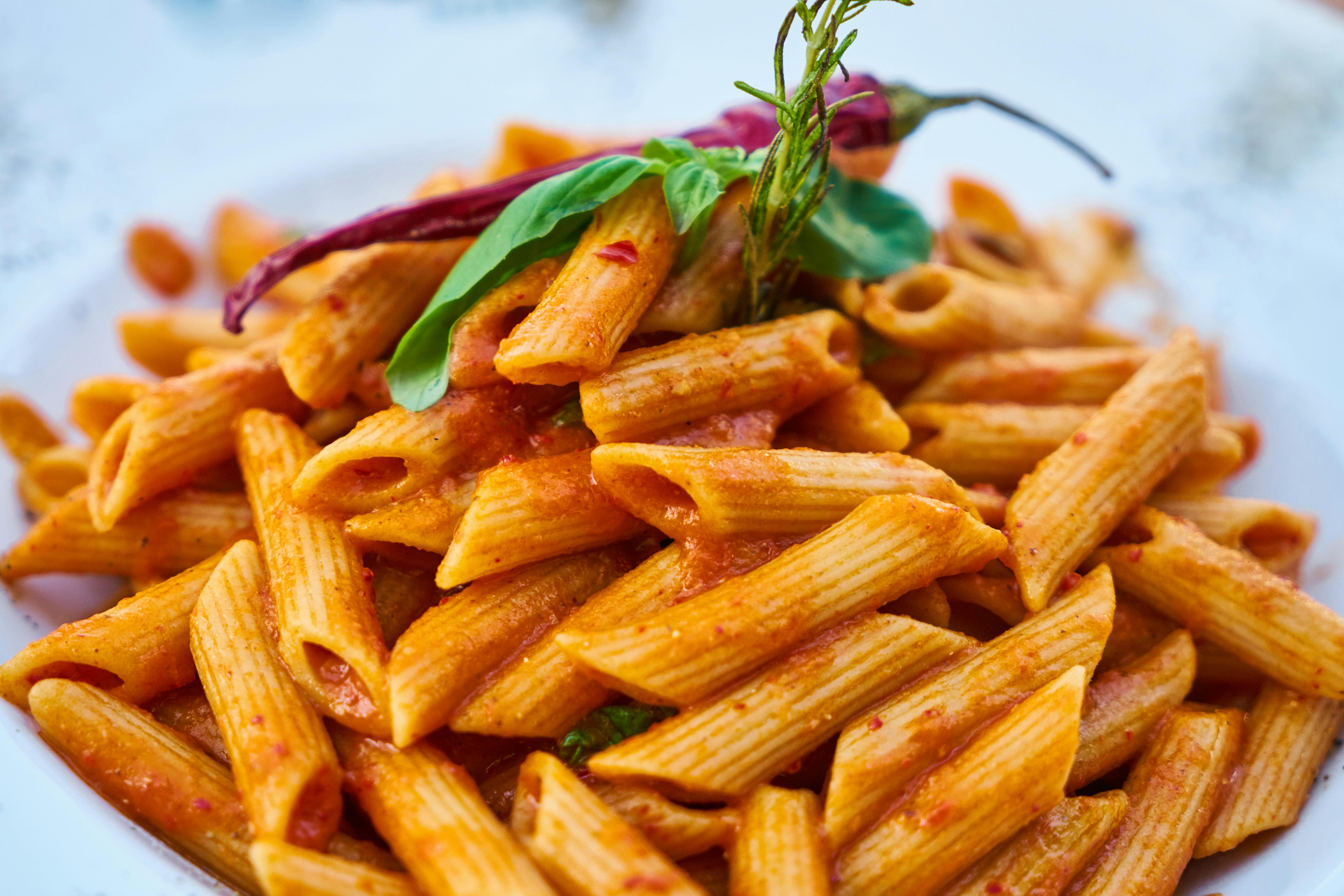
From a nutrition standpoint, spaghetti is mostly refined carbohydrate. Like polished white rice, it provides energy but relatively little fibre and fewer micronutrients compared with many traditional Ghanaian staples.
When eaten in moderation and combined with vegetables, beans, fish or lean meat, spaghetti can fit into a balanced Ghanaian diet. The real concern is when it:
- Replaces higher-fibre traditional foods (e.g., plantain, millet, brown rice, yam, cocoyam).
- Is served in very large portions relative to protein and vegetables.
- Is eaten with heavy, oil-rich stews, lots of fried meat or processed meats like sausages.
Research from West Africa and global nutrition studies suggest that diets high in refined carbohydrates and low in fibre are linked with increased risk of type 2 diabetes, obesity and cardiovascular disease over time. Ghana already faces rising non-communicable disease rates.
“Spaghetti isn’t the enemy. The problem is when cheap refined carbs crowd out our traditional, more nutrient-dense staples — then you see a gradual erosion of dietary quality.”
— Dr. Kojo Mensah, Public Health Nutritionist, University of Ghana
This doesn’t mean you must abandon spaghetti. It does mean being intentional about:
- Portion sizes.
- What you pair it with.
- How often it appears on your weekly menu compared to indigenous staples.
Cultural Costs: Losing Taste Memory of Indigenous Staples
Food is never just about nutrients. It is about memory, identity and belonging. As spaghetti becomes normalised, especially among children, we risk a slow erosion of our culinary heritage.
In interviews conducted by GhanaWeb and other local outlets, some younger Ghanaians describe fufu or banku as “weekend food” or “too much work,” while spaghetti is seen as everyday, easy and “modern.” Over time:
- Children may grow up without learning how to prepare indigenous staples.
- Traditional dishes risk being reserved only for funerals, festivals or special occasions.
- Skills like pounding fufu, fermenting corn dough or processing cassava may decline if they’re not regularly practiced.
One Accra-based food historian described it this way:
“When a dish leaves the weekday table and becomes ‘ceremonial only,’ it is already halfway to becoming a museum piece rather than a living food tradition.”
— Nana Adwoa Asante, Culinary Historian
This isn’t a call to reject all foreign foods. Rather, it’s an invitation to protect and actively pass on Ghanaian food knowledge even as we embrace some conveniences of modern life.
Economic Dependence: When Your Staple Food Is Imported
Wheat — the grain that most spaghetti is made from — is not a major crop in Ghana. Our climate and agricultural systems are better suited to tubers, plantain, maize and rice. This means that every bag of spaghetti represents:
- A foreign farmer’s livelihood, not a Ghanaian one.
- Foreign exchange spent to import grain or finished pasta.
- Vulnerability to global price shocks and supply chain disruptions.
During the Russia–Ukraine conflict, for instance, global wheat prices spiked sharply. Countries dependent on wheat imports faced rising food costs. Ghana was not spared.
When an imported product becomes central to everyday meals, it can weaken food sovereignty — the ability of a country to feed itself from its own land and farmers. It also puts additional pressure on the Ghana cedi, which must stretch further to pay for essential imports like fuel, medicine and now a growing volume of wheat-based foods.
Case Study: A Family Caught Between Convenience and Culture
Consider the story of the Osei family in Kumasi, based on a composite of several households interviewed in late 2025:
- The parents leave home at 6:00 a.m. and return around 7:30 p.m.
- They have three school-aged children, often hungry and restless by evening.
- The house-help left during COVID-19; there is no extra pair of hands.
On weekdays, the family typically alternates between:
- Spaghetti with corned beef or sausage stew.
- White rice with stew.
- Occasional instant noodles.
Fufu, ampesi or omotuo is reserved for Sunday, when there’s time to cook. Everyone in the household knows that the weekday menu isn’t ideal, but:
“By the time we get home, we are tired. The choice is not between fufu and spaghetti — it is between spaghetti and nothing.”
— Mr. Osei, 42
This highlights an uncomfortable truth: the spaghetti boom is often a rational response to unreasonable time and economic pressures, not a careless abandonment of culture.
Finding a Healthy Balance: Practical Tips for Ghanaian Households
Instead of demonising spaghetti, a more realistic approach is to use it strategically while deliberately preserving and prioritising indigenous staples. Here are evidence-informed, practical strategies:
1. Make Spaghetti a “Sometimes Food,” Not a Daily Default
- Aim for spaghetti no more than 2–3 times per week for the household.
- On other days, rotate between plantain, yam, cocoyam, local rice, millet or sorghum dishes.
2. Upgrade the Plate: Add Fibre, Vegetables and Protein
Every time you cook spaghetti, ask: “Where is the vegetable? Where is the protein?”
- Add shredded carrots, green pepper, cabbage or garden eggs to the stew.
- Use beans, lentils, eggs or fish as affordable protein sources instead of only processed meats.
- Serve a side salad (even simple sliced cucumber and tomato) with spaghetti meals.
3. Batch-Prepare Indigenous Staples for Busy Days
The main barrier to traditional foods is often time. Try:
- Boiling yam, plantain or cocoyam in bulk on weekends; cool, portion and freeze.
- Preparing and freezing banku or akple dough in family-size portions.
- Batch-cooking light soup, groundnut soup or palm nut soup; reheat and pair with quick starches like rice or pre-boiled yam.
4. Involve Children in Cooking Traditional Foods
To keep indigenous foods alive, bring children into the process:
- Assign age-appropriate tasks: washing vegetables, stirring banku, shaping abolo.
- Share stories or songs associated with certain dishes while you cook.
- Let them choose one traditional dish for the weekly menu and help prepare it.
What Policymakers and Industry Can Do
The “Spaghetti Nation” phenomenon isn’t only a household issue. It also reflects decisions made by government, importers, retailers and the food industry.
1. Support Convenient Forms of Local Staples
- Incentivise SMEs to produce high-quality, hygienic, pre-processed staples (e.g., vacuum-packed boiled yam, ready-to-cook kokonte, parboiled local rice).
- Subsidise equipment for farmer cooperatives to process and package cassava, plantain and yam products competitively.
2. Strengthen Nutrition Labelling and Public Education
- Ensure clear, accurate labelling on imported pasta regarding serving sizes and nutritional content.
- Promote public campaigns that celebrate indigenous dishes as modern, convenient and “aspirational,” not old-fashioned.
3. Protect Local Producers Against Unfair Imports
- Review tariff structures to avoid flooding the market with ultra-cheap imported pasta that undercuts local staples.
- Invest in local grain alternatives (e.g., blended flours using sorghum, millet, cassava) that can be used to make “Ghana-grown pasta” or similar convenience foods.
Before & After: A Week of Meals, Rebalanced
To make this concrete, here’s how one busy Accra household adjusted their weekly menu over a month, without increasing their food budget significantly:
Before (Typical Week)
- Mon: Spaghetti and corned beef stew
- Tue: Instant noodles and egg
- Wed: Spaghetti and sausage
- Thu: White rice and stew
- Fri: Spaghetti and tinned mackerel
- Sat: Waakye
- Sun: Fufu and light soup
After (Rebalanced Week)
- Mon: Local rice and beans with vegetable-rich stew
- Tue: Spaghetti with sardines, cabbage and carrot stir-in
- Wed: Boiled ripe plantain with kontomire stew
- Thu: Banku (pre-made dough) with okro stew
- Fri: Spaghetti with garden egg and fish stew, side salad
- Sat: Waakye with gari and salad
- Sun: Fufu and palm nut soup
Here, spaghetti remains on the menu but appears twice instead of four times. The family reports:
- Feeling fuller for longer on plantain and banku days.
- Spending slightly more time on weekend prep but less stress during weekday evenings.
- Children gaining appreciation for a wider variety of Ghanaian dishes.
Moving Beyond the “Spaghetti Nation” Without Guilt
Ghana’s embrace of spaghetti tells a bigger story about modern life, global trade and everyday survival. It reflects how families adapt when they are squeezed by time, money and changing expectations. Blaming individual households misses the point.
At the same time, quietly allowing an imported refined grain to displace our diverse indigenous staples has long-term costs: for our health, our culture and our economy. The goal is not to ban spaghetti from our kitchens, but to reclaim balance and intention.
You don’t have to overhaul your diet overnight. Start where you are:
- Reduce spaghetti by one meal per week and replace it with a favourite local staple.
- Add at least one vegetable and one affordable protein source whenever you cook pasta.
- Teach a child in your life how to make one traditional dish from scratch.
Over months and years, small choices like these add up — preserving the best of Ghana’s food heritage while still recognising the realities of contemporary life.
“Our plates are part of our story. We can write a future where convenience and culture sit side by side, instead of one quietly erasing the other.”
Call to action: This week, look at your household’s meals and choose just one simple change that shifts the balance back toward Ghana’s own staples. Share that journey — and your recipes — with friends and family. Change spreads one plate at a time.
