
How Kimchi’s Friendly Bacteria May Help Your Body Flush Out Microplastics
Recent research suggests that a specific bacterium isolated from kimchi may help bind tiny plastic particles in the gut so they can be carried out of the body. In this article, we explore what microplastics are, how fermented foods like kimchi might support your microbiome, what the new science actually shows, and how you can safely add fermented foods to your diet without expecting miracle detoxes.
If you feel uneasy every time you see a headline about microplastics in our water, food, and even our blood, you’re not alone. Many people are wondering whether there’s anything practical they can do to protect their health in a world where plastics are everywhere.
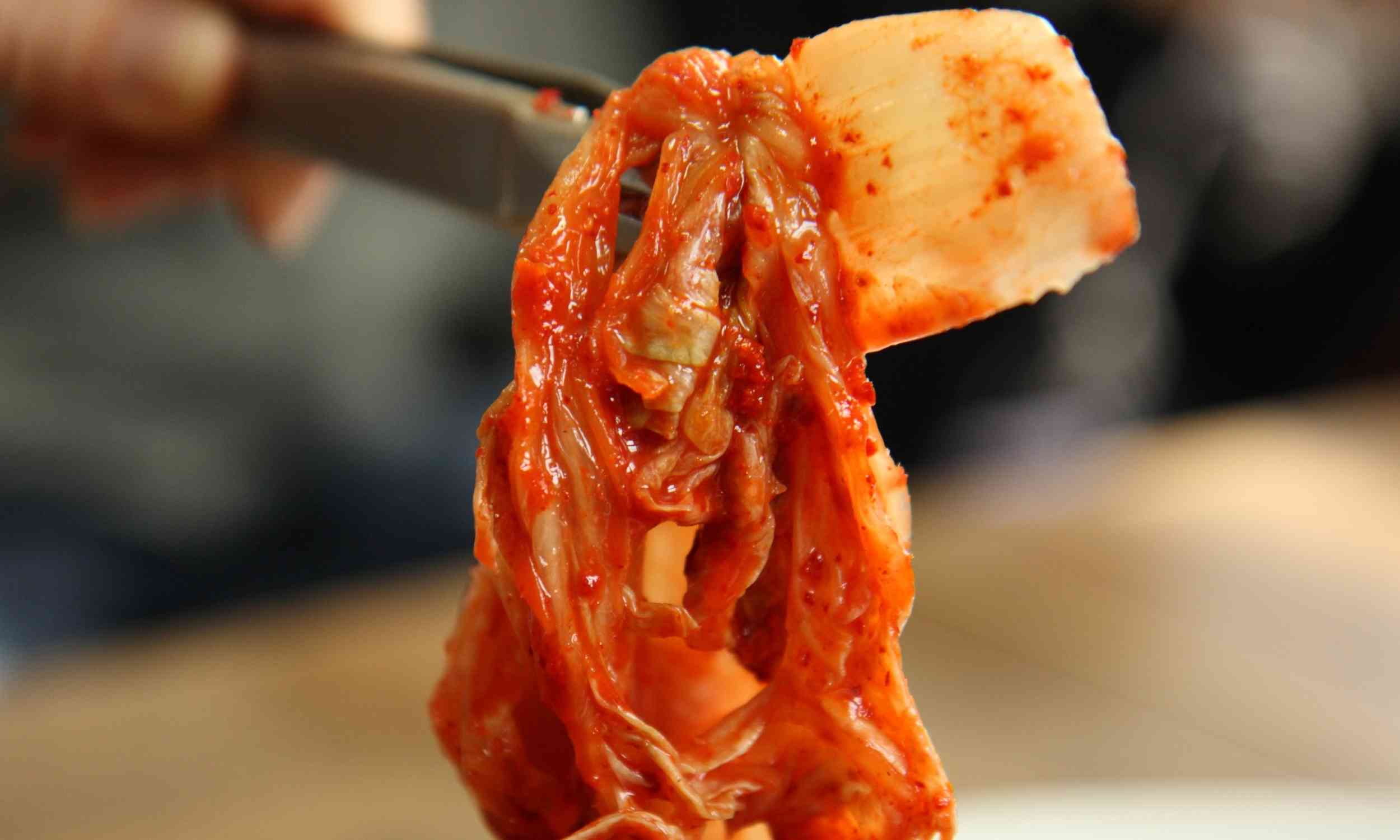
A new study highlighted by Earth.com reports that bacteria isolated from kimchi—a traditional Korean fermented cabbage dish—can bind nanoplastics in the gut and help carry them out of the body. It’s a fascinating finding that adds to a growing body of research on the gut microbiome and environmental toxins.
The microplastics problem: what’s really happening in your body?
Microplastics are tiny plastic fragments under 5 mm; nanoplastics are even smaller—often invisible to the naked eye. They can enter your body through:
- Drinking water (tap and bottled)
- Seafood and other foods exposed to plastic pollution
- Food packaging, especially when heated
- Household dust and the air we breathe
Research over the past several years has detected microplastics in:
- Human blood and lung tissue
- Placental tissue and breast milk
- Stool samples from people on multiple continents
We still don’t fully understand what this means for long-term health. Early studies suggest potential links with inflammation, oxidative stress, and disruption of the gut barrier, but there’s no definitive “dose–response” threshold yet. That’s why any safe, realistic strategy that might help reduce the plastic load in our bodies is getting scientific attention.
What the kimchi–microplastics study actually found
The research reported by Earth.com focuses on a bacterium isolated from kimchi that appears able to bind plastic particles in the gut and escort them out of the body. While the full peer‑reviewed publication details are still being discussed, here’s the core idea in accessible language.
- Bacteria were isolated from kimchi. Scientists cultured specific strains of lactic acid bacteria that naturally thrive in fermented cabbage.
- These bacteria met nanoplastics in a controlled setting. In lab experiments, the microbes were exposed to tiny plastic particles to see how they interacted.
- Binding and aggregation occurred. Some bacterial strains appeared to attach to, cluster, or “trap” nanoplastics on their surface or in biofilms.
- In model gut systems, more plastics exited with waste. Early models suggest that when these bacteria are present, a greater fraction of plastic particles may pass through the digestive tract instead of being absorbed.
“Fermented-food microbes are increasingly being viewed not just as probiotics for digestion, but as potential tools for interacting with environmental contaminants in the gut, including micro- and nanoplastics.”
Think of these microbes as tiny hitchhikers: plastic particles can “stick” to them, and then both the bacteria and the attached particles exit the body together in stool. That doesn’t mean kimchi is a magic detox food, but it opens a promising avenue for future probiotic therapies.
How fermented food bacteria might help your body handle microplastics
To understand how this works, it helps to picture your gut as a dense forest of microbes, mucus, and food particles. Microplastics that enter this environment can:
- Float freely through the gut contents
- Stick to the mucus layer lining your intestines
- Interact with microbes, including beneficial bacteria
Certain lactic acid bacteria from kimchi and other fermented foods may:
- Bind directly to plastics via their cell walls or sticky extracellular substances (biofilms)
- Change gut conditions (like pH) that affect how plastics behave or clump together
- Support a thicker mucus layer that traps more particles, including microplastics, for removal
An important nuance: most of this is indirect. Fermented foods support a healthier microbiome and gut barrier, which in turn may reduce how many unwanted particles cross into your bloodstream. The study on kimchi bacteria and nanoplastics gives us a more direct mechanism to explore scientifically.
Fermented foods that support a healthy gut microbiome
While this particular study focuses on kimchi, a variety of fermented foods contain living bacteria that can benefit your gut when eaten regularly and in moderation.
- Kimchi – Spicy fermented Korean cabbage and vegetables, rich in lactic acid bacteria.
- Yogurt with live cultures – Look for “contains live and active cultures” on the label.
- Kefir – A fermented milk drink with a diverse range of bacterial and yeast strains.
- Sauerkraut – Fermented cabbage; choose raw, unpasteurized versions for live microbes.
- Tempeh – Fermented soy product with beneficial fungi and fiber.
- Kombucha – Fermented tea, often containing a mix of bacteria and yeast.

Practical ways to use fermented foods to support your body (without expecting miracles)
You cannot completely avoid microplastics, and there is no proven way to “flush them all out.” But you can create conditions that are friendlier to your gut and potentially less favorable to plastic absorption. Here is a realistic, evidence-informed approach.
1. Add fermented foods gradually
- Start with 1–2 tablespoons of kimchi, sauerkraut, or yogurt once a day.
- Observe how your digestion feels for a week.
- If comfortable, increase to a small serving with one or two meals per day.
2. Pair fermented foods with fiber
Fiber acts like a sponge and conveyor belt in your gut. It can help move waste—along with whatever is bound to it—out of the body.
- Combine kimchi with brown rice and vegetables.
- Serve yogurt with oats, chia seeds, or berries.
- Add sauerkraut to a whole‑grain sandwich.
3. Stay well hydrated
Water helps keep stool soft and supports regular bowel movements, which is essential for moving bound particles out of your body efficiently.
Common obstacles (and how to overcome them)
“Fermented foods upset my stomach.”
Gas, bloating, or discomfort can happen if:
- You increase fermented foods too quickly.
- You already have gut inflammation or irritable bowel syndrome.
- You are sensitive to histamine.
Try:
- Reducing the portion size and increasing more slowly.
- Trying different types (e.g., yogurt instead of kimchi).
- Discussing with a dietitian or gastroenterologist if symptoms persist.
“I’m worried about sodium in kimchi and sauerkraut.”
Many fermented vegetables are quite salty, which can be an issue if you have high blood pressure or kidney disease.
- Rinse small portions briefly under water to reduce surface salt.
- Use very modest servings (1–2 tablespoons).
- Focus more on lower-sodium ferments like unsweetened yogurt or kefir.
“This sounds like a miracle detox—can I stop worrying about plastics?”
Unfortunately, no. Fermented foods are one tool in a much larger picture. They can support your gut and may interact with microplastics, but you still benefit from reducing exposure at the source.

Other science-backed steps to reduce your microplastic burden
Alongside fermented foods, these practical steps are supported by growing evidence on how microplastics enter our bodies.
- Use glass, stainless steel, or ceramic for hot foods and drinks.
Plastics can shed more particles when heated. Avoid microwaving in plastic and limit very hot liquids in plastic cups. - Choose tap water with proper filtration over bottled water when possible.
Studies have found higher microplastic counts in many bottled waters compared with tap, though this varies by region. A good quality filter that screens small particles can help. - Cut back on single-use plastics.
Reusable bags, bottles, and containers reduce both environmental and personal exposure over time. - Ventilate and clean your home regularly.
Synthetic fibers from clothing and furnishings can contribute to microplastic dust. Wet-dusting and vacuuming with a HEPA filter can reduce inhalation. - Support policies that reduce plastic pollution.
Individual choices matter, but systemic change is what will significantly lower global exposure.
What scientists and experts are saying
The kimchi–nanoplastics study lines up with broader research into how microbes interact with pollutants:
- Environmental microbiology: Certain bacteria can degrade or transform plastics in soil and water, suggesting specialized microbe–plastic interactions are possible.
- Gut barrier research: A robust microbiome and mucus layer can reduce translocation of unwanted particles and pathogens across the gut wall.
- Probiotic development: Scientists are exploring specially designed probiotic strains for binding heavy metals and other contaminants; the kimchi finding extends this idea to nanoplastics.
“We’re moving from the idea of probiotics as generic ‘good bacteria’ to highly targeted strains that can perform specific jobs in the body—whether that’s improving digestion, calming inflammation, or, potentially, helping escort some pollutants out of the gut.”
For now, experts emphasize that fermented foods are supportive, not curative. They fit into a holistic strategy that includes better environmental policies, smarter consumer choices, and ongoing research, rather than offering a quick fix.
A realistic “before and after”: lifestyle, not miracles
Instead of dramatic, unproven detox claims, it’s more honest to imagine a subtle, cumulative “before and after” based on lifestyle shifts.
Before:
- Frequent use of plastic bottles and takeout containers.
- Low intake of fiber and fermented foods.
- Irregular digestion and occasional bloating.
- High anxiety about microplastics, but no clear plan.
After several months of small changes:
- More meals cooked at home using glass or stainless steel.
- Regular inclusion of kimchi, yogurt, or other ferments plus high‑fiber foods.
- More regular bowel movements and improved digestive comfort.
- A clear, sustainable routine that likely lowers exposure and supports natural elimination.
We can’t measure your exact microplastic burden at home, but we can reasonably say that this “after” scenario supports your body’s own detox systems and likely decreases the rate at which new plastics accumulate.
Bringing it all together: supporting your body in a plastic-filled world
Living in 2026 means living with microplastics—that part isn’t optional. What is optional is how you respond. The emerging research on kimchi bacteria binding nanoplastics offers a hopeful, science-based reminder that:
- Your gut microbiome is an active player in how your body handles environmental contaminants.
- Traditional foods like kimchi can have very modern health implications.
- Small, consistent habits matter far more than extreme “detoxes” that overpromise and underdeliver.
You don’t need to overhaul everything overnight. You might:
- Add one fermented food to your routine this week.
- Swap one plastic-heavy habit (like bottled water) for a lower-plastic alternative.
- Pay attention to how your digestion and energy feel over the next month.
Your body already knows how to eliminate many unwanted substances—it just needs consistent support. Fermented foods, including kimchi, are one meaningful way to offer that support while scientists continue to uncover exactly how our microbes can help us navigate a plastic-saturated world.
