
Heartbreak in Kent: What Every Family Needs to Know About Meningitis Symptoms and Vaccines
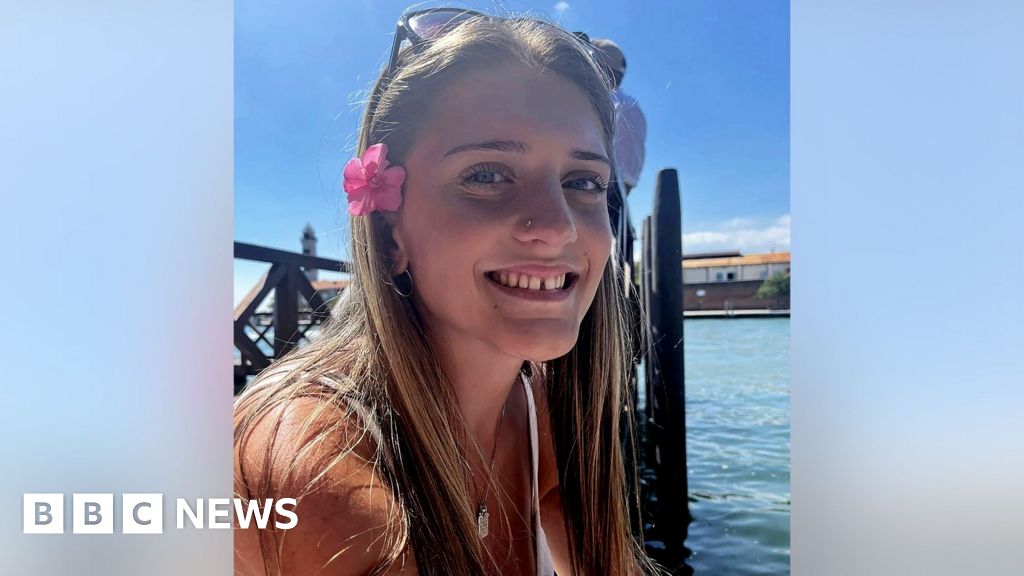
A family in Kent has been left, in their own words, “beyond devastated” after losing a loved one to meningitis, just as health officials confirmed that cases in the Canterbury area have risen from 13 to 15. Pharmacies, especially in Kent, are now seeing a surge in demand for private meningitis jabs, reflecting a community suddenly and painfully aware of how serious this infection can be.
If you’re reading this as a parent, carer, student, or simply someone worried after hearing this story, you’re not alone. Meningitis is frightening because it can progress very quickly—but there are clear, evidence-based ways to reduce your risk and act fast if symptoms appear.
This guide will walk you through what’s happening in Kent, what meningitis is, which vaccines can help, and how to recognise early warning signs so you can seek urgent care without delay. The aim is not to alarm you, but to equip you with calm, practical knowledge.
Rising Meningitis Cases in Kent: What We Know So Far
According to recent updates reported by the BBC and local health officials (up to March 2026), meningitis cases in the Canterbury area of Kent have increased from 13 to 15. While this is still a relatively small number in absolute terms, any rise in meningitis cases is taken extremely seriously because of the infection’s potential to become life-threatening within hours.
Dr Leyla Hannbeck, of the Independent Pharmacies Association, has stated that pharmacies—particularly in Kent—are seeing a “surge in demand” for private meningitis vaccinations. This reflects growing public concern, but it also signals an opportunity: people are actively seeking protection.
“Any unexplained fever with a combination of headache, neck stiffness, rash, or confusion should be treated as a medical emergency. It is always better to be seen and reassured than to wait and miss the crucial early window for treatment.”
— Hypothetical summary based on UK public health guidance
What Is Meningitis and Why Is It So Dangerous?
Meningitis is an inflammation of the protective membranes (meninges) surrounding the brain and spinal cord. It is usually caused by a bacterial or viral infection. Bacterial meningitis is less common but more serious and can be life-threatening or lead to long-term complications such as hearing loss, seizures, or learning difficulties.
- Bacterial meningitis: Medical emergency, needs urgent antibiotics in hospital.
- Viral meningitis: Often milder, sometimes managed at home, but still requires assessment.
- Meningococcal disease: Bacteria that can cause meningitis, septicaemia (blood poisoning), or both.
The danger comes from the speed of progression. Someone may appear only “a bit unwell” in the morning and be critically ill by evening. That’s why public health agencies worldwide repeat the same message: act on symptoms, not on reassurance that “it’s probably just a virus.”

Key Meningitis Symptoms to Watch For (Children, Teens, and Adults)
Symptoms can vary by age and may not all appear at once. Trust your instincts—if someone seems “just not right” and is getting worse quickly, seek help urgently.
Common symptoms in older children, teenagers, and adults:
- Fever, often with cold hands and feet
- Severe headache that feels very different from usual
- Stiff neck or pain when trying to touch chin to chest
- Sensitivity to bright light
- Confusion, drowsiness, or difficulty waking
- Vomiting
- A blotchy rash that doesn’t fade when pressed with a clear glass (late sign)
Possible signs in babies and young children:
- Refusing feeds or vomiting
- High-pitched cry, moaning, or unusual irritability
- Being floppy, listless, or unusually difficult to wake
- Bulging soft spot on the head (fontanelle)
- Cold hands and feet, even with a fever
- Pale or mottled skin; possible rash that doesn’t fade with pressure
“Don’t wait for all the classic symptoms or for a rash to appear. By the time the rash shows in meningococcal disease, the person is often already critically unwell.”
— Paraphrased from UK meningitis charity guidance
Meningitis Vaccines: What’s Available and Who Should Consider Them?
No single vaccine protects against all types of meningitis, but several highly effective vaccines reduce the risk of the most serious bacterial forms. Availability and schedules vary by country; the following is based largely on UK and international guidance as of 2026.
Common meningitis-related vaccines (names may vary by region):
- MenB (Meningococcal B) – Often given to babies and sometimes to older teens or high-risk groups; protects against a major cause of bacterial meningitis in children.
- MenACWY – Typically offered to teenagers and new university students in the UK and some other countries; covers meningococcal groups A, C, W, and Y.
- Hib (Haemophilus influenzae type b) – Part of routine infant immunisation in many countries; has drastically reduced Hib meningitis.
- Pneumococcal vaccines (PCV, PPV) – Protect against Streptococcus pneumoniae, which can cause meningitis, pneumonia, and sepsis.
In the wake of the Kent cases, Dr Leyla Hannbeck has highlighted that pharmacies are seeing more people seeking private jabs, particularly where individuals may have missed earlier vaccinations, be at higher risk, or be preparing for university or travel.

Evidence from WHO, the European Centre for Disease Prevention and Control (ECDC), and national immunisation programmes consistently shows that meningitis vaccination has led to major declines in specific bacterial meningitis strains in countries with high uptake.
Who Should Be Most Alert Right Now? High-Risk Groups and Settings
While anyone can get meningitis, certain groups are at higher risk due to age, health conditions, or living arrangements.
- Babies and young children – Immune systems are still developing.
- Teenagers and young adults – Especially those in shared accommodation (halls, hostels).
- University students – Close contact, shared utensils, parties, and clubs can increase transmission.
- People with weakened immune systems – Including some chronic conditions or certain medications.
- Travellers – Especially to areas with known meningococcal disease outbreaks or the “meningitis belt” in sub-Saharan Africa.

Practical Steps to Protect Your Family from Meningitis
Translating concern into action can be empowering. Here is a step-by-step approach you can start today, whether you live in Kent or elsewhere.
- Check your vaccination history
- Look at your child’s “red book” or immunisation record.
- Ask your GP, practice nurse, or pharmacist which meningitis-related vaccines you or your children have had.
- For teens and students, check MenACWY and, where appropriate, MenB status.
- Book any recommended or missed vaccines
- Contact your GP surgery or local immunisation clinic.
- If not eligible on the national schedule, ask about safe private options via pharmacies or travel clinics.
- Learn the symptoms—and share them
- Print or screenshot a reputable symptom checker (e.g., from NHS, WHO, or a national meningitis charity).
- Share it with older children, teens, roommates, and school groups.
- Plan what you would do in an emergency
- Know your local emergency number and out-of-hours services.
- Keep transport options in mind if you need to reach a hospital quickly.
- Support general infection control
- Encourage regular handwashing and good respiratory hygiene (covering coughs and sneezes).
- Avoid sharing drinks, cutlery, or toothbrushes, especially during outbreaks or in crowded settings.
Common Obstacles: Cost, Access, and Vaccine Hesitancy
For many families, especially in areas like Kent now seeing increased concern, there are practical and emotional barriers to acting on meningitis risk. Recognising these can help you work around them, rather than feel stuck.
1. Cost of private jabs
Not all meningitis vaccines are free for every age group in all countries. In the UK, routine childhood and teenage vaccines are provided via the NHS, but some MenB or additional doses may be private for certain age groups. If price is a concern:
- Ask your GP or pharmacist to clarify what’s free on the NHS versus private.
- Check for any local public health campaigns or targeted free vaccination drives.
2. Confusion about who needs which vaccine
Vaccine schedules can feel complex. It’s completely reasonable not to be sure which vaccines you or your child have had. Bring whatever records you have to a health professional and ask them to map out your status and next steps.
3. Worry about vaccine safety
It’s normal to have questions. Decades of data from millions of doses globally show that licensed meningitis vaccines have a strong safety profile. Side effects, when they occur, are usually mild and short-lived (such as a sore arm or low-grade fever).
Large observational studies and ongoing pharmacovigilance in Europe and worldwide continue to show that the benefits of meningitis vaccination—in preventing death and severe disability—far outweigh the small risks of side effects for the vast majority of people.
A Real-World Contrast: When Awareness Makes the Difference
Stories like the family in Kent are heartbreaking, and they’re exactly why awareness matters. To illustrate the impact of early action, here’s a composite case study based on typical clinical scenarios (with details changed to protect privacy).
Case 1: “We thought it was just freshers’ flu”
A 19-year-old student in their first term at university developed a fever and headache. Friends assumed it was “freshers’ flu”, and the student tried to sleep it off. By the time a rash appeared and emergency services were called, they were critically ill. Despite intensive care, they were left with significant long-term effects.
Case 2: “Something just didn’t feel right”
Another student developed similar symptoms—fever, headache, feeling “off.” Their parent had recently seen a meningitis awareness campaign and urged them to seek urgent assessment. At hospital, bacterial meningitis was diagnosed early; intravenous antibiotics were started within hours. They recovered fully, with follow-up confirming no lasting damage.
These contrasting outcomes are seen again and again in meningitis data: the difference is often not luck, but timing. Awareness doesn’t guarantee a perfect outcome, but it can dramatically tilt the odds in your favour.

Moving Forward: From Shock to Informed Action
The tragedy in Kent is a stark reminder that meningitis is not just a distant headline—it affects real families, in real communities, often without warning. Feeling anxious after hearing such news is human. The key is not to stay frozen in fear, but to take informed, practical steps.
- Make sure your family’s vaccines are up to date, and explore safe private options if needed.
- Learn and share the main symptoms of meningitis and septicaemia.
- Trust your instincts if someone seems very unwell or is deteriorating quickly.
- Use reputable health sources and speak directly with professionals about your specific situation.
You cannot control everything, but you can be prepared. Many survivors and families say that simply knowing what to look for—and feeling permitted to seek urgent help—gave them a sense of agency in a frightening time.
Your next step today:
Before you close this page, take five minutes to:
- Save a trusted meningitis information page (e.g., NHS or WHO) to your phone.
- Check your or your child’s last vaccine dates.
- Share a brief message about meningitis symptoms with a friend, family WhatsApp group, or student chat.
These small actions, multiplied across communities—from Kent and beyond—are what turn devastating headlines into catalysts for better protection and, ultimately, more lives saved.
