
Harry Styles’ ‘Kiss All the Time. Disco, Occasionally.’ Is a Glittery, Restless Post-Pop Comeback
Harry Styles’ New Era: Disco Glow, Introspective Pop
Harry Styles returns with Kiss All the Time. Disco, Occasionally., a glossy, disco-sprinkled follow-up to Harry’s House that leans into late-night pop introspection, high-fashion swagger, and a deeply collaborative studio brain trust. Splitting the difference between dancefloor shimmer and bittersweet confessionals, the album arrives into a pop landscape that’s more fragmented than ever—and still finds room for a big, unabashedly mainstream statement.

Announced with typically wry British understatement and a title that sounds like a lost John Hughes logline, the record seeks to push Styles beyond the cozy domesticity of Harry’s House and further into the realm of fully fledged pop auteur. But does the music live up to the concept—and that intentionally awkward, meme-ready title?
From Harry’s House to the Nightclub: Context and Expectations
Coming off the runaway success of Harry’s House, Styles occupies a rare lane: ex‑boyband star turned festival headliner, Vogue cover fixture, and awards‑season regular. That album’s warm, apartment‑sized pop found him dialing back the arena‑rock theatrics of Fine Line in favor of something more intimate, almost bossa nova in places.
With Kiss All the Time. Disco, Occasionally., he aims to scale those feelings up, refracting them through a mirrorball. If Harry’s House was about staying in, this one’s about finally going out again—only to realize you’ve brought all your neuroses with you to the dancefloor.
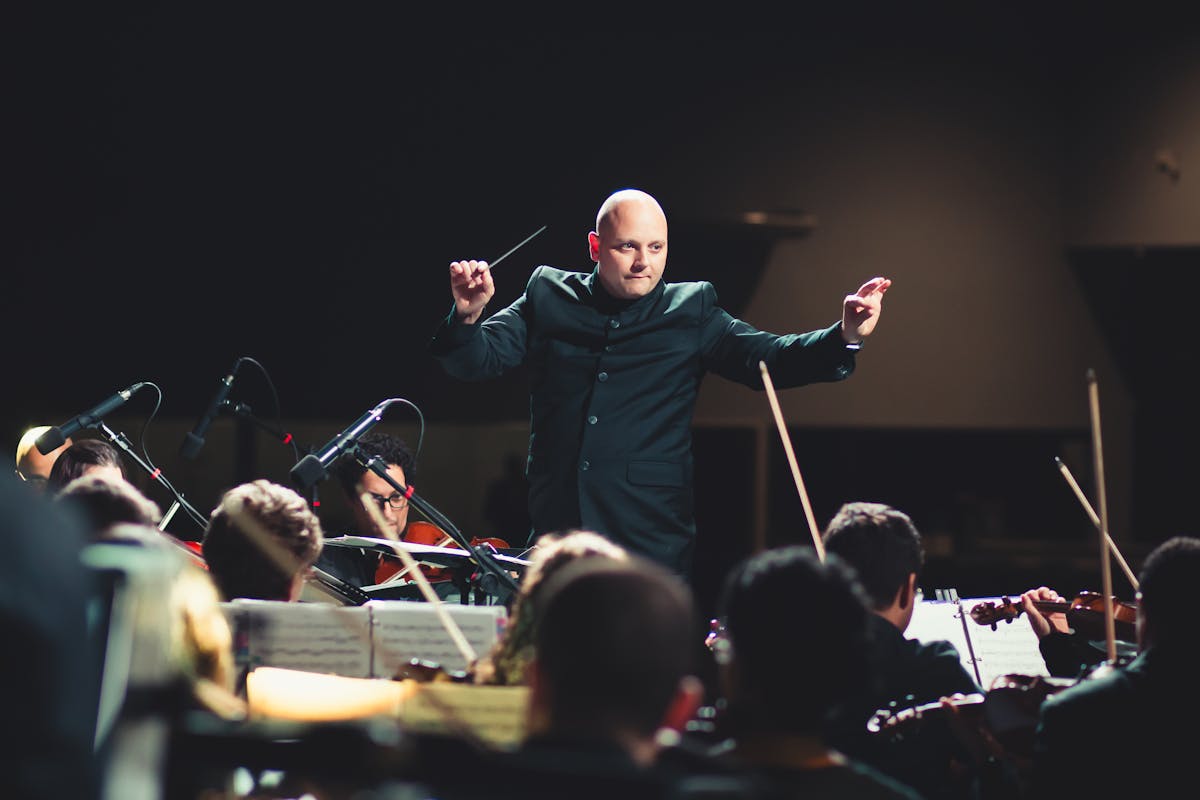
“Kiss All the Time. Disco, Occasionally., the grammatically cumbersome new album from Harry Styles, is out now.”
Even the title nods to the album’s push‑pull: relentless romantic impulse (“Kiss All the Time”) versus the qualified escape of nightlife (“Disco, Occasionally.”). It’s messy, a bit tongue‑in‑cheek, and very Harry Styles.
The Sound: Glitter, Groove, and Late-Night Melancholy
Musically, Kiss All the Time. Disco, Occasionally. feels like a curated tour through pop’s current retro fixations. The backbone is nu‑disco—think rubbery bass lines, handclaps, and strings that sound ripped from a 1979 radio broadcast. But the palette is wider than the title suggests.
- Nu‑Disco Bangers: The most immediate tracks chase the champagne fizz of Dua Lipa’s Future Nostalgia and Jessie Ware’s sleek club pop, but filtered through Styles’ more organic, band‑leaning sensibilities.
- Soft-Rock Sighs: Several mid‑tempo songs lean into ’80s adult contemporary—echoey drums, chorused guitars, and synth pads that wouldn’t sound out of place on a Phil Collins B‑side.
- House-Adjacent Ballads: A few late‑album cuts flirt with house rhythms, using four‑on‑the‑floor kicks at ballad tempo, turning heartbreak into something you can quietly dance through.
The through‑line is mood: late‑night, slightly foggy, caught between euphoria and regret. Where Harry’s House sometimes floated by like background music, this album pushes its rhythm section forward, daring you not to at least nod along.
Behind the Mirrorball: Full Credits and Creative Brain Trust
Styles continues to work with a tight-knit circle of collaborators, many of whom have become synonymous with his solo output. While the official Pitchfork post invites fans to “listen and read the full credits,” the broad strokes of the team speak to how the album sounds.
- Core Producers & Co‑Writers: Styles’ longtime studio partners return, keeping the arrangements band‑centric even when the grooves are club‑leaning.
- Session Players: Live horns, disco‑style string sections, and vintage keys add warmth that distinguishes the album from more laptop-native pop records.
- Engineers & Mixers: Big‑room pop pros shape the final sheen, ensuring these songs hit as hard on streaming playlists as they do in arenas.
Styles has become increasingly vocal about his collaborative process, often stressing that the studio feels like a creative commune rather than a star‑plus‑backups model.
“I like the songs to feel like they’re coming from a room full of people, not just my head,” he’s said in past interviews about his recording process—a philosophy that clearly carries over here.
That collective energy is palpable; even the quieter tracks have the lived‑in feel of musicians reacting to one another in real time.
Highlights, Lows, and the Album’s Emotional Arc
Without spoiling every twist, the album loosely traces a night out—from anticipatory buzz to messy emotional comedown. It’s less a concept album than a vibe map.
- Opening Salvo: The first few songs come out swinging, all crisp hi‑hats and falsetto hooks. They’re engineered to soundtrack TikTok dance clips and festival crowd shots, but they also sneak in more vulnerability than the glossy production suggests.
- Mid‑Album Slow Burn: Things get hazier and more introspective in the middle stretch, where Styles seems more interested in teasing out nuanced feelings than chasing obvious sing‑alongs.
- End‑of‑Night Reflection: The final tracks tilt back toward the tender singer‑songwriter territory that anchored Harry’s House, now colored by everything that’s happened under those disco lights.

Not every experiment lands. A couple of tracks fall into what might be called “playlist pop”—pleasant, polished, and slightly anonymous. When the lyrics lean too heavily on generalized yearning without the specific, odd details that made songs like “Matilda” resonate, the emotional stakes dip.
Cultural Positioning: Queer Disco History, Fashion, and Fan Culture
Reaching for disco in 2020‑something is never just an aesthetic choice. The genre’s roots in Black, Latinx, and queer nightlife give it a political and cultural charge, even when deployed by a major‑label pop star. Styles, whose gender‑fluid fashion and on‑stage persona have long flirted with queer iconography, steps carefully but not always deeply into that history.
Compared to artists like Jessie Ware or Roísín Murphy, who explicitly nod to disco’s subcultural lineage, Styles uses it more as an emotional shorthand for liberation, longing, and self‑invention. It’s effective, if sometimes a bit surface‑level.

In the broader pop ecosystem, this record helps solidify disco‑adjacent sounds as a durable mainstream language, not just a pandemic‑era nostalgia fad. It may not be the most radical take on dance music, but it’s likely to be one of the most visible.
Visuals, Trailers, and How to Listen
As with every Harry Styles era, the visuals are half the story. Expect carefully styled music videos, soft‑focus performance clips, and a tour production that leans into theatrical lighting and couture‑adjacent costuming.

You can stream Kiss All the Time. Disco, Occasionally. on all major platforms, and Pitchfork’s feature, “Harry Styles Releases New Album: Listen and Read the Full Credits”, rounds up the complete personnel list for credit nerds.
For an optimal first listen, this is an album that benefits from decent headphones or speakers—there’s a lot of detail tucked into the background vocals and rhythm tracks.
Verdict: Where Kiss All the Time. Disco, Occasionally. Lands
As a body of work, Kiss All the Time. Disco, Occasionally. feels like a logical, if not wholly surprising, evolution of Harry Styles’ solo arc. It’s more rhythmically confident than Harry’s House, more emotionally grounded than parts of Fine Line, and fully committed to a specific nocturnal atmosphere.
- Strengths: Cohesive mood, lush production, strong opening run of tracks, and a clear sense of personality even within familiar pop frameworks.
- Weaknesses: A couple of interchangeable mid‑tempo songs, lyrical vagueness in places, and a sometimes cautious approach to the deeper cultural resonances of disco.
As the streaming era keeps splintering pop into micro‑scenes and niche fandoms, Styles is still chasing the old‑school idea of the capital‑A Album: a unified statement with a clear aesthetic, meant to be lived with rather than shuffled away. Kiss All the Time. Disco, Occasionally. doesn’t reinvent him, but it does sharpen the silhouette—and makes a persuasive case that Harry Styles’ best work might still be spinning somewhere just past last call.
