
Gut Health 3.0: Microbiome-Friendly Cooking with Fermented Foods and Polyphenol-Rich Recipes
Gut Health 3.0: Fermented Foods, Polyphenols & Microbiome‑Friendly Cooking
Gut health 3.0 is all about cooking with real, vibrant food: fermented staples, a rainbow of plants, and polyphenol‑rich ingredients that nourish your microbiome while still feeling deeply satisfying at the table. In this guide, we’ll explore how to turn the latest gut‑health science into everyday recipes, including a microbiome‑friendly grain bowl packed with fermented foods, resistant starch, and colorful vegetables.
Over the last few years, the conversation has shifted from “take a probiotic pill” to “build a diverse, well‑fed microbiome with your fork.” Food creators, clinicians, and home cooks are leaning into fermented foods, plant diversity, and polyphenol‑rich ingredients as a foundation for long‑term wellness, better digestion, stable energy, and even mood support.

Why Gut Health 3.0 Is Everywhere Right Now
Scroll through YouTube, TikTok, or your favorite podcasts and you’ll see it: “30 plants a week,” “fermented foods beat most probiotics,” “gut‑brain meals.” Gut health sits at the crossroads of immunity, mood, skin, metabolism, and weight management, which keeps curiosity (and content) flowing.
- Multiple benefits: A resilient microbiome is being linked with everything from fewer colds to better blood sugar control and even more stable moods.
- Real‑world evidence: Large cohort studies and intervention trials increasingly highlight fermented foods and plant diversity as powerful levers for gut health.
- Pushback against ultra‑processed foods: “Feed your gut, not just your cravings” has become a memorable, motivating mantra.
Instead of hunting for a single miracle super‑food, gut health 3.0 is about a pattern: lots of plants, regular fermented foods, polyphenol‑rich ingredients, and fewer ultra‑processed products.
Core Elements of a Microbiome‑Friendly Diet
Think of your gut microbes as tiny, hungry kitchen guests. What you cook and eat decides which ones thrive. Here are the big pillars you’ll see repeated across modern gut‑health content:
1. Fermented Super‑Foods
Fermented foods bring live cultures and complex, tangy flavors to your plate. Popular microbiome‑friendly choices include:
- Kimchi and sauerkraut (crunchy, salty‑sour, perfect with bowls and eggs)
- Kefir and live‑culture yogurt (creamy, drinkable or spoonable, slightly tart)
- Miso and tempeh (deeply savory, umami‑rich, beloved in many Asian cuisines)
- Kombucha (lightly fizzy, tangy‑sweet, a natural soda swap)
2. The 30+ Plants Per Week Challenge
Instead of obsessing over macros, many gut‑focused creators now cheer on a simple target: 30 different plant foods per week. That count includes:
- Fruits and vegetables
- Whole grains (oats, barley, brown rice, quinoa)
- Legumes (beans, lentils, chickpeas, peas)
- Nuts and seeds
- Herbs and spices (yes, each one counts!)
3. Polyphenol‑Rich “Rainbow” Foods
Polyphenols are plant compounds that often act as prebiotics—food for your good microbes. You’ll find them in:
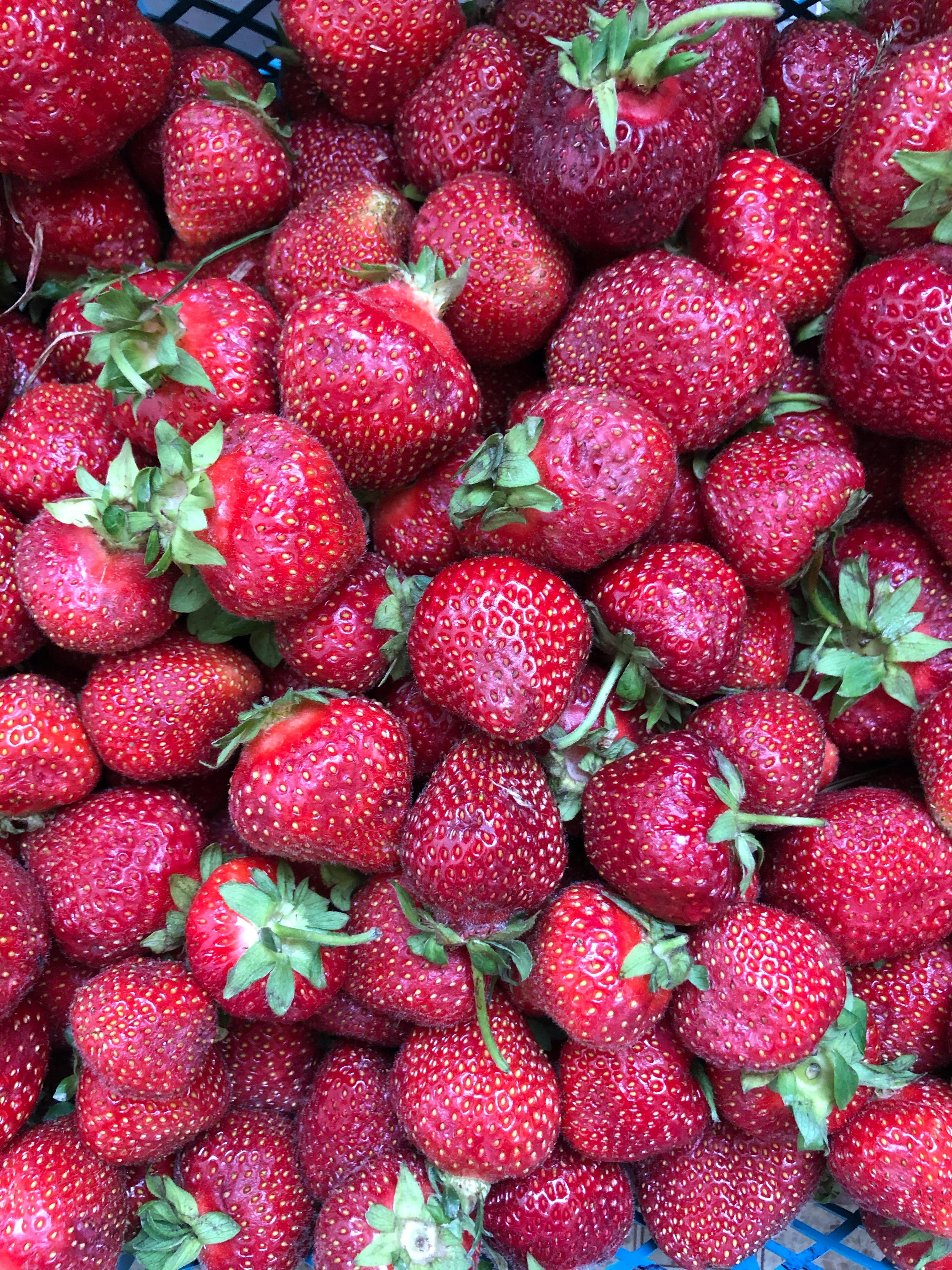
- Berries, cherries, and red grapes
- Extra‑virgin olive oil
- Dark chocolate (70%+), cocoa, and coffee
- Green tea and herbal teas
- Herbs and spices like oregano, rosemary, turmeric, and cinnamon
4. Resistant Starch & Prebiotic Fibers
Resistant starch and prebiotic fibers travel mostly undigested to your colon, where microbes ferment them into beneficial short‑chain fatty acids.
- Cooled potatoes and rice (think potato salad or sushi rice made ahead)
- Oats and barley
- Green bananas and plantains
- Beans, lentils, and chickpeas
- Alliums: onions, garlic, leeks, spring onions
5. A Balanced View on FODMAPs and Bloating
Low‑FODMAP diets can help people with IBS, but they’re meant as short‑term tools, not lifelong bans. The gut‑health 3.0 message emphasizes:
- Identifying true triggers with professional support when possible
- Gently reintroducing a variety of fibers over time
- Building tolerance instead of staying restricted forever
Turning Science into Dinner: A Cook’s Perspective
In many traditional food cultures, gut‑friendly eating was simply called “dinner.” Think of Korean tables lined with kimchi and jangajji, Japanese miso soups and tsukemono, or Eastern European meals with rye bread and sauerkraut. These weren’t trends—they were delicious, practical ways to preserve food and add flavor.
When you cook this way at home, your kitchen fills with the warm aroma of toasted grains, the gentle tang of fermented vegetables, and the bright scent of fresh herbs. Each bite has contrast: creamy and crunchy, sour and sweet, cool and warm. Your microbes get variety, and so do your senses.

Recipe: Microbiome‑Friendly Fermented Grain Bowl
Prep time: 20 minutes (plus chilling grains)
Cook time: 30 minutes
Total time: ~50 minutes (excluding optional grain chilling time)
Servings: 2 generous bowls
Difficulty: Easy, weeknight‑friendly
Diet: Vegetarian · Easily adaptable to vegan and gluten‑free
This bowl is a love letter to your microbiome: cooled whole grains for resistant starch, beans for prebiotic fiber, a riot of vegetables and herbs for plant diversity, polyphenol‑rich toppings, and a generous scoop of fermented vegetables for live cultures. The result is a satisfying, tangy‑savory bowl with creamy dressing, crisp edges of roasted sweet potato, crunchy seeds, and cool, juicy pops of pomegranate or berries.

Ingredients for the Fermented Grain Bowl
For the Base
- 1/2 cup (about 100 g) dry brown rice or barley, rinsed
- 1 cup (240 ml) water, plus more as needed
- 1/2 cup (about 90 g) cooked chickpeas (rinsed and drained if canned)
- 1 small sweet potato, cubed (about 1 cup / 130 g)
- 1 tablespoon extra‑virgin olive oil
- 1/2 teaspoon ground cumin
- 1/4 teaspoon smoked paprika (optional, for a gentle smokiness)
- Salt and freshly ground black pepper, to taste
For the Fresh Layers
- 1 cup mixed leafy greens (baby spinach, arugula, or salad mix)
- 1/2 cup chopped colorful vegetables (e.g., red cabbage, bell pepper, cucumber, carrots)
- 1/3 cup kimchi or sauerkraut (look for “live cultures” on the label)
- 2 tablespoons toasted nuts or seeds (pumpkin seeds, walnuts, or sunflower seeds)
- 2 tablespoons pomegranate arils or berries (fresh or frozen, thawed)
- 2 tablespoons chopped fresh herbs (parsley, coriander/cilantro, chives, or a mix)
For the Yogurt–Tahini Dressing
- 1/3 cup (80 ml) plain live‑culture yogurt (dairy or plant‑based)
- 1 tablespoon tahini
- 1 teaspoon extra‑virgin olive oil
- 1 teaspoon lemon juice or apple cider vinegar
- 1 teaspoon honey or maple syrup (optional, for balance)
- 1 small garlic clove, finely grated or crushed (optional)
- Water to thin the dressing, as needed
Equipment You’ll Need
- Small to medium saucepan with lid (for grains)
- Baking tray lined with parchment (for roasting)
- Mixing bowl (for tossing vegetables and chickpeas)
- Small bowl or jar (for the dressing)
- Sharp knife and cutting board
- Measuring cups and spoons
- 2 wide, shallow bowl‑style plates for serving
Step‑by‑Step Instructions
Take your time and enjoy the process—the aromas of roasting sweet potato and toasting spices are half the pleasure.
- Cook and cool the grains for resistant starch.
Rinse the brown rice or barley under cool running water until it runs mostly clear.
Add to a saucepan with 1 cup (240 ml) water and a pinch of salt. Bring to a boil over medium‑high heat, then reduce to a gentle simmer, cover, and cook until tender: about 25–30 minutes for brown rice or barley.
Fluff with a fork, then spread the grains out on a plate or shallow tray so they cool quickly. Let them come to room temperature, then refrigerate for at least 1 hour (or overnight) to build up resistant starch. - Roast the sweet potato and chickpeas.
Preheat your oven to 200 °C (400 °F).
In a mixing bowl, toss the sweet potato cubes and chickpeas with olive oil, cumin, smoked paprika (if using), salt, and pepper until evenly coated.
Spread them out on a lined baking tray in a single layer. Roast for 20–25 minutes, stirring once halfway, until the sweet potato is caramelized at the edges and the chickpeas are turning golden and slightly crisp. - Prep the fresh vegetables and herbs.
While the grains chill and the tray roasts, wash and dry your leafy greens.
Chop your choice of colorful vegetables into bite‑sized pieces—thinly shred red cabbage, dice bell peppers, or slice cucumber and carrots into matchsticks for crunch.
Finely chop the fresh herbs. - Mix the yogurt–tahini dressing.
In a small bowl or jar, whisk together yogurt, tahini, olive oil, lemon juice or apple cider vinegar, and honey or maple syrup (if using).
Add grated or crushed garlic if you like a bold, savory note.
Thin with a splash of water, a teaspoon at a time, until it’s creamy but pourable. Taste and season with a pinch of salt and pepper. - Assemble your microbiome‑friendly bowls.
Divide the cooled grains between two bowls, forming a cozy base.
Arrange the roasted sweet potato and chickpeas on top, then tuck in small mounds of leafy greens and chopped veggies around the bowl.
Add a generous spoonful of kimchi or sauerkraut to each bowl, keeping it away from the hottest ingredients so the cultures stay happy.
Scatter over toasted nuts or seeds, pomegranate arils or berries, and chopped fresh herbs. - Dress, taste, and adjust.
Drizzle each bowl with the yogurt–tahini dressing. Take a small bite and adjust: add a squeeze more lemon for brightness, a pinch of salt, or a drizzle of olive oil for richness if needed.
Serve right away, while the roasted elements are still warm and the greens and ferments are fresh and cool.
Variations, Substitutions & Dietary Adaptations
This bowl is built to be flexible. Swap based on what’s in your pantry, what’s in season, and what your body feels best with.
For Different Diets
- Vegan: Use a thick plant‑based yogurt (coconut, soy, or almond) and maple syrup instead of honey. Check that your kimchi is made without fish sauce or shrimp.
- Gluten‑free: Choose brown rice, quinoa, or buckwheat instead of barley. Ensure fermented products and tahini are certified gluten‑free if needed.
- Lower FODMAP (short‑term): Use smaller portions of chickpeas and choose sauerkraut over kimchi. Skip raw onions and garlic; flavor the dressing with garlic‑infused oil instead.
Flavor & Seasonal Swaps
- Grain swap: Try farro, wild rice, or a mix of quinoa and lentils for different textures and plant “points.”
- Protein boost: Add baked tempeh, grilled salmon, or a soft‑boiled egg on top for extra protein and satiety.
- Summer version: Roast zucchini and cherry tomatoes instead of sweet potato; use fresh berries and lots of basil.
- Winter version: Use roasted carrots, parsnips, and Brussels sprouts; add a sprinkle of toasted walnuts and a grating of dark chocolate for a polyphenol punch.
Storage, Meal Prep & Reheating
This recipe is ideal for meal prep, and it actually gets more microbiome‑friendly as the cooked grains rest and cool.
Storage
- Cooked grains: Store in an airtight container in the fridge for up to 4 days. The resistant starch remains even if you gently reheat.
- Roasted sweet potato & chickpeas: Keep together in the fridge for up to 3–4 days.
- Dressing: Refrigerate in a sealed jar for up to 5 days. Thin with a splash of water or lemon if it thickens.
- Fresh greens & herbs: Store separately and add just before serving to keep them crisp.
- Fermented vegetables: Keep in their original jar in the fridge, tightly sealed.
Reheating & Serving
- Gently reheat grains and roasted vegetables in a skillet over low to medium heat with a splash of water or broth, or in the microwave until just warm.
- Important: Add fermented vegetables and yogurt dressing after reheating so their cultures aren’t exposed to high heat.
- For a cold “salad‑style” bowl, skip reheating entirely and enjoy everything straight from the fridge with extra lemon and herbs.
Serving Suggestions & Complementary Gut‑Healthy Dishes
Turn this grain bowl into the star of a full “gut‑brain” menu by pairing it with a few simple sides and sips:
- Drink: A small glass of unsweetened kombucha or a cup of green tea for extra polyphenols.
- Side: A small bowl of miso soup with tofu and wakame for another fermented element.
- Snack or dessert: A square or two of high‑cocoa dark chocolate with a handful of berries and walnuts.
- Breakfast idea: Use leftover grains and toppings over live‑culture yogurt with cinnamon and seeds for a savory‑meets‑sweet morning bowl.

Bringing Gut Health 3.0 into Your Everyday Cooking
The most powerful gut‑healthy changes rarely come from supplements—they come from the quiet routines you repeat in your kitchen: a jar of kimchi next to the mustard, a bowl of cooled grains ready in the fridge, a habit of tossing herbs and seeds over almost everything.
With recipes like this fermented grain bowl, you’re not just following a trend; you’re building a long‑term pattern that supports your microbiome, your energy, your mood, and your enjoyment of food. Start where you are—maybe by adding just one fermented food or two new plants this week—and let your pantry (and your gut) slowly evolve.
