
Gut Health 3.0: How Fermented Foods & Polyphenol-Rich Bowls Transform Your Microbiome and Your Skin
Gut health has evolved from basic probiotic advice to a richer food-first approach focused on fermented foods, diverse plant fibers, and colorful polyphenol-rich ingredients that support digestion, mood, weight, and glowing skin. This guide dives into this “Gut Health 3.0” moment—and then puts it straight on your plate with a vibrant, craveable Fermented Rainbow Grain Bowl recipe that’s friendly for beginners and nutrition nerds alike.
Think of this bowl as a delicious little microbiome party: tangy kimchi or sauerkraut, creamy kefir-yogurt drizzle, chewy whole grains, crunchy seeds, and sweet bursts of berries or pomegranate. Every component brings its own fibers, live cultures, and plant compounds to feed a diverse gut garden—without feeling like you’re “eating for health” instead of eating for joy.
Prep time: 20 minutes
Cook time: 20 minutes (for grains)
Total time: 40 minutes
Servings: 2 bowls
Difficulty: Easy
Dietary: High-fiber, gut-friendly, easily made vegetarian or gluten-free
Why This Fermented Rainbow Grain Bowl Loves Your Gut (and Skin)
This recipe weaves together the core ideas of today’s gut health movement:
- Fermented foods: Kimchi or sauerkraut plus a kefir-yogurt drizzle bring live cultures that can support microbial diversity.
- Diverse plant fibers: Whole grains, beans, crunchy veggies, herbs, nuts, and seeds all offer different prebiotic fibers that feed beneficial bacteria.
- Polyphenol power: Berries, extra-virgin olive oil, and colorful vegetables provide polyphenols that your microbes transform into helpful compounds.
- Skin–gut connection: Antioxidants, omega-3-rich seeds, and balanced blood sugar support calmer skin and steadier energy.
Ingredients & Equipment

Core Ingredients (for 2 bowls)
- 1 cup cooked whole grains (e.g., quinoa, brown rice, farro, or buckwheat)
- 1/2 cup cooked beans or lentils (e.g., chickpeas, black beans, green lentils), rinsed and drained if canned
- 1/2 to 3/4 cup kimchi or sauerkraut (unpasteurized if possible, for live cultures)
- 1 cup mixed crunchy vegetables, thinly sliced (e.g., red cabbage, carrots, cucumber, radishes, bell pepper)
- 1 small ripe avocado, sliced or cubed
- 1/2 cup fresh berries or pomegranate arils for polyphenol-rich sweetness
- 2 tablespoons toasted seeds (e.g., pumpkin seeds, sunflower seeds) or chopped nuts (e.g., walnuts, almonds)
- 2 tablespoons fresh herbs, chopped (e.g., cilantro, parsley, mint)
- 1–2 tablespoons extra-virgin olive oil
- Juice of 1/2 lemon or lime
- Sea salt and freshly ground black pepper, to taste
Kefir-Yogurt Gut-Glow Drizzle
- 1/3 cup plain kefir or drinkable yogurt (unsweetened)
- 1/3 cup plain thick yogurt (Greek or skyr; dairy-free alternative if needed)
- 1 teaspoon extra-virgin olive oil
- 1 teaspoon mild miso paste (optional, for extra umami and fermentation)
- 1 small garlic clove, grated or 1/4 teaspoon garlic powder (omit if you are sensitive to FODMAPs)
- 1 teaspoon honey or maple syrup (optional, to balance tang)
- Pinch of sea salt and freshly ground black pepper
Optional Gut-Boost Extras
- 1 tablespoon ground flaxseed or chia seeds (extra omega-3s and fiber)
- Handful of leafy greens (e.g., baby spinach, arugula, or kale, lightly massaged with lemon and olive oil)
- Sprinkle of spices like turmeric, smoked paprika, or cumin for added polyphenols
- A few spoonfuls of plain probiotic yogurt on the side for more creaminess
Equipment Needed
- Medium saucepan or rice cooker (for cooking grains)
- Cutting board and sharp knife
- Small mixing bowl and whisk (for kefir-yogurt drizzle)
- 2 wide shallow bowls for serving
- Measuring cups and spoons
Step-by-Step: Building Your Fermented Rainbow Grain Bowl
- Cook the grains.
If not already cooked, rinse 1/2 cup dry grains under cool water. Cook according to package directions (for quinoa, use about 1 cup water to 1/2 cup quinoa, simmer 12–15 minutes). Fluff with a fork and let cool slightly—warm is fine, but you don’t want it so hot that it harms the live cultures in your fermented toppings.
- Prep the vegetables and herbs.
Thinly slice or shred your crunchy vegetables so they’re easy to eat in a bowl—think ribbons of carrot, matchsticks of cucumber, or finely sliced red cabbage. Chop fresh herbs. Slice the avocado just before serving to keep it vibrant.

Finely slicing the vegetables adds crunch but keeps every bite gentle on digestion. - Toast the seeds or nuts.
In a dry skillet over medium heat, toast seeds or nuts for 2–3 minutes, stirring frequently, until fragrant and lightly golden. This quick step deepens flavor and adds a toasty aroma that makes the whole bowl taste restaurant-level.
- Whisk the kefir-yogurt gut-glow drizzle.
In a small bowl, whisk together kefir, yogurt, olive oil, miso (if using), garlic, and sweetener (if using). Season with a pinch of salt and black pepper. Taste: you’re looking for a balance of tangy, creamy, and lightly savory. Adjust acidity with a few drops of lemon juice if you like.
The kefir-yogurt drizzle adds live cultures and a luxurious creaminess without heaviness. - Season the grains and beans.
In a mixing bowl, combine the warm grains and beans. Drizzle with 1–2 tablespoons extra-virgin olive oil and squeeze in the lemon or lime juice. Add a pinch of salt and pepper, then toss. The grains should taste delicious on their own before you begin assembly.
- Assemble the bowls.
Divide the seasoned grain-and-bean mixture between two wide bowls. Arrange piles of kimchi or sauerkraut, crunchy vegetables, avocado, leafy greens (if using), and berries or pomegranate around the bowl, leaving the center open for the drizzle. Sprinkle toasted seeds or nuts and chopped herbs over the top.
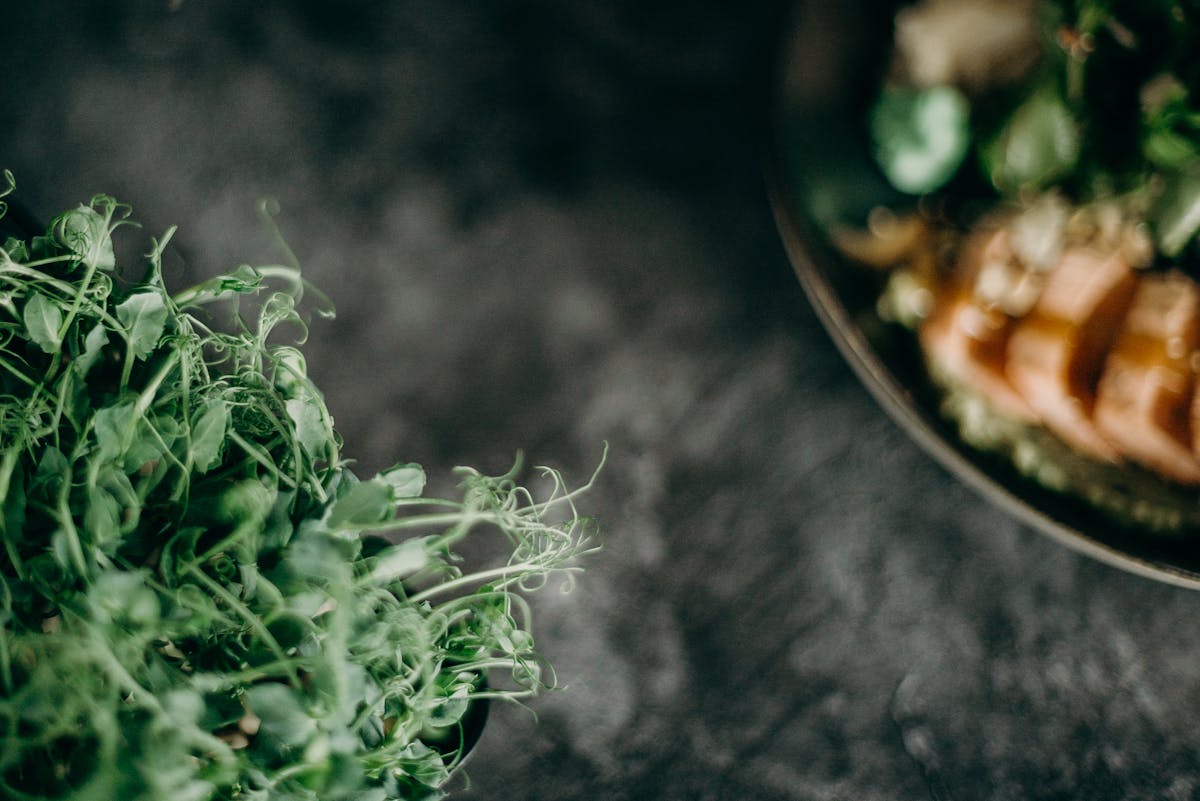
Build your bowl in colorful sections—each color represents different plant compounds for your microbiome. - Finish with drizzle and spices.
Spoon the kefir-yogurt drizzle generously over the center of each bowl, letting it cascade into the toppings. Add a pinch of your chosen spices (turmeric, cumin, or smoked paprika) and a final grind of black pepper. Taste a bite with a bit of everything and adjust seasoning with more lemon, salt, or olive oil if desired.
- Serve and enjoy mindfully.
Eat slowly, noticing the tang from the fermented vegetables, the creaminess of the dressing, and the satisfying chew of the grains. Slowing down supports digestion as much as the ingredients themselves.
Gut Health 3.0 Tips, Variations & Dietary Swaps
Make It Work for Your Gut & Your Life
- Start low and slow: If you’re new to high-fiber or fermented foods, use smaller portions (1–2 tablespoons of kimchi, 1/4 cup beans) and build up over a couple of weeks.
- Rotate your plants: Try new vegetables, herbs, and grains each time to work toward the “30 different plants per week” challenge that’s popular in microbiome research.
- Support the skin–gut axis: Add omega-3-rich toppings like ground flaxseed, chia, or a sprinkle of chopped walnuts to nourish both your gut lining and your skin.
Dietary Adaptations
- Vegetarian & Vegan: The bowl is already vegetarian. For a vegan version, use plant-based yogurt and kefir alternatives (such as coconut or soy), and swap honey for maple syrup.
- Gluten-free: Choose grains like quinoa, brown rice, millet, or buckwheat and check labels on kimchi, miso, and sauces to avoid hidden gluten.
- Lower FODMAP (for IBS): Use smaller servings of beans (or omit), choose lactose-free yogurt/kefir, skip garlic and onion-heavy kimchi, and favor low-FODMAP veggies like carrots, cucumber, and small amounts of red cabbage.
- Dairy-free: Use unsweetened almond, coconut, or soy yogurt and kefir-style drinks, and season the drizzle well so it stays vibrant and tangy.
Serving Suggestions & Pairing Ideas

This bowl is satisfying on its own, but a few simple additions can turn it into a ritual that truly supports your gut, mood, and skin:
- Pair with a warm drink: A cup of green tea or roasted barley tea adds extra polyphenols and a soothing, slightly toasty note.
- Add a simple soup: A miso broth with seaweed and tofu layers in more fermented flavor and gentle warmth that’s calming on digestion.
- Lunch meal prep: Pack the grains, veggies, and beans in one container and keep the fermented veg and drizzle separate to add just before eating.
- Light dinner idea: Skip the beans if you’re sensitive at night and lean into extra veggies and avocado for an easier-to-digest evening bowl.
Storage, Meal Prep & Reheating
This recipe is excellent for gentle, gut-friendly meal prep when stored with a few simple strategies in mind:
Storage Guidelines
- Cooked grains and beans: Store in an airtight container in the refrigerator for up to 4 days.
- Chopped vegetables: Keep in separate containers lined with a paper towel to absorb moisture; they usually stay crisp for 3–4 days.
- Fermented vegetables: Keep in their brine in the original jar; use a clean utensil each time and store in the fridge, following the “best by” date.
- Kefir-yogurt drizzle: Store in a jar in the fridge for up to 3 days. Stir before using, as it may thicken slightly.
- Assembled bowls: For best texture, assemble just before serving. If you must assemble ahead, leave out the avocado and drizzle until right before eating.
Reheating Tips
- Warm the base, keep ferments cool: Gently reheat grains and beans in a skillet with a splash of water or broth until just warm, then add kimchi or sauerkraut and drizzle after reheating to preserve more live cultures.
- Microwave option: Warm only the grain-and-bean portion in short bursts, stirring in between. Add fresh vegetables, ferments, and dressing once warm.
Bringing Gut Health 3.0 Into Your Everyday Kitchen
This fermented rainbow grain bowl is just one delicious example of how the newest gut health science—fermented foods, diverse fibers, and colorful polyphenols—can show up on a regular weeknight plate. You don’t need perfection or pricey supplements; you just need a bit of curiosity, a few jars of tangy ferments, and a willingness to pile your bowl high with plants.
Start with this recipe, then make it your own: swap grains, rotate vegetables, try different ferments, and notice how your body responds. Over time, these small, tasty choices can help build a more resilient microbiome—and that can ripple out to steadier digestion, brighter skin, and a more energized you.
