
Gut Health 2.0: Flavor‑Packed Microbiome Meals with Fermented Foods & Prebiotic Fiber
Gut Health 2.0 in Your Kitchen
Gut health has shifted from a fuzzy wellness buzzword to a delicious, practical way to cook and eat. Today’s “Gut Health 2.0” moment is all about everyday recipes built on fermented foods, prebiotic fiber, and colorful plants that keep your microbiome happy—supporting digestion, immunity, mood, and even weight management.
Instead of chasing one magic probiotic, home cooks are embracing bowls, salads, and snacks that quietly pack in 30 different plants a week, live cultures from yogurt, kefir, kimchi, and sauerkraut, plus fiber from beans, oats, garlic, onions, and whole grains. In this guide, you’ll learn the basics of Gut Health 2.0 and get a vibrant, meal‑prep‑friendly Fermented Rainbow Grain Bowl recipe that tastes like comfort food and eats like a microbiome makeover.

What Is “Gut Health 2.0”?
Across TikTok, YouTube, and Instagram, creators are sharing what I eat in a day for my gut
—and it’s surprisingly down‑to‑earth:
- Big bowls of vegetables, fruits, beans, and whole grains
- Spoonfuls of kimchi, sauerkraut, miso, and yogurt
- Hearty porridges and salads rich in prebiotic fiber
- Snacks built around nuts, seeds, and berries
This new wave goes beyond probiotics in a pill. It highlights how a diverse, plant‑forward diet can feed a diverse microbiome, which is linked in research to better digestion, metabolic health, and lower chronic disease risk. You’ll also see frequent nods to:
- The gut–brain axis and mood
- Anti‑inflammatory, minimally processed eating patterns
- Nuanced, expert‑guided approaches to issues like IBS or reflux
Amid the buzz, one thing is refreshingly clear: recipes that pack in fiber, plants, and fermented foods are a delicious, evidence‑aligned way to care for your gut.
Fermented Rainbow Grain Bowl for Gut Health (Vegetarian, High-Fiber)
Prep Time:
Cook Time:
Total Time:
Servings: 4 bowls
Difficulty: Easy–Intermediate
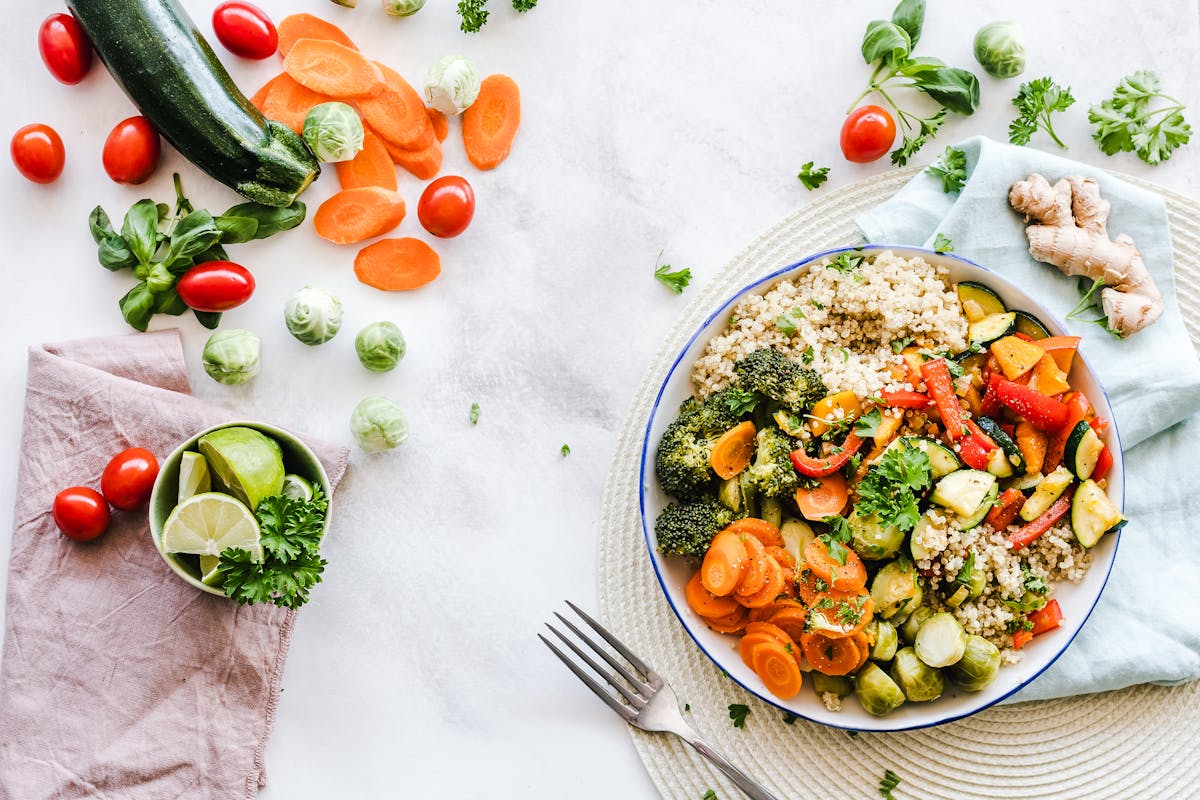
This bowl layers warm, nutty whole grains with creamy beans, crunchy raw and roasted vegetables, and a bright tangle of fermented cabbage. A silky, garlicky yogurt‑tahini dressing brings everything together with a tang that gently echoes the fermentation. It’s a complete microbiome‑friendly meal: prebiotic fiber, probiotics, and polyphenols in one colorful, satisfying bowl.

Equipment You’ll Need
- Medium saucepan with lid (for cooking grains)
- Baking sheet (for roasting vegetables)
- Mixing bowl (for dressing)
- Cutting board and sharp knife
- Measuring cups and spoons
- 4 serving bowls (wide, shallow bowls work best)
Ingredients: Built for Gut Health
For the Grain Base
- 1 cup (180 g) cooked whole grains such as quinoa, barley, or brown rice (about 1/2 cup / 100 g dry)
- 1 1/4 cups (300 ml) water or low‑sodium vegetable broth
- 1/4 tsp fine sea salt
For the Roasted Vegetables
- 1 medium sweet potato, scrubbed and cut into 1.5 cm cubes
- 1 small broccoli crown, cut into bite‑size florets
- 1 tbsp extra‑virgin olive oil
- 1/2 tsp ground smoked paprika or regular paprika
- 1/4 tsp ground turmeric (optional, for anti‑inflammatory color and flavor)
- Salt and freshly ground black pepper to taste
For the Fresh & Fermented Toppings
- 1 cup (170 g) cooked beans such as chickpeas, lentils, or black beans, rinsed and drained
- 1 small carrot, peeled and grated or sliced into ribbons
- 1/2 small red onion or 2 spring onions, thinly sliced
- 1/2 medium cucumber, diced or thinly sliced
- 1 small avocado, sliced (optional but wonderfully creamy)
- 3/4–1 cup (about 100–120 g) fermented vegetables such as kimchi or sauerkraut, with live cultures
- 2 tbsp mixed seeds (e.g., pumpkin, sunflower, sesame, or flax)
- Fresh herbs: a small handful of parsley, cilantro, or dill, chopped
For the Gut‑Friendly Yogurt–Tahini Dressing
- 1/2 cup (120 g) plain unsweetened yogurt (Greek or regular; use coconut yogurt for vegan)
- 2 tbsp tahini (sesame seed paste)
- 1 tbsp extra‑virgin olive oil
- 2 tbsp freshly squeezed lemon juice or apple cider vinegar
- 1 small garlic clove, finely grated or minced (for prebiotic punch; reduce if sensitive)
- 1–2 tsp honey or maple syrup, to taste (optional)
- 2–4 tbsp cold water, to thin to a pourable consistency
- Salt and pepper to taste
Step‑by‑Step Cooking Instructions
1. Cook the Whole Grains
- Rinse your chosen grain under cool running water until the water runs mostly clear. This removes excess starch and any dust, giving you fluffier grains.
- In a medium saucepan, combine the rinsed grain, water or broth, and salt. Bring to a boil over medium‑high heat.
- Once boiling, reduce the heat to low, cover with a lid, and simmer until tender:
- Quinoa: about 15 minutes
- Brown rice or barley: 25–30 minutes
- Turn off the heat and let sit, covered, for 5–10 minutes. Fluff with a fork just before serving.
2. Roast the Vegetables
- Preheat your oven to 200 °C / 400 °F. Line a baking sheet with parchment for easier cleanup.
- Spread the sweet potato cubes and broccoli florets on the baking sheet. Drizzle with olive oil, sprinkle with paprika, turmeric (if using), salt, and pepper. Toss to coat evenly.
- Roast for 18–25 minutes, stirring once halfway through, until the sweet potato is caramelized at the edges and the broccoli is lightly charred and tender.

3. Prep the Fresh & Fermented Toppings
- While the vegetables roast, rinse and drain your beans thoroughly.
- Grate or ribbon the carrot, slice the onion or spring onions, and chop the cucumber.
- Slice the avocado just before serving to keep it from browning.
- Gently loosen the kimchi or sauerkraut with a fork. If it tastes very salty, you can briefly drain it, but avoid rinsing—those tangy juices hold beneficial microbes and flavor.
- Chop your fresh herbs and set all toppings aside in small bowls for easy assembly.
4. Make the Yogurt–Tahini Dressing
- In a mixing bowl, whisk together the yogurt, tahini, olive oil, lemon juice or apple cider vinegar, garlic, and honey or maple syrup (if using).
- Add water a tablespoon at a time until the dressing is pourable but still creamy. Aim for the consistency of heavy cream.
- Season with salt and pepper to taste. The flavor should be tangy, nutty, and garlicky, with a gentle sweetness if you added honey or maple.

5. Assemble Your Gut‑Friendly Grain Bowls
- Divide the warm cooked grains evenly among 4 bowls.
- Top each with a generous spoonful of beans, a scoop of roasted sweet potato and broccoli, and piles of fresh carrot and cucumber.
- Add a small handful of fermented vegetables to each bowl, keeping them away from very hot ingredients to protect the live cultures.
- Fan avocado slices on top (if using), then sprinkle with mixed seeds and chopped herbs.
- Drizzle each bowl with the yogurt–tahini dressing just before serving, or serve it on the side.

Variations, Swaps & Dietary Adaptations
Make It Vegan or Dairy‑Free
- Use unsweetened coconut or almond yogurt in place of dairy yogurt.
- Skip the honey and use maple syrup or dates if you’d like a hint of sweetness.
Make It Gluten‑Free
- Choose naturally gluten‑free grains like quinoa, brown rice, or buckwheat.
- Ensure your kimchi, sauerkraut, and miso (if you add it) are certified gluten‑free.
Low‑FODMAP or Sensitive Gut Adjustments
- Reduce or omit garlic and onion in the dressing and toppings; use garlic‑infused oil for flavor.
- Start with smaller portions of beans and fermented foods, increasing slowly as tolerated.
- Swap sweet potato for lower‑FODMAP options like pumpkin or carrots if needed.
More Fermented Ideas
- Add a spoonful of miso to the dressing (whisk it in after cooling, and don’t boil it, to protect microbes).
- Serve alongside a small glass of kefir or a splash of kombucha for a fermented drink pairing.
- Top with fermented pickles or a drizzle of the brine for extra tang.
Storage, Meal Prep & Reheating
This recipe is made for meal prep. A little planning gives you gut‑friendly lunches or dinners ready to grab.
- Grains & Roasted Vegetables: Store together or separately in airtight containers in the fridge for up to 4 days.
- Beans & Fresh Veg: Store in separate containers to keep textures crisp, up to 3–4 days.
- Fermented Vegetables: Keep in their original jar or a well‑sealed container in the fridge. They stay good for weeks; always use a clean utensil.
- Dressing: Store in a jar in the fridge for up to 5 days. It may thicken; thin with a splash of water and whisk before serving.
Reheating: Warm grains and roasted vegetables gently on the stovetop with a splash of water, or in the microwave until just hot. Add fresh vegetables, fermented vegetables, avocado, and dressing after reheating to keep everything bright and probiotic‑rich.
Serving Suggestions & Pairings
This Fermented Rainbow Grain Bowl is a complete meal on its own, but you can turn it into a full Gut Health 2.0 feast:
- Starter: A simple salad of mixed leafy greens, olive oil, and lemon, sprinkled with pumpkin seeds and herbs.
- Side soup: A light vegetable or miso soup with seaweed and tofu for extra prebiotic and probiotic goodness.
- Drink: Unsweetened green tea, herbal tea, or a small glass of kombucha.
- Dessert: A bowl of berries with a spoonful of yogurt and a dusting of cocoa powder or cinnamon.
Aim to notice how the meal feels in your body: the gentle tang of the fermented vegetables, the slow‑burn satisfaction of the fiber, and the lightness of finishing a meal that genuinely loves your gut back.
Bringing Gut Health 2.0 Home
You don’t need expensive supplements or complicated rules to tap into the microbiome trend. With recipes like this grain bowl, you’re quietly doing the things research keeps pointing to: more plants, more fiber, more fermented foods, and fewer ultra‑processed extras.
Start with this bowl once a week, then play—swap in new grains, beans, veggies, and ferments, and see how many different plants you can fit into your week. Your gut microbes thrive on variety, and your taste buds will, too.
Most importantly, be gentle with yourself. Gut health is a journey, not a one‑day fix, and every colorful, fiber‑rich, tangy bite is a step in the right direction.
