
Gut Health 2.0: Flavor-Packed Microbiome Bowls with Fermented Foods & Fiber-Rich Goodness
Gut Health 2.0 in a Bowl
Gut Health 2.0 is all about building a happier microbiome through fermented foods, diverse plant fibers, and joyful, everyday eating. Instead of obsessing over supplements, this new “microbiome diet” trend leans into bold flavors: crunchy kimchi, silky kefir, nutty whole grains, and rainbow veggies that feed both you and your gut microbes.
To bring that trend to your kitchen, we’ll make a Microbiome Power Bowl—a flexible, plant-forward recipe layered with fermented foods, resistant starch, prebiotic fibers, and plenty of color. It’s deeply savory, tangy, and satisfying, designed for busy home cooks who still want food that feels like a warm hug for their digestion.
Recipe Snapshot
Prep Time: 20 minutes
Cook Time: 25 minutes (for grains & potatoes)
Total Time: ~45 minutes
Servings: 2 hearty bowls
Difficulty: Easy
Diet: Plant-forward, gut-healthy, high-fiber
What Is “Gut Health 2.0”?
Over the last couple of years, interest in gut health has evolved from generic “take a probiotic” advice into a full-blown, food-first microbiome movement. Popular books, podcasts, and documentaries have made microbiome science mainstream, and people are realizing that daily food patterns—not one magic pill—shape digestion, immunity, mood, and even skin.
On TikTok and Instagram, you’ll see creators showing off:
- Fermented superfoods like kimchi, sauerkraut, yogurt, kefir, miso, kombucha, and tempeh.
- Fiber diversity challenges such as “30 plants a week” to feed a broad range of gut microbes.
- Resistant starch & prebiotic hacks using cooled potatoes, oats, green bananas, and inulin-rich veggies.
- Lower ultra-processed intake by cutting back on emulsifiers, artificial sweeteners, and refined snacks.
Our Microbiome Power Bowl wraps these ideas into one balanced, deeply flavorful meal you can repeat all week.

Ingredients for Microbiome Power Bowl
For the Gut-Friendly Base
- 1/2 cup dry quinoa or brown rice, rinsed (about 1 1/2 cups cooked)
- 1 small (150–180 g) waxy potato, cubed
- 1/2 cup cooked lentils or chickpeas (canned, drained and rinsed)
- 1 Tbsp extra-virgin olive oil or avocado oil
- Fine sea salt and freshly ground black pepper, to taste
Colorful Veg & Plant Diversity
- 1 small carrot, grated or cut into matchsticks
- 1/2 small cucumber, thinly sliced
- 1/2 small red cabbage wedge, shredded (about 1/2 cup)
- 1/2 small red bell pepper, thinly sliced
- 1 small handful leafy greens (spinach, arugula, or mixed greens)
- 1/4 cup fresh herbs (e.g., parsley, cilantro, mint, or a mix), chopped
- 1 Tbsp spring onion or chives, thinly sliced
Fermented Flavor Boosters
- 1/3–1/2 cup kimchi or sauerkraut, with brine
- 2–3 Tbsp fermented pickles (naturally fermented, not vinegar-only), sliced
- 2 Tbsp miso paste (white or yellow), for the dressing
Creamy, Microbiome-Friendly Topping
- 1/2 cup plain yogurt or kefir (look for live & active cultures)
- OR 1/2 cup unsweetened coconut yogurt or soy yogurt (for a vegan version, ideally with live cultures)
Crunch, Seeds & Prebiotic Extras
- 1 Tbsp chia seeds or ground flaxseed
- 1 Tbsp pumpkin seeds or sunflower seeds, lightly toasted
- 1 tsp sesame seeds (optional)
- 1 small clove garlic, very finely grated or minced
- 1 tsp grated fresh ginger (optional but delicious)
Miso-Tahini Gut-Loving Dressing
- 2 Tbsp tahini
- 2 Tbsp miso paste
- 1–2 Tbsp kimchi or sauerkraut brine (plus water as needed to thin)
- 1–2 tsp apple cider vinegar or lemon juice
- 1–2 tsp honey or maple syrup (optional, to balance acidity)
Equipment You’ll Need
- Medium saucepan with lid (for grains and potatoes)
- Cutting board and sharp knife
- Fine grater or microplane (for garlic and ginger)
- Small bowl and whisk (for dressing)
- Two serving bowls
Step-by-Step Instructions
1. Cook and Cool the Grain & Potatoes (for Resistant Starch)
- In a medium saucepan, combine the quinoa or brown rice with water according to package directions and a pinch of salt. Bring to a boil, then cover and simmer until tender.
- In the last 10–12 minutes of cooking, add the cubed potato on top of the grains (or cook separately in lightly salted water until just fork-tender).
- Drain any excess water. Drizzle with olive oil, fluff with a fork, and spread the grains and potatoes on a plate or shallow dish to cool at least 15–20 minutes. This cooling step helps resistant starch form, which your gut microbes love.
2. Prep the Rainbow Veggies
- Grate the carrot and slice the cucumber and bell pepper.
- Shred the red cabbage as finely as you can for extra tenderness.
- Roughly chop the leafy greens and fresh herbs, and slice the spring onion or chives.
3. Make the Miso-Tahini Microbiome Dressing
- In a small bowl, whisk together the tahini and miso paste until smooth.
- Add the garlic, ginger (if using), and kimchi or sauerkraut brine, then whisk again.
- Stir in the apple cider vinegar or lemon juice and honey or maple syrup, if using. Thin with a splash of water until pourable but still creamy. Taste and adjust salt, acidity, and sweetness.

4. Assemble Your Microbiome Power Bowl
- Divide the cooled grain & potato mixture between two bowls as your base.
- Add scoops of lentils or chickpeas on one side.
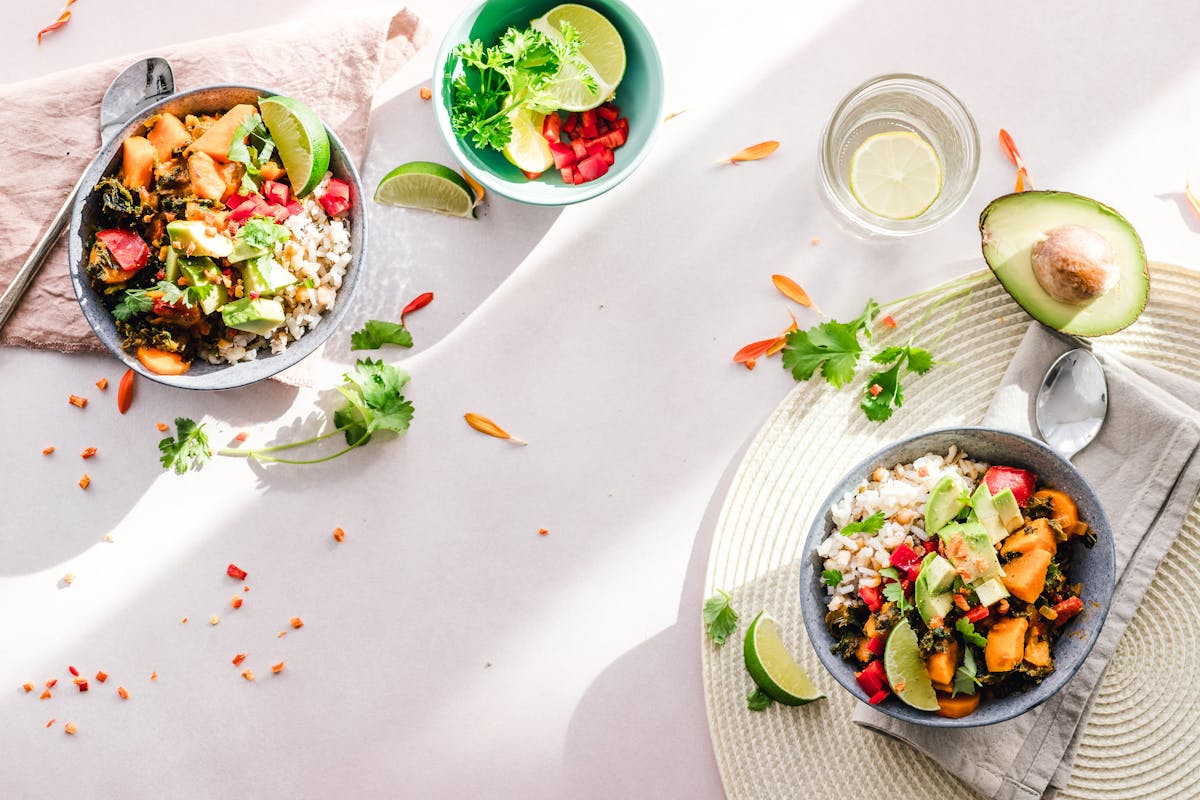
- Arrange the carrot, cucumber, red cabbage, bell pepper, and greens in colorful clusters.
- Spoon over the kimchi or sauerkraut and fermented pickles, letting some brine drip onto the grains.
- Add a generous dollop of yogurt, kefir, or plant-based yogurt in the center.
- Drizzle everything with the miso-tahini dressing.
- Finish with chia or flax, pumpkin or sunflower seeds, sesame seeds, and a sprinkle of fresh herbs and spring onion.
5. Taste, Adjust & Enjoy
- Take a bite that includes a little of everything. Adjust with extra brine for tang, olive oil for richness, or a pinch more salt if needed.
- Eat slowly and mindfully, noticing the crunch of the cabbage, the gentle heat of the kimchi, the creaminess of the yogurt, and the nutty chew of the grains. This isn’t just fuel; it’s a daily ritual for your microbiome.

Substitutions & Dietary Adaptations
Vegan Microbiome Bowl
- Use coconut, almond, or soy yogurt with live cultures instead of dairy yogurt or kefir.
- Sweeten the dressing with maple syrup or date syrup instead of honey.
Gluten-Free Option
- Use quinoa, buckwheat, or certified gluten-free oats for the base.
- Check that your miso and fermented sauces are labeled gluten-free.
Gentler on Sensitive Guts
- Reduce the portion of lentils/chickpeas and replace with extra quinoa or firm tofu.
- Use smaller amounts of kimchi/sauerkraut and build up slowly over time.
- Skip or reduce garlic and use garlic-infused oil for flavor.
Storage & Meal Prep Tips
- Grains & potatoes: Store in an airtight container in the fridge for up to 3–4 days.
- Chopped veggies: Keep separately, tightly covered, for 2–3 days for best crunch.
- Dressing: Refrigerate in a jar for up to 5 days. Thin with water and whisk before using.
- Fermented foods: Keep in their own jars with brine; they’ll stay tangy and crisp for weeks.
- Assembled bowls: For lunch prep, layer grains and legumes at the bottom, veggies and seeds on top, and pack fermented foods and yogurt in separate containers to add just before eating.
To reheat, you can enjoy the bowl cold, room temperature, or lightly warmed. If warming, heat only the grains, potatoes, and legumes—keep fermented foods and yogurt cool to preserve their live cultures.
Serving Ideas & Gut-Healthy Pairings
Turn your Microbiome Power Bowl into a whole “Gut Health 2.0” moment with these pairings:
- Fermented drink: A small glass of kombucha or water kefir on the side.
- Starter: Simple miso soup with seaweed and spring onion.
- Snack: Overnight oats with chia, berries, and a spoonful of yogurt for breakfast or dessert.
- Crunchy side: Fermented carrot sticks or radishes from your own jar.
Long-term patterns matter more than any single “superfood.” Think of this bowl as one delicious step in a week filled with diverse plants and minimally processed foods.
Recipe Data
The following structured data helps search engines understand this gut-healthy recipe:
