
Gut Health 2.0: Delicious Fermented Recipes That Feed Your Microbiome & Glow From Within
Gut‑Loving Kimchi Grain Bowls & Kefir Dressing (Skin‑Gut Friendly Recipe)
Gut health has entered a vibrant “2.0” phase: instead of just popping a probiotic pill, we’re filling our plates with living fermented foods, prebiotic fibers, and colorful plants that can nourish our microbiome—and possibly support clearer skin, steadier energy, and better digestion along the way. This recipe brings those trends to your kitchen with a cozy, customizable kimchi grain bowl topped with crunchy vegetables, creamy beans, and a tangy kefir herb dressing.
Think of it as a “skin‑gut” bowl: plenty of fiber for your friendly bacteria, fermented toppings for extra zing, and healthy fats to help you feel satisfied. It’s weeknight‑friendly, endlessly adaptable, and a joyful way to turn gut‑supportive eating into something you truly crave.

Recipe Snapshot
Prep Time: 20 minutes
Cook Time: 25 minutes (for grains & potatoes)
Total Time: ~45 minutes (plus optional cooling)
Servings: 4 bowls
Difficulty: Easy–Intermediate
Diet‑friendly notes: vegetarian, easily made gluten‑free and dairy‑free with simple swaps (see notes).
Gut Health 2.0 in a Bowl: Fermented Foods, Prebiotics & Skin‑Gut Eating
On TikTok and Instagram, “what I eat for my microbiome” videos often feature bowls like this: chewy grains, beans, crunchy veg, and something delightfully funky on top. They mirror the key ideas behind Gut Health 2.0:
- Fermented foods as everyday staples – kimchi, sauerkraut, kefir, miso, and yogurt are treated as modern superfoods.
- Prebiotic fibers – oats, onions, garlic, beans, and cooled potatoes help “feed” your beneficial bacteria.
- Skin‑gut axis – fiber‑rich, minimally processed meals may gently support calmer skin for some people.
- Whole‑food focus – instead of relying only on powders or pills, meals are built from colorful plants and simple pantry staples.
This recipe tucks all of that into one joyful bowl you can whip up on a weeknight, prep ahead for lunches, or dress up with a fried egg for brunch.

Equipment You’ll Need
- Medium saucepan with lid (for grains)
- Small pot or saucepan (for potatoes, if using)
- Cutting board and sharp chef’s knife
- Large mixing bowl
- Small bowl or jar with lid (for dressing)
- Measuring cups and spoons
- 4 serving bowls
Ingredients
For the Gut‑Friendly Grain & Potato Base
- 1 cup (190 g) dry brown rice or mixed whole grains (quinoa, barley, or a blend)
- 2 cups (480 ml) water or low‑sodium vegetable broth
- 1/2 teaspoon fine sea salt
- 2 medium waxy potatoes (about 300 g) – Yukon Gold or red potatoes
- 1 tablespoon extra‑virgin olive oil
For the Prebiotic & Protein Toppings
- 1 cup (170 g) cooked chickpeas or beans (black beans, cannellini, or lentils), rinsed and drained
- 1 small red onion or 2–3 spring onions, thinly sliced
- 2 cloves garlic, very finely minced (optional if you’re sensitive)
- 1 cup (100 g) shredded carrots or thinly sliced bell peppers
- 1 small cucumber, diced
- 1/4 cup (10–15 g) fresh herbs – parsley, cilantro, or dill, chopped
- 2 tablespoons toasted seeds (pumpkin, sunflower, or sesame) for crunch
For the Fermented Toppings
- 3/4–1 cup (120–160 g) kimchi or sauerkraut, roughly chopped if pieces are large
- Optional: 2 tablespoons pickled red onions or other quick pickles
For the Creamy Kefir Herb Dressing
- 1/2 cup (120 ml) plain kefir (or plain yogurt thinned with a splash of water)
- 2 tablespoons extra‑virgin olive oil
- 1 tablespoon lemon juice or apple cider vinegar
- 1 teaspoon Dijon mustard
- 1 small clove garlic, micro‑grated or very finely minced
- 2 tablespoons chopped fresh herbs (dill, parsley, or chives)
- 1/4 teaspoon sea salt, plus more to taste
- Freshly ground black pepper, to taste
Optional Protein Boosts
- 2–4 soft‑boiled or fried eggs
- 1 block (200–250 g) firm tofu, baked or pan‑seared
- Leftover grilled chicken or salmon, flaked (for non‑vegetarian option)
Step‑by‑Step Visual Guide


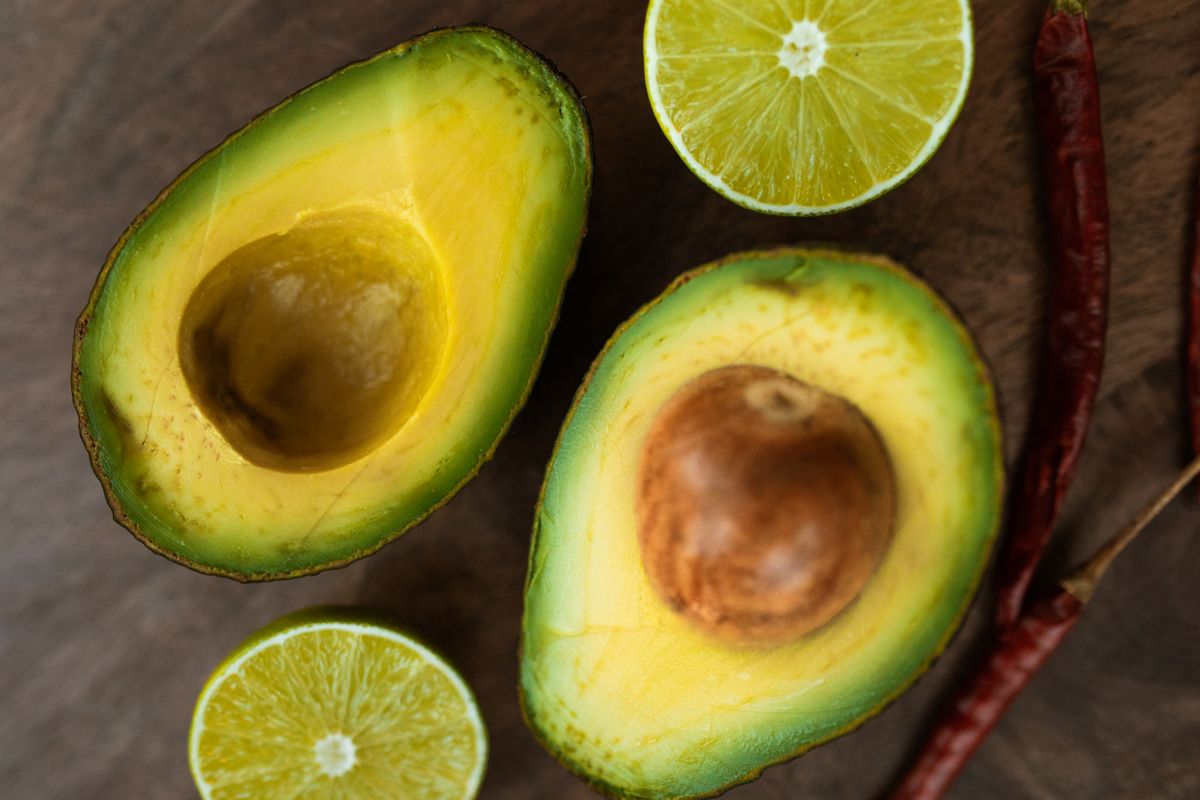

How to Make Gut‑Loving Kimchi Grain Bowls
- Cook the grains.
Rinse your brown rice or mixed grains under cold water. Add to a saucepan with the water or broth and 1/2 teaspoon salt. Bring to a boil, then reduce heat to low, cover, and simmer until tender (about 25–30 minutes for brown rice, 15 minutes for quinoa). Turn off heat and let stand, covered, for 5 minutes, then fluff with a fork. - Cook and cool the potatoes (for resistant starch).
While the grains cook, scrub the potatoes and cut into bite‑sized pieces. Place in a small pot, cover with cold water, add a pinch of salt, and bring to a gentle boil. Simmer until just tender when pierced with a fork (about 10–12 minutes). Drain well, drizzle with 1 tablespoon olive oil, toss gently, and spread on a plate to cool to room temperature. For extra resistant starch, chill in the fridge for at least 30 minutes. - Prep your veggies and herbs.
Thinly slice the red or spring onions, mince the garlic, shred the carrots, and dice the cucumber. Roughly chop your fresh herbs. Set everything in small piles or bowls—this mise en place makes assembly effortless. - Rinse the beans.
Rinse and drain your chickpeas or other beans thoroughly. Pat dry with a clean towel to remove excess moisture. If you’d like them slightly warm, you can briefly heat them in a dry pan over medium heat for 2–3 minutes. - Make the creamy kefir herb dressing.
In a small bowl or jar, whisk together kefir, olive oil, lemon juice or vinegar, Dijon mustard, garlic, herbs, salt, and pepper. Taste and adjust seasoning—more lemon for brightness, more salt for depth, or a drizzle of olive oil for extra richness. The dressing should be pourable but creamy. - Warm the grains (optional).
If the grains have cooled and you prefer a warm base, reheat them gently in the saucepan over low heat with a splash of water, stirring until just warmed through. - Assemble the bowls.
Divide the grains among 4 bowls. Add a generous scoop of cooled potatoes to each. Arrange beans, onions, carrots, cucumber, and herbs in colorful sections on top of the grains. Add a spoonful or two of kimchi or sauerkraut to each bowl. - Add protein and crunch.
Top each bowl with your choice of egg, tofu, or leftover chicken/salmon if using. Sprinkle with toasted seeds for crunch and extra minerals. - Drizzle & serve.
Give your kefir dressing a quick whisk or shake, then drizzle generously over each bowl. Taste and finish with a pinch of sea salt, extra herbs, or a squeeze of lemon if you like things bright and tangy.
Variations, Substitutions & Dietary Adaptations
Make It Gluten‑Free
- Use quinoa, brown rice, or buckwheat instead of barley or wheat‑based mixes.
- Check that your kimchi is made without wheat‑based soy sauce or other gluten‑containing seasonings.
Make It Dairy‑Free / Vegan
- Swap kefir for plain unsweetened plant yogurt (coconut, almond, soy), thinned with a splash of water.
- Ensure your kimchi is fish‑free if you’re fully plant‑based.
- Use tofu, tempeh, or extra beans instead of eggs or animal proteins.
Lower FODMAP‑Friendlier Tweaks*
*Always follow your own tolerance and guidance from a health professional.
- Reduce or omit onion and garlic; use green tops of spring onions and garlic‑infused oil instead.
- Limit serving of beans and choose firm tofu for easier digestion.
- Use a smaller portion of kimchi/sauerkraut to start.
Play with Seasonal Produce
- Spring: Asparagus, radishes, and peas.
- Summer: Cherry tomatoes, grilled zucchini, sweet corn.
- Autumn: Roasted squash, Brussels sprouts, beets.
- Winter: Shredded cabbage, roasted carrots, sautéed kale.
Storage, Meal Prep & Reheating
These bowls are ideal for gut‑friendly meal prep, especially if you store components separately.
- Cooked grains & potatoes: Store in airtight containers in the fridge for up to 4 days. Cool potatoes fully before chilling to encourage resistant starch.
- Beans & chopped veggies: Keep refrigerated in separate containers for 3–4 days. Harder veggies (carrots, cabbage) last longer than soft ones (cucumber, tomatoes).
- Fermented toppings: Kimchi and sauerkraut keep well in the fridge for weeks; always use a clean utensil and keep submerged in their brine.
- Kefir dressing: Store in a jar in the fridge for 3–4 days. Shake before using; it may thicken slightly over time.
To reheat, warm grains and potatoes gently in a pan or microwave with a splash of water, then assemble with cool crunchy veggies and ferments just before serving for the best texture.
Serving Ideas & Complementary Dishes
Turn this bowl into a full gut‑supportive spread by pairing it with:
- Simple miso soup with seaweed and tofu.
- Side of sliced avocado with lemon and flaky salt for extra healthy fats.
- Green tea or lightly sweetened kombucha as a refreshing drink (watch sugar content if that’s a concern).
- Fruit & kefir parfait with oats or nuts for dessert—a nod to the “gut‑healthy breakfast” trend.
For a “skin‑gut” focused day of eating, you might enjoy this bowl for lunch, a fiber‑rich overnight oats jar for breakfast, and roasted veggies with a dollop of yogurt or tahini sauce for dinner—each meal offering different plant fibers and ferments.
A Gentle Note on Science & Listening to Your Body
Researchers and evidence‑based dietitians often remind us that there’s no single “magic” food for gut health or glowing skin. What seems to matter most is:
- Overall pattern: lots of diverse plants, whole grains, legumes, and minimally processed foods.
- Consistency: giving your microbiome a steady supply of fiber and polyphenols over time.
- Big‑picture habits: sleep, movement, and stress management all interact with gut health.
Some people with IBS, SIBO, or histamine intolerance may find certain fermentable fibers or ferments uncomfortable. It’s always okay to personalize: adjust portions, swap ingredients, and work with a healthcare provider if your gut is especially sensitive.
Food can be a joyful way to care for your inner ecosystem—no perfection required, just curiosity, kindness, and a bit of delicious experimentation.
Recipe Metadata
The following embedded data helps search engines understand this gut‑healthy recipe:
