From Sofa Slump to Street-Style Chic: How Home Decor Can Supercharge Your Outfit Game
Your home and your wardrobe are basically roommates: they share your taste, your mood, and your tendency to say “I have nothing to wear” while staring at a full closet and a fully furnished living room. The secret plot twist? The way you decorate your space can actually help you get dressed better, feel more confident, and turn “I’m running late” into “I woke up like this (after three outfit changes, but no one has to know).”
Today we’re blending two worlds: fresh home decor trends and the rise of body-inclusive streetwear and plus-size athleisure. Think: a living room that’s as comfy as your favorite hoodie and a bedroom that doubles as your personal styling studio. We’ll talk color, storage, confidence, and how to make your home quietly whisper, “Yes, you are that stylish” every morning.
Your Home & Your Outfits: The Ultimate Matching Set
If your home was an outfit, what would it be? A minimalist blazer and trousers situation? A dopamine-dressing explosion of color? Or an athleisure set that swears it’s only for the gym but somehow ends up in every brunch photo?
Right now, one of the biggest fashion conversations online is about body-inclusive streetwear and plus-size athleisure. Creators on TikTok, Instagram, and YouTube are dropping try-ons, fit reviews, and “week of outfits” vlogs that prove you can be comfy, street-style ready, and fully supported at any size. Meanwhile, home decor is going through a similar glow-up: more inclusive, more personal, and way less about rigid “rules.”
- Streetwear wardrobe: Oversized hoodies, cargo pants, bomber jackets, graphic tees.
- Athleisure wardrobe: Matching sets, flared leggings, skorts, supportive sports bras.
- Home equivalent: Soft textiles, flexible furniture layouts, layered lighting, and decor that fits real bodies and real lives (yes, including the “clothes chair”).
When your home vibe and your outfit vibe are aligned, you feel more put-together before you even pick up a hairbrush. So let’s build a space that hyped-up future-you will thank you for.
Dopamine Decor: When Your Sofa Is Your Hype Friend
Dopamine dressing (wearing colors and pieces that spark joy) has officially moved in with dopamine decor. We’re talking bold rugs, juicy accent walls, and throw pillows that look like they belong in a bag of candy—without causing cavities.
Plus-size and mid-size fashion creators have been leading this movement, pairing bright athleisure sets and graphic streetwear with equally playful spaces. It’s not “too much”; it’s a color-coordinated pep talk.
How to bring dopamine decor into your space (and your wardrobe)
- Pick a power color. Choose one shade that makes you feel alive—cobalt blue, fuchsia, chartreuse—and repeat it in:
- Throw pillows or a blanket
- A vase or tray on your coffee table
- A matching hoodie, beanie, or sneakers
- Create a “joy corner.” One chair, one lamp, one blanket, one side table. This is your outfit-planning throne where you scroll fit reviews and sip coffee like you’re on a styling talk show.
- Echo patterns. If you love bold graphics on tees, get a geometric rug or patterned cushion to match that energy.
Think of your decor as the background of your outfit photos: if it makes you smile in the mirror, it’s doing its job.
Quiet Luxury, Loud Confidence: Elevated Basics for You & Your Living Room
While color is having its main-character moment, quiet luxury is still trending: clean lines, soft neutrals, and pieces that say, “I invest in quality staples,” even if your bank account is saying, “We share one streaming service password and that’s it.”
In fashion, this looks like well-cut joggers, structured hoodies, and leggings that don’t go see-through during squats. At home, it looks like:
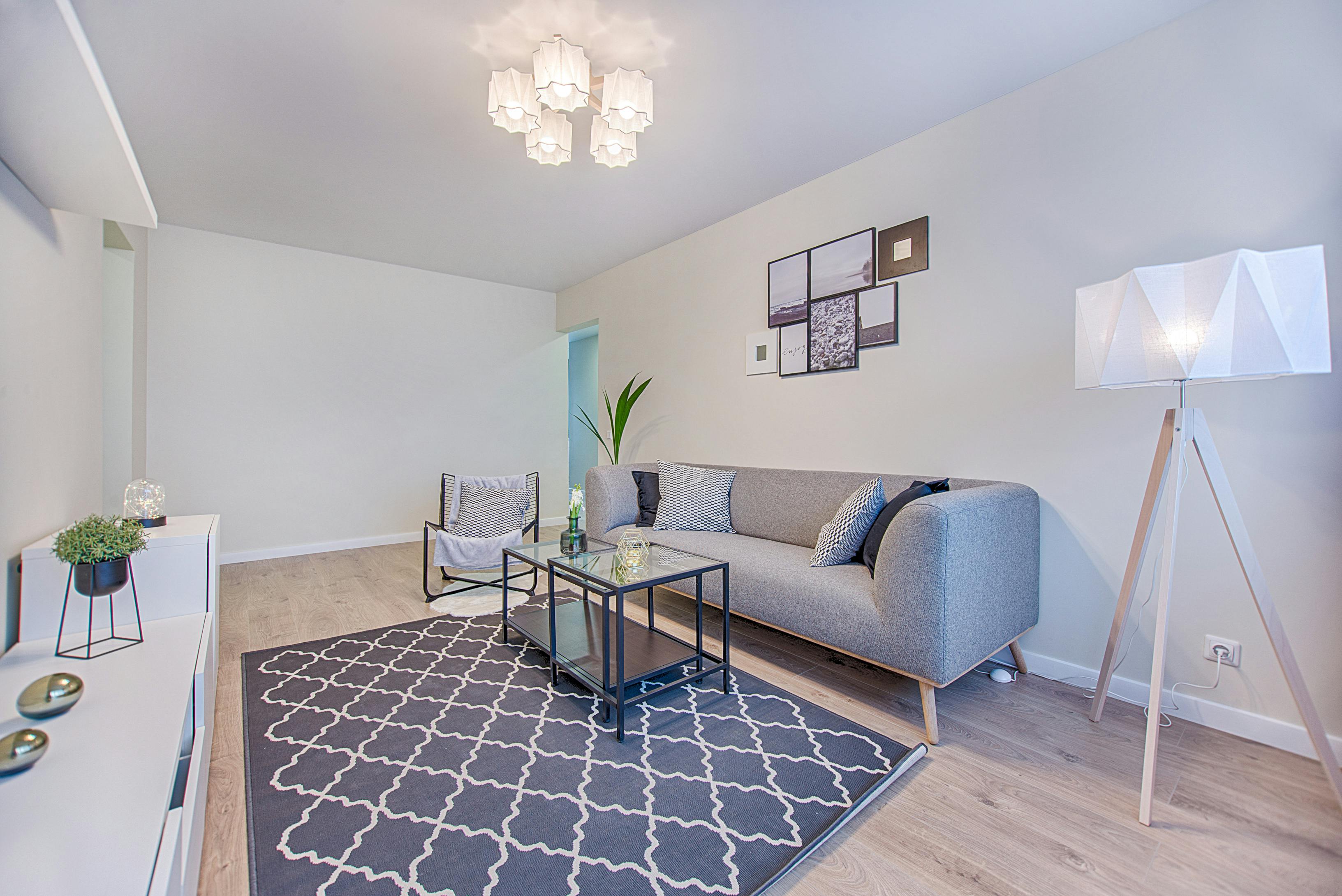
- A neutral, comfy sofa with great texture (linen, boucle, or a thick woven fabric)
- Simple wood or metal coffee tables
- Soft, warm lighting instead of harsh overhead glare
Quiet luxury styling trick: capsule vibes, but for your home
Just like a capsule wardrobe, build a capsule living room:
- Choose 3 neutrals (for example: cream, taupe, charcoal).
- Add 1 accent material (brushed metal, warm wood, or stone).
- Layer textures with throws and cushions instead of adding ten different colors.
The result: a space that makes your streetwear and athleisure outfits look intentional and elevated, even when you’re just in a matching set and slides.
Body-Inclusive Home Design: Furniture That Actually Fits Humans
Fashion is finally moving beyond “one body fits all,” and your furniture should too. Just like plus-size athleisure is being designed with real curves, busts, and bellies in mind, your decor can be more body-inclusive and comfort-first.
What body-inclusive decor looks like
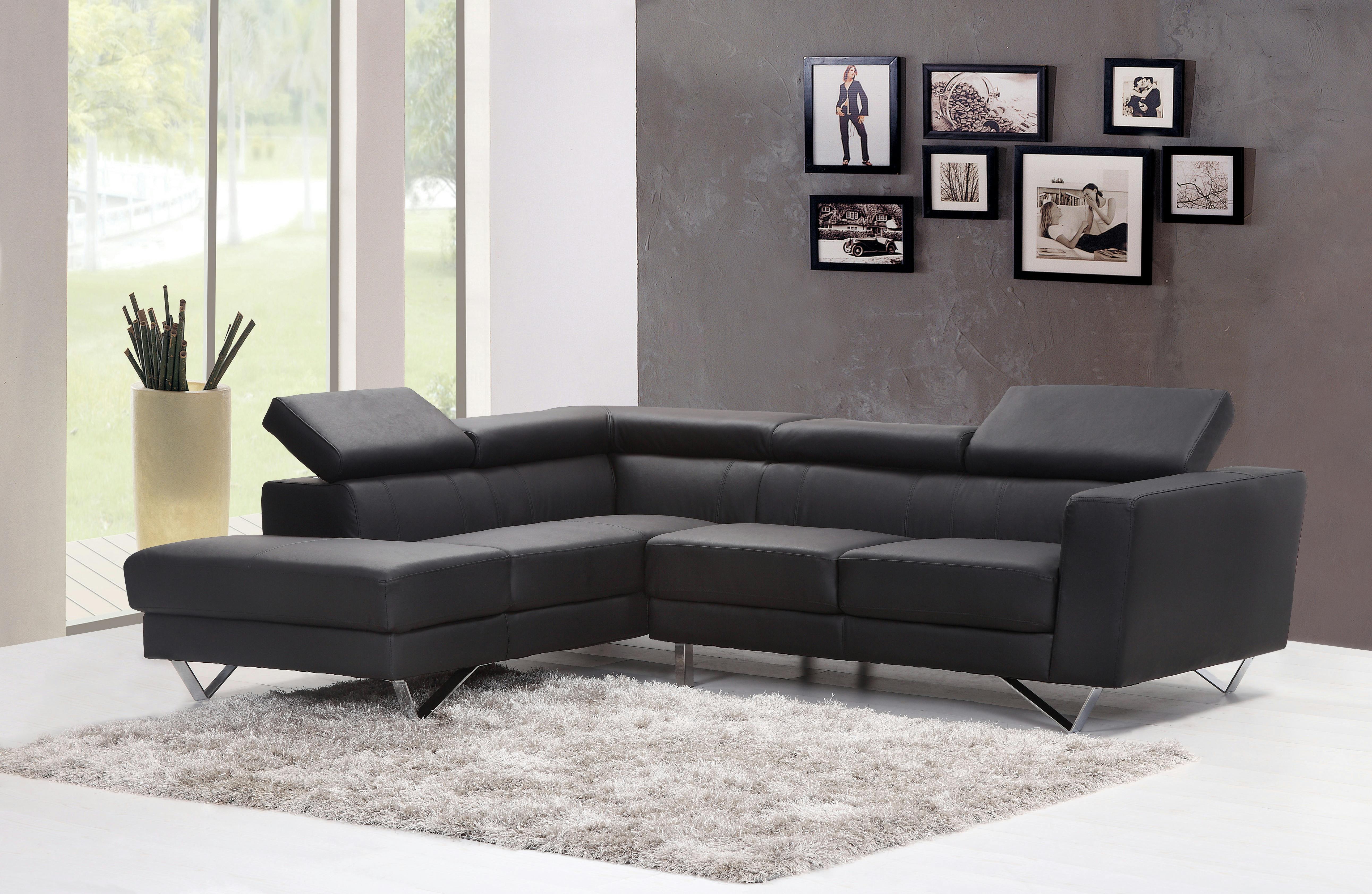
- Sofas with real depth. If you feel like you’re perching on a ledge instead of lounging, it’s a no. Aim for seats deep enough to curl up in leggings and an oversized hoodie.
- Chairs with strong support. Look for solid frames, tested weight limits, and reviews from people of different sizes, just like you’d watch a fit review for new joggers or sports bras.
- Walkable layouts. Leave clear pathways so you’re not doing choreography around coffee tables. Bonus: no stubbed toes when you’re pacing, deciding between cargos or leggings.
A body-inclusive home is one you can move through without stress—whether you’re stretching in athleisure, dancing in streetwear, or collapsing dramatically after trying on nine outfits.
Thrift, Flip, Repeat: Your Decor Can Be as Resourceful as Your Closet
Plus-size shoppers have long been masters of creativity—making men’s sections work, tailoring oversized pieces, and upcycling old sweats into more flattering cuts. That same thrifty brilliance is trending hard in home decor.
Easy, budget-friendly decor ideas inspired by streetwear hacks
- Men’s-section magic → “accidental” side tables. Repurpose sturdy stools, crates, or small benches as nightstands or plant stands. Give them the same love you’d give a perfect oversized tee.
- Upcycled sweats → cozy cushion covers. Turn old hoodies or sweatpants into cushion covers or small throws. Bonus points if they’re graphic or logo pieces—they become instant streetwear decor.
- Cargo energy → storage everywhere. If cargos can have fourteen pockets, your home can definitely hide some storage under benches, in ottomans, and behind doors.
This isn’t just about saving money; it’s about building a home that feels as unique as your style, without relying on mass-produced “live, laugh, love” wall art to prove you have a personality.
Turn a Corner of Your Home into a Styling Studio
Fashion creators don’t all have giant walk-in closets; a lot of them just have strategically organized corners. You can do the same and make your home work harder for your outfit game.
Your mini styling studio checklist
- A full-length mirror with good lighting. Position it near natural light if you can, and add a warm lamp for early-morning or late-night try-ons.
- A small rail or hook system. Hang tomorrow’s outfit, your go-to hoodie, or your current favorite matching set. This keeps your star pieces visible and ready.
- A styling tray or basket. Store your everyday accessories: crossbody bag, chunky sneakers by the door, caps, belts, and jewelry. Like a capsule collection, but for accessories.
When everything has a home, outfit planning goes from “where’s my other sneaker?” to “this took me five minutes, but I’ll let them assume it took an hour.”
How to Store Plus-Size Streetwear & Athleisure Without Losing It in the Void
Extended-size pieces can take up a bit more physical space—more fabric, more drape, more delicious oversized-ness. The trick is to store them in ways that keep them visible and easy to grab, instead of burying them in a clothes avalanche.
Smart storage tips that actually respect your clothes
- Fold, don’t cram, your leggings and sweats. Use shallow baskets or drawer dividers so you can file-fold them and see every pair at a glance.
- Hang key streetwear pieces. Bombers, cargo pants, and standout hoodies deserve hangers so they keep their shape and stay wrinkle-light.
- Use vertical space. Over-door hooks and wall-mounted racks near your entryway create a “grab-&-go zone” for coats, bags, and hats.
- Rotate by season & mood. Keep your current go-tos front and center; store the “not right now” items in labeled bins under the bed or at the top of your wardrobe.
The goal is for your home to function like those brand comparison videos you love: clear, honest, and helpful—only this time it’s “which hoodie do I actually want to wear today?”
Ethical Vibes Only: Sustainable Style from Closet to Couch
As more plus-size shoppers demand better options, a huge part of the conversation is about ethical and sustainable fashion: good fabrics, transparent production, and clothes that don’t fall apart after two washes. Your home can join that glow-up too.
Sustainable swaps that still look stylish
- Buy fewer, better basics. That applies to both sofas and sweatshirts. A quality piece that lasts years beats five that sag or pill in months.
- Mix new with thrifted. Anchor your room with one sturdy investment item (like a great couch) and layer in secondhand side tables, lamps, and decor.
- Choose natural materials when possible. Cotton, linen, wood, wool—these age gracefully and feel gorgeous against your skin and under your feet.
Sustainable doesn’t mean boring; it means you’re curating a home and wardrobe that can actually keep up with your life, your body, and your style.
Dress the Room, Then Dress Yourself
Confidence isn’t just about what you wear; it’s about what you wake up into. When your home is set up to support your style—from body-inclusive furniture to smart storage to joy-sparking color—getting dressed becomes less of a battle and more of a ritual.
So fluff the cushions, clear a chair (yes, that one), hang tomorrow’s outfit somewhere you can see it, and let your decor and your wardrobe hype each other up. Streetwear, athleisure, quiet luxury, or full-on rainbow chaos—if it feels like you and your home can both breathe in it, you’re doing it right.
Remember: your home is the dressing room for your life. Make it comfortable, make it expressive, and most of all, make it a place where every body—and every outfit—belongs.
Image Suggestions (Royalty-Free & Highly Relevant)
Below are strictly relevant, royalty-free image suggestions that directly support specific parts of this blog. Each image is chosen to visually reinforce key concepts rather than act as generic decor.
Image 1: Dopamine Decor Living Room
Placement: After the paragraph that begins, “Dopamine dressing (wearing colors and pieces that spark joy) has officially moved in with dopamine decor.” in the “Dopamine Decor: When Your Sofa Is Your Hype Friend” section.
Supported sentence/keyword: “We’re talking bold rugs, juicy accent walls, and throw pillows that look like they belong in a bag of candy—without causing cavities.”
Image description: A realistic, well-lit living room with a bold, colorful interior: a vibrant geometric rug, a solid-color sofa (e.g., teal or mustard), multiple bright throw pillows in contrasting colors, and maybe a single colorful accent wall. There should be a small coffee table with a minimal decorative item such as a vase. No people, no abstract art-only shots—focus on the full room view showing how color is used in practical decor.
SEO-optimized alt text: “Colorful dopamine decor living room with bright geometric rug, bold accent wall, and vibrant throw pillows.”
Example royalty-free URL: https://images.pexels.com/photos/1571468/pexels-photo-1571468.jpeg
Image 2: Quiet Luxury Neutral Living Room
Placement: After the list that describes “A neutral, comfy sofa with great texture…” in the “Quiet Luxury, Loud Confidence” section.
Supported sentence/keyword: “In fashion, this looks like well-cut joggers, structured hoodies, and leggings… At home, it looks like: A neutral, comfy sofa with great texture… Simple wood or metal coffee tables… Soft, warm lighting…”
Image description: A realistic photo of a calm, neutral-toned living room with a textured cream or beige sofa, a simple wood or metal coffee table, possibly a neutral rug, and warm, soft lighting from a floor or table lamp. The room should feel minimal but inviting, expressing quiet luxury without clutter. No people present.
SEO-optimized alt text: “Neutral quiet luxury living room with textured beige sofa, wood coffee table, and warm ambient lighting.”
Example royalty-free URL: https://images.pexels.com/photos/37347/office-freelancer-computer-business-37347.jpeg
Image 3: Body-Inclusive, Comfortable Lounge Area
Placement: After the bullet list in the “Body-Inclusive Home Design: Furniture That Actually Fits Humans” section.
Supported sentence/keyword: “What body-inclusive decor looks like: Sofas with real depth… Chairs with strong support… Walkable layouts.”
Image description: A realistic, cozy lounge area with a deep, wide sofa or sectional, sturdy upholstered armchairs, and a clear, wide walkway between furniture pieces. The seating should look generous and supportive, with plush cushions and possibly an ottoman. The layout must visibly allow easy movement, reflecting accessibility and comfort. No people, no decorative clutter that distracts from the furniture itself.
SEO-optimized alt text: “Spacious living room with deep sofa, supportive armchairs, and open walkways for body-inclusive comfort.”
Example royalty-free URL: https://images.pexels.com/photos/276583/pexels-photo-276583.jpeg