
Flea’s ‘Honora’ Is the Jazz-Grief Odyssey No One Saw Coming
Flea’s Honora Album Review: Grief, Bebop, and Late-Career Weirdness
Flea’s album Honora finds the Red Hot Chili Peppers bassist stepping away from stadium funk-rock into a tender, jazz-leaning meditation on grief, fatherhood, and aging, turning his 60th-birthday self-reckoning into one of the strangest and most intimate side projects from a major rock star in recent memory.
Released under the long shadow of his band’s still-rolling reunion era, Honora feels like a secret sketchbook: wordless, contemplative, and deeply personal. Sadie Sartini Garner’s Pitchfork review treats it less like a flashy solo bid and more like a vulnerable late-life experiment—one that refuses to turn itself into content-friendly “vibe music” even when it flirts with that territory.

From Stadium Funk to Intimate Jazz: Where Honora Comes From
By the time Flea hit 60, he’d done most of the things a rock star can do: multi-platinum albums with Red Hot Chili Peppers, Rock & Roll Hall of Fame induction, memoir, acting cameos, and a permanent position in the bass-god pantheon. Honora emerges from that “what now?” phase—less a career pivot and more a private promise he made to himself to recommit to jazz and instrumental music.
Longtime fans know Flea’s jazz obsession isn’t new; his trumpet background and love of Miles Davis, Ornette Coleman, and bebop have seeped into RHCP arrangements for decades. But Honora is the first time he’s really cleared the stadium noise away and said: this is what happens if I follow those impulses all the way through.
“It felt like something I had to do for myself first, before I worried about whether anyone else would even want to hear it.”
That mindset frames Honora less as a “solo debut” and more as a diaristic project, closer in spirit to his memoir Acid for the Children than to another chapter of RHCP mythology.
The Sound of Honora: Lullabies, Bebop Ghosts, and Lo-Fi Edges
Honora lives in a liminal space between jazz, ambient music, and sketchbook demos. Flea’s bass shares the spotlight with piano, trumpet, and gentle, almost lullaby-like melodies. Instead of the slap-heavy, hyperactive low end he’s famous for, we get long, sustained tones and melodic lines that wander like someone pacing a room at night.
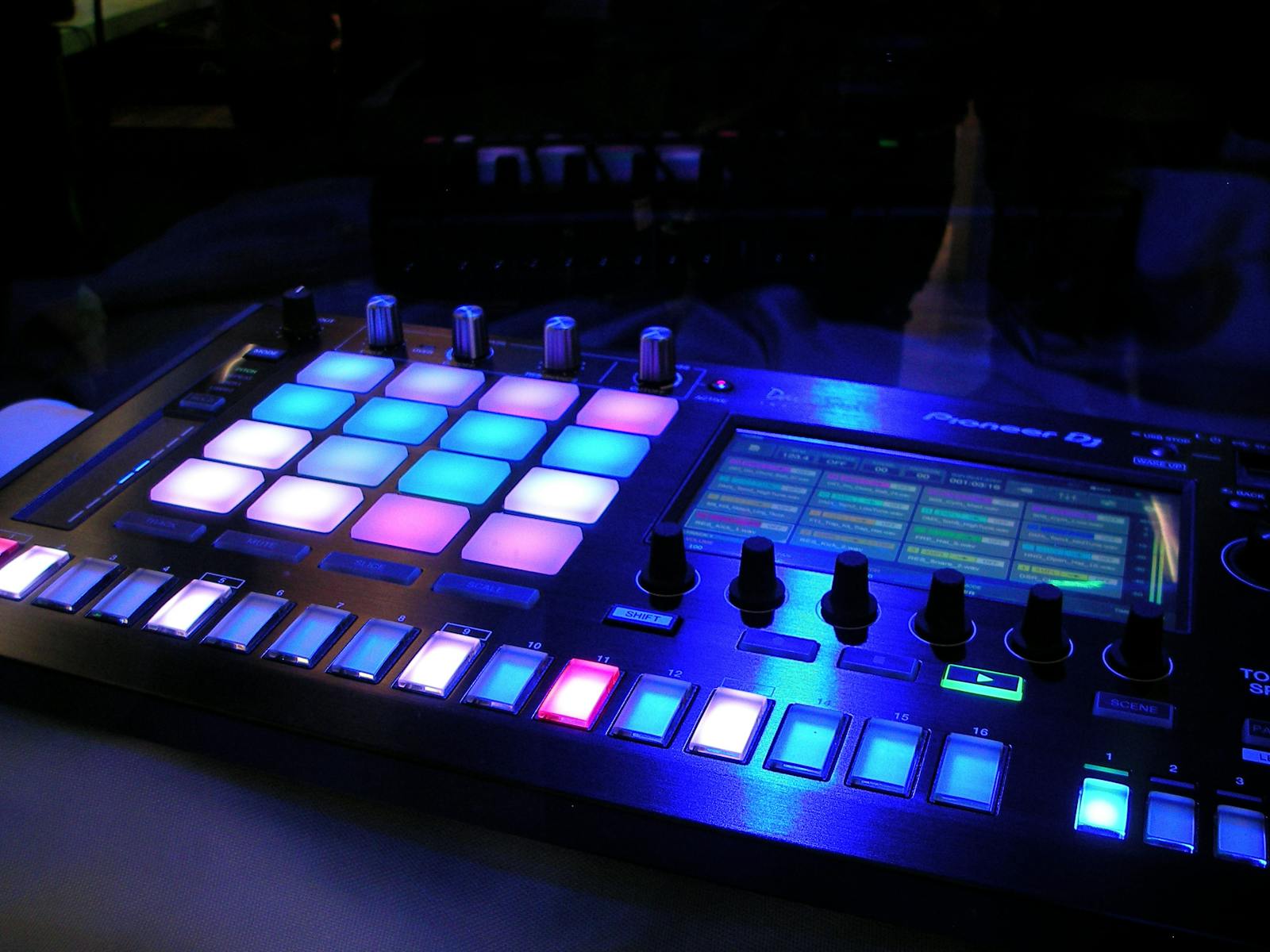
Garner’s review leans into this contrast, noting how stripped-back these tracks feel compared to RHCP’s maximalist arena-rock. The album often sounds like a late-night practice session that accidentally became a record: you can hear the room, the air, and sometimes the seams. Rather than smoothing those out, Honora lets them stay, giving the project a humble, handmade quality.
That looseness walks a fine line. At its best, it recalls the intimate, improvised feeling of small-club jazz records—a sense that you’re eavesdropping on musicians searching for something rather than delivering a hit. At its weakest, some passages drift toward background music, the kind of gently pretty noodling that sounds nice but doesn’t always demand attention.
Grief, Family, and the Weight of a Name: What Honora Is About
The emotional anchor of Honora is grief. The album title itself references a family name, and the project circles around loss, lineage, and spiritual housekeeping. Even without lyrics, the mood is unmistakable: these are pieces written by someone doing maintenance on their own heart.

Garner’s review highlights this sense of intimate mourning. Instead of dramatizing his pain, Flea lets small motifs repeat and fray, like someone telling the same story over and over until the shape of it changes. The quieter compositions feel almost like lullabies—not only for children, but for the older version of himself who’s trying to make peace with time passing.
The album “refuses catharsis,” choosing instead to “sit in the uneasy space between comfort and unrest.”
That refusal is what keeps Honora from turning into soft-focus “healing music.” It’s pretty, yes, but it’s never quite relaxed; there’s always a note of restlessness threaded through the chord changes.
How Honora Fits into Flea’s Career and Rock’s Jazz Curiosity
In the broader entertainment landscape, rock musicians dabbling in jazz and experimental music is nothing new. Think of David Bowie’s Blackstar, or Radiohead’s members drifting into contemporary classical and improv scenes. Honora belongs in that lineage, but it’s smaller in scale—less a bold artistic reinvention than a modest, personal side path.
For Flea, whose public image is split between shirtless funk imp and thoughtful elder statesman, the album doubles as a quiet rebranding. It doesn’t loudly declare, “I’m a jazz musician now,” but it does remind listeners that his musical curiosity extends beyond octave-slap riffs and California anthems.
Garner’s Pitchfork write-up implicitly pushes back on any temptation to treat Honora as a novelty. Instead, she situates it as part of a continuum: the logical outcome of decades spent sneaking jazz phrasing into pop songs, now stripped of the need to please festival crowds.
Strengths and Weaknesses: Where Honora Shines and Where It Drifts
Garner’s review is careful not to overhype Honora. She recognizes how moving the album can be, but she’s also clear about its limitations. This is not a fully realized jazz opus; it’s a collection of sketches, some of which land harder than others.
- Strengths: Emotional clarity, intimate production, and the sheer novelty of hearing Flea this unguarded. The best tracks have a melodic logic and patience that suggest years of listening, not just dabbling.
- Weaknesses: A tendency to blur into sameness over the runtime; certain vamps feel underdeveloped, as if they were captured too early in the writing process. Listeners expecting fireworks—technical or emotional—may find parts of the record elusive.
Garner frames Honora as “less a statement record than a document of someone learning how to speak again in another language.”
That framing is generous but fair: you don’t judge a diary for not being a novel. Honora isn’t built to impress as much as to trace where Flea’s mind goes when no one is asking for a chorus.
The Verdict: A Quiet, Uneven, but Sincere Late-Career Detour
As a piece of the 2020s entertainment landscape, Honora is refreshingly unconcerned with virality or playlists. It’s not the sort of album you throw on at a party; it’s something you stumble into on a solo night and realize, a few tracks in, that you’re listening to a famous musician talk to himself.
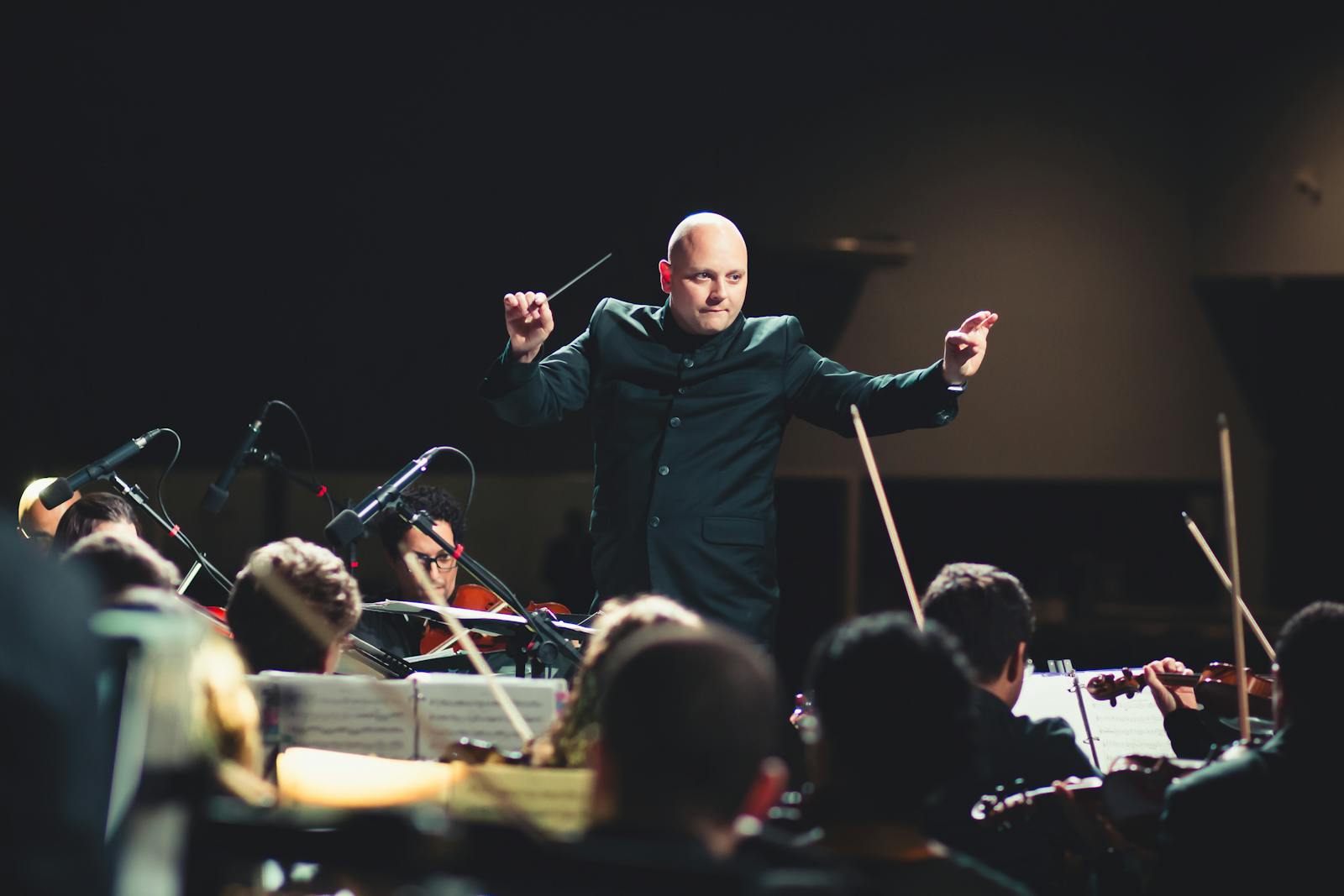
In terms of a star rating, Garner’s tone suggests a respectable but measured score—something in the “strong but niche” range rather than instant-classic territory. What sticks isn’t a single standout track but the decision itself: a rock legend choosing to spend his time on fragile, unresolved music about the things he can’t quite say out loud anymore.
Whether you come to Honora as a Red Hot Chili Peppers fan, a jazz listener, or just someone curious about how aging artists remake themselves, the album offers a modest but genuine reward: a chance to hear Flea when the spotlight isn’t demanding he be larger than life.
