DIY Wall Paneling Glow-Up: Turn Boring Walls into Architectural Main Characters on a Budget
Somewhere out there, a plain builder-grade wall just sighed, put on a sad beige coat of paint, and whispered, “Is this… it?” Not on our watch.
Today’s hottest home decor obsession is DIY wall paneling and slat walls—the glow-up equivalent of taking your walls from sweatpants to tailored suit, on a thrift-store budget. With a few boards, a free weekend, and mild emotional support from caffeine, you can create architectural detail that looks custom, photographs beautifully, and makes your space feel designed instead of “the landlord chose this.”
We’re diving into wood slat walls, fluted panels, and board-and-batten / box molding—the very projects currently dominating #walldecor, #homeimprovement, and #livingroomdecor. Expect practical tips, layout tricks, and a hearty dose of “yes, you can absolutely do this, even if math makes you break out in hives.”
Why Everyone Is Suddenly Staring at Their Walls
DIY wall paneling didn’t just wander onto the internet; it exploded. Here’s why it’s everywhere right now:
- Algorithm catnip: The before/after shots of a flat wall turning into a paneled masterpiece are the home decor equivalent of a makeover montage. TikTok and Reels eat this up.
- Champagne look, seltzer budget: A few sheets of MDF or pine strips, some caulk, and paint can mimic pricey millwork for a fraction of the cost.
- Style-flexible: Farmhouse, Scandi, modern, boho—same basic technique, totally different vibe.
- Renter and indecisive-friendly: Many projects are reversible or limited to one accent wall, so you’re not committing to a full-house identity crisis.
Translation: if you’ve ever looked at your TV wall and thought, “You could be… more,” this trend is your sign.
Slat Walls: The Instagram Filter for Real-Life Rooms
Let’s start with the current star of the show: the wood slat wall. Think vertical (or occasionally horizontal) strips of wood attached to a painted background. The effect? A chic blend of Scandinavian spa and modern boutique hotel—without needing a black Amex.
Where Slat Walls Shine
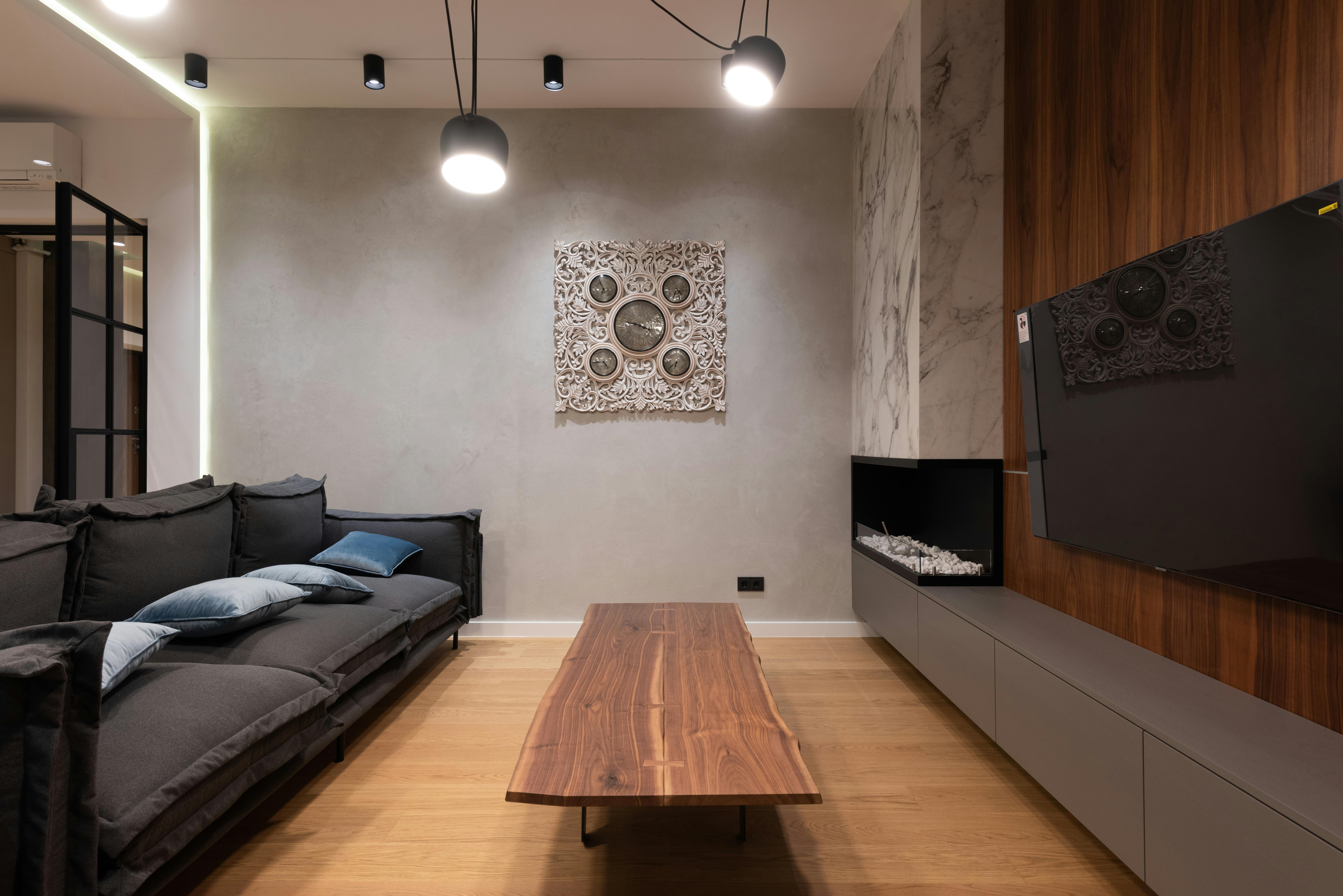
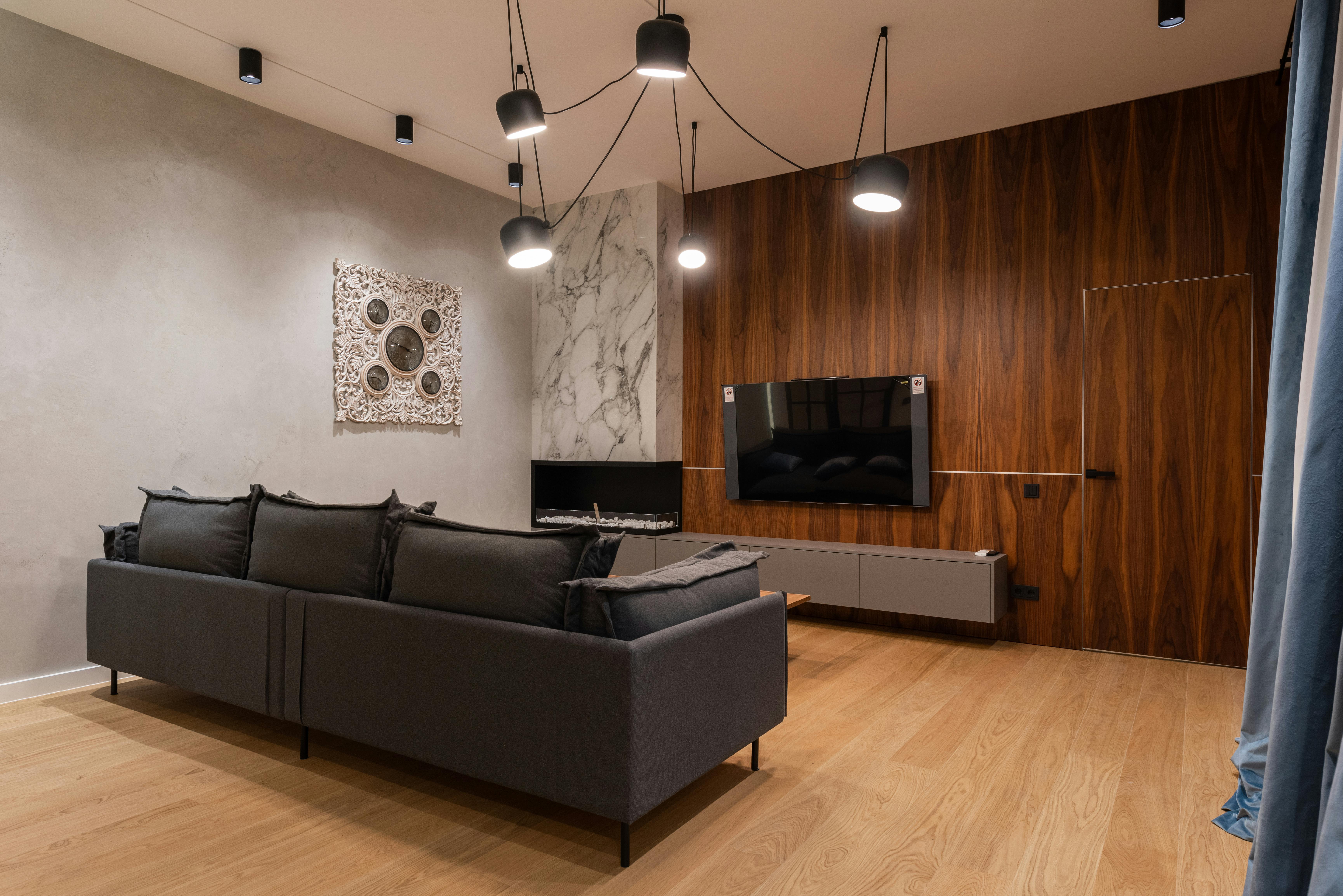
- TV walls: Hide cords, add texture, and suddenly Netflix feels more “cinema” than “couch potato.”
- Behind sofas: A slim slat wall transforms the floating sofa wall that never quite knows what to do with itself.
- Entryways: Flank a bench or a simple console with slats, add hooks, and boom—instant “I have my life together” moment.
- Room dividers: Partial slat screens create zones in open-plan spaces without closing them off.
Different Slat Wall Personalities
- Scandi Minimalist: Natural wood slats against a white or warm beige wall. Pair with linen, low-profile furniture, and plants that you’ll insist are “thriving” even when they’re mostly vibes.
- Moody Modern: Black or charcoal-painted slats over a matching dark wall. Ideal for media rooms or bedrooms where you fully intend to brood dramatically (or binge-watch calmly).
- Soft Boho: Light wood slats, off-white wall, layered with woven wall hangings, rattan mirrors, and trailing greenery.
The key is that slats add depth through shadow. Even when painted the same color as the wall, they give subtle drama—like contouring, but for architecture.
How to Plan a Slat Wall Without Crying Over Fractions
Math-haters, stay with me. We’re doing this the low-stress way.
1. Choose Your Material
Trending DIY options:
- Pine boards: Budget-friendly, easy to stain, needs a bit of sanding. Great for natural wood looks.
- MDF strips: Smooth, paints like a dream, stable. Best if you’re painting everything one color.
- Pre-routed fluted panels: More expensive, but they give that tight “fluted” texture without spacing individual slats.
2. Decide Slat Size & Spacing
Common combo: 1x2 or 1x3 slats with a 1/2"–3/4" gap. The trick: use a physical spacer (a scrap of wood or paint stirrer) rather than eyeballing. Your future self will thank you every time you walk past and don’t spot a rogue, crooked slat.
3. Prep the Wall
- Remove nails, random wall hooks from 2014, and anything sticking out.
- Fill big holes and sand lightly.
- Paint the backing wall first in the color you want between the slats. It’s much easier now than trying to paint between boards later while questioning your life choices.
4. Find Studs & Plan Around Obstacles
This is the unsexy but critical part:
- Use a stud finder and lightly mark with painter’s tape.
- Sketch roughly where outlets, switches, and vents are so you’re not halfway through a cut when you realize you’ve just covered the only outlet in the room.
- For real wood (not MDF), leave a tiny expansion gap at edges to allow for seasonal movement.
5. Attach the Slats
Most DIYers use:
- Construction adhesive on the back of each slat (small zigzag bead, not a cake-frosting situation).
- Brad nails into studs to secure while adhesive cures.
Safety side note: Wear eye protection, don’t bypass tool safety guards, and if power tools are brand-new to you, watch a reputable tutorial first. Pretty walls, intact fingers—both are non-negotiable.
6. Finish Like a Pro
- Fill nail holes with wood filler or spackle; sand smooth.
- Caulk where needed (typically where slats meet baseboard or ceiling) for that “built-in” look.
- Paint or stain in long, even strokes following the grain of the wood.
Step back, take a picture, and prepare for at least one friend to text, “Did you hire someone for that?”
Board-and-Batten & Box Molding: The Period Drama of Wall Treatments
If slat walls are the cool modern loft, board-and-batten and box molding are the sophisticated townhome in a historic district that somehow still has perfect wifi.
These styles use thin wood or MDF strips to create rectangles or squares on the wall, then paint everything one color so it looks like original architectural detail.
Where They Look Best
- Bedrooms: A three-quarter-height paneled wall behind the bed in deep green, navy, or charcoal instantly makes the room feel like a boutique hotel.
- Dining rooms: Adds formality and structure without needing expensive wallpaper or art everywhere.
- Hallways: Turns a long, boring corridor into something that looks intentionally designed rather than “leftover space.”
Modern Color Choices
Trending right now:
- Deep green with warm wood and brass accents.
- Charcoal or soft black with light textiles for a cozy cocoon vibe.
- Warm taupe or greige for subtle architectural interest that still plays nicely with colorful art.
The magic is that once your wall has this level of texture and structure, you can keep the decor on it minimal—one great mirror or a small gallery—without the space feeling empty.
Board-and-Batten Without a Calculator-induced Meltdown
Board-and-batten can look math-heavy, but it’s mostly pattern and patience.
1. Choose the Wall Height
Popular heights:
- Half wall (around 36–42"): Classic, great for hallways and small entries.
- Three-quarter wall (about 60–72"): Very on-trend for bedrooms and dining rooms—paneling below, plain wall or art above.
- Full wall: Dramatic and works beautifully in moody colors.
2. Map Out Your Boxes or Battens
Instead of crunching microscopic fractions, use this approach:
- Measure the wall width.
- Decide how many vertical battens or boxes you want visually (e.g., 5–7 panels).
- Use painter’s tape to mock up spacing on the wall first. Adjust until it looks right from across the room.
- Only then measure between the taped lines to know how long to cut your pieces.
This “design with your eyes first, tape measure second” method is increasingly popular in tutorials because social-media-ready projects care just as much about proportion as precision.
3. Attach, Fill, and Paint
The process looks like:
- Install any top cap or ledge first (common for three-quarter walls).
- Add vertical pieces, then horizontals for box molding grids.
- Caulk edges where wood meets wall, fill nail holes, and lightly sand.
- Prime if needed, then paint the entire area one color—wall and trim strips together.
When that final coat dries, the wall reads as “built-in architecture,” not “I spent my Saturday with MDF and podcasts.”
Styling Your New Star Wall (So It Doesn’t Feel Overdressed)
Once your wall is looking fancy, resist the urge to hang every object you’ve ever loved on it. The paneling itself is decor.
For Slat Walls
- TV walls: Keep the media console simple. Hide cords in a cable raceway painted to match the wall.
- Behind sofas: One large artwork, a simple shelf, or nothing at all. Let the shadows do the talking.
- Entry slat walls: Add practical hooks, a bench, and maybe a narrow shoe cabinet—form meets function.
For Board-and-Batten / Box Molding
- Bedrooms: Center the bed on a large paneled section; keep art above the headboard minimal—a single canvas or framed textile.
- Dining rooms: Complement with a simple linear chandelier and maybe one statement mirror or art piece above the paneling line.
- Hallways: Hooks or slim picture ledges can sit above a half-height wall for extra usage.
Think of your new accent wall as a person already wearing an incredible outfit. Accessories? Yes. Costume jewelry explosion? No, thank you.
Practical Stuff the Pretty Pictures Forget to Mention
TikTok might cut from “me with a tape measure” to “finished wall” in eight seconds, but in real-time, pay attention to a few non-glamorous details:
- Bathrooms & moisture-prone areas: Choose moisture-resistant MDF or PVC trim, and prime properly. Leave small gaps at the bottom if it’s near a tub or floor that might see splashes.
- Electrical: Plan cuts around outlets and switches. Turn off power at the breaker before removing faceplates or working super close.
- Existing baseboards: Decide if your paneling will sit on top of them, replace them, or integrate with them. Mock up with scrap pieces before committing.
- Future-proofing: If you think you’ll remove the wall treatment later, go lighter on adhesive and lean more on nails into studs so you can patch more easily.
None of this is to scare you off—just to make sure your project ages gracefully, like good millwork and cheese, not like a trend you regret in six months.
Budgeting: Where to Splurge, Where to Save
DIY wall paneling is already budget-friendly, but a bit of strategy makes it feel downright sneaky.
Save On
- Material choice: MDF instead of solid wood if you’re painting.
- Number of walls: One accent wall with strong detail beats four “meh” walls every time.
- Height: Half or three-quarter wall paneling uses less material but can look just as intentional.
Splurge (If You Can) On
- Good primer and paint: Especially with dark colors, quality paint gives richer depth and better durability.
- Finishing tools: A decent sander, a reliable stud finder, and a caulk gun that doesn’t make you question everything.
- Details: A slightly nicer top ledge profile or upgraded baseboard can make the whole project read as “custom.”
The algorithm may love the transformation, but you live with the close-up. Invest where your eyeballs (and hands) will notice daily.
Your Walls Are Ready for Their Main-Character Moment
Blank walls are just opportunities that haven’t found their wood strips yet. Whether you’re team sleek slat wall or moody board-and-batten, you don’t need a contractor, a workshop, or a design degree to pull this off—just a plan, some patience, and a playlist that makes you feel like the star of a renovation montage.
Next time you scroll past a perfectly paneled wall on your feed, remember: someone made that magic with the same big-box store cart and chaotic tape-measure energy you have. Your turn.
Now go look at that most-boring wall in your home and ask it, very seriously, “What do you want to be when you grow up?” It may just answer: panelled, painted, and finally appreciated.
Suggested Image 1 (Do Not Display If URL Fails)
Placement location: After the section titled “Slat Walls: The Instagram Filter for Real-Life Rooms,” just after the paragraph ending with “like contouring, but for architecture.”
Image description (what should be visible): A realistic, well-lit photo of a living room TV wall featuring a vertical wood slat wall. The slats are medium-toned natural wood mounted on a painted white backing wall, evenly spaced, running from floor to ceiling. A flat-screen TV is centralized on the slat wall above a simple low-profile media console. No visible people. Decor is minimal: perhaps a plant in a pot beside the console and a couple of small objects on the console, keeping focus on the slat wall itself. No abstract art or busy patterns in the foreground.
Supported sentence/keyword: “The key is that slats add depth through shadow. Even when painted the same color as the wall, they give subtle drama—like contouring, but for architecture.”
Example image URL (royalty-free, subject to availability):
https://images.pexels.com/photos/6585763/pexels-photo-6585763.jpeg
SEO-optimized alt text: Modern living room TV accent wall with vertical natural wood slats on a white wall, showing how slat walls add depth and texture.
Suggested Image 2 (Do Not Display If URL Fails)
Placement location: In the section “Board-and-Batten & Box Molding: The Period Drama of Wall Treatments,” after the paragraph beginning “If slat walls are the cool modern loft…” and before the list “Where They Look Best.”
Image description (what should be visible): A realistic photo of a bedroom featuring a three-quarter-height board-and-batten or box-molding accent wall behind the bed, painted in a deep green or dark charcoal color. The wall shows clearly defined rectangular panels with all trim and wall painted the same tone. A neatly made bed is centered against the wall with simple, neutral bedding (white or beige) to keep focus on the paneling. Minimal decor: maybe two small bedside tables and lamps; no busy gallery wall to distract from the panel treatment. No people in the scene.
Supported sentence/keyword: “A three-quarter-height paneled wall behind the bed in deep green, navy, or charcoal instantly makes the room feel like a boutique hotel.”
Example image URL (royalty-free, subject to availability):
https://images.pexels.com/photos/6585764/pexels-photo-6585764.jpeg
SEO-optimized alt text: Bedroom with deep green three-quarter-height board and batten accent wall behind a neutral bed, illustrating modern DIY wall paneling.