
DIY Wall Paneling Glow-Up: Slat Walls, Limewash, and Board-and-Batten on a Real-Person Budget
DIY Wall Paneling & Accent Walls: When Your Walls Deserve a Main Character Moment
DIY wall paneling and accent walls like wood slat walls, board-and-batten, and limewash finishes are exploding in popularity because they deliver a dramatic, custom look on a relatively small budget. This guide walks you through how to plan, style, and pull off these trending wall upgrades with wit, warmth, and practical tips, so your blank walls finally stop judging you and start working as the star of your home.
Somewhere along the way, Instagram, TikTok, and YouTube collectively decided that blank walls are canceled. If your living room still looks like a rental listing photo—flat paint, no texture, zero personality—consider this your friendly nudge (not shove) into the glorious world of DIY wall treatments.
Today’s obsession: wood slat walls, board-and-batten, and limewash or textured paint finishes. They’re the current darlings under #walldecor and #homeimprovement because they:
- Look wildly expensive but cost less than your last “quick” Target run.
- Are weekend-project friendly (with the right playlist and snacks).
- Work with almost every style—modern, farmhouse, boho, quiet luxury, you name it.
Let’s turn that shy wall into the room’s lead actor—without requiring a contractor, a trust fund, or a full-blown renovation.
Why DIY Accent Walls Are Everywhere Right Now
If you’ve scrolled past at least three before-and-after wall videos this week, you’re not imagining it. DIY wall decor and architectural detailing are having a serious moment because:
- They’re high impact on a moderate budget.
Lumber, trim, and paint are still much cheaper than new furniture or knocking down a wall. You’re paying for materials and a bit of elbow grease, not major construction. - They’re social-media gold.
The internet loves a transformation. A plain drywall rectangle becoming a slat wall or moody limewash feature? That’s algorithm catnip. - They’re style chameleons.
The same technique can look totally different depending on the color and styling:- Wood slats in walnut = modern and luxe
- Board-and-batten in sage = cozy cottagecore
- Limewash in warm beige = Mediterranean, quiet luxury vibes
So, which wall gets upgraded? Think: behind your bed, behind your TV, the entry console, or the fireplace wall—anywhere your eyes land first when you enter the room.
1. Wood Slat & Fluted Walls: The “I Woke Up Like This” of Modern Decor
If minimalism and texture had a baby, it would be a vertical wood slat wall. These are popping up everywhere behind TVs, beds, and in entryways because they look custom, architect-y, and expensive—even when they’re secretly made from budget-friendly pine or MDF.
What a Slat Wall Actually Is (No, You Don’t Need an Architect)
A typical DIY slat wall is just:
- Long, thin strips of wood (often 1x2 or similar)
- Installed vertically, evenly spaced
- Either stained wood tone (oak, walnut, or a warm mid-tone)
- Or painted the same color as the wall for a subtle, tonal texture
Fluted walls use a similar idea but with half-round molding or prefabricated fluted panels for that ribbed, high-end look.
Planning Your Slat Wall (Measure Twice, Cry Zero Times)
Before buying wood like you’re opening a small lumberyard, do this:
- Measure the wall width and height.
Decide if you’re doing full height (floor to ceiling) or partial height (for example, just behind a TV console). - Pick your spacing.
Common gap sizes: 1 cm, 1/4”, or 1/2”. Smaller gaps = more modern, tighter look. Larger gaps = more casual. - Test the look.
Use painter’s tape strips to visualize where slats will go. It’s the low-commitment “first date” version of wall paneling.
DIY Tips for a Clean, Modern Finish
The internet is full of detailed tutorials, but here are the sanity-savers:
- Prime and pre-finish your slats (stain or paint) before installing when possible. It’s much kinder to your back and your patience.
- Use a spacer (offcut of wood or a tile spacer) so your gaps are uniform. Eyeballing it is how chaos wins.
- Attach with a brad nailer and construction adhesive for a secure hold. For renter-friendly setups, look for peel-and-stick slat panels or use removable adhesive strips on lightweight MDF.
- Pair wood slats with warm, layered lighting—wall sconces or picture lights—so the texture really shows off at night.
Styling-wise, slat walls are perfect with:
- Low-profile, modern furniture
- Neutral textiles with lots of texture (bouclé, linen, knits)
- A restrained color palette so the wall can flex as the focal point
Think of your slat wall as a really good blazer: structured, versatile, and able to dress up almost anything you put in front of it.
2. Board-and-Batten & Picture Frame Molding: Built-In Vibes Without Built-In Prices
If slat walls are sleek and modern, board-and-batten is their charming, put-together cousin—the one who always has matching napkins at dinner. This look is huge in bedrooms, living rooms, and dining rooms because it makes a space feel custom and “finished” without taking over.
Board-and-Batten, Decoded
Traditional board-and-batten used actual boards and vertical battens, but the modern DIY version usually means:
- Attaching vertical trim pieces (battens) directly to drywall
- Sometimes adding a top ledge or horizontal rail
- Painting everything—wall and trim—one unified color
It’s especially popular in:
- Deep greens, blues, and charcoal grays for moody bedrooms
- Soft greiges and warm whites for airy living rooms
Picture Frame Molding: Quiet Luxury in Trim Form
Picture frame molding is simply:
- Rectangles or squares of trim applied to the wall
- Arranged in a grid or in balanced proportions across the wall
- Usually painted the same as the wall color for subtle texture
It’s trending hard in dining rooms and formal living spaces because it feels like a heritage detail you “just happened” to inherit with the house. (We love a little pretend-old-money moment.)
How to Plan Your Panel Layout Without Losing Your Mind
A tape measure and painter’s tape are your best friends here:
- Decide on panel height.
For board-and-batten, common heights are:- Half wall (about 36–42 inches)
- Two-thirds wall for drama (around 48–60 inches)
- Full wall for max impact
- Sketch it out.
Roughly draw your wall and experiment with:- Number of vertical battens
- Spacing between them
- Alignment with existing features (windows, outlets, headboards)
- Mock it with tape.
Use painter’s tape where trim will go and live with it for a day. Does it line up with your bed? Your artwork? Your TV? Adjust before committing.
Color & Styling Tips So It Looks Custom, Not Crafty
- Go tone-on-tone.
Painting the trim and wall the same color feels more high-end than contrasting colors. Let the shadows create the detail. - Moody bedrooms love dark colors.
Deep green, navy, or charcoal board-and-batten behind a bed instantly makes the room feel like a boutique hotel. - Layer with textiles and art.
In living rooms, soften the structure with oversized art, curtains, and plush pillows so it feels cozy, not formal and stiff.
Weekend warriors, this one’s for you: with a miter saw, level, nail gun, and caulk, most of these projects truly can be done in 1–2 days—plus drying time for paint and time to stand back and admire your own genius.
3. Limewash & Textured Paint: Cloudy, Cozy, and Quiet-Luxury Approved
If you want your walls to whisper “Mediterranean villa” or “calm, cocoon-like sanctuary” instead of “landlord special,” limewash and textured paint are your new besties.
What Is Limewash, Really?
Limewash is a mineral-based paint that creates soft, cloudy movement on the wall—no harsh brush strokes, just gentle variation. You can:
- Use ready-made limewash products from paint companies
- Or DIY a similar look using flat paint mixed with joint compound and applied with a brush or trowel
It pairs beautifully with:
- Minimalist furniture
- Natural materials (linen, jute, wood, stone)
- Boho and modern farmhouse aesthetics
How to Get the Limewash Look Without Tears
- Start with a smooth, clean wall.
Patch nail holes, sand any rough texture, and prime if needed. The more even the base, the more intentional the final “texture” looks. - Work in irregular, overlapping strokes.
Limewash and textured paints look best when they’re not too perfect. Use a wide masonry brush or trowel and move in “X” and curved motions. - Layer, don’t panic.
The first coat may look questionable. The second and third layers create depth. Always let coats dry fully before judging your life choices. - Stick to calm, complex neutrals.
Warm beiges, sand tones, and soft greiges feel sophisticated and timeless. Avoid anything too stark white or too bright; the magic is in the subtlety.
Limewash is especially stunning on:
- Living room feature walls
- Fireplace surrounds (where code and materials allow)
- Bedrooms where you want a soft, enveloping feel
Think of it as “no-makeup makeup” for your walls: effortless, slightly undone, but secretly very intentional.
Which Wall Treatment Fits Your Personality (and Your Room)?
Not every trend belongs in every room—or every life. Here’s a quick compatibility check:
- Choose a wood slat or fluted wall if…
- You like modern, clean lines and hate visual clutter.
- Your space has low-profile furniture that won’t fight the texture.
- You want a strong focal point behind a TV, console, or bed.
- Choose board-and-batten or picture frame molding if…
- You’re into traditional, transitional, cottage, or farmhouse styles.
- You want your home to feel “finished” and architectural.
- You’re comfortable with a nail gun and basic measuring.
- Choose limewash or textured paint if…
- You like organic, lived-in, European, or boho vibes.
- You’re nervous about power tools but brave with paint brushes.
- You want a subtle upgrade that transforms the mood more than the shape of the room.
Still unsure? Start with the least permanent: limewash or textured paint. If commitment scares you less than blank walls, graduate to trim and paneling.
Practical Tips So Your DIY Looks Designer, Not Disaster
1. Respect the Scale
Small room? Avoid overly busy designs. Choose wider spacing on slats or larger panels on molding so the wall doesn’t feel visually cluttered. Big room? You can go bolder—full-height paneling or a wide slat feature wall.
2. Coordinate With What You Already Own
Your new wall should flirt with your furniture, not fight it. For example:
- Warm walnut slats pair beautifully with leather, cream textiles, and black accents.
- Board-and-batten in muted green loves natural wood, rattan, and vintage rugs.
- Limewash in soft beige looks elevated with black metal, stone, and linen.
3. Lighting Makes or Breaks the Look
Paneling and texture create shadows; lighting decides whether they’re flattering or harsh. Add:
- Wall sconces to graze slat walls
- Picture lights over paneling
- Warm (2700K–3000K) bulbs for a cozy, inviting tone
4. Test, Then Commit
Always do:
- A paint sample on the actual wall in at least two spots (one near natural light, one in shade)
- A mockup with tape or cardboard strips for slats and molding
You wouldn’t marry someone after only seeing their profile picture. Your wall deserves the same caution.
Renter-Friendly Ways to Fake It (Your Landlord Never Has to Know)
If your security deposit is currently held hostage, you can still join the wall glow-up.
- Peel-and-stick slat panels: Lightweight, removable, and perfect behind beds or consoles. Look for ones with pre-attached backing for easy installation.
- Faux paneling with paint: Use painter’s tape to “draw” rectangular picture molding on the wall, then paint the taped sections for a 2D version of a 3D trend.
- Removable textured wallpaper: Choose subtle plaster or linen textures that mimic limewash without the commitment.
Always check your lease, patch any tiny nail holes when you leave, and keep photos of the original walls just in case.
Your Walls Are Ready for Their Close-Up
Wood slat walls, board-and-batten, picture frame molding, limewash, and textured paint are trending for a reason: they’re the rare projects that offer serious visual payoff without needing a full renovation budget or a construction crew.
Start with one wall, one weekend, and one clear intention: do you want cozy, dramatic, minimal, or quietly luxurious? Let that answer guide your choice of treatment, color, and styling.
And when your formerly blank wall transforms into a jaw-dropping backdrop that looks like you hired a designer, please, for the sake of the algorithm, take that before-and-after shot. Your future self—and everyone still living with beige drywall—will thank you.
Suggested Images (Strictly Relevant)
Below are highly specific, royalty-free image suggestions that directly support the content above. Each image is chosen to visually explain a key concept from the article and uses realistic, context-aware scenes.
Image 1 – Modern Wood Slat TV Accent Wall
Placement location: Directly after the paragraph in the “Wood Slat & Fluted Walls” section that begins “If minimalism and texture had a baby…”
Image description: A realistic photo of a living room wall featuring a vertical wood slat accent behind a wall-mounted flat-screen TV. The slats are medium-tone oak or walnut, evenly spaced, running from floor to ceiling. Below the TV is a simple, low-profile media console in a neutral color. The room includes a light-colored area rug and a minimalist coffee table, with soft, warm lighting that highlights the depth and texture of the slats. No people are visible; focus is entirely on the wall treatment and how it frames the TV area.
Supported sentence/keyword: “Vertical wood slat walls—often behind TVs, beds, or entry consoles—are everywhere…”
SEO-optimized alt text: Modern living room featuring a vertical wood slat TV accent wall with warm wood tones and minimalist furniture
Image 2 – Moody Board-and-Batten Bedroom Feature Wall
Placement location: After the bullet list under “Board-and-Batten, Decoded” that describes popular colors for moody bedrooms and airy living rooms.
Image description: A cozy bedroom with a dark, full-height board-and-batten feature wall behind the bed. The wall is painted in a deep green or navy tone, with evenly spaced vertical battens and a clean, modern profile. A simple upholstered bed with neutral bedding sits against the wall, flanked by small bedside tables and minimal decor. Lighting is warm and soft, accentuating the shadows created by the trim. No people are present; the focus is on how the board-and-batten treatment frames the bed and sets the mood of the room.
Supported sentence/keyword: “Board-and-batten accent walls, especially in bedrooms and living rooms, remain extremely popular… often deep greens, blues, or moody charcoal for a dramatic effect…”
 SEO-optimized alt text: Bedroom with dark green board-and-batten accent wall creating a dramatic feature behind the bed
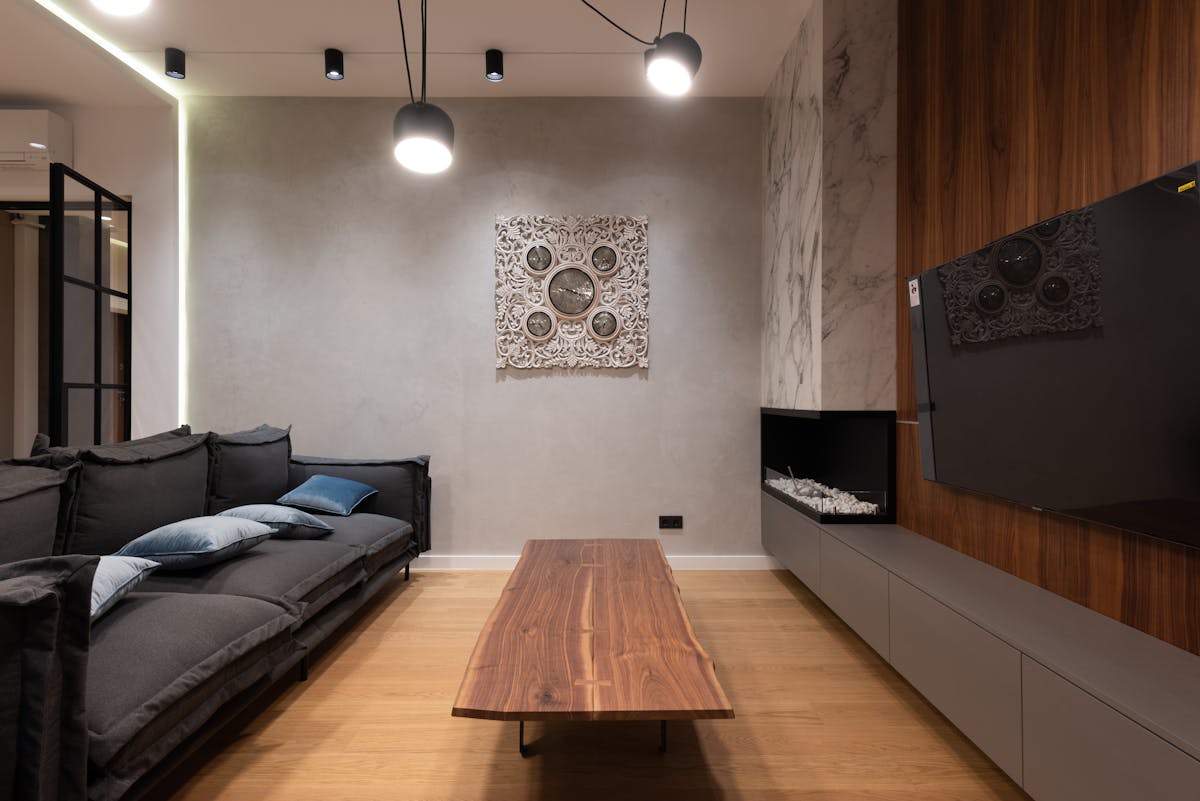
Image 3 – Limewash-Style Textured Living Room Wall
Placement location: After the list in “What Is Limewash, Really?” that explains using ready-made limewash or DIY mixtures.
Image description: A living room with a large, light warm-beige limewash or faux-plaster feature wall behind a simple sofa. The wall surface shows soft, cloudy variations in tone, with subtle brush or trowel movement that creates depth. The room includes minimalist furniture in neutral fabrics, a natural wood coffee table, and perhaps a jute or woven rug, emphasizing the Mediterranean-inspired, quiet luxury feel. No artwork is needed on the wall so the texture is clearly visible. No people appear in the image.
Supported sentence/keyword: “Limewash and faux-plaster finishes are surging… soft, cloud-like walls… subtle movement and texture that feels more artisanal than flat paint.”
 SEO-optimized alt text: Living room with warm beige limewash textured accent wall and minimalist neutral furniture
