
CRISPR Cures Arrive: How Gene Editing Therapies Are Transforming Medicine
In less than a decade, CRISPR–Cas systems have progressed from a biological curiosity to the engine of an entirely new class of medicines. Today, multiple CRISPR therapies are in late-stage clinical trials, and the first CRISPR-based treatment for sickle cell disease and transfusion-dependent beta-thalassemia has gained regulatory approval in the US, UK, and other regions. For patients, this is not just a scientific breakthrough; it is the moment when a single infusion of edited cells can potentially end a lifetime of pain crises, transfusions, and organ damage.
Mission Overview: From Bacterial Immunity to Human Therapy
CRISPR–Cas systems originated as an adaptive immune mechanism in bacteria and archaea, allowing them to recognize and cut viral DNA. Researchers including Emmanuelle Charpentier and Jennifer Doudna showed in 2012–2013 that these systems could be repurposed as programmable tools for editing DNA in almost any organism. The central mission in medicine has since been clear: turn CRISPR into a safe, precise, and clinically reliable way to correct or disable disease-causing genes in human cells.
“We are witnessing the birth of a new era in medicine, where we can treat the cause of a disease at the level of DNA, not just manage its symptoms.”
Today’s first-in-class CRISPR medicines focus mainly on blood disorders, liver diseases, and eye conditions—places where cells are accessible, biomarkers are clear, and biological risk can be carefully managed. But these early indications are widely viewed as the vanguard of a much broader therapeutic revolution.
Clinical Approvals and Late‑Stage Trials: Why CRISPR Is Trending Now
The spotlight on CRISPR intensified in 2023–2025 as the first ex vivo CRISPR therapy for sickle cell disease (SCD) and transfusion‑dependent beta‑thalassemia (TDT) achieved regulatory approvals in multiple regions. These approvals followed phase 2/3 data showing high proportions of patients becoming free of severe pain crises (in SCD) or no longer needing blood transfusions (in TDT) for many months to years after treatment.
- Real patient impact: Patients who previously required monthly transfusions or frequent hospitalizations reported returning to work, school, and daily activities with greatly reduced symptoms.
- Regulatory milestones: Priority reviews, breakthrough therapy designations, and accelerated approvals signaled that regulators view the benefit–risk profile of these therapies as favorable for carefully selected patients.
- Pipeline expansion: Dozens of trials now explore CRISPR for inherited eye diseases, transthyretin amyloidosis, hemophilia, cancer immunotherapies, and more.
These clinical milestones transformed CRISPR from a hypothetical “future cure” into an option that hematologists, genetic counselors, and patients actively discuss in real clinic visits.
Technology: How CRISPR Gene Editing Therapies Work
At the core of every CRISPR therapy is a programmable nuclease system—most commonly CRISPR–Cas9—directed to a specific DNA sequence by a guide RNA. Once bound, Cas9 generates a break or modification in the DNA, which the cell’s repair mechanisms then process. Therapeutic designs exploit this process to correct, disrupt, or modulate genes.
CRISPR–Cas9: The Foundational Tool
A standard CRISPR–Cas9 editing complex includes:
- Cas9 protein: A DNA-cutting enzyme (endonuclease) that creates a double-strand break (DSB) or nick at the target site.
- Single-guide RNA (sgRNA): A short RNA molecule engineered to base-pair with the target DNA sequence and recruit Cas9.
- Optional repair template: A DNA sequence supplied to guide homology-directed repair (HDR) for precise insertions or corrections (less common in current in vivo therapies).
Ex Vivo vs In Vivo Editing
Clinical CRISPR therapies use two main delivery paradigms:
- Ex vivo editing: Cells are harvested from the patient, edited in a controlled laboratory environment, tested for quality, and then reinfused.
- Common for hematopoietic stem cell (HSC) therapies in SCD and TDT.
- Advantages: rigorous control over editing efficiency and off-target assessment.
- Disadvantages: requires conditioning chemotherapy, specialized facilities, and complex logistics.
- In vivo editing: The CRISPR components are delivered directly into the patient’s body, often using lipid nanoparticles (LNPs) or viral vectors.
- Common current targets: liver (e.g., transthyretin amyloidosis) and retina.
- Advantages: simpler for patients—no cell extraction or transplant.
- Disadvantages: harder to control dose and distribution; systemic safety is critical.
Next-Generation Editors: Base Editing and Prime Editing
Because making DSBs in DNA carries risk, newer CRISPR variants aim for more precise and less disruptive editing:
- Base editors: Fuse a catalytically impaired Cas protein to a deaminase enzyme, enabling direct chemical conversion of one base to another (e.g., C→T or A→G) without a DSB.
- Prime editors: Combine Cas nickase with a reverse transcriptase and an extended guide RNA to write new sequences with fewer off-target changes and reduced reliance on HDR.
Early clinical and preclinical programs are now exploring base editing for blood disorders, cardiovascular risk factors (such as PCSK9 and ANGPTL3), and rare metabolic diseases.
CRISPR for Blood Disorders: Sickle Cell Disease and Beta‑Thalassemia
Sickle cell disease and beta-thalassemia are ideal early targets because they arise from well-understood single-gene defects in the beta-globin gene (HBB) and primarily affect blood cells derived from hematopoietic stem cells in the bone marrow.
Therapeutic Strategy: Reactivating Fetal Hemoglobin
Rather than directly fixing the HBB mutation, most approved and late-stage CRISPR therapies for these diseases use an indirect but powerful strategy: reactivating fetal hemoglobin (HbF).
- HSCs are collected from the patient via apheresis.
- Ex vivo, CRISPR edits disrupt a regulatory element in the BCL11A gene or its erythroid-specific enhancer.
- Loss of BCL11A activity in red blood cell precursors lifts repression on the fetal hemoglobin gene cluster.
- High-level HbF production compensates for defective adult hemoglobin, reducing sickling and improving red blood cell survival.
Clinical trial participants have shown:
- Near-elimination of severe vaso-occlusive crises in SCD.
- Long-term independence from transfusions in TDT.
- Stable engraftment of edited HSCs over years of follow-up.
“For the first time, we are seeing functional cures in some individuals with sickle cell disease—patients who no longer experience the relentless cycle of pain and hospitalization.”
However, these benefits come with significant clinical intensity: patients must undergo myeloablative conditioning chemotherapy, and the procedures require advanced transplant centers and multidisciplinary teams.
In Vivo CRISPR Therapies: Editing Inside the Body
In vivo CRISPR therapies aim to simplify treatment by delivering the gene-editing machinery directly to target tissues, avoiding the need for stem cell transplant. The liver has emerged as a leading target because many secreted proteins—such as transthyretin (TTR), clotting factors, and lipid regulators—are produced by hepatocytes.
Liver-Targeted Editing
Several clinical programs use lipid nanoparticles (LNPs) to deliver CRISPR–Cas9 mRNA and guide RNAs to hepatocytes. For example:
- Transthyretin amyloidosis (ATTR): CRISPR editing knocks out the TTR gene in the liver to drastically reduce circulating TTR protein, which forms amyloid deposits.
- Cardiovascular risk: Experimental programs target genes like PCSK9 or ANGPTL3 to durably lower LDL cholesterol or triglycerides with a single treatment.
Early human data show:
- Rapid and sustained reduction of disease-causing proteins in serum.
- Encouraging safety profiles with limited serious adverse events in initial cohorts.
- Evidence that a single IV infusion can achieve durable editing in a large fraction of hepatocytes.
Ocular and Other Localized Targets
The eye is also attractive for in vivo editing because it is relatively immune-privileged and accessible via local injection. Trials are investigating CRISPR treatments for inherited retinal dystrophies, aiming to preserve or restore vision by correcting mutations in photoreceptor cells.
Beyond Human Medicine: Agriculture, Ecology, and Basic Research
While clinical gene editing dominates headlines, CRISPR is simultaneously reshaping agriculture, environmental science, and fundamental biology.
Agricultural Applications
- Disease-resistant crops: Editing plant genomes to resist viral, bacterial, and fungal pathogens, reducing reliance on chemical pesticides.
- Improved yield and nutrition: Modifying genes that control plant architecture, stress tolerance, or nutrient content.
- Non-transgenic edits: Many CRISPR-edited crops introduce small changes indistinguishable from natural mutations, complicating regulatory classification.
Ecology and Gene Drives
CRISPR-based gene drives can bias inheritance to spread a genetic trait rapidly through a population—potentially controlling vectors like malaria-carrying mosquitoes. However, ecological uncertainty and ethical concerns have kept most gene-drive work in early-stage research and confined laboratory studies.
Functional Genomics
In basic research, pooled CRISPR screens enable systematic disruption or activation of thousands of genes to map their roles in cell survival, differentiation, and disease. These tools have become standard in cancer biology, immunology, and neuroscience labs worldwide.
Scientific Significance: Why CRISPR Therapies Matter
CRISPR therapeutics do more than treat specific conditions; they also validate a fundamentally new paradigm: programmable, modular medicines built on nucleic-acid recognition. This is analogous to how monoclonal antibodies created a platform for targeting virtually any protein.
- Precision at the causal locus: Rather than adjusting downstream pathways, CRISPR can act directly at the disease-causing variant or regulatory sequence.
- Durability: Successful edits in long-lived cells can provide multi-year or even lifelong benefit from a single treatment.
- Platform scalability: Once a delivery and safety framework is established, new therapies can often be developed by swapping guide RNAs and modestly adapting the system.
“CRISPR turns the genome into a writable medium. The pressing question is not just what we can write, but what we should.”
These features make CRISPR central to discussions of human evolution in the broad sense: by editing our own genomes, we begin to shift from passive recipients of genetic inheritance to active participants in shaping biological futures.
Ethical, Social, and Evolutionary Questions
The rapid ascent of CRISPR therapies has intensified public debate about how far and how fast genetic editing should go, particularly when edits could affect future generations.
Somatic vs Germline Editing
- Somatic editing: Targets non-reproductive cells; changes are not inherited by offspring. Current clinical therapies are exclusively somatic.
- Germline editing: Targets embryos, sperm, or eggs, leading to heritable changes. A broad international consensus currently holds that germline editing should not proceed clinically until safety, ethics, and governance are far better established.
High-profile controversies around unauthorized embryo editing underscored the need for global standards, transparent governance, and public engagement.
Off-Target Effects and Genomic Integrity
Even highly specific CRISPR editors can occasionally cut or modify unintended sites, raising concerns about oncogenesis or other long-term consequences. Advanced sequencing and computational tools are used in trials to:
- Map potential off-target sites in silico.
- Empirically measure editing outcomes in patient cells.
- Monitor for clonal expansions or genomic rearrangements over time.
Access, Equity, and Global Health
Ex vivo CRISPR therapies for blood disorders can cost in the millions of dollars per patient and require sophisticated infrastructure—raising a fundamental equity question: will the people most affected by diseases like sickle cell (often in low-resource settings) have access to these cures?
Policymakers, payers, and global health organizations are now exploring:
- Outcome-based payment models for one-time curative therapies.
- Technology transfer to increase capacity in regions with high disease burden.
- Simplified in vivo or in situ editing approaches that could be delivered more broadly.
Milestones: Key Moments in CRISPR’s Path to the Clinic
The journey from discovery to approved therapy has been remarkably fast by biomedical standards. Some landmark milestones include:
- 2012–2013: Demonstration that CRISPR–Cas9 can be programmed to edit genomes in human cells.
- 2016–2018: First in-human CRISPR trials, including ex vivo editing of immune cells for cancer and early work in eye diseases.
- 2019–2021: Publication of early results from SCD and TDT trials showing high rates of transfusion independence and symptom relief.
- 2023–2025: Regulatory approvals of the first CRISPR-based gene-editing therapy for SCD and TDT, alongside promising in vivo data for liver-targeted diseases.
- Ongoing: Expansion into base-editing, prime-editing, and multiplex editing clinical candidates.
Challenges: Technical, Clinical, and Practical Hurdles
Despite dramatic successes, CRISPR-based therapies face substantial challenges that researchers and clinicians are actively working to solve.
Delivery and Targeting
Efficiently delivering editors to the right cells without provoking strong immune reactions remains one of the hardest problems. Current strategies include:
- Lipid nanoparticle formulations tuned for specific tissues.
- Engineered viral vectors with improved tropism and reduced immunogenicity.
- Non-viral delivery approaches such as electroporation (ex vivo) or novel nanoparticles (in vivo).
Safety and Long-Term Follow-Up
Long-term safety is still being established. Clinical protocols incorporate:
- Extended patient follow-up (often 15 years or more for gene therapies).
- Registries to monitor for late-emerging effects across treatment centers.
- Adaptive trial designs to update dosing and eligibility as new data emerge.
Manufacturing and Scalability
Scaling high-quality CRISPR therapeutics requires:
- Robust, reproducible processes for Cas proteins, guide RNAs, and delivery vehicles.
- Automated systems for ex vivo cell processing where applicable.
- Global supply chains capable of supporting both high-income and low-income regions.
Cost and Health-System Integration
The cost of CRISPR therapies reflects complex manufacturing, long clinical development, and small initial patient populations. Health systems are experimenting with:
- Value-based contracts tied to long-term outcomes.
- Risk-pooling mechanisms for rare but high-cost therapies.
- Comparative-effectiveness analyses against standard care like chronic transfusions or small-molecule drugs.
Learning More: Resources for Professionals and Enthusiasts
For readers who want to go deeper into CRISPR technology, clinical trial data, and ethical frameworks, numerous high-quality resources are available online.
Books and Background Reading
- The Code Breaker by Walter Isaacson — a detailed narrative of CRISPR’s discovery and early clinical implications.
- A Crack in Creation by Jennifer Doudna and Samuel Sternberg — a first-person account from one of CRISPR’s pioneers, covering scientific foundations and ethical debates.
Key Online Resources
- Nature: CRISPR collection — curated research and news on CRISPR and gene editing.
- National Human Genome Research Institute (NHGRI): CRISPR explainer — accessible introductions suitable for students and non-specialists.
- ClinicalTrials.gov CRISPR studies — searchable registry of ongoing and completed clinical trials using CRISPR-based technologies.
Video and Social Media
- YouTube educational videos on CRISPR gene editing — animated explainers, lectures, and interviews with scientists.
- Many leading genome-editing researchers and bioethicists share updates and perspectives on platforms like LinkedIn and X (formerly Twitter), offering real-time commentary on new data and policy developments.
Visualizing CRISPR in the Clinic
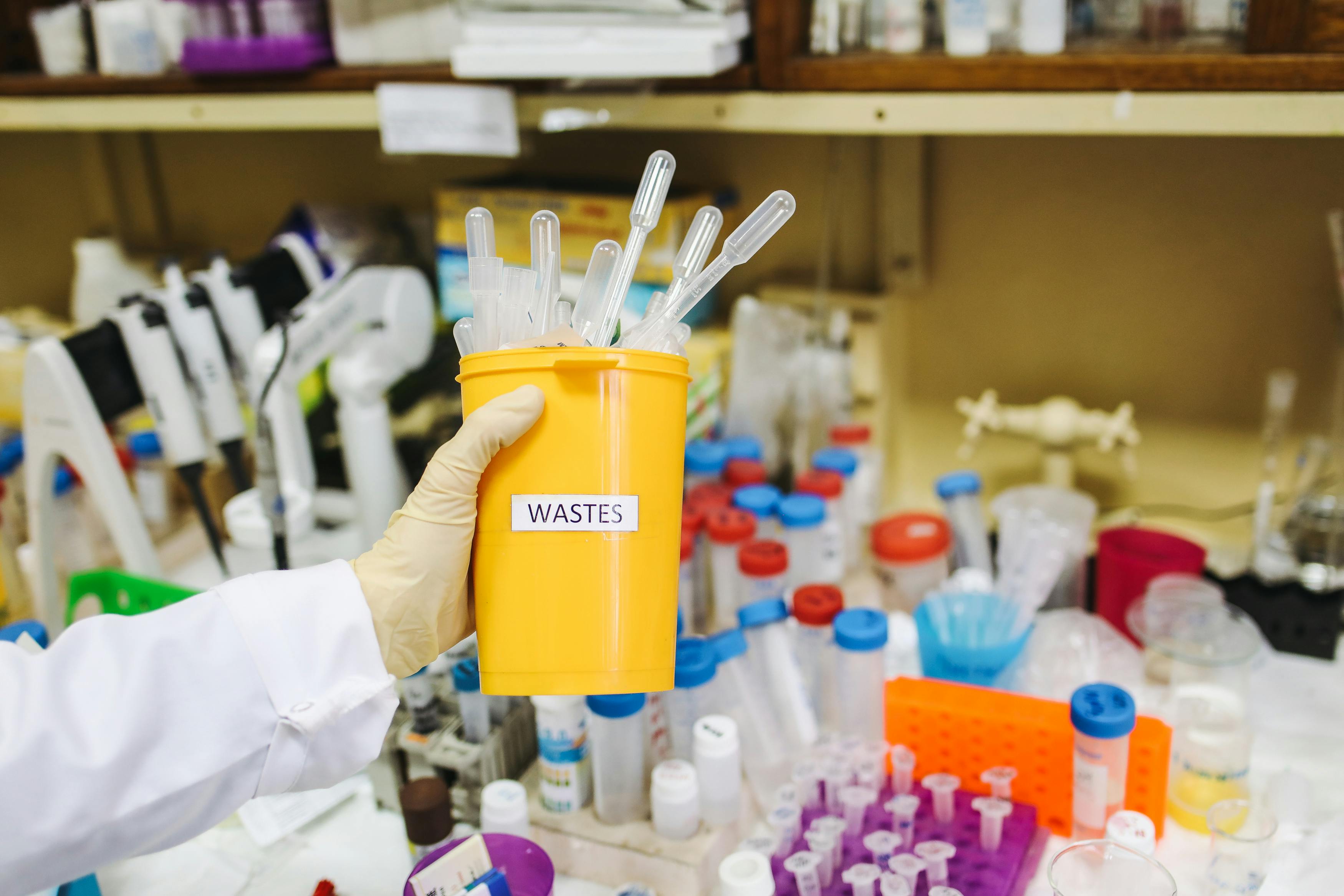
The following illustrative images help contextualize how CRISPR therapies move from concept to clinical reality. All images are high-resolution, royalty-free, and accessible.



Practical Considerations for Patients and Clinicians
As CRISPR therapies become available, patients, families, and healthcare providers face complex decisions about timing, eligibility, and alternatives.
Questions Patients Commonly Ask
- Am I eligible for a CRISPR-based therapy or clinical trial given my specific mutation and health status?
- How do the potential benefits compare to established options like bone marrow transplant or chronic medication?
- What are the risks of conditioning chemotherapy, and how long is the recovery?
- How will long-term follow-up be handled, and what happens if new data emerge?
Role of Multidisciplinary Teams
Effective implementation of CRISPR therapies typically involves:
- Hematologists or other disease specialists.
- Transplant physicians and cell-therapy experts.
- Genetic counselors to explain inheritance, risk, and test results.
- Ethicists and social workers to address consent, equity, and psychosocial support.
Conclusion: Entering the Era of Programmable Medicine
CRISPR-based gene editing therapies have crossed a historic threshold: they are no longer confined to proof-of-concept studies but are delivering real, durable benefits for people with devastating genetic diseases. From ex vivo editing of blood stem cells to in vivo liver-targeted therapies, these interventions demonstrate that it is possible to rewrite the genetic instructions underlying human disease.
At the same time, this power demands rigorous safeguards, inclusive governance, and sustained investment in access and equity. The near future will likely bring:
- More approved indications across hematology, cardiology, neurology, and ophthalmology.
- Refined editors with improved specificity and fewer off-target effects.
- Delivery innovations that simplify treatment and broaden global reach.
For scientists, clinicians, policymakers, and patients, staying informed about clinical data, regulatory developments, and ethical guidelines is essential. CRISPR therapies are not just another incremental medical advance; they are a foundational shift toward programmable, genome-level interventions that will shape medicine for decades to come.
Additional Insights: How to Follow CRISPR Progress Responsibly
Online discussions about CRISPR often mix rigorous science with hype. To follow developments responsibly:
- Check primary sources: Whenever possible, read or skim the original clinical trial publications or regulatory summaries, not just headlines.
- Distinguish preclinical from clinical: Animal studies and cell experiments are important but may be many years from human application.
- Watch for long-term data: Early response rates matter, but long-term durability and safety will determine how widely therapies are adopted.
- Engage with experts: Follow professional societies, academic centers, and recognized genome-editing researchers rather than anonymous social media accounts.
As the field evolves, a scientifically literate and ethically engaged public will be crucial in shaping policies that maximize benefit, minimize harm, and ensure that CRISPR’s promise is shared as widely and fairly as possible.
References / Sources
Selected reputable sources for further reading on CRISPR-based therapies and clinical development:
- National Human Genome Research Institute (NHGRI) — CRISPR Genome Editing: https://www.genome.gov/about-genomics/policy-issues/Genome-Editing/what-is-CRISPR
- Nature CRISPR Focus: https://www.nature.com/collections/jcpghfmqlz
- New England Journal of Medicine — Clinical trials of CRISPR in Sickle Cell Disease and Beta-Thalassemia: https://www.nejm.org/search?q=CRISPR+sickle+cell
- World Health Organization — Human Genome Editing Governance: https://www.who.int/health-topics/human-genome-editing
- ClinicalTrials.gov — CRISPR-related studies: https://clinicaltrials.gov/search?cond=CRISPR
