
Could a Simple Pill Help Sleep Apnea? What a New Clinical Trial Really Shows
Millions of people live with sleep apnea, waking up unrefreshed, foggy, and frustrated—often despite trying bulky masks, noisy machines, or uncomfortable mouthpieces. Now, early data from a clinical trial suggests that a simple daily pill, using an older anti-seizure medication, might help reduce apnea episodes for some people.
If you’ve ever thought, “There has to be an easier way than this CPAP,” you’re not alone. While this potential “pill for sleep apnea” is not a cure and not ready to replace existing treatments, the research is exciting enough that many patients and clinicians are watching it closely.

Below, we’ll unpack what this study actually showed, what it might mean for your sleep apnea treatment in the future, and what you can do now—long before any pill reaches your local pharmacy.
Why Sleep Apnea Is So Hard to Treat (and Why a Pill Sounds So Appealing)
Obstructive sleep apnea (OSA) happens when the airway repeatedly collapses or gets blocked during sleep, causing breathing pauses called “apneas” and shallow breathing episodes called “hypopneas.” These events can:
- Drop blood oxygen levels, straining the heart and blood vessels
- Fragment sleep, leading to morning headaches, fatigue, and “brain fog”
- Increase risks of high blood pressure, heart disease, stroke, and type 2 diabetes over time[1]
The current gold-standard treatment is continuous positive airway pressure (CPAP), which uses gentle air pressure to keep the airway open. CPAP is highly effective when used consistently—but many people struggle with:
- Mask discomfort or skin irritation
- Claustrophobia or anxiety
- Noise from the machine
- Dry mouth, congestion, or air leaks
“Even in well-run sleep clinics, long-term CPAP adherence is often under 50%. A treatment only works if people can actually live with it.”
— Sleep medicine specialist, summarizing adherence research
That’s why a daily pill—something familiar, portable, and easy to fit into a routine—sounds incredibly attractive. The new clinical trial focused on exactly that idea: using an older, already-approved anti-seizure drug in a new way for sleep apnea.
What Is This “Old Anti-Seizure Drug” Being Tested for Sleep Apnea?
The recent trial, reported in early 2026 news coverage, examined an established anti-seizure (antiepileptic) medication that has been on the market for years for conditions like epilepsy and sometimes nerve pain. While the specific drug name in this study is less important than how it works, the key idea is:
- It affects the central nervous system (CNS), particularly brain pathways that help control muscle tone and breathing stability.
- Researchers suspected it might prevent the airway from collapsing as easily during sleep.
- Because it’s an older drug, we already have substantial safety data from other conditions, which can speed up research for new uses.
In scientific terms, this is called drug repurposing—using an existing drug, with known safety and side-effect profiles, to treat a new condition.
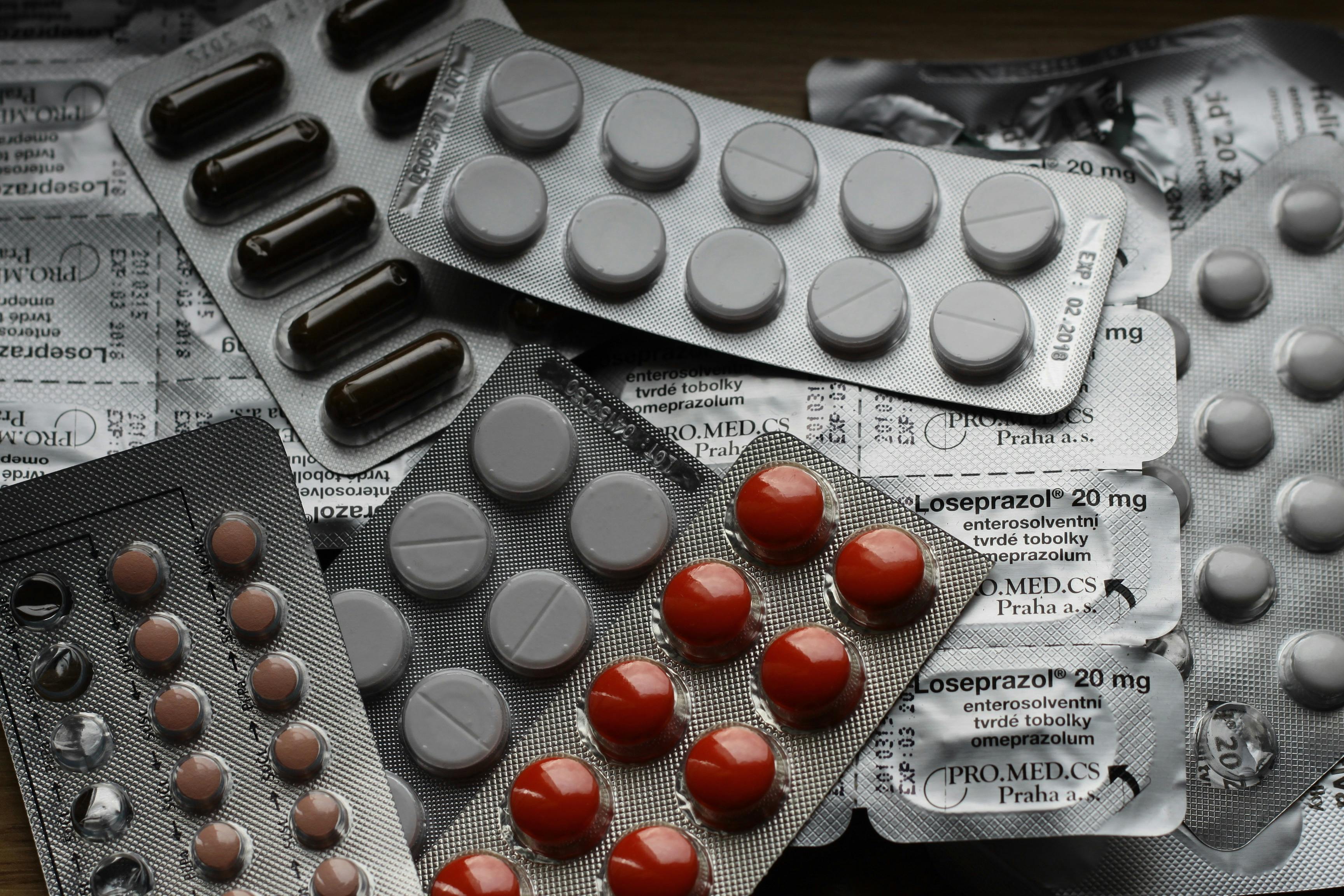
Because the trial is still in its early stages and not yet part of formal treatment guidelines, you may not see this drug listed as a standard therapy for sleep apnea in major medical organizations’ recommendations.
How Could a Pill Help Sleep Apnea? Understanding the Science
Obstructive sleep apnea is not just an “anatomy problem” (for example, a large tongue or narrow airway). It’s also a problem of how the brain controls breathing and airway muscles during sleep. Researchers have identified several traits that influence who gets sleep apnea and how severe it becomes:
- Airway collapsibility: How easily the throat closes during sleep.
- Muscle responsiveness: How strongly the muscles around the airway respond to a partial collapse.
- “Loop gain” (breathing stability): How sensitive the brain’s breathing control system is to changes in oxygen and carbon dioxide.
- Arousal threshold: How easily someone wakes up in response to breathing changes.
Many neurologically active drugs—especially anti-seizure medications—can influence some of these traits. The drug tested in the recent trial appears to:
- Improve the stability of breathing control (lowering “loop gain”)
- Help airway muscles maintain tone during sleep
- Possibly change how quickly the brain responds to subtle drops in oxygen or rises in CO₂
“Instead of forcing the airway open from the outside, as CPAP does, we’re trying to help the body keep the airway open from the inside.”
— Researcher involved in pharmacologic sleep apnea studies (paraphrased from emerging literature)
This doesn’t mean a pill can “fix” the anatomy of your airway, but it may improve how your nervous system manages that anatomy during sleep, reducing the number and severity of obstructive events.
What Did the New Clinical Trial Actually Show?
According to early 2026 reporting, the clinical trial enrolled adults with obstructive sleep apnea and gave them a daily dose of the repurposed anti-seizure drug versus a placebo. Participants underwent overnight sleep studies (polysomnography) to measure changes in their:
- Apnea–hypopnea index (AHI): Number of apnea and hypopnea events per hour of sleep
- Oxygen saturation patterns: How often and how low their oxygen levels dropped overnight
- Sleep architecture: Time spent in different sleep stages (light, deep, REM)
- Daytime symptoms: Sleepiness, fatigue, and sometimes quality-of-life measures
While full peer-reviewed publications may still be pending, preliminary data presented in the coverage suggest:
- A statistically significant reduction in AHI in the treatment group compared with placebo.
- The effect was meaningful but not complete—most participants still had some degree of sleep apnea.
- Some participants experienced larger improvements than others, suggesting that individual traits (like breathing control sensitivity and airway anatomy) matter.
- Side effects similar to those seen when the drug is used for its original purpose (for example, dizziness, fatigue, and sometimes mood or balance changes), but serious adverse events appeared uncommon in the early data disclosed.
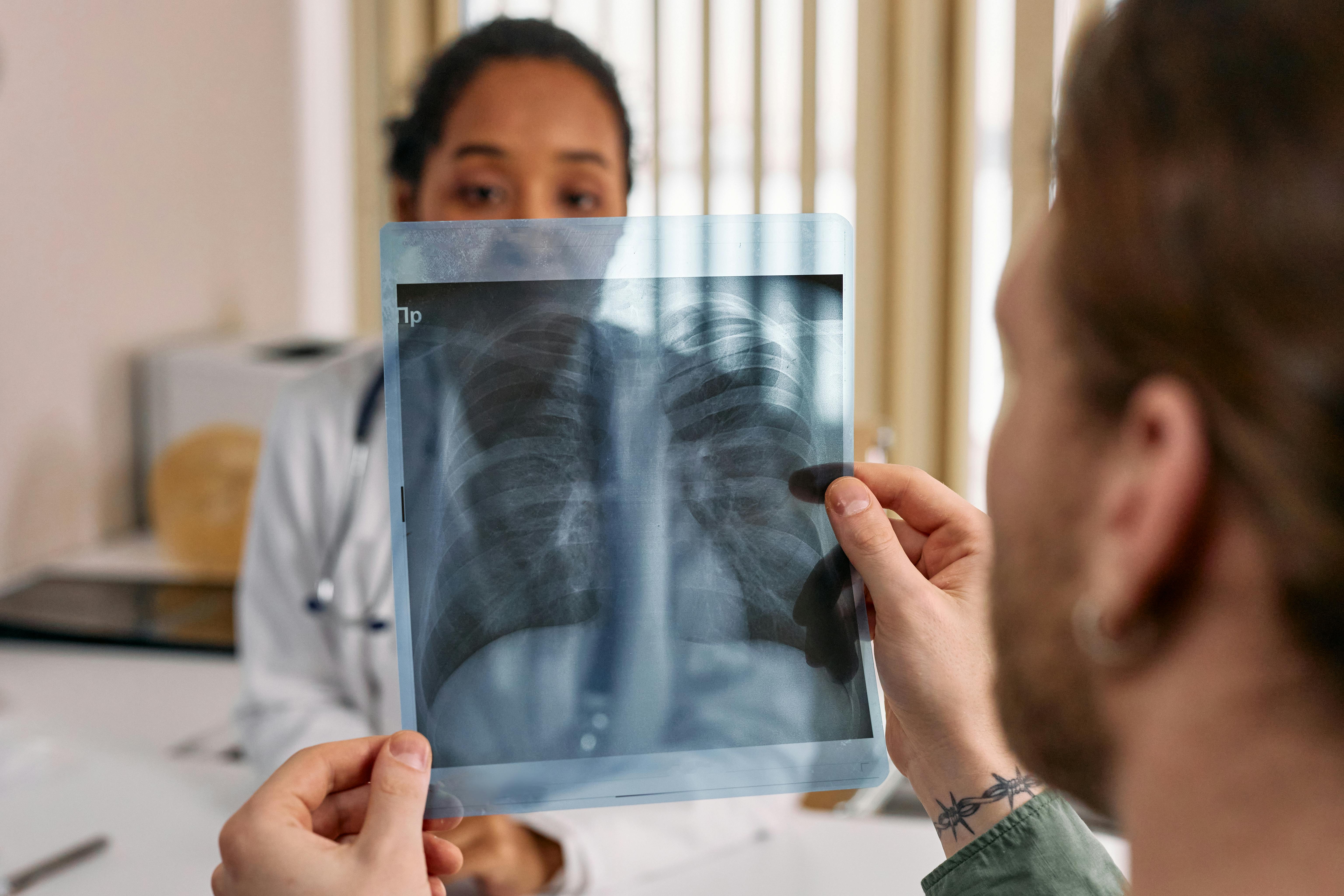
Importantly, this was not a head-to-head comparison against CPAP, oral appliances, or surgery. So we cannot say that the pill is “better” or “worse” than current treatments. The fairest interpretation is that it may become:
- A potential add-on therapy for people who already use CPAP or other treatments but still have significant symptoms, or
- A possible option for people who absolutely cannot tolerate mechanical treatments—if future studies confirm safety and benefits.
Who Might Benefit Most from a Future Sleep Apnea Pill?
Not all sleep apnea is the same. Early pharmacologic studies suggest that medications are more likely to help when a person’s apnea is driven less by anatomy alone and more by how the brain and breathing control system behave during sleep.
Based on similar research, people who may benefit from a medication-based approach could include those who:
- Have mild to moderate OSA rather than very severe anatomical obstruction
- Have high “loop gain” (very sensitive breathing control), which a sleep specialist can sometimes infer from detailed sleep study data
- Struggle with CPAP or oral appliance adherence despite best efforts and adjustments
- Have other conditions already treated with similar medications, where one carefully chosen drug might address multiple issues
On the other hand, people with very severe anatomical narrowing—for example, due to large tonsils, extreme obesity, or specific jaw structures—may still need mechanical support (CPAP, BiPAP, oral devices, surgery) even if a pill is added.
“Medications are unlikely to replace CPAP for everyone. Instead, they may become one more tool in a tailored, person-specific treatment plan.”
— Editorial perspective from sleep medicine literature
Imagining the Impact: Before and After a Pharmacologic Option
To understand what this might look like in real life, let’s imagine a typical scenario based on patterns sleep specialists commonly see.

Before: A 52-year-old with moderate OSA is prescribed CPAP. It works beautifully on the sleep study, reducing their AHI from 28 to 3. At home, though, they:
- Wake up repeatedly adjusting the mask
- Develop dryness and nasal congestion
- Use the device only 3–4 nights per week, for part of the night
Their real-world AHI and symptoms are only partly improved, and their cardiovascular risks may still be elevated.
Potential future “after” scenario (if medication is proven and approved): In addition to CPAP, their clinician prescribes a low dose of a sleep-apnea–targeted medication:
- Their airway becomes less prone to collapse.
- Even on nights when they take off CPAP early, their AHI is still lower than it used to be.
- Over time, they feel more rested and stick with treatment more consistently.
This kind of combination approach—mechanical support plus pharmacologic support—is what many sleep experts envision as most realistic.
Risks, Side Effects, and Limitations: What We Need to Watch For
Any medication that acts on the brain or nervous system carries risks. The anti-seizure drug in question already has a known side-effect profile from its original uses, which can include:
- Drowsiness or fatigue
- Dizziness, balance problems, or coordination issues
- Mood changes or, rarely, worsening depression or anxiety
- Weight changes or appetite changes (depending on the medication)
- Possible interactions with other drugs, including those for blood pressure, mood, or seizures
For sleep apnea patients, some specific concerns include:
- Over-sedation: A drug that makes you too sleepy could worsen breathing in some people, especially if they also take opioids, alcohol, or other sedatives.
- Driving safety: Daytime drowsiness plus medication side effects could impair driving or operating machinery.
- Kidney or liver function: Many anti-seizure drugs are processed through these organs and may require monitoring.

We also don’t yet know:
- How the drug performs over many years of nightly use
- Whether there are rare long-term side effects that only appear with time
- Which subgroups (by age, sex, weight, coexisting conditions) benefit most or least
- How it compares to or combines with other emerging pharmacologic treatments
What You Can Do Now While We Wait for More Research
You don’t have to wait for a future pill to improve your sleep apnea. Evidence-based strategies already exist—and combining them thoughtfully can make a big difference.
1. Optimize your current treatment
- Work with your sleep clinic to adjust CPAP pressure, mask type, or humidification.
- Ask about trying different interfaces (nasal pillows, full-face masks, nasal masks).
- Use mask liners or strap pads to improve comfort.
2. Address lifestyle factors that worsen OSA
- Weight management: Even 5–10% weight loss can reduce apnea severity in some people.[3]
- Alcohol and sedatives: Avoid them in the hours before bed, as they relax airway muscles.
- Sleep position: Some people have “positional” OSA that is much worse on their back; positional therapy devices can help.
3. Explore alternative or additional treatments
- Oral appliances fitted by a dentist trained in sleep medicine
- Upper airway surgery or procedures for carefully selected patients
- Hypoglossal nerve stimulation (an implanted device for certain moderate–severe OSA cases)
4. Stay informed—without chasing every headline
- Ask your sleep specialist whether any clinical trials are enrolling in your area.
- Follow updates from reputable organizations like the American Academy of Sleep Medicine (AASM).
- Be cautious of online “miracle cures” or unregulated supplements claiming to cure sleep apnea.
Looking Ahead: A More Personalized Future for Sleep Apnea Care
The idea of a “pill for sleep apnea” captures our imagination because it promises something so many people want: fewer wires and masks, more freedom, and better sleep. The latest clinical trial with an older anti-seizure medication is an encouraging step in that direction, showing that it may be possible to meaningfully reduce apnea episodes with a daily pill for at least some patients.
At the same time, the evidence is still emerging. We don’t yet know who will benefit most, how strong and durable the effects will be, or how these medications will fit alongside CPAP, oral appliances, and other therapies.
For now, the most empowering approach is to:
- Make the most of the treatments we already know work.
- Partner closely with your healthcare team and communicate honestly about your challenges.
- Stay curious—but cautious—about new science as it develops.
You deserve sleep that leaves you clear-headed, energetic, and fully present in your life. While a single pill may not be a magic fix, it could become part of a smarter, more personalized toolkit for treating sleep apnea in the years ahead.
If you suspect you have sleep apnea—or if your current treatment isn’t working as well as you’d hoped—reach out to a sleep specialist. The sooner you start a conversation, the more options you’ll have, both today and as new therapies emerge.
References and Further Reading
- American Heart Association. Sleep Apnea. Accessed 2026.
- Edwards BA, Redline S, Sands SA, et al. “Pharmacotherapy for Obstructive Sleep Apnea.” Sleep Medicine Reviews. 2021.
- Araghi MH, Chen Y-F, Jagielski A, et al. “Effectiveness of lifestyle interventions on obstructive sleep apnea (OSA): systematic review and meta-analysis.” Sleep. 2013 (and subsequent updates).
