
Christie Brinkley’s Moving Tribute To Chuck Norris Shows How Friendship Can Transcend Politics
Christie Brinkley On Disagreeing With Chuck Norris Politically, But Missing Him All The Same
By Entertainment Desk | | Cinema & Culture Review
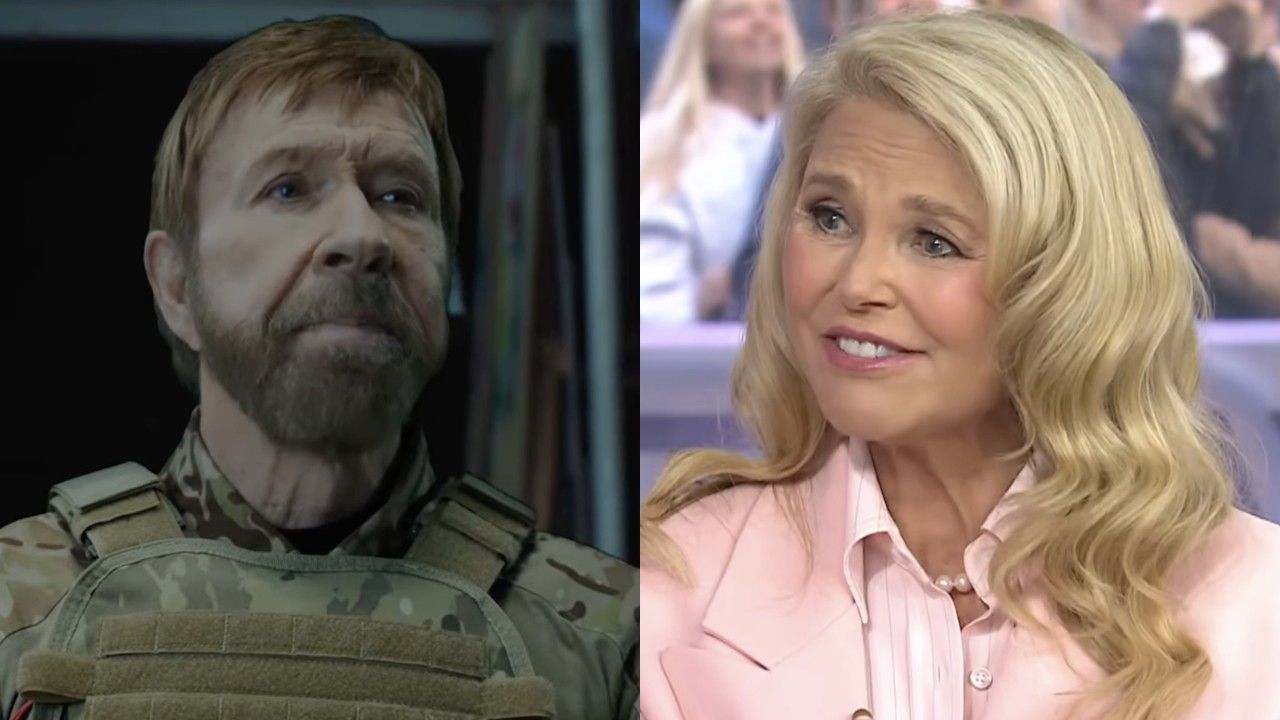
In the days following the death of action legend Chuck Norris at 86, social media has filled with tributes from fans, former co-stars, and fellow icons of ’80s and ’90s pop culture. One of the most thoughtful came from supermodel and actress Christie Brinkley, who honored her late friend while openly acknowledging that the two did not see eye to eye politically—yet still shared a genuine bond.
The moment is striking because it runs counter to the hyper-polarized script we’ve come to expect from celebrity discourse. Norris, best known for Walker, Texas Ranger and a string of hard‑hitting action films, was also an outspoken conservative. Brinkley, meanwhile, has been publicly aligned with more liberal causes. Her recent comments, shared after news of Norris’s passing, show how friendship can outlast ideology—a quietly radical idea in the current media climate.
Chuck Norris: From Martial Arts Icon To Meme-Age Legend
To understand why reactions to Chuck Norris’s death feel so widespread, you have to look at the unusual breadth of his cultural footprint. Before he was a household name on network TV, Norris was a legitimate martial arts champion, with multiple titles in karate and a reputation as a serious fighter, not just a movie tough guy.
Hollywood came calling in the 1970s. Norris memorably faced off against Bruce Lee in Way of the Dragon (1972), before headlining a run of action films such as:
- Good Guys Wear Black (1978)
- Missing in Action (1984)
- Code of Silence (1985)
- Delta Force (1986)
But it was CBS’s Walker, Texas Ranger (1993–2001) that made him a weeknight ritual. The series blended cowboy stoicism, martial arts, and moral-of-the-week plotting in a way that might feel quaint now, but at the time it was comfort TV for millions of American households.
Christie Brinkley’s Tribute: “Forever Grateful,” Even In Disagreement
In her response to Norris’s passing, Brinkley didn’t pretend their politics aligned. According to reporting from Yahoo Entertainment, she acknowledged that they had clear differences in how they saw the world. Yet she framed that friction as part of a larger, ultimately affectionate history between two people who shared real experiences.
“We didn’t agree on everything, especially politically, but I’m forever grateful for the kindness, generosity, and laughter Chuck brought into my life.”
That line—“forever grateful”—is the emotional center of her tribute. It turns what could have been a safe, generic statement into something textured: a small but meaningful admission that connection doesn’t require total ideological alignment.
Brinkley has long navigated the intersection of fashion, television, and activism, often aligning herself with environmental causes and progressive social issues. Norris, by contrast, wrote columns for conservative outlets and publicly supported Republican candidates. In today’s climate, that’s usually the part where people stop talking. Brinkley’s post, instead, leans into the complexity.
When Politics And Pop Culture Collide
Celebrity politics isn’t new—Jane Fonda, Charlton Heston, Barbra Streisand, and Clint Eastwood all turned their platforms into political megaphones long before social media. What has changed is the expectation that audiences must accept or reject entire public figures based on their affiliations.
Norris is a textbook example of this tension. Over the last two decades he became:
- A nostalgic TV hero for fans of Walker, Texas Ranger
- An internet icon through Chuck Norris “facts” and memes
- A political figurehead for portions of the conservative base
Brinkley’s tribute doesn’t erase his politics; it simply refuses to flatten him into nothing but those politics. That’s a nuanced stance at a time when nuance is often the first casualty of the discourse.

Why Brinkley’s Message Resonates In 2026
The power of Brinkley’s reflection isn’t just nostalgia; it’s timing. In 2026, American entertainment is more politically sorted than ever. Late-night hosts, streaming algorithms, even award-show speeches often feel pre‑labeled as “for” one side or another.
Against that backdrop, a public figure saying, in essence, “We cared about each other and we argued” is oddly refreshing. It suggests:
- Disagreement doesn’t have to cancel shared history.
- Kindness and gratitude can coexist with criticism.
- Fans are capable of holding more than one truth about a person at once.
None of this makes Norris’s political stances less real or less consequential. It simply acknowledges that, on a human level, people are larger than the headlines they generate.
“Pop culture keeps trying to sort people into heroes and villains; real life keeps reminding us everyone is both more flawed and more interesting than that.”

The Tribute’s Strengths—And What It Leaves Unsaid
Brinkley’s message succeeds as a personal remembrance. It highlights warmth, generosity, and specific memories, grounding Norris in her lived experience rather than in the partisan shorthand that often surrounds his name.
One reasonable critique is that, like many celebrity tributes, it doesn’t dive deeply into the more controversial aspects of Norris’s political advocacy. That’s not surprising—eulogies are rarely where people go for rigorous reckoning—but it does mean the statement functions more as a character note than a full accounting of his legacy.
Still, within the narrow lane of an Instagram‑style remembrance, Brinkley’s willingness to name the disagreement at all feels notable. Many tributes simply glide past ideology to keep things tidy; hers lets a little bit of the real-world mess show through.

Remembering Chuck Norris, And What Comes Next
Chuck Norris leaves behind a curious legacy: a serious martial artist turned TV cowboy turned meme-era punchline turned political symbol. Christie Brinkley’s heartfelt farewell reminds us that behind all of those layers was also a colleague and a friend.
As retrospectives of Norris’s career roll out—reappraisals of Walker, Texas Ranger, clips of that legendary Bruce Lee fight, think pieces about the Chuck Norris facts phenomenon—Brinkley’s note adds an important, if quieter, thread: that it’s possible to honor the good you experienced with someone while still seeing them clearly.
In a cultural moment that often demands we sort public figures into “with us” or “against us,” that may be the most radical part of her message. It’s less an attempt to close the book on Chuck Norris than an invitation to read it with all the pages intact.
Watch: Classic Chuck Norris In Action
For a sense of the on‑screen presence that made Norris such a staple of American action TV, you can revisit the original Walker, Texas Ranger opening below.
