Choosing Life in the Darkest Moments: How One Orange County Family Faces Dual Cancer Diagnoses Together
Choosing Life While Facing Death: What We Can Learn from Zak and Cori Salazar’s Dual Cancer Journey
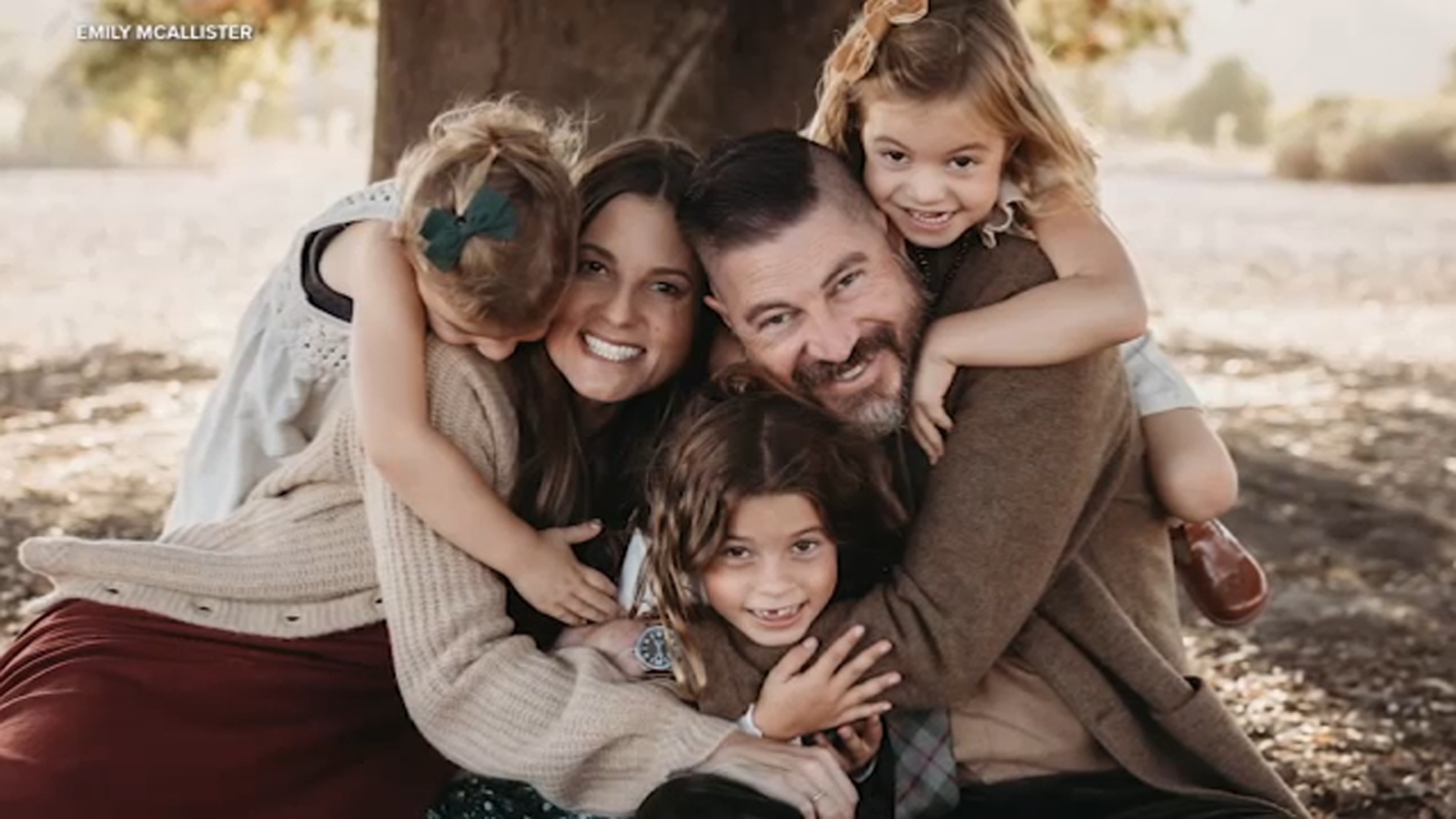
In Mission Viejo, California, Zak and Cori Salazar are raising three young children while both fighting cancer—Zak with a terminal diagnosis and Cori in her own battle for recovery. Their days are a mix of school runs, medical appointments, and quiet moments holding hands on the couch, fully aware that their time together may be painfully short.
Their story, recently shared by ABC7 Los Angeles, is heartbreaking and deeply inspiring. It’s not just about illness—it’s about how a family chooses love, presence, and meaning when the future is uncertain. In this article, we’ll walk through their situation, unpack what research says about coping with serious illness as a family, and explore practical ways any of us can live more fully—whether or not cancer is part of our story.
The Salazar Family’s Reality: Dual Cancer, Three Kids, and One Shared Goal
According to reporting by ABC7 Los Angeles, the Salazars live in Mission Viejo with their three young children. Both parents are living with cancer: Zak’s diagnosis is considered terminal, while Cori is undergoing her own treatments. The family navigates:
- Frequent medical appointments and treatment schedules
- Managing pain, fatigue, and side effects
- Explaining illness in age-appropriate ways to their kids
- Balancing hope with the reality of a limited prognosis
Yet, what stands out most in their story is not only the hardship but their conscious decision to prioritize time with their children—focusing on ordinary joys like playing, reading, and sharing meals together. They describe looming mortality as something that, paradoxically, has taught them how to live more fully.
“When you’re forced to face the possibility of dying, you stop postponing the things that really matter. You say ‘I love you’ more. You take the picture. You read the extra bedtime story.”
— Composite reflection based on families facing serious illness
The Hidden Toll of Serious Illness on Families
Dual cancer diagnoses in a family are rare, but the emotional landscape the Salazars are navigating is tragically common among families facing serious illness. Research on caregivers and patients with advanced cancer consistently shows:
- High emotional stress: Anxiety, depression, and anticipatory grief affect both patients and caregivers.
- Financial strain: Medical bills, reduced income, and childcare costs can quickly become overwhelming.
- Role overload: One partner may try to be caregiver, breadwinner, and parent all at once—or, as in the Salazars’ case, both parents are ill and must still parent together.
- Impact on children: Kids may experience confusion, fear, behavior changes, or school difficulties when a parent is seriously ill.
A 2020 review in the journal Palliative & Supportive Care found that family members of people with advanced cancer often carry a level of psychological distress equal to or even greater than the patient’s. That’s not because they’re weaker—it’s because they’re trying to hold everything together.
How Families Cope: Evidence-Based Strategies That Support Resilience
No two families will respond to illness in exactly the same way, but research in psycho-oncology (the study of psychological aspects of cancer) points to several coping strategies that can help. Many of these are visible in how the Salazars are choosing to live.
1. Focusing on What You Can Control
The Salazars cannot change Zak’s prognosis, but they can choose how they spend their days. This aligns with cognitive-behavioral approaches, which emphasize focusing on controllable actions rather than uncontrollable outcomes.
- Prioritize meaningful activities with loved ones.
- Manage medications, appointments, and symptom tracking proactively.
- Set small, achievable daily goals (e.g., a short walk, one-on-one time with each child).
2. Open, Age-Appropriate Communication with Children
Studies from organizations like the American Cancer Society and the American Academy of Pediatrics emphasize that, while painful, honest communication with children about illness generally reduces anxiety in the long term compared with secrecy.
- Use simple, concrete language (“Mom has an illness called cancer. The doctors are helping her.”).
- Encourage questions and repeat explanations over time.
- Reassure children they are not to blame and will be cared for.
3. Accepting Emotional Ups and Downs
Grief can start long before a death occurs. It’s normal to move between hope, sadness, anger, and gratitude—sometimes within a single day. Mindfulness-based interventions and supportive counseling have been shown to reduce distress for many patients and caregivers.
“Resilience in serious illness isn’t about being positive all the time. It’s about allowing the full range of feelings, while still engaging in what matters most to you.”
— Palliative care psychologist, paraphrased from clinical guidance
Practical Ways to “Choose Life” When the Future Is Uncertain
You don’t need a cancer diagnosis to benefit from the lessons in the Salazars’ story. These practical steps are grounded in what we see in resilient families, palliative care research, and long-term survivorship studies.
1. Create Everyday Rituals of Connection
Simple rituals can anchor a family during chaos. Examples include:
- A nightly “rose and thorn” check-in (one good thing, one hard thing from the day)
- Weekend pancakes, even if someone is too tired to join for long
- Reading the same short book or saying a shared phrase before bedtime
2. Preserve Memories Now, Not Later
Many families in situations like the Salazars choose to create memory projects for their children. These might not change medical outcomes, but they can be deeply healing for everyone involved.
- Record short video messages for birthdays or milestones.
- Write letters or create a memory book about “how we met,” “things I love about you,” and family stories.
- Take candid photos doing ordinary things together, not just big events.

3. Build a Support Network That Matches Your Needs
The Salazars, like many families in crisis, benefit when friends, neighbors, and community members step in. Research shows that social support is linked to better mental health and even, in some cases, longer survival among people with serious illness.
When people ask, “What can I do?” consider answering with something specific:
- “Could you take the kids to the park for an hour on Saturday?”
- “Would you be willing to organize a meal train for a few weeks?”
- “Could you drive us to an appointment once a month?”
Working with Your Medical Team: Advocacy, Palliative Care, and Second Opinions
While we don’t know every detail of the Salazars’ medical decisions, families in similar situations often find strength in becoming active partners with their care team. This doesn’t guarantee a cure—but it can improve quality of life and peace of mind.
1. Ask About Palliative Care Early
Palliative care is specialized medical care focused on relief from symptoms, pain, and stress of a serious illness—at any stage, not just at the end of life. Studies show palliative care can:
- Improve symptom control (pain, nausea, breathlessness)
- Reduce depression and anxiety
- Help clarify goals and treatment preferences
- Sometimes even extend survival in advanced cancer
2. Consider Second Opinions for Complex or Terminal Diagnoses
For serious conditions like advanced or rare cancers, major cancer centers may have clinical trials or specialized care teams. A second opinion can confirm the diagnosis, explore additional options, or simply provide reassurance that you’re on the right path.
3. Clarify Your Values and Preferences
Many families say the hardest decisions involve weighing more treatment against quality of life. Tools like advance directives and family meetings with the care team can help align medical decisions with what matters most—whether that’s time at home with kids, attending a specific milestone, or minimizing suffering.

Supporting Children When a Parent Has Cancer
The Salazars’ children are still very young, which can make conversations about illness and death especially delicate. Yet even small kids notice when routines shift or a parent is often tired or absent. Research and clinical guidelines suggest a few core principles.
1. Tell the Truth in Simple Terms
Experts recommend avoiding vague phrases like “Mom is just a little sick” when a serious diagnosis is involved. Instead, use clear language appropriate to their age:
- Preschool: “Daddy has an illness called cancer. The doctors are helping him.”
- School-age: “The cancer makes Dad very tired, and some medicines help, but some might not.”
- Teens: Involve them more directly in conversations if they want, and respect their questions.
2. Maintain Routines Where Possible
Routines—school, bedtime, activities—help children feel safe. When things must change (e.g., a parent is hospitalized), preview what will happen and who will be there for them.
3. Normalize Feelings and Offer Comfort
Kids may act out, withdraw, or seem “too okay.” All of these can be normal responses to stress. Reassure them that it’s safe to feel sad, angry, or scared, and that adults are there to help.

How Communities Can Show Up for Families Like the Salazars
Many readers who learn about Zak and Cori’s journey wonder, “What could I possibly do that would help?” The answer is: often more than you think. Community support cannot remove the cancer—but it can lighten the load in very real, practical ways.
If You Know a Family Facing Serious Illness
- Offer specific help: rides, meals, childcare, or help with household tasks.
- Respect privacy and boundaries while still checking in.
- Send short, caring messages that don’t require a reply.
- Avoid unsolicited medical advice or miracle cures; instead, ask, “How are you coping today?”
If You’re Part of a School, Faith Community, or Workplace
- Organize schedules for meals, rides, or childcare support.
- Offer flexible work arrangements if a parent is employed there.
- Ensure children in the family have discreet support at school.

Common Obstacles—and Gentle Ways to Work Through Them
Even with the best intentions, families and friends encounter real barriers when trying to “live fully” in the shadow of serious illness. Recognizing these obstacles can make them easier to navigate.
Obstacle 1: “I Feel Guilty When I Enjoy Anything.”
Many caregivers and patients feel they’re “not allowed” to experience joy. In reality, small moments of pleasure—watching a funny movie, enjoying a meal, laughing with kids—can be deeply restorative and do not disrespect the seriousness of the situation.
Obstacle 2: “I Don’t Want to Burden Anyone.”
It’s common to fear being a burden. But research on caregiving often shows that friends and extended family benefit emotionally when given a chance to help. You’re offering them an opportunity to live their values of compassion.
Obstacle 3: “I’m Afraid to Talk About Death.”
Avoiding conversations about prognosis or end-of-life wishes can sometimes increase anxiety. Many families report that, once they finally talk honestly, they feel relief and can focus more fully on the present.
“Talking about death doesn’t make it happen sooner. What it often does is make the time you have feel safer, clearer, and more connected.”
— Hospice nurse, summarized from clinical experience
What Zak and Cori’s Story Invites Us to Ask Ourselves
The Salazars’ dual cancer journey is uniquely heavy. Most of us will never face exactly what they’re facing. But their choice—to orient their short, unpredictable time toward love and presence—poses a quiet question to all of us:
If I truly accepted that my time here is limited, what would I want to change about how I’m living today?
For some, that might mean spending more unhurried time with kids or aging parents. For others, it could mean finally scheduling the medical checkup you’ve been postponing, or reaching out to a friend you’ve drifted from.
Where to Find Help: Cancer, Caregiving, and Family Support Resources
If Zak and Cori’s story resonates with your life—or the life of someone you love—you don’t have to navigate it alone. Consider exploring these trusted organizations and resources:
- American Cancer Society – Information on cancer types, treatment options, and local support programs. https://www.cancer.org/
- National Cancer Institute (NCI) – Evidence-based information, clinical trials, and caregiver resources. https://www.cancer.gov/
- CancerCare – Free counseling, support groups, and limited financial assistance. https://www.cancercare.org/
- Family Caregiver Alliance – Resources specifically for caregivers of adults with serious illness. https://www.caregiver.org/
Bringing It Home: Your Next Small Step
We can’t soften the reality that Zak and Cori’s time together as a family may be shorter than they hoped. But we can honor their courage by letting their story matter in how we live our own lives—more awake, more present, and a little less willing to postpone what’s truly important.
You don’t need to overhaul your entire life overnight. Choose one small step:
- Schedule that overdue checkup or screening.
- Plan a simple, screen-free evening with your family.
- Reach out to someone you know who’s going through a health crisis and ask, “What would help most this week?”
Stories like the Salazars’ remind us that while we may not choose our diagnoses, we do have some say in how we meet them—with honesty, tenderness, and a fierce commitment to the time we still have.