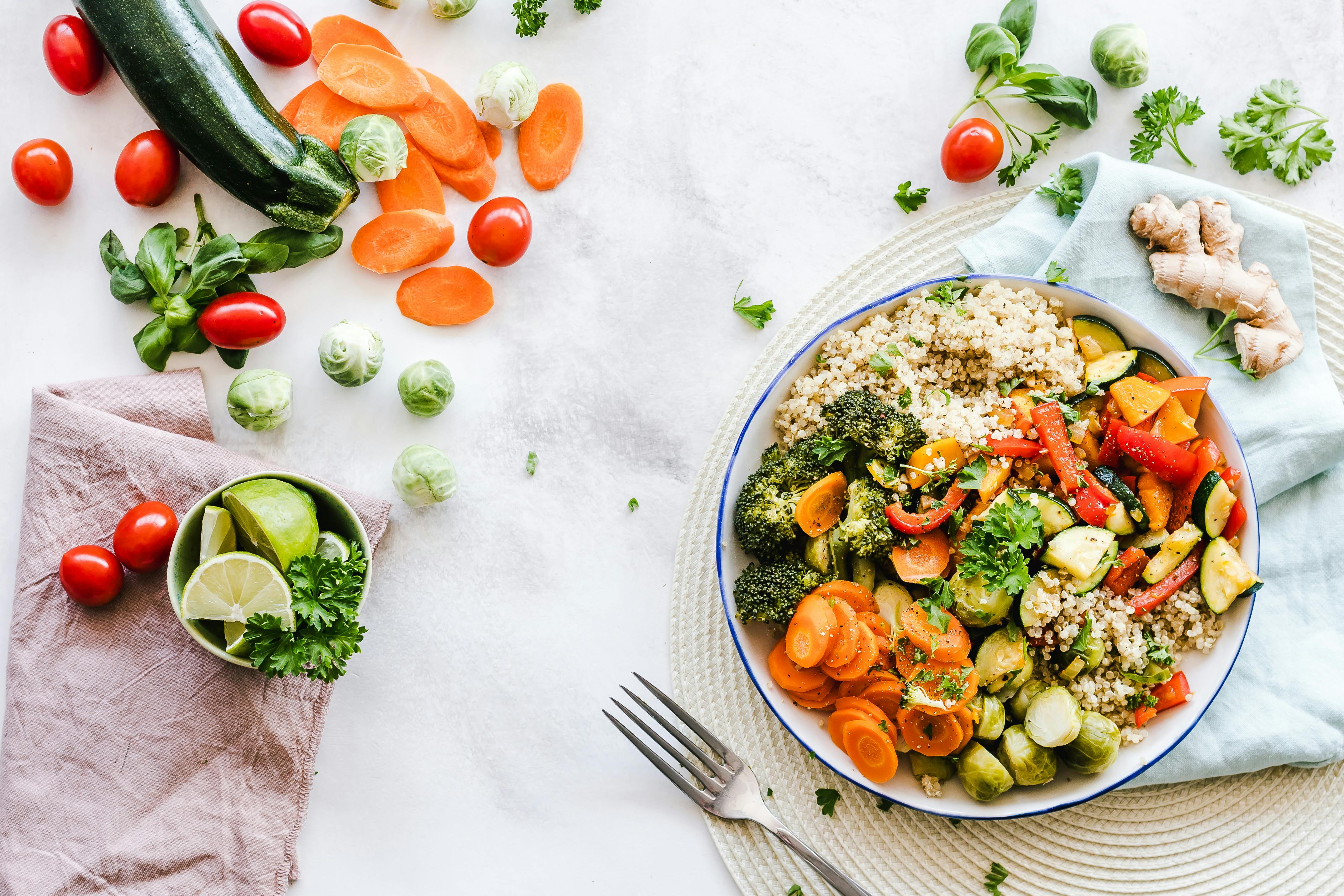
Celebrity Longevity Diets: Blue Zones Meals, Intermittent Fasting & Biohacked Plates Explained
Celebrity “Longevity Diets”: Blue Zones, Intermittent Fasting & Biohacked Meals
Longevity has become one of the hottest themes in modern nutrition, especially as celebrities, entrepreneurs, and wellness influencers share what they eat “to live to 100+.” Instead of chasing short-term weight loss, these longevity diets focus on healthspan: staying strong, clear-headed, and vibrant for as many years as possible. The spotlight is on Blue Zones–inspired eating, intermittent fasting and time‑restricted eating, and carefully “biohacked” nutrient‑dense meals.
The good news for home cooks? You don’t need a private chef, rare supplements, or extreme routines to cook in a longevity‑friendly way. With simple pantry ingredients, cozy one‑pot meals, and a few smart habits, you can borrow the best parts of these trends and leave the hype behind.

Why Longevity Diets Are Trending
On social media, “What I eat in a day to live to 100” vlogs rack up millions of views. High‑profile figures highlight:
- Blue Zones–inspired, mostly plant‑based meals
- Intermittent fasting and early dinners for “metabolic health”
- Biohacked plates rich in fiber, protein, and healthy fats
Reaction videos from dietitians and doctors add fuel, praising the emphasis on whole foods while critiquing ultra‑low calorie days, long fasts, or huge supplement stacks. Amid the noise, a common thread emerges: nutrient‑rich, minimally processed, mostly plant‑based eating, paired with good sleep, movement, and social connection.
A realistic longevity pattern looks less like a cleanse and more like a delicious Mediterranean‑style menu you can happily eat for decades.
Blue Zones–Inspired Eating: Beans, Greens & Community
Blue Zones are regions with unusually high numbers of people living into their 90s and 100s—places like Okinawa (Japan), Sardinia (Italy), Nicoya (Costa Rica), Ikaria (Greece), and Loma Linda (California). A big part of their secret is how they eat and live around food.
Common themes across these cultures include:
- Mostly plant-based plates built on beans, lentils, chickpeas, and whole grains
- Colorful vegetables and leafy greens cooked simply with olive oil or broth
- Modest portions of animal foods like fish, eggs, and fermented dairy
- Minimal ultra‑processed snacks and sugary drinks
- Slow, social meals—family lunches, shared stews, and comforting soups
Intermittent Fasting & Time‑Restricted Eating as Longevity Tools
Intermittent fasting (IF) and time‑restricted eating (TRE) are often framed as ways to “turn on autophagy” or improve insulin sensitivity. Popular patterns include:
- 16:8 fasting — 16 hours without calories, 8‑hour eating window
- Early time‑restricted feeding — all meals between roughly 8 a.m. and 4 p.m.
- Occasional 24‑hour fasts under professional guidance
Many celebrity routines celebrate very early dinners, black coffee mornings, and first meals at noon. While emerging research suggests that shorter eating windows and not eating too late may support metabolic health for some people, experts consistently emphasize that the human longevity data are still evolving—and that sustainability matters more than perfection.
Biohacked, Nutrient‑Dense Meals: What They Get Right
In the “biohacking” corner of the longevity world, meals are often described like finely tuned machines: every ingredient chosen to support mitochondrial function, muscle maintenance, or blood sugar balance. In practice, the most helpful ideas are surprisingly down‑to‑earth:
- High fiber: generous servings of vegetables, legumes, and whole grains for gut and heart health
- Adequate protein: fish, eggs, tofu, tempeh, beans, or lean meats to preserve muscle with age
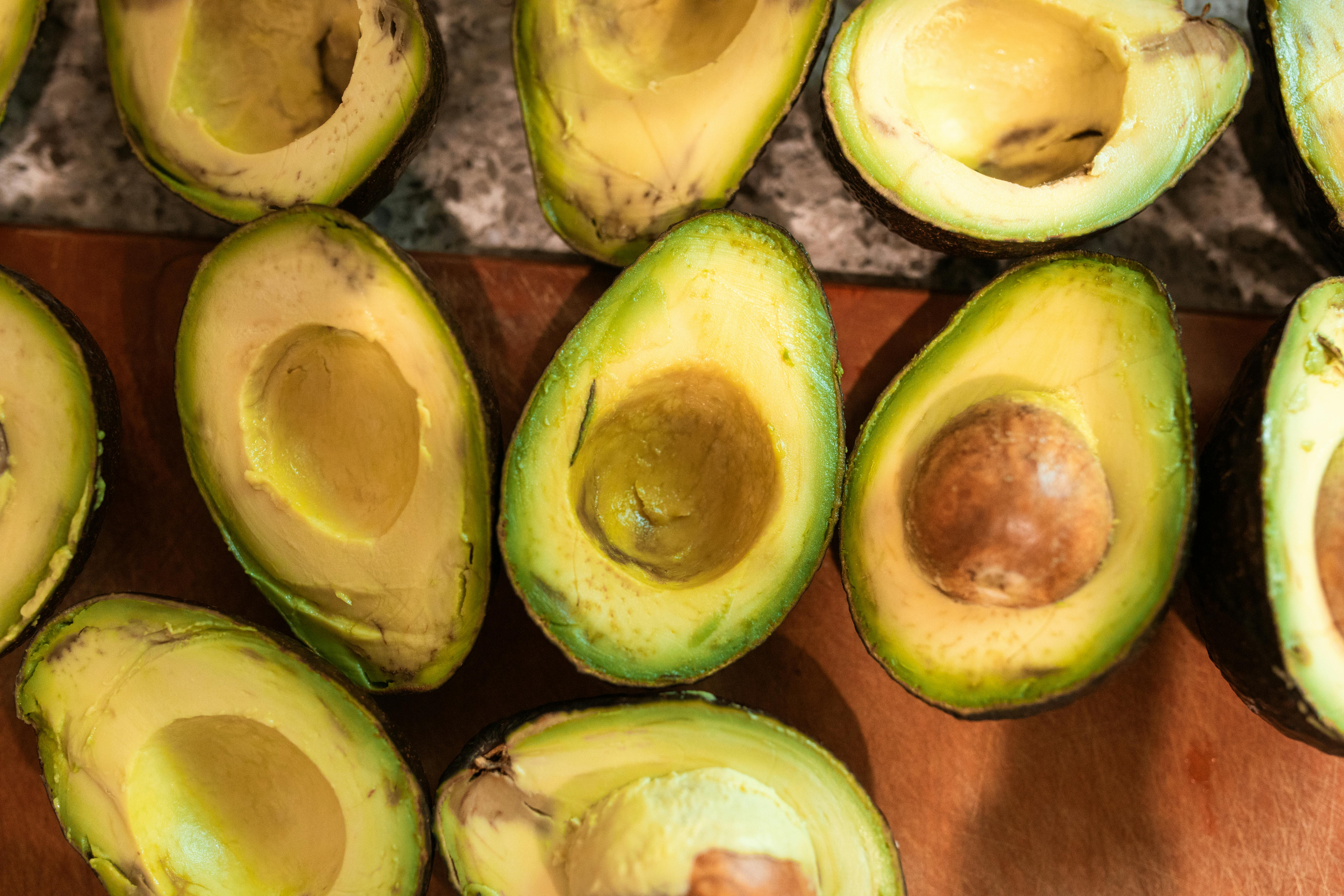
- Healthy fats: extra‑virgin olive oil, nuts, seeds, and avocado for satiety and brain support
- Minimal added sugar and refined grains: fewer blood sugar spikes and crashes
- Smart supplementation: targeted nutrients like vitamin D or omega‑3s when food or sun exposure fall short
Where things can go off‑track is in the pursuit of extremes—very low‑calorie days, fear of entire food groups, or relying on long supplement lists instead of well‑balanced plates.
Critiques, Risks & How to Avoid Extremes
Not all celebrity longevity diets are realistic—or safe. Common pitfalls highlighted by nutrition professionals include:
- Chronic under‑eating that leaves people cold, fatigued, and nutrient‑deficient
- Rigid fasting windows that interfere with social life, sleep, or mental health
- Overreliance on supplements instead of whole foods and sensible habits
- One‑size‑fits‑all messaging that ignores medical conditions, age, and activity levels
A longevity‑supportive approach should feel nourishing, flexible, and enjoyable. It’s completely possible to sip a glass of red wine with friends, savor dessert on special occasions, or eat later on a festive night—and still honor your long‑term health.
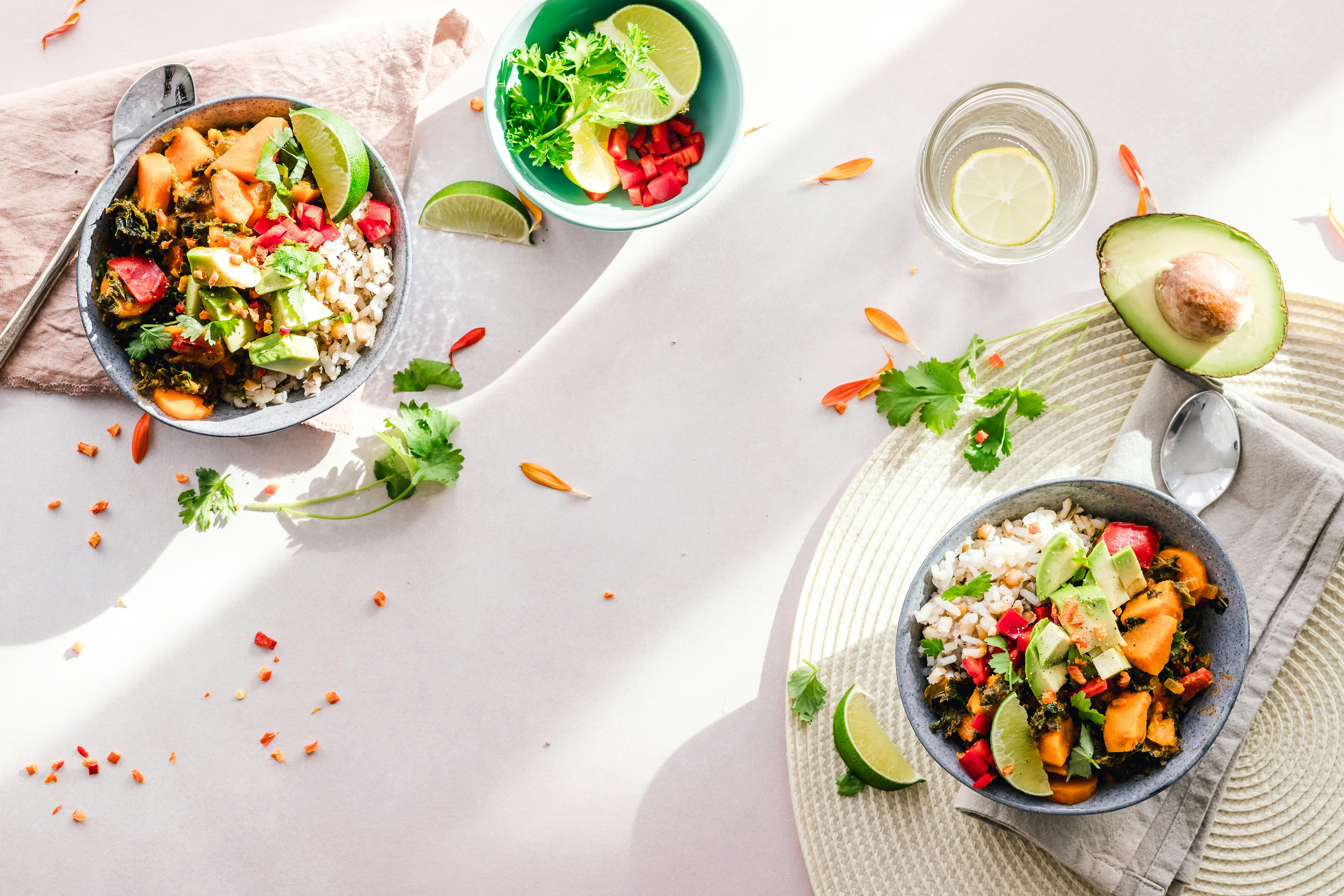
Longevity Blue Bowl: Beans, Greens & Whole Grains
This warm “Longevity Blue Bowl” is inspired by Blue Zones traditions and modern biohacked meals: a cozy, nutrient‑dense bowl filled with beans, whole grains, leafy greens, and vibrant vegetables, all glossed with extra‑virgin olive oil and lemon. It’s naturally high‑fiber, high‑antioxidant, and easily adapted for vegan, gluten‑free, or Mediterranean‑style eating.
Prep:
Cook:
Total:
Serves: 2 hearty bowls
Difficulty: Easy
Equipment You’ll Need
- Medium saucepan with lid
- Large skillet or sauté pan
- Cutting board and sharp knife
- Wooden spoon or spatula
- Citrus juicer (optional)
Ingredients (Longevity‑Friendly Staples)
- 1 cup (185 g) cooked whole grains (e.g., farro, barley, or brown rice; use quinoa for gluten‑free)
- 1 cup (165 g) cooked beans (cannellini, chickpeas, or black beans), rinsed and drained if canned
- 1 tablespoon extra‑virgin olive oil, plus more for drizzling
- 1 small yellow onion, finely chopped
- 2 cloves garlic, minced
- 1 medium carrot, diced
- 1 small zucchini, diced (or 1 cup seasonal vegetables)
- 3 cups (about 90 g) chopped leafy greens (kale, chard, or spinach)
- 1/2 teaspoon sea salt, plus more to taste
- Freshly ground black pepper, to taste
- 1 teaspoon dried oregano or thyme (or Italian herb blend)
- 1/4 teaspoon crushed red pepper flakes (optional, for gentle heat)
- 1 cup (240 ml) low‑sodium vegetable broth or water
- Juice of 1/2 lemon, plus extra wedges for serving
- 2 tablespoons chopped fresh herbs (parsley, basil, or cilantro)
- 2 tablespoons toasted nuts or seeds (walnuts, almonds, pumpkin seeds, or sunflower seeds)
Step‑by‑Step Instructions
Warm the grains. If your whole grains are pre‑cooked, warm them gently in a small saucepan with a tablespoon of water over low heat, covered, for 3–5 minutes. Fluff with a fork and keep covered to stay warm.
Simmer whole grains until they’re tender but pleasantly chewy—they add staying power to your longevity bowl. Sauté the aromatics. In a large skillet, heat 1 tablespoon olive oil over medium heat. Add the chopped onion and a pinch of salt. Cook, stirring occasionally, until translucent and lightly golden, about 5–7 minutes. Add the garlic and cook for 30–60 seconds, just until fragrant.
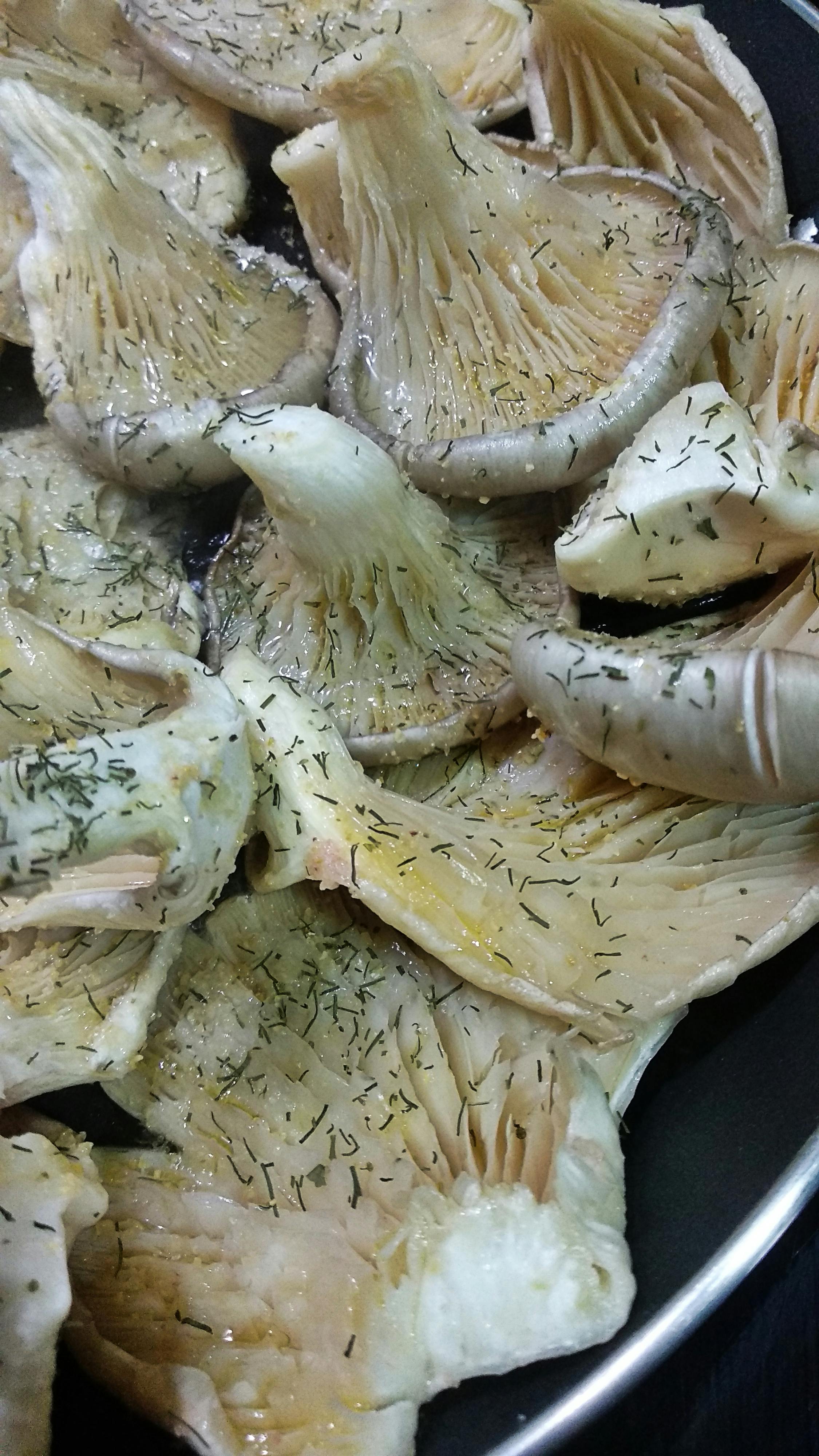
Cook the vegetables. Stir in the diced carrot and zucchini. Season with the dried herbs, black pepper, and red pepper flakes if using. Sauté for 4–5 minutes, until the vegetables soften but still hold a little bite.
Gently sautéed vegetables build layers of sweetness and aroma without heavy sauces. Add beans and greens. Add the cooked beans and chopped leafy greens to the skillet. Pour in the vegetable broth or water and another pinch of salt. Stir, then cover and let everything simmer for 5–7 minutes, until the greens are tender and the mixture is slightly brothy and saucy.
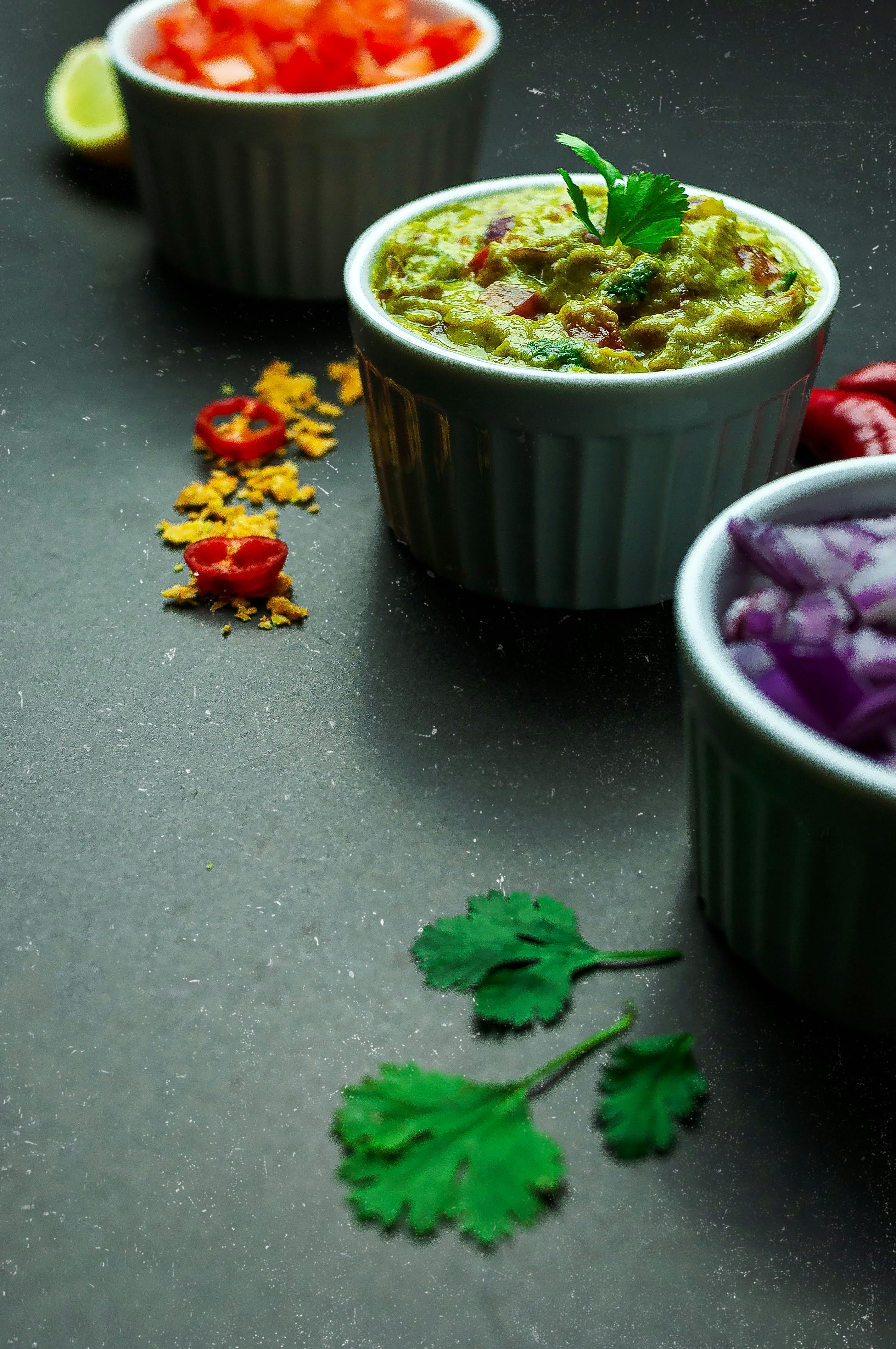
Beans and greens simmer together into a silky, savory base—very Blue Zones‑friendly. Brighten the flavor. Turn off the heat. Stir in the lemon juice and fresh herbs. Taste and adjust with more salt, pepper, or lemon as needed—the flavors should be bright, savory, and comforting.
Assemble the bowls. Divide the warm grains between two wide bowls. Spoon the bean‑and‑greens mixture over the top, letting some of the flavorful broth soak into the grains.
Finish with crunch and richness. Drizzle each bowl with a teaspoon or two of extra‑virgin olive oil and sprinkle with toasted nuts or seeds. Serve with extra lemon wedges.
A final drizzle of olive oil and a scatter of nuts or seeds add satisfying Mediterranean richness and crunch.
Serving Suggestions & Longevity Pairings
To turn this Longevity Blue Bowl into a full Blue Zones–inspired meal, you might:
- Serve with a simple tomato and cucumber salad dressed in olive oil and vinegar.
- Add a small side of fermented vegetables, like sauerkraut or kimchi, for gut‑friendly probiotics.
- Enjoy with herbal tea or, if it fits your lifestyle and health, a small glass of red wine with dinner, à la Mediterranean tradition.
Storage & Reheating Tips
Longevity eating loves leftovers—having nourishing food ready makes healthy choices easier on busy days.
- Storage: Cool leftovers completely. Store grains and the bean‑and‑greens mixture together or separately in airtight containers in the refrigerator for up to 3–4 days.
- Reheating (stovetop): Warm gently in a small saucepan with a splash of water or broth over low–medium heat, stirring occasionally, until hot.
- Reheating (microwave): Transfer to a microwave‑safe bowl, cover loosely, and heat in 45–60 second bursts, stirring between intervals.
- Freezing: The beans and greens freeze well for up to 2 months; thaw overnight in the fridge and reheat. Cook fresh grains for best texture.
Making Longevity Eating Realistic at Home
Celebrity “longevity diets” can be inspiring, but they’re often edited for drama, not for everyday life. The heart of evidence‑informed longevity nutrition is straightforward: cook mostly with plants, beans, whole grains, and healthy fats; include enough protein; move your body; sleep well; and share meals with people you love.
Start with one small shift—a weekly pot of beans, an earlier, lighter dinner a few nights a week, or a Sunday ritual of prepping a big batch of Blue Bowls for lunches. Let your kitchen be a place where healthy aging feels cozy, flavorful, and deeply satisfying, not punishing or restrictive.