
Can a Single Blood Test Really Find Cancer Early? What the Science Actually Says
Cancer Blood Tests Are Everywhere. Do They Really Work?
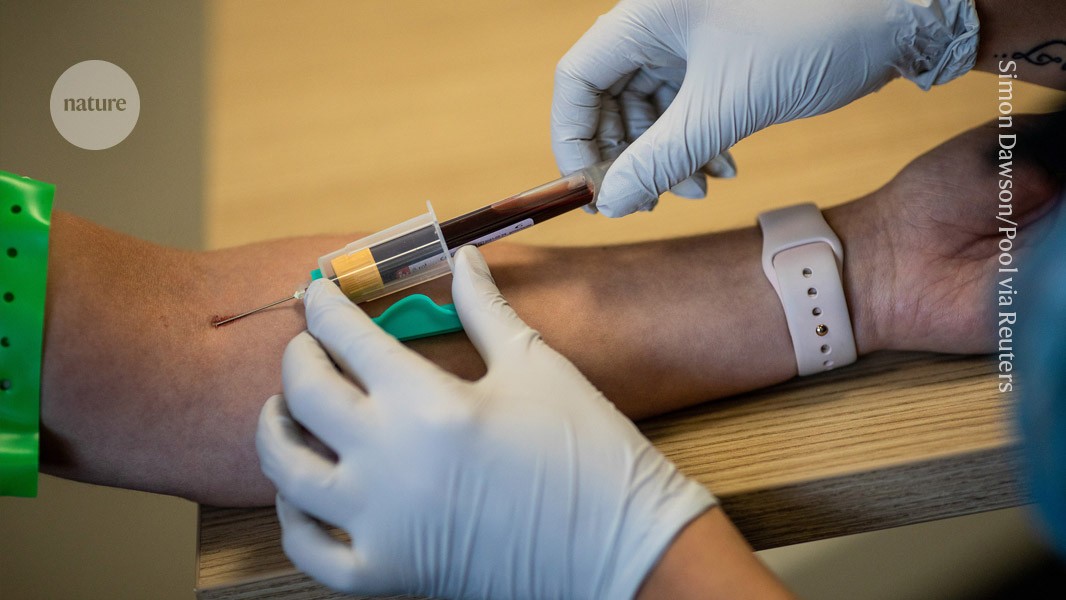
Many new blood tests promise to detect dozens of cancers early, sometimes before symptoms appear. For a growing number of people—especially younger adults now hearing more stories of friends and colleagues with cancer—these tests sound like a lifeline: one tube of blood, a clear answer, peace of mind.
But can a single test really tell you whether you “have cancer” or not? The truth, as emerging research and expert commentary in journals like Nature (through 2025) makes clear, is more nuanced. These tests are scientifically exciting, potentially life-saving for some, and at the same time capable of missing cancers or sparking anxiety and unnecessary procedures in others.
“Multi-cancer early detection blood tests represent a promising frontier, but they are not magic bullets. For now, they should complement—not replace—proven screening methods.”
— Summary of views from oncology experts quoted in recent Nature coverage
This guide walks you through what these cancer blood tests actually measure, what they can and cannot tell you, and how to think about them realistically so you can make informed, confident decisions for your own health.
What Are Multi‑Cancer Blood Tests, Exactly?
When people talk about “cancer blood tests” in the news right now, they’re often referring to multi‑cancer early detection (MCED) tests. Unlike traditional blood tests that look for one specific cancer (like PSA for prostate cancer), MCED tests claim to:
- Use a single blood sample
- Look for biological “signals” of many different cancers at once
- Sometimes hint at where in the body a cancer might be starting
Most of these tests analyze patterns in:
- Cell-free DNA (cfDNA): fragments of DNA shed into the blood by cells (including cancer cells)
- DNA methylation patterns: chemical tags on DNA that tend to differ in cancer cells
- Proteins or other molecules: levels that may change when cancer is present
Companies market these tests directly to consumers and to health systems. Some health insurers and employers are starting to pilot them, but in most places they are still paid out‑of‑pocket and used alongside—not instead of—standard screening like mammograms or colonoscopies.
How Do Cancer Blood Tests Work Under the Hood?
The basic idea is simple: cancer cells behave differently from healthy cells, and those differences leave “fingerprints” in your blood. Modern sequencing technology plus machine learning algorithms try to read those fingerprints.
- Blood is drawn. Usually a standard venous draw—no different from other lab tests.
- Cell-free DNA or proteins are isolated. The lab pulls out the circulating fragments and molecules.
- Patterns are analyzed by an algorithm. The test compares your pattern against huge reference data sets of people with and without different cancers.
- A “cancer signal” result is generated. Often reported as “signal detected” vs. “no signal detected,” and sometimes a predicted tissue of origin.

From a research standpoint, this is extraordinary progress. But the real‑world performance depends on two crucial metrics:
- Sensitivity: How many existing cancers the test correctly finds
- Specificity: How often the test correctly says “no cancer signal” when no cancer is present
Small changes in those numbers can make a big difference when you apply the test to millions of healthy people.
So… Do These Cancer Blood Tests Actually Work?
Based on studies published and summarized through early 2025, the fairest answer is: they work to a point, for some cancers, under certain conditions—but they are far from perfect.
Where They Show Promise
- Detection of some hard‑to‑screen cancers. Early research suggests MCED tests can sometimes detect signals from cancers like pancreatic, ovarian, or liver, which lack routine screening tests.
- High specificity in some studies. Several trials report high specificity (often >99%), meaning the vast majority of people without cancer get a “no signal detected” result.
- Useful in high‑risk groups. People with strong family histories or known genetic risks may benefit more, because the “pre‑test probability” of cancer is higher.
Where They Fall Short
- They miss some cancers. Sensitivity varies widely by cancer type and stage. Some early‑stage cancers are detected less than half the time in current trials.
- They can misclassify the cancer type or location. Even when a signal is detected, the predicted tissue of origin can be wrong, complicating follow‑up.
- No proof yet of fewer cancer deaths. As of 2025, large randomized trials showing that these tests actually reduce mortality are still underway. That’s a key missing piece.
- They are not validated for every age group. Most data so far are in older adults; performance in younger adults (who are seeing rising cancer rates) is less certain.
The Risks and Limitations You Need to Know
It’s understandable to focus on the potential life‑saving upside. But medical tests also carry risks—especially when applied to large numbers of mostly healthy people.
1. False Positives and Anxiety
A false positive result means a test suggests cancer when none is present. Even with high specificity, when millions of people are tested, thousands can receive alarming—but ultimately incorrect—results.
- Extra imaging (CT, MRI, PET scans)
- Invasive biopsies
- Weeks of emotional distress while waiting for answers
“We need to be as serious about the harms of over‑diagnosis and over‑testing as we are about the harms of missed cancers.”
— Perspective echoed by screening experts in recent oncology conferences
2. False Negatives and False Reassurance
A false negative occurs when cancer is present but the test shows no signal. This can be especially dangerous if someone skips regular screening or ignores symptoms because of a recent “reassuring” blood test.
- Symptoms should never be dismissed because of a prior MCED result
- Guideline‑recommended screening should still be followed
3. Over‑Diagnosis and Overtreatment
Some very slow‑growing cancers might never cause symptoms or affect lifespan. In theory, ultra‑sensitive screening could find these and lead to:
- Unnecessary surgery or radiation
- Side effects and complications
- Psychological burden of a cancer label
4. Cost and Access
Many current tests cost hundreds to over a thousand dollars per year and may not be covered by insurance. For most families, that’s a serious investment, especially without clear proof of life‑saving benefit yet.
A Real‑World Style Scenario: Relief, Worry, and Hard Choices
To make this more tangible, imagine “Alex,” a 42‑year‑old professional who has watched two friends face cancer diagnoses in their thirties. A social media ad for a multi‑cancer blood test promises “early detection, when it’s most treatable.”
Alex books the test through a private clinic, pays out‑of‑pocket, and a week later checks the phone: “No cancer signal detected.” There’s a wave of relief—similar to the man smiling at his phone in the Nature article’s photo. For a while, Alex feels “safe.”
But over the next year:
- Alex skips a recommended colonoscopy, thinking the blood test already looked “everywhere.”
- New digestive symptoms are brushed off as stress.
- By the time Alex seeks evaluation, a colon cancer is found at a more advanced stage.
This is not a prediction of what will happen to you; it’s an illustration of how misunderstanding what these tests can and cannot do can unintentionally increase risk.

Why Are So Many Young People Getting Cancer—and Can These Tests Help?
A growing body of research, including work highlighted in Nature and other major journals through 2025, points to a concerning trend: cancer diagnoses in adults under 50 are rising, particularly for colorectal, breast, and some gastrointestinal cancers.
Scientists are investigating multiple possible contributors:
- Changes in diet, gut microbiome, and obesity rates
- Environmental exposures and pollution
- Chronic inflammation and metabolic factors
- Earlier and more sensitive detection in some cases
Could multi‑cancer blood tests become part of the solution? Potentially:
- In theory, yes: If reliable and affordable, they might catch some cancers earlier in younger adults who currently fall outside traditional screening windows.
- In practice, not yet: We still lack strong evidence in large groups of younger people showing improved outcomes or sensible screening strategies.

How to Decide Whether a Cancer Blood Test Is Right for You
There is no one‑size‑fits‑all advice. But you can make a thoughtful decision by working through a few key questions with your healthcare provider.
1. Clarify Your Personal Risk
- Do you have a strong family history of cancer?
- Have you tested positive for a cancer‑related gene variant (e.g., BRCA1/2, Lynch syndrome)?
- Do you have known environmental or occupational exposures?
Higher‑risk individuals may have more to gain—but also need careful guidance to avoid over‑testing.
2. Check Your Foundation First
Before adding a multi‑cancer blood test, ask:
- Am I up to date on colon cancer screening (usually starting at 45 in many countries)?
- Have I had age‑appropriate breast, cervical, lung (if high‑risk), and prostate screening?
These established screenings already have strong evidence for reducing cancer deaths.
3. Understand What the Test Can and Can’t Tell You
- Ask for the test’s sensitivity and specificity by cancer type and stage.
- Ask, “If this is positive, what exactly happens next?”
- Ask, “If this is negative, what should I not change about my care?”
4. Weigh Emotional Impact and Cost
- How will you feel and cope if the result is “signal detected” but imaging finds nothing?
- Can you comfortably afford the test and potential follow‑ups?
What Does the Latest Research Say—and What’s Coming Next?
As of early 2026, multi‑cancer early detection tests are still in the transitional zone between research and routine practice.
Large trials in the US, UK, and other countries are:
- Enrolling tens of thousands of generally healthy adults
- Tracking who develops cancer and at what stage
- Measuring whether the tests actually reduce late‑stage cancers or deaths
Early results are mixed but encouraging in some areas—more stage II cancers instead of stage IV, for example. Still, many scientists interviewed in outlets like Nature emphasize that we need more time and data before recommending widespread population‑level use.
Until those results are clearer, most expert groups stop short of recommending routine MCED testing for everyone. Instead, they:
- Encourage participation in clinical trials where available
- Support cautious, shared decision‑making for individuals who choose to pay for tests
- Insist that tests be used with—not instead of—guideline‑based screening
Putting It All Together: A Balanced Way Forward
It’s completely human to want certainty—especially about something as frightening as cancer. Multi‑cancer blood tests promise clear answers from a single vial of blood. The reality, at least for now, is more modest:
- They are promising tools that may help detect some cancers earlier, especially in higher‑risk people.
- They also carry real risks—false alarms, missed cancers, extra procedures, and financial cost.
- They have not yet proven that they reduce overall cancer deaths at the population level.
- They must not replace time‑tested screening methods or attention to your own symptoms.
You deserve clear, honest information—not hype or fear. If you’re curious about these tests, you don’t have to decide alone. A clinician who understands both your personal risk and the evolving science can help you weigh the pros and cons in the context of your life.
Your next step:
- Write down your top concerns about cancer and early detection.
- Schedule time with your primary care clinician or oncologist (if you have one).
- Use this article as a conversation map—ask where a blood test might fit into a broader, evidence‑based prevention plan for you.
Medicine is moving quickly, and the story of multi‑cancer blood tests is still being written. By staying informed, asking good questions, and pairing new tools with proven strategies, you give yourself the best chance not just to detect cancer early, but to live as fully and as healthily as you can right now.
