
Calm in a Capsule? What Science Really Says About Stress‑Busting Supplements
Many people are turning to “stress-busting” supplements in hopes of finding calm in a capsule, but it can be hard to know which products are truly helpful and which are mostly marketing. This guide explores what current science says about popular stress supplements, how they compare to placebo, and how to use them safely as part of a broader, realistic stress‑management plan.
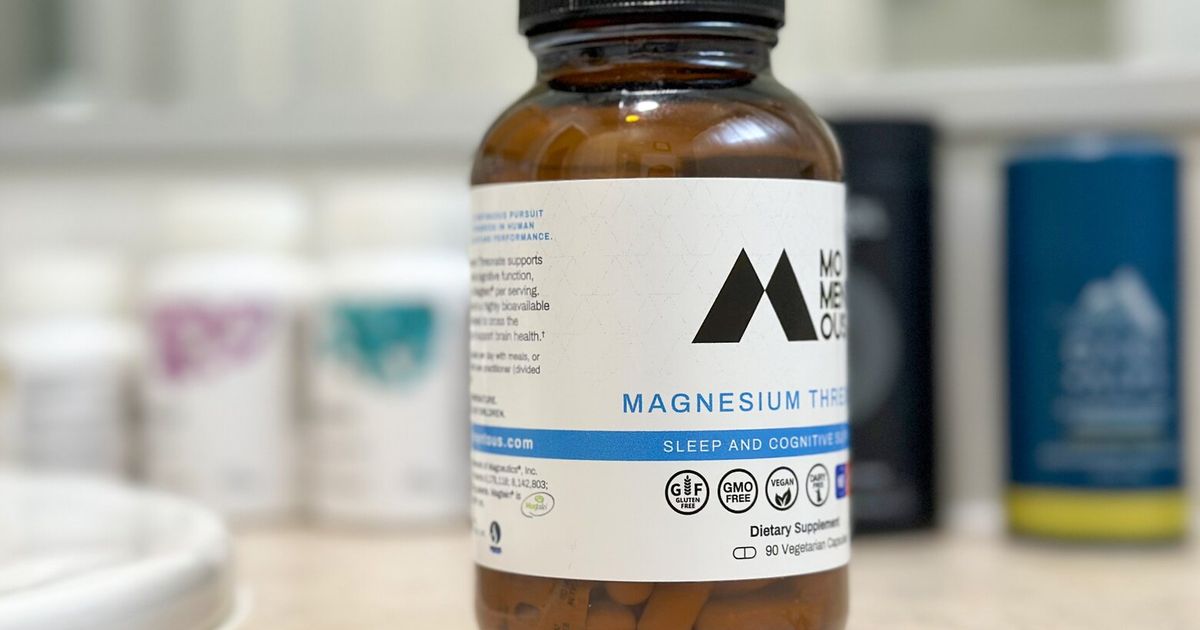
Over the past few years, it’s been completely understandable to feel on edge—pandemic aftershocks, financial uncertainty, political tension, and rapid changes in technology can all keep your nervous system on high alert. In that environment, glossy bottles that promise “calm,” “focus,” and “stress support” start to look very tempting.
This article won’t tell you that a supplement will fix everything—it won’t. But some ingredients do have evidence behind them, while others are mostly hope in a capsule. Let’s sort out which is which, so you can make informed, confident decisions.
“Think of stress supplements as potential helpers, not heroes. The real heroes are your daily habits—sleep, movement, food, connection—and supplements may support those, not replace them.”
Why We’re All Reaching for “Stress-Busting” Supplements
Chronic stress shows up in very real, physical ways: tense muscles, headaches, poor sleep, brain fog, digestive issues, and a sense that you’re always “on.” It’s no coincidence that the market for stress and anxiety supplements has grown rapidly in the last decade.
- More people are reporting anxiety and burnout symptoms.
- Access to mental health care can be limited, expensive, or slow.
- Supplements are heavily marketed as quick, natural fixes.
The big question is whether these capsules are genuinely calming your nervous system—or whether you’re mostly paying for clever branding and the placebo effect.
Do Stress Supplements Work—or Is It Just the Placebo Effect?
The honest answer is: it depends on the supplement, the dose, and the person. Many clinical trials on stress and anxiety show a strong placebo effect—people often feel better when they believe they’re doing something helpful, even when they’re taking an inactive pill.
That doesn’t mean every supplement is useless; it means we have to look for:
- Randomized controlled trials comparing the supplement to a placebo.
- Consistent benefits across several studies, not just one small trial.
- Realistic effect sizes—modest improvements, not miracles.
In stress research, a “win” often looks like feeling a bit calmer, sleeping a bit more soundly, or coping better with daily hassles—not the complete disappearance of anxiety.
“The placebo effect is still an effect. What matters is whether the treatment adds benefits beyond placebo, and whether it’s safe and cost‑effective.” — Adapted from contemporary clinical trial principles
Popular “Stress-Busting” Supplements: What the Evidence Says
Below are some of the most commonly marketed supplements for stress and anxiety, along with what current evidence (as of early 2026) suggests. Research is ongoing, and findings can evolve, so always check for up‑to‑date guidance and consult a health professional.
1. Ashwagandha (Withania somnifera)
Ashwagandha is an Ayurvedic herb often promoted as an “adaptogen”—a compound that may help the body cope with stress.
- Evidence: Several small to medium randomized trials have found modest reductions in perceived stress and cortisol levels compared with placebo.
- Typical dose: Often 240–600 mg/day of a standardized extract, divided once or twice daily in studies.
- Risks: Can interact with thyroid medications, sedatives, and immune‑modulating drugs; may cause GI upset in some people.
It appears reasonably promising for mild to moderate stress, but we still need larger, longer studies and better quality control between products.
2. Magnesium
Magnesium plays a central role in muscle relaxation, nerve signaling, and sleep. Low magnesium levels may worsen anxiety and sleep problems.
- Evidence: Some trials suggest magnesium supplementation can improve mild anxiety and sleep, especially in people who were low in magnesium to begin with.
- Typical dose: 200–400 mg elemental magnesium per day, usually in forms like glycinate, citrate, or malate.
- Risks: High doses can cause diarrhea; people with kidney disease must be especially cautious.
For many adults who don’t meet magnesium needs from food, this can be a low‑risk, potentially helpful option—though it’s not a stand‑alone fix for high anxiety.
3. L‑Theanine
L‑theanine is an amino acid naturally found in tea leaves, especially green tea. It’s often marketed for “calm focus.”
- Evidence: Short‑term studies show L‑theanine can promote a relaxed but alert state and may reduce stress responses to challenging tasks.
- Typical dose: 100–200 mg, sometimes up to 400 mg/day divided.
- Risks: Generally well tolerated; can interact with some medications; should be used carefully with other sedatives.
L‑theanine may be useful when you want to feel calmer without feeling sleepy—such as before a presentation or during a hectic workday.
4. Melatonin
Melatonin is a hormone your brain naturally produces at night. Supplements can help with certain sleep issues, which indirectly affect stress.
- Evidence: Stronger for circadian rhythm issues (jet lag, shift work) than for generalized anxiety.
- Typical dose: Often 0.5–3 mg taken 30–90 minutes before bed; higher doses are not always better.
- Risks: Morning grogginess, vivid dreams; long‑term high‑dose use is still being studied, especially in children.
If your stress comes mainly from poor sleep, carefully timed, low‑dose melatonin may help—but it won’t address the root causes of daytime anxiety.
5. Herbal Blends (Valerian, Lemon Balm, Passionflower, etc.)
Many “calm” formulas combine multiple herbs in one capsule or gummy.
- Evidence: Some herbs have small studies suggesting benefits for mild anxiety or sleep, but the evidence is mixed and often based on combinations rather than single ingredients.
- Challenges: Harder to know which component is doing what, and product quality varies widely.
- Risks: Potential interactions with psychiatric medications, blood thinners, and other drugs; possible drowsiness and impaired driving.
These may be helpful for some people, particularly for sleep, but you should always discuss them with a clinician if you take other medications.
Safety First: How to Choose and Use Stress Supplements Wisely
Dietary supplements are often regulated less strictly than prescription medications. That means more responsibility lands on you—and ideally your health‑care team—to choose wisely.
Smart steps before starting any supplement
- Talk with a clinician or pharmacist.
Especially if you:- Take prescription or over‑the‑counter medications
- Are pregnant, trying to conceive, or breastfeeding
- Have kidney, liver, heart, or endocrine (thyroid, adrenal) conditions
- Look for third‑party testing.
Certifications like USP, NSF, or Informed‑Choice can provide extra assurance that what’s on the label is in the bottle and that contaminants have been screened. - Start low and go slow.
Use the lowest effective dose. Give it a few weeks (unless you experience side effects) before deciding whether it helps. - Change one thing at a time.
If you start multiple new supplements and feel different—better or worse—you won’t know which one was responsible. - Track how you feel.
Keep simple notes on sleep, mood, and stress before and after starting a supplement. If you don’t notice meaningful benefit within a realistic timeframe, it may not be worth continuing.
Beyond the Pill Bottle: Evidence‑Based Habits That Calm Your System
Even the most promising supplement won’t out‑perform the basics of nervous‑system care. Think of supplements as the supporting cast; your daily habits are the lead actors.

Foundational stress‑relief habits
- Sleep routine: Aim for a consistent bedtime and wake time, dim lights in the evening, and limit screens 30–60 minutes before bed.
- Regular movement: Even 10–20 minutes of walking most days can lower baseline stress hormones and improve mood.
- Breathing and relaxation: Techniques like slow diaphragmatic breathing, progressive muscle relaxation, or short mindful pauses can quickly signal safety to your nervous system.
- Supportive food pattern: Steady meals with protein, fiber, and healthy fats help stabilize blood sugar, which in turn stabilizes mood and energy.
- Social connection: Brief, positive interactions—even messages or calls—can buffer the health effects of stress.
Common Obstacles—and How to Navigate Them Without Guilt
If you’ve tried stress supplements before and felt disappointed, you’re not alone. A few common patterns tend to show up.
Obstacle 1: Expecting instant, dramatic results
Many ads imply that you’ll feel transformed in a day or two. In reality, most legitimate studies look at changes over several weeks, and the improvements are usually moderate.
Reframe: Decide in advance on a realistic trial period (for example, 4–6 weeks) and clear measures of success (falling asleep 15 minutes faster, fewer afternoon energy crashes, slightly less irritability).
Obstacle 2: Stopping other supports
It can be tempting to see a supplement as a replacement for therapy, medication, or other supports that are harder to access or emotionally challenging.
Reframe: View supplements as adjuncts, not alternatives, to evidence‑based treatments—especially if you have diagnosed anxiety, depression, PTSD, or other mental health conditions.
Obstacle 3: Overwhelm from too many options
Shelves and online stores are packed with powders, gummies, and tinctures. Choice overload can keep you stuck.
Reframe: Start with one or two options that match your main concern (for example, sleep vs. daytime tension) and that have at least some supportive research, such as magnesium or L‑theanine, if they’re appropriate for you.
What Experts and Research Say About “Calm in a Capsule”
Across reviews of stress and anxiety supplements, a consistent message emerges: some products appear to help mild symptoms, but they are not substitutes for comprehensive care.
“For most people with everyday stress, lifestyle changes and psychological strategies carry the greatest long‑term benefit. Certain supplements may provide modest additional relief, especially for sleep or mild anxiety, when used thoughtfully and safely.”
High‑quality clinical trials continue to evaluate herbs like ashwagandha and nutrients like magnesium. At the same time, regulators and researchers are calling for stronger oversight of supplement quality to protect consumers from contamination and misleading claims.
Putting It All Together: A Practical, Realistic Plan
If you’re curious about stress‑busting supplements, you don’t have to overhaul your entire routine. Instead, build a step‑by‑step plan:
- Clarify your main goal.
Is it falling asleep more easily, feeling less “on edge” during the day, or reducing physical tension? - Strengthen one foundational habit.
Choose something very small and specific, like a 10‑minute evening wind‑down without your phone. - Discuss a targeted supplement with a professional.
Based on your health history, they may suggest trying magnesium at night, or L‑theanine for daytime tension, or they may advise against supplements altogether. - Try it as a short‑term experiment.
Track your experience for 4–6 weeks, then reassess. Continue only if the benefits are meaningful, side effects are minimal, and your clinician agrees it’s appropriate. - Stay open to other supports.
Therapy, peer groups, digital CBT programs, and medical care can all be powerful tools alongside or instead of supplements.
Your nervous system has carried you through an unusually demanding time in history. Choosing to care for it—whether through sleep, boundaries, movement, connection, or carefully selected supplements—is not self‑indulgent; it’s a form of maintenance that helps you keep showing up for your life.
Gentle call to action:
Today, pick just one small action: schedule that check‑in with your health‑care provider, set an alarm for your bedtime wind‑down, or write down a few questions you have about a supplement you’ve been considering. Small, consistent steps—not miracle capsules—are what truly shift your stress over time.
