
Build-Your-Own High-Protein, High-Fiber Weight-Loss Bowls (Perfect for Meal Prep and Social Media)
High‑Protein, High‑Fiber Meal‑Prep Bowls (Customizable ‘Weight‑Loss Bowls’)
High‑protein, high‑fiber “weight‑loss bowls” have exploded across TikTok, YouTube, and Instagram for a reason: they’re colorful, endlessly customizable, deeply satisfying, and incredibly practical for meal prep. Instead of rigid diet rules, these bowls lean on a simple, flexible formula—generous veggies, solid protein, wholesome carbs, and healthy fats—to help you feel full, support weight management, and actually look forward to lunch.
In this recipe, we’ll build a macro‑balanced bowl template you can remix all week long, with options for omnivores, vegetarians, and vegans. Think of it as a delicious framework, not a strict plan: you can rotate proteins, grains, and sauces while keeping that all‑important duo of protein and fiber front and center.
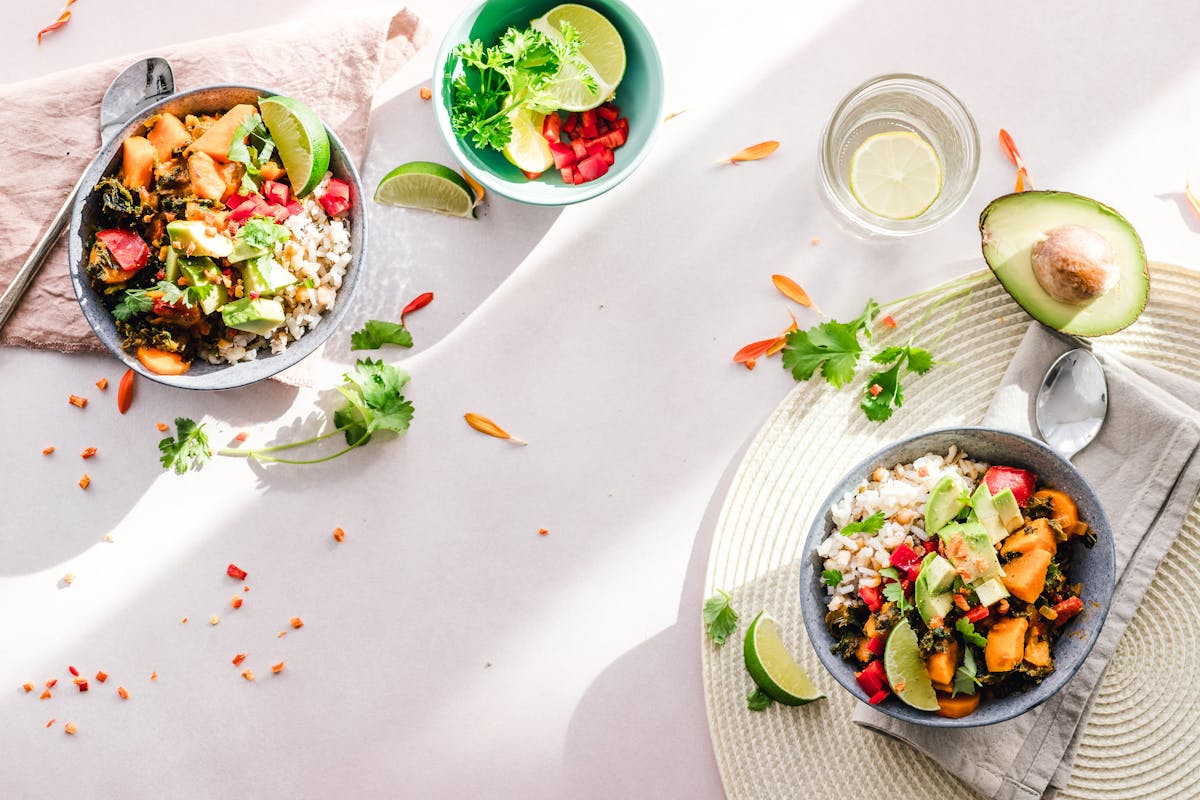
Quick Recipe Snapshot
Prep Time: 25 minutes
Cook Time: 25 minutes
Total Time: ~50 minutes
Servings: 4 bowls
Difficulty: Easy
Diet: High‑protein, high‑fiber; easily gluten‑free and meal‑prep friendly
Why High‑Protein, High‑Fiber Bowls Are Everywhere
Scroll through social media and you’ll see creators layering grains, greens, grilled chicken or tofu, beans, and drizzles of yogurt or tahini sauce into glossy glass containers. These high‑protein, high‑fiber “weight‑loss bowls” are the new default “healthy meal” for busy people who want something satisfying, not sad.
- Short‑form video loves bowls: Layered ingredients look gorgeous on camera, and assembling them is quick and satisfying to watch.
- Protein is having a moment: Creators aim for 25–40 g of protein per meal to support satiety, muscle maintenance, and blood‑sugar control.
- Fiber is the quiet hero: Beans, lentils, whole grains, veggies, nuts, and seeds support gut health and more stable energy.
- Meal‑prep culture: Sunday “prep with me” videos show 5–10 bowls lined up in glass containers, linked with productivity and self‑care.
- Flexible, not faddish: Instead of a branded diet, people are embracing a template they can adapt to their culture, budget, and taste buds.
At its core, the bowl trend is about eating in a way that feels sustainable: plenty of protein, fiber, and color, without counting every bite.
Recipe Structured Data
The following JSON‑LD snippet provides structured recipe data for search engines, using schema.org/Recipe.
Ingredients for High‑Protein, High‑Fiber Meal‑Prep Bowls
This recipe makes 4 generous bowls. Treat the amounts as a base template—you can scale up or down for your meal‑prep needs.
1. Complex Carbohydrate & Fiber‑Rich Base
- 1 cup (185 g) dry quinoa or brown rice, rinsed (or use farro, barley, or millet)
- 2 cups (480 ml) low‑sodium vegetable or chicken broth (or water)
2. Roasted Vegetable Layer
- 2 cups (about 300 g) chopped mixed veggies (e.g., broccoli, bell peppers, carrots, zucchini, red onion)
- 1 tbsp olive oil
- 1 tsp smoked paprika
- 1/2 tsp garlic powder
- 1/2 tsp salt, plus more to taste
- 1/4 tsp black pepper
3. High‑Protein Component
- 450 g (1 lb) boneless, skinless chicken breast or extra‑firm tofu, pressed
- 1 tbsp olive oil (for cooking the protein)
- 1 tsp ground cumin
- 1 tsp chili powder or paprika
- 1/2 tsp salt
4. Fiber‑Rich Add‑Ons & Greens
- 1 can (15 oz / 425 g) black beans or chickpeas, drained and rinsed
- 4 cups (about 120 g) mixed salad greens or shredded cabbage
- 1 large avocado, sliced (optional but delicious for healthy fats)
- 1/4 cup (30 g) roasted nuts or seeds (pumpkin seeds, sunflower seeds, sliced almonds, etc.)
5. High‑Protein Yogurt–Tahini Sauce
- 1/2 cup (120 g) plain Greek yogurt (or unsweetened dairy‑free yogurt)
- 2 tbsp tahini or almond butter
- 2 tbsp lemon or lime juice
- 1 tbsp olive oil or water to thin
- 1 small clove garlic, minced, or 1/4 tsp garlic powder
- 1/4 tsp salt, to taste
6. Fresh Finishing Touches (Optional but Lovely)
- Fresh herbs, chopped (cilantro, parsley, or green onion)
- Lime wedges, chili flakes, or a light drizzle of hot sauce
Equipment You’ll Need
- 1 medium saucepan with lid (for grains)
- 1 large baking sheet (for roasting vegetables)
- 1 large skillet or grill pan (for chicken or tofu)
- Mixing bowls for tossing veggies and whisking sauce
- Cutting board and sharp chef’s knife
- Measuring cups and spoons
- 4–5 meal‑prep containers with lids (preferably glass)

Step‑by‑Step: How to Build High‑Protein, High‑Fiber Weight‑Loss Bowls
We’ll follow the same logic you see in social media meal‑prep videos: cook once, assemble many times. Take your time the first round; you’ll get faster every week.
- Cook the grain base.
Rinse your quinoa or brown rice under cold water.
- Combine 1 cup grain with 2 cups broth or water in a saucepan.
- Bring to a boil, then reduce heat to low, cover, and simmer.
– Quinoa: about 15 minutes
– Brown rice: 30–35 minutes - Turn off the heat and let stand, covered, for 5 minutes, then fluff with a fork.
- Roast the vegetables for maximum flavor.
Preheat the oven to 400°F (200°C) and line a baking sheet with parchment for easier cleanup.- Toss chopped veggies with 1 tbsp olive oil, smoked paprika, garlic powder, salt, and pepper.
- Spread out in a single layer; don’t overcrowd or they’ll steam instead of roast.
- Roast for 18–22 minutes, tossing once halfway, until edges are caramelized and centers are tender‑crisp.
- Season and cook your protein.
While veggies roast, pat chicken or tofu dry with a paper towel.- Rub with 1 tbsp olive oil, then sprinkle on cumin, chili powder or paprika, and salt.
- Heat a skillet or grill pan over medium heat.
- For chicken: Cook 5–7 minutes per side, until golden and the internal temperature reaches 165°F (74°C).
- For tofu: Cook 3–4 minutes per side until crisp and golden.
- Let rest a few minutes, then slice into bite‑size pieces.
- Prep beans and greens.
- Rinse and drain the canned beans; pat dry to reduce excess moisture.
- Wash and dry salad greens or shredded cabbage well so they stay crisp in the fridge.
- Slice avocado (if using) just before serving to minimize browning.
- Whisk together the high‑protein sauce.
In a small bowl, whisk:- Greek yogurt, tahini, lemon/lime juice, olive oil or water, garlic, and salt.
- Add more water or lemon juice 1 tsp at a time until it’s smooth and pourable.
- Taste and adjust salt or acidity—this sauce should be bright and tangy to wake up the bowl.
- Assemble your bowls “social‑media style.”
Line up 4 bowls or meal‑prep containers:- Add a scoop of grains (about 1/2–3/4 cup each).
- Layer on a generous handful of roasted veggies.
- Spoon in 1/4 of the beans for each bowl.
- Add a handful of greens on one side.
- Top with sliced chicken or tofu.
- Fan avocado slices over the top (if using).
- Sprinkle with nuts or seeds for crunch.
- Drizzle with yogurt–tahini sauce right before serving.
- Garnish and adjust.
Finish with chopped herbs, a squeeze of extra lemon or lime, and chili flakes or hot sauce if you like heat. Taste one bite and adjust seasoning with a pinch of salt or acid as needed.
Flavor Variations: Global High‑Protein Bowl Ideas
One reason these “weight‑loss bowls” are beloved is that you can travel the world on a single template. Here are some flavor roads you can take while keeping the protein and fiber high.
Mediterranean‑Inspired Bowl
- Base: Quinoa or farro
- Protein: Grilled chicken, chickpeas, or lentils
- Veg: Roasted eggplant, cherry tomatoes, cucumbers, red onion
- Extras: Hummus, olives, a sprinkle of feta (or vegan feta)
- Sauce: Greek yogurt, lemon, garlic, dill
Korean‑Inspired Bowl
- Base: Brown rice
- Protein: Lean beef, chicken, or tofu marinated with soy sauce/tamari, garlic, and ginger
- Veg: Sautéed spinach, carrots, mushrooms, and bean sprouts
- Extras: Kimchi for probiotics and fiber
- Sauce: Greek yogurt with gochujang and sesame oil
Mexican‑Inspired Bowl
- Base: Cilantro‑lime brown rice or quinoa
- Protein: Chicken, turkey, tofu, or black beans
- Veg: Corn, bell peppers, red onion, shredded lettuce
- Extras: Salsa, pico de gallo, sliced jalapeños
- Sauce: Greek yogurt, lime, cumin, and a little hot sauce
Ingredient Substitutions & Dietary Adaptations
These bowls are incredibly forgiving. Use what you have, what your body loves, and what your budget allows—while keeping an eye on that protein + fiber combo.
- Gluten‑Free: Use quinoa, rice, millet, or buckwheat; avoid farro and barley.
- Vegan / Dairy‑Free: Choose tofu/tempeh/beans for protein and use coconut or soy yogurt in the sauce.
- Lower‑Carb: Use cauliflower rice for part of the grain and load up extra non‑starchy veggies.
- Higher‑Fiber Boost: Add extra beans or lentils, or sprinkle in ground flax or chia seeds.
- Lower‑Sodium: Use no‑salt‑added beans, low‑sodium broth, and season with herbs, citrus, and spices instead of more salt.
Storage, Reheating & Meal‑Prep Tips
These bowls are designed with meal‑prep culture in mind—think Sunday prep for grab‑and‑go weekday lunches.
Refrigeration
- Store assembled bowls (without sauce and avocado) in airtight containers in the fridge for up to 4 days.
- Keep the yogurt‑based sauce in a separate small container so the grains don’t get soggy.
- Add fresh greens and avocado the day you plan to eat, if possible, for best texture.
Freezing
- You can freeze the grain + beans + cooked protein mixture for up to 2–3 months.
- Skip freezing fresh greens, sauce, and avocado; add those fresh after reheating.
Reheating
- Reheat grains, beans, and protein in the microwave for 1–2 minutes (stir halfway) or in a skillet with a splash of water or broth.
- Add greens, avocado, and sauce after reheating so they stay bright and fresh.
Serving Suggestions & Complementary Dishes
These high‑protein, high‑fiber bowls can absolutely stand on their own, but a few simple additions make the meal feel even more complete.
- On warmer days: Serve with sparkling water infused with citrus and mint, or a light side of fresh fruit.
- On cooler days: Pair with a simple broth‑based vegetable soup for extra fiber and warmth.
- For extra crunch: Add a small side of raw veggies like cucumber slices, radishes, or snap peas.
- For more protein: Enjoy with a hard‑boiled egg or a small side of cottage cheese or edamame.

However you serve them, remember: the goal isn’t perfection or restriction. It’s a bowl that keeps you full, energized, and genuinely happy to eat well.
