
BTS Shuts Down Seoul: Inside the Free Comeback Concert That Rewrote K‑Pop History
After a four-year hiatus from major group performances, BTS returned to Seoul with a massive free comeback concert that shut down a central boulevard, drew tens of thousands of fans, and signaled a new chapter for both the group and K-pop’s global ambitions. This wasn’t just a show; it was a cultural reset, a reminder that few acts command real-world infrastructure the way BTS does.
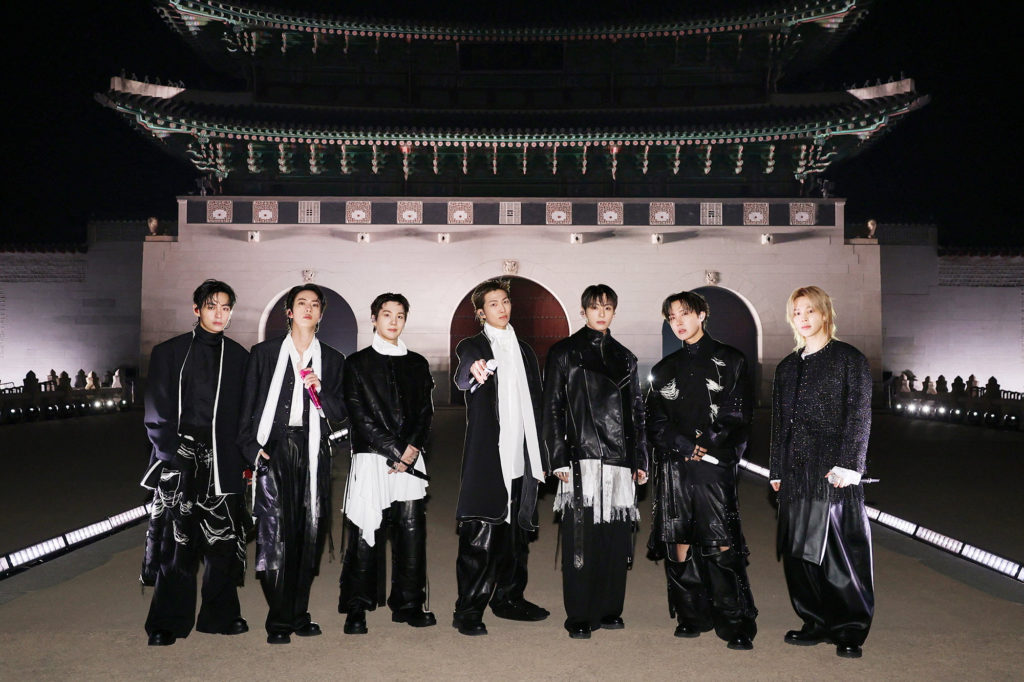
BTS Is Back: Why This Free Seoul Concert Mattered
Staged in the heart of Seoul and supported by thousands of police and city staff, the free comeback concert operated somewhere between civic event, fan service, and soft power showcase. For longtime ARMY, it felt like long-awaited closure after years marked by pandemic disruptions, mandatory military service, and solo projects. For the broader music industry, it was a reminder that K-pop’s most influential group still moves at stadium scale.
Four Years in the Making: The Road Back to a Group Stage
To understand why this show hit so hard, you have to rewind. BTS effectively pressed pause on full-scale group activities in 2022, as pandemic-era touring realities collided with South Korea’s mandatory military service requirements. In the years since, members cycled through enlistment while also building increasingly distinct solo identities—Jungkook’s global pop dominance, RM’s introspective rap records, Jimin’s sleek R&B, Suga’s Agust D projects, and more.
All of that turned BTS from a monolith into a constellation. The comeback concert, then, was less a simple reunion and more a convergence of seven (or at least, eventually seven) fully formed artists returning to a shared mythology. In K-pop terms, it’s rare for a group with this much individual success to reassemble on equal footing and still feel like a single unit rather than a superstar showcase.
“For fans, this free concert isn’t just a performance. It’s a promise that BTS as a group still has stories left to tell,” noted one Korean critic, framing the event as a cultural turning point rather than just a one-off spectacle.
This context matters because it shifts the concert’s meaning. It wasn’t just “BTS returns”; it was “BTS returns to being BTS,” after proving they could thrive independently.
Turning a City Boulevard into a Stadium: Production, Scale, and Spectacle
The staging reflected the group’s evolved status. Instead of a conventional arena, Seoul’s central boulevard became a pop cathedral: towering LED screens, extended runways, and enough lighting rigs to make the skyline part of the show. The visual language felt like a hybrid of their “Permission to Dance” stadium world tour and the more intimate storytelling of their earlier “Love Yourself” era.
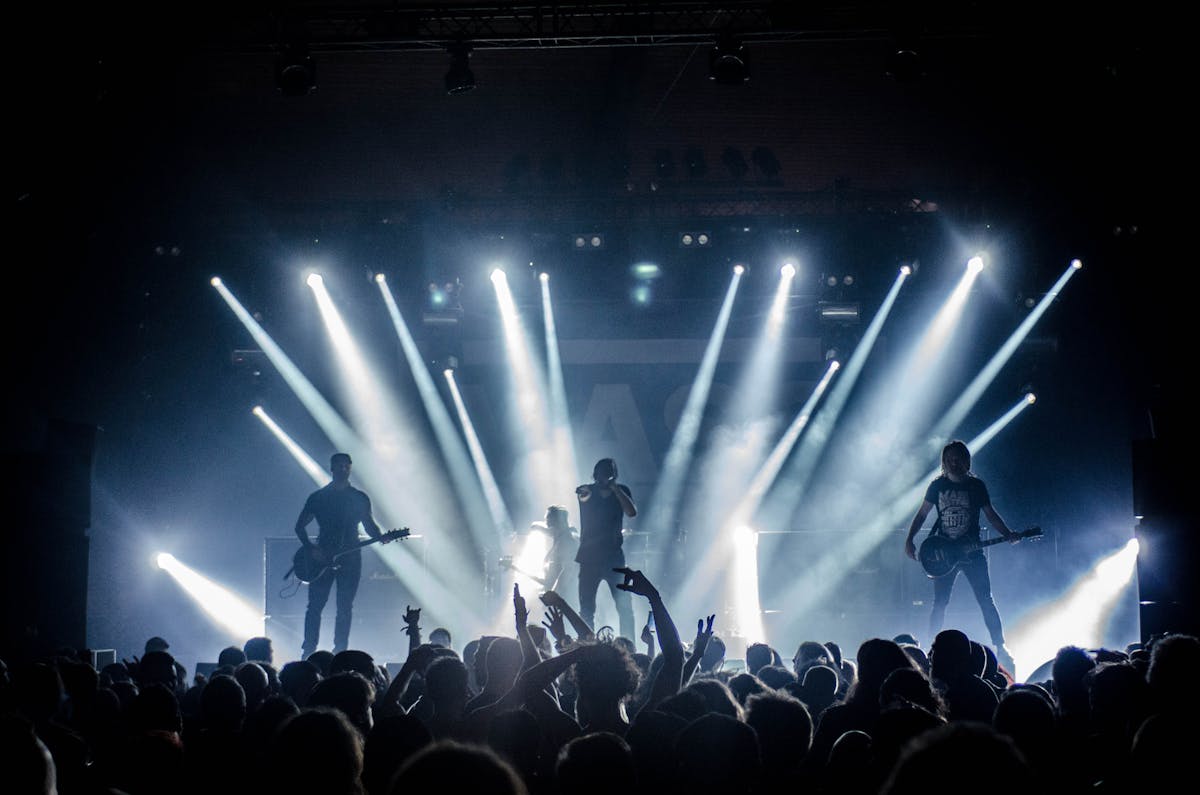
Choosing a free outdoor format did several things at once:
- It democratized access, letting locals experience a global-scale act without premium ticket prices.
- It reinforced BTS’s symbiotic relationship with Seoul’s branding as a pop-culture capital.
- It sent a message to the industry that the group still thinks in “city-scale” terms, not just venue-scale.
Balancing Nostalgia and New Chapters: The Music and Setlist
While full official setlists were still being parsed by fans in real time, the concert leaned on a familiar BTS strategy: pair legacy canon with material that hints at what comes next. Songs like “Dynamite” and “Butter” remain unavoidable—it’s hard to ignore the tracks that broke the U.S. charts wide open—but the emotional spine still runs through Korean-language anthems that built their core fandom.
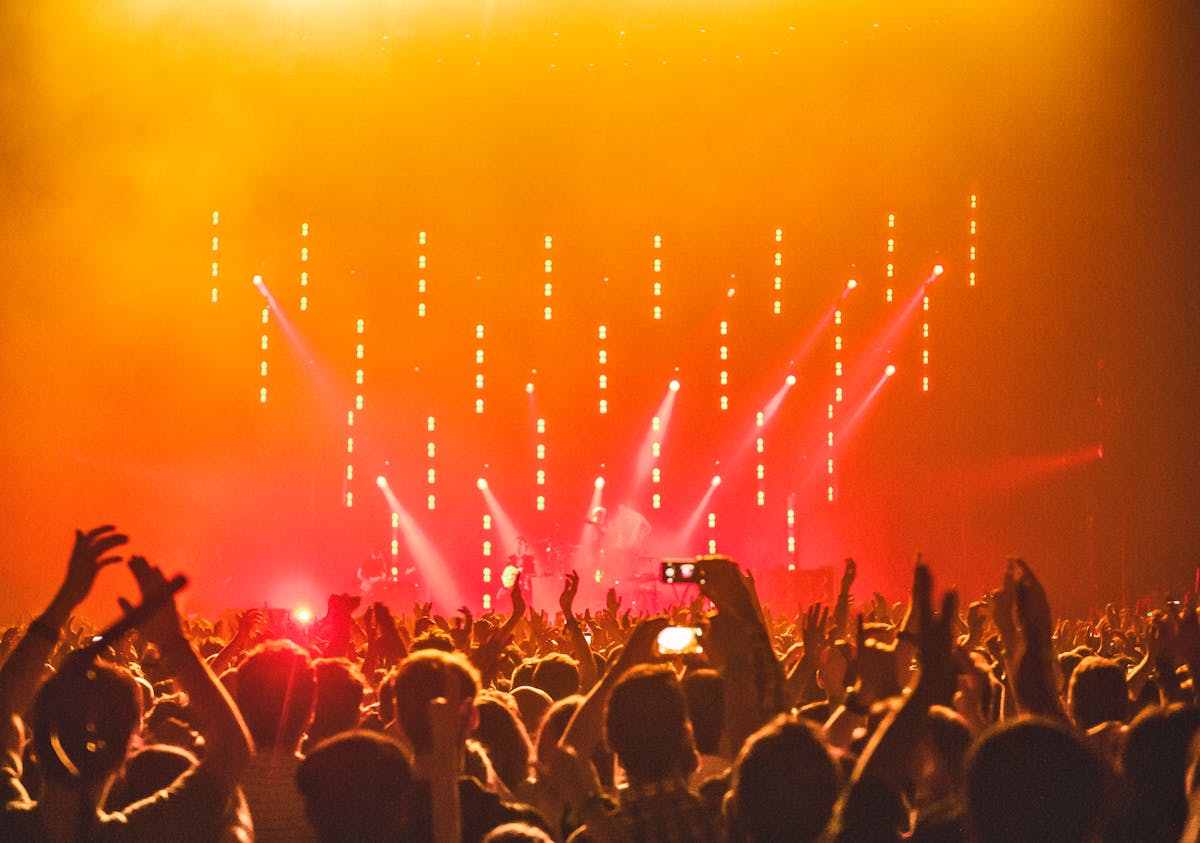
The group also had to navigate a tricky tonal balance. A four-year absence can make pure nostalgia feel too safe; too much new material, and you risk alienating casual fans. By all accounts, the show treated their discography almost like a time-lapse:
- Early hip-hop–leaning tracks that recall their “school trilogy” grit.
- Mid-era songs that cemented them as global touring artists.
- Recent hits and solo-adjacent moments nodding to each member’s growth.
“It felt like watching a decade-long coming-of-age story compressed into a couple of hours,” one fan posted afterward, capturing how the setlist doubled as a career retrospective.
ARMY on the Streets: Fan Culture, Safety, and City Logistics
Any BTS event is really a co-headlining act between the band and ARMY, their famously organized fandom. Tens of thousands of fans flooded the area, many traveling from abroad and turning the concert into a pop-culture pilgrimage site. What’s notable is how institutional the response has become: police, transit authorities, and local businesses treated the night less like a niche fandom gathering and more like hosting a major global sports final.
From a safety and accessibility standpoint, the heavy police presence and controlled traffic flow were crucial. Outdoor, free events can easily tip into unsafe territory if infrastructure lags behind enthusiasm. Here, the logistics seemed designed around a few clear priorities:
- Minimizing crowd crush risk with segmented viewing zones.
- Ensuring public transit could handle concert-level spikes.
- Providing clear information channels for non-Korean-speaking visitors.
Beyond the Hype: Cultural Significance and Industry Impact
By now, describing BTS as “just” a K-pop group is a category error. They’re a cultural institution whose activities ripple through streaming charts, tourism statistics, and even policy debates about military service. This free concert underscores several key dynamics in 2026’s music landscape:
- K-pop as National Branding: The event doubles as a soft-power flex, quietly promoting South Korea as an entertainment hub. It’s no accident that such a large public performance happens in the capital’s most visible corridors.
- The Post-Enlistment Narrative: BTS’s return is being framed as proof that mandatory service doesn’t have to end an idol’s career—a narrative with implications for younger groups staring down the same reality.
- The Live Music Reset: Amid debates about dynamic ticket pricing and touring costs, a free mega-concert feels almost radical. It reframes what fan “value” looks like beyond revenue alone.

As one entertainment columnist put it, “If Taylor Swift has turned stadium tours into a premium economic engine, BTS is experimenting with what it means to treat a city itself as the venue—and the audience as more than customers.”
None of this means the group is beyond criticism. There’s ongoing debate about how heavily their schedule leans on spectacle versus musical innovation, and whether the industry around them has become too risk-averse. But if you zoom out, the Seoul concert reads like a confident statement that BTS is still interested in rewriting the rulebook rather than just coasting on nostalgia.
Highlights, Weak Spots, and the Moments Everyone Will Rewatch
Even in a largely triumphant night, a show of this magnitude comes with trade-offs. From emerging reports and fan accounts, a few themes stand out.
What Worked
- Emotional Through-Line: The narrative of separation and reunion gave even well-worn hits a new weight. Familiar lyrics landed differently after years apart.
- Visual Cohesion: Rather than trying to top every previous tour’s scale, the production leaned into tighter thematic visuals tied to Seoul’s skyline and urban nightscape.
- Fan Integration: Choreographed fan chants and light stick patterns made the crowd feel like part of the show, not just background noise.
Where It Fell Short
- Accessibility Limits: A free show doesn’t automatically equal accessible. Crowd size and location inevitably made it hard for some local residents and disabled fans to participate comfortably.
- Setlist Compromises: With so many eras to cover, some deep cuts and recent solo favorites were sidelined. That’s the curse of a decade-spanning discography.
- Overwhelming Scale: For newer fans, the sheer density of lore, callbacks, and in-jokes can feel like jumping into season seven of a series without the earlier episodes.

What Comes After the Free Show: Touring, Albums, and the Next Era
A free concert on this scale rarely exists in isolation. Industry watchers are already treating the Seoul event as a runway for a new cycle—whether that’s a full-length group album, a global tour, or a hybrid of in-person and livestream experiences that tap into BTS’s online-native fanbase.
The real question isn’t whether BTS can still fill enormous spaces—they clearly can—but what kind of story they want to tell now that “underdog to world domination” is old news. Do they double down on global chart supremacy? Lean into more experimental, member-driven work? Or attempt something stranger: a superstar group comfortable with occasionally stepping back from the spotlight?
For now, the Seoul comeback concert stands as a marker: the end of the hiatus chapter, and the start of whatever “BTS 2.0” looks like. However that unfolds, it’s hard to argue with the image of a city boulevard turned purple, thousands of voices shouting along to songs that once felt like the soundtrack to a very specific era—and now, apparently, belong to the next one too.
Further Reading and Official Sources
- Official BTS site: https://ibighit.com/bts/eng/
- BTS on IMDb: https://www.imdb.com/name/nm6351173/
- Coverage via PBS / AP News: https://www.pbs.org
