
Broadway’s ‘Chicago’: Celebrity Casting Wins, Fizzles, and the Razzle-Dazzle Box Office Race
Star Power in Spangles: Celebrity Hits and Misses in Broadway’s Chicago
Broadway’s revival of Chicago has become less a musical and more a long-running cultural lab experiment: what actually happens when you drop a movie star, a TV icon, or a reality-show favorite into a classic Kander & Ebb score and a Bob Fosse–inspired production? With Whitney Levitt recently setting a new record for the show’s box office, it’s the perfect moment to look at which celebrities have turned Chicago into a bona fide event — and which high-profile names have barely made the box office blink.
Over nearly three decades, the production has welcomed an ever-changing carousel of names — from Melanie Griffith, Brooke Shields, and Pamela Anderson to Christie Brinkley and Ariana Grande–adjacent pop culture fixtures — all aiming to be “the name on everybody’s lips.” Some have delivered real razzle dazzle; others, well, more of a fizzle fizzle.

How Chicago Became Broadway’s Celebrity Playground
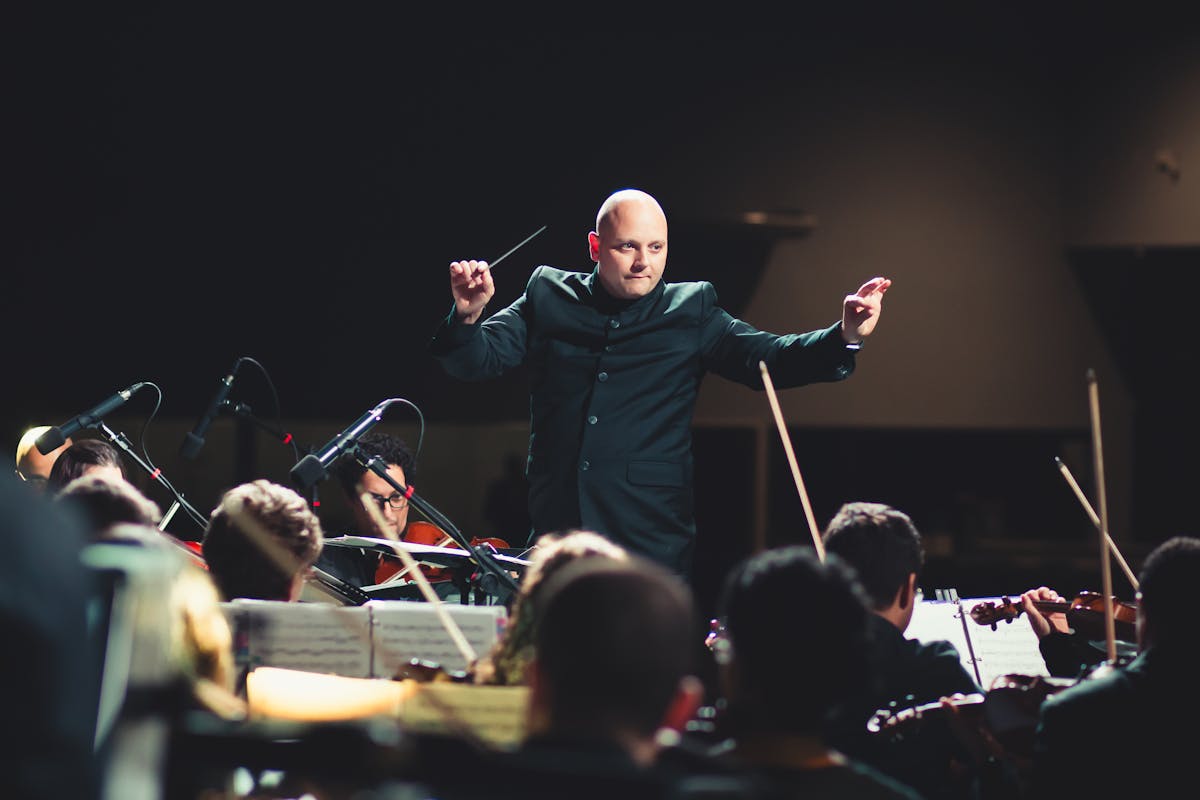
The modern Chicago revival is almost perfectly engineered for celebrity casting. The show’s stripped-down staging minimizes technical complications, the orchestra sits onstage, and the story — a darkly comic take on crime, media spin, and fame — practically begs for recognizable faces. When your satire is about hype and celebrity worship, why not lean all the way in?
More importantly, the main roles are demanding but compact. Roxie Hart, Velma Kelly, and Billy Flynn carry the show, but they don’t require the kind of eight-shows-a-week vocal punishment you’d find in, say, Wicked or Les Misérables. The choreography is stylized and sexy rather than acrobatic, making it easier for actors with limited dance backgrounds to slide into the ensemble’s world.
“The whole world, in all its gore and glory, is encapsulated in the idea of show business. Chicago is about how we sell ourselves — onstage, in court, in the tabloids.”
— Rob Marshall, director of the 2002 Chicago film adaptation
Layer in the show’s iconic status post–Oscar-winning 2002 film and you have the perfect commercial formula: take a beloved title and graft onto it a star whose fanbase might not typically go to Broadway. Sometimes the alchemy works brilliantly; sometimes it exposes the limits of “stunt casting” as a business model.
Whitney Levitt’s Record-Breaking Run: A New Benchmark for Box Office Buzz
Whitney Levitt’s recent record-setting stint in Chicago underscores just how potent the right casting can be. While the exact numbers vary by week, the key takeaway is that her name on the marquee has correlated with elevated grosses and brisk ticket sales, giving the long-running revival a fresh jolt of urgency usually reserved for brand-new shows.
Levitt’s success tracks with a broader Broadway trend: audiences don’t just want a famous name; they want a famous name who feels believable in the show’s world. Whether she’s playing Roxie or Velma, what matters is that her persona fits the show’s sly take on media-savvy self-mythology.
In a way, Levitt’s performance is the culmination of what Chicago has been experimenting with since the late 1990s: casting that doesn’t just sell tickets for a week, but actively reinforces the show’s cynical, jazz-age tabloid worldview.

Biggest Celebrity Hits in Chicago: When Razzle Dazzle Meets the Right Role
Over the years, certain headline names have transcended gimmick status and become legitimate high points in the revival’s history. They didn’t just sell tickets; they redefined what a star turn in Chicago could look like.
Melanie Griffith: Movie Star Vulnerability as Roxie
When Melanie Griffith took on Roxie Hart, the casting made immediate sense: a major film star with a smoky persona stepping into the role of a fame-hungry murderess. Critics were divided on the precision of her vocals, but audiences responded to the blend of vulnerability and sly humor she brought to the part. Her run proved that movie stars could anchor the show without breaking its tonal balance.
Brooke Shields: The Blueprint for Celebrity-to-Stage Success
Brooke Shields, who had already made waves in shows like Cabaret, became one of Chicago’s most enduring celebrity success stories. Her tall, statuesque presence and self-aware charm fit the Fosse aesthetic naturally, and she approached the material like a working theater actor rather than a visiting dignitary.
“You can’t just show up and wave; you have to do the work. Broadway audiences can smell it if you don’t.”
— Brooke Shields, on performing in musicals
Pamela Anderson: A Surprise Critical Darling
Pamela Anderson’s turn as Roxie was initially viewed as pure stunt casting, but reports from audiences and critics suggested something more interesting: a performer tapping into her complicated media history to play a woman exploited by — and complicit in — tabloid culture. That meta-layer resonated, leading to strong box office and a wave of reappraisals of Anderson as a performer.
Christie Brinkley: Supermodel Charm as Roxie
Christie Brinkley brought undeniable marquee value and curiosity factor. By most accounts, the novelty of a legendary supermodel holding her own in a Broadway musical translated into sold-out weeks and a feel-good atmosphere in the theater. She wasn’t attempting to out-sing Broadway veterans; instead, she leaned on timing, presence, and a sense of fun that matched Roxie’s vaudeville DNA.
When the Box Office Fizzles: Why Some Big Names Don’t Land
Not every celebrity casting announcement translates to roaring grosses. In fact, some of the more heavily hyped names over the years have yielded only modest bumps — or, occasionally, disappointment that a TV-famous or film-famous star couldn’t quite command the stage in the same way.
Most underperforming stints tend to share a few traits: fanbases that skew distant from theatre-going demographics, limited vocal or acting range for live performance, or marketing campaigns that overpromise and underprepare audiences for what they’re actually going to see.
The “flop” label here is less about personal failure and more about misalignment. A celebrity can be charismatic on screen yet feel oddly muted in the intimate, unforgiving world of a Broadway house — where there are no retakes, no protective camera angles, and certainly no forgiving sound mix to hide vocal strain.
“Stunt casting is only a stunt if the audience feels tricked. When it works, it feels inevitable; when it doesn’t, it feels like a marketing meeting put onstage.”
— Theatre critic, paraphrased industry sentiment
The lesson producers have increasingly absorbed: you can’t simply chase social-media follower counts. The Broadway audience may discover stars on TikTok or streaming platforms, but they ultimately reward presence, stamina, and storytelling skill.

The Business of Stunt Casting: Risk, Reward, and Reputation
From an industry standpoint, Chicago has functioned as a sort of prototype for sustainable stunt casting. Unlike limited-run star vehicles, the show’s constant rotation of names keeps marketing fresh while maintaining the same core production model and running costs.
The economic logic is clear: a long-running revival needs periodic surges of attention to stay visible in a crowded Broadway market. A carefully chosen star can deliver that burst of press, social chatter, and tourist interest, often at a fraction of the cost of launching a brand-new musical.
There’s also the reputational side for Broadway itself. Too much emphasis on celebrity over craft risks reinforcing stereotypes that theatre is just a high-priced meet-and-greet. Yet when a performance like Whitney Levitt’s clicks, it reminds both industry and audiences that casting can be both commercially savvy and artistically compelling.

How Chicago Compares to Other Star-Driven Musicals
Chicago isn’t the only show that leans on celebrity casting, but it may be the most consistent. Productions like Cabaret, Waitress, and Funny Girl have all experimented with big-name replacements or guest runs, yet few have turned that tactic into a near-permanent operating model.
Unlike brand-new musicals, which often hinge on a single, heavily marketed star, Chicago treats each new celeb as another chapter in an ongoing anthology. In cultural terms, that’s part of the fun: comparing eras, debating who “owned” Roxie or Velma, tracking which names delivered more than expected.
In that sense, the show has become a kind of cultural time capsule: look at the roster of stars who’ve cycled through Chicago and you get a rough snapshot of who mattered in pop culture at any given moment — and who could actually deliver when the curtain went up.
Watch & Listen: Getting in the Mood for Chicago
For anyone curious about the show’s tone before committing to tickets, the 2002 film remains the most accessible gateway. While the stage revival is consciously sparse where the film is lush, the core songs and cynical wit are shared DNA.
Onstage, though, the experience is leaner and more sardonic, with the orchestra on view and the ensemble rarely leaving the audience’s peripheral vision. That setup makes it even more apparent when a celebrity guest is fully integrated into the company — or standing slightly apart from it.
Curtain Call: What Chicago Teaches Us About Fame, Then and Now
In 1975, Chicago skewered a tabloid culture that blurred the lines between criminality and celebrity. In 2026, it now doubles as a live barometer of our ever-shifting relationship to fame itself. Each new casting announcement is a small referendum: does this star still matter, and in what way?
Whitney Levitt’s record-setting run suggests that Broadway, far from being eclipsed by streaming and social media, still knows how to harness those forces when the casting is smart. The biggest hits in Chicago haven’t just been about recognizable faces — they’ve been about performers willing to interrogate, exaggerate, or even gently mock their own celebrity.
As long as there are new names on everybody’s lips, Chicago will likely keep inviting them to the Cook County jail. The only real question is whether they’ll bring the razzle dazzle — or quietly join the list of box office fizzles.
