
Boston Symphony Turmoil: Why Musicians Are Rallying Behind Andris Nelsons
Boston Symphony Musicians vs. The Board: Inside the Andris Nelsons Fallout
In a dramatic turn for the classical music world, Boston Symphony Orchestra (BSO) musicians are publicly opposing the reported sacking of music director Andris Nelsons, turning an internal artistic dispute into a high-profile labor and reputation crisis for one of America’s leading orchestras. What might once have stayed backstage has spilled into headlines, social feeds, and donor inboxes, raising thorny questions about power, process, and artistic leadership in 21st‑century classical music.
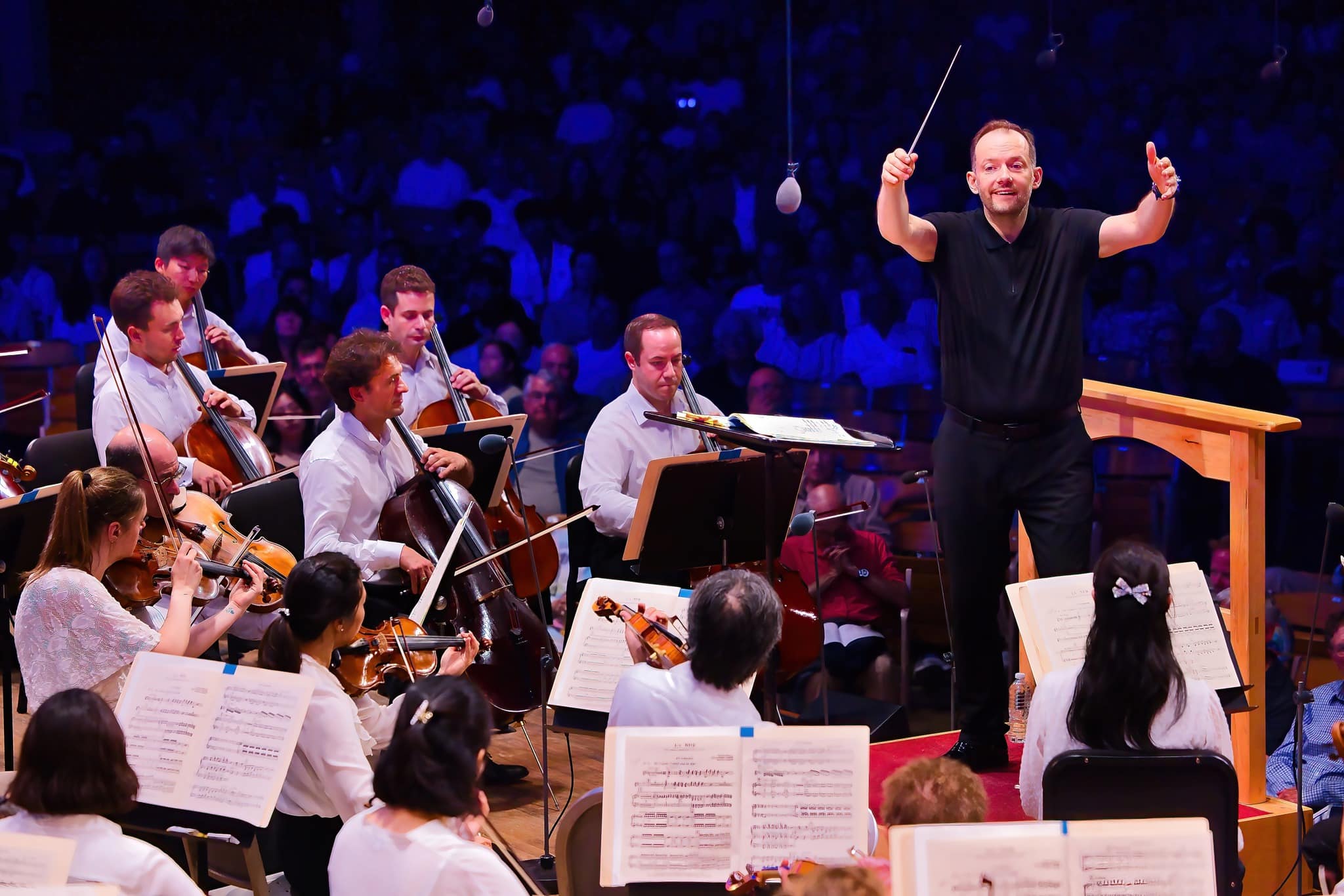
The initial “breaking” report appeared on the classical‑music blog Slipped Disc, which published an unequivocal statement from BSO musicians pushing back against Nelsons’ removal. The story has since ricocheted across industry circles, with observers comparing it to earlier flashpoints at the Berlin Philharmonic and Munich Philharmonic, where conductor politics became headline news.
How Did We Get Here? The BSO–Nelsons Relationship in Context
When Andris Nelsons arrived in Boston in 2014, the reception bordered on euphoric. He was the young, charismatic Latvian maestro tasked with re‑energizing a storied orchestra that had weathered leadership turbulence and shifting audience habits. Early seasons delivered: electrifying Shostakovich cycles on Deutsche Grammophon, ambitious tours, and some of the most acclaimed BSO concerts of the last decade.
Over time, however, the honeymoon faded. Industry chatter pointed to a mix of factors—busy dual posts in Leipzig and Boston, programming that some critics found cautious, and lingering questions about rehearsal time and artistic focus. Still, by most public measures, Nelsons remained a marquee name: a regular at major festivals, a recording staple, and a box‑office draw in Boston.
“The musicians of the Boston Symphony Orchestra stand firmly behind Andris Nelsons and oppose any move to remove him as music director.”
That kind of unified language from an orchestra’s players is rare. Typically, artists avoid overtly weighing in on board‑level decisions unless the situation has become existential or deeply personal. The fact that the statement, as reported by Slipped Disc, was “unequivocal” signals that this isn’t routine contract noise—it’s a serious rupture in governance and trust.
Why the Musicians’ Opposition Matters
In orchestral politics, you can roughly map three power centers: the board and management (who control money and strategy), the music director (who sets artistic direction), and the musicians (who are the product). Most controversies involve two of those groups. Here, we have a rare moment where the musicians are effectively siding with their conductor against the institution that employs them both.
- Artistic vote of confidence: Musicians don’t throw support behind a conductor whose rehearsals they dread. Their statement suggests Nelsons has maintained strong on‑stage rapport, even if off‑stage politics have frayed.
- Labor solidarity signal: In the broader U.S. labor context—Hollywood strikes, Broadway disputes—BSO players aligning publicly with Nelsons reads as a pushback against top‑down decision‑making more generally.
- Brand risk for the BSO: If the narrative hardens into “the board fired the musicians’ choice,” it risks alienating audiences and donors who see the players as the orchestra’s authentic voice.
Reading Between the Lines: Governance, Image, and Industry Optics
Stripped of insider gossip, the Nelsons–BSO saga touches on a familiar tension: who really owns an orchestra’s artistic identity? In theory, it’s a balance—boards safeguard the institution, music directors chart the artistic vision, and musicians embody it. In practice, especially with an A‑list conductor, the lines blur. A sudden “sacking” (or even the perception of one) can feel like an aesthetic coup.
From an image standpoint, timing and transparency are everything. The BSO, like all major arts organizations, is fighting on multiple fronts: audience recovery after pandemic seasons, donor fatigue, competition from streaming culture, and the need to justify big‑ticket classical programming to a broader, younger, and more diverse public.
Allowing a narrative to emerge where musicians have to leak or publicly circulate their opposition via a blog—rather than through a coordinated institutional statement—suggests either:
- A rushed or internally contested decision about Nelsons’ future, or
- A miscalculation about how quickly and loudly musicians would respond.
Classical music is often sold as timeless, but its institutions are anything but. They are as vulnerable to PR storms and governance missteps as any streaming platform or movie studio.

The Case for Nelsons: Musical Strengths and Audience Appeal
Setting aside the drama, Nelsons has delivered substantive musical value in Boston. His strengths are well documented in reviews from outlets like The New York Times and Gramophone: deeply shaped symphonic arcs, a knack for late‑Romantic color, and a particular affinity for Shostakovich, Mahler, and the Central European repertoire.
- Recording legacy: The BSO–Nelsons Shostakovich series on Deutsche Grammophon has become a calling card for the orchestra’s current era.
- Brand synergy: Holding posts in both Boston and Leipzig allowed for cross‑pollination—shared commissions, joint branding, and a modern take on the jet‑setting maestro model.
- Box office: Anecdotally and from public ticket data, Nelsons’ name still moves seats, especially in core repertoire weeks and festival‑style programming.
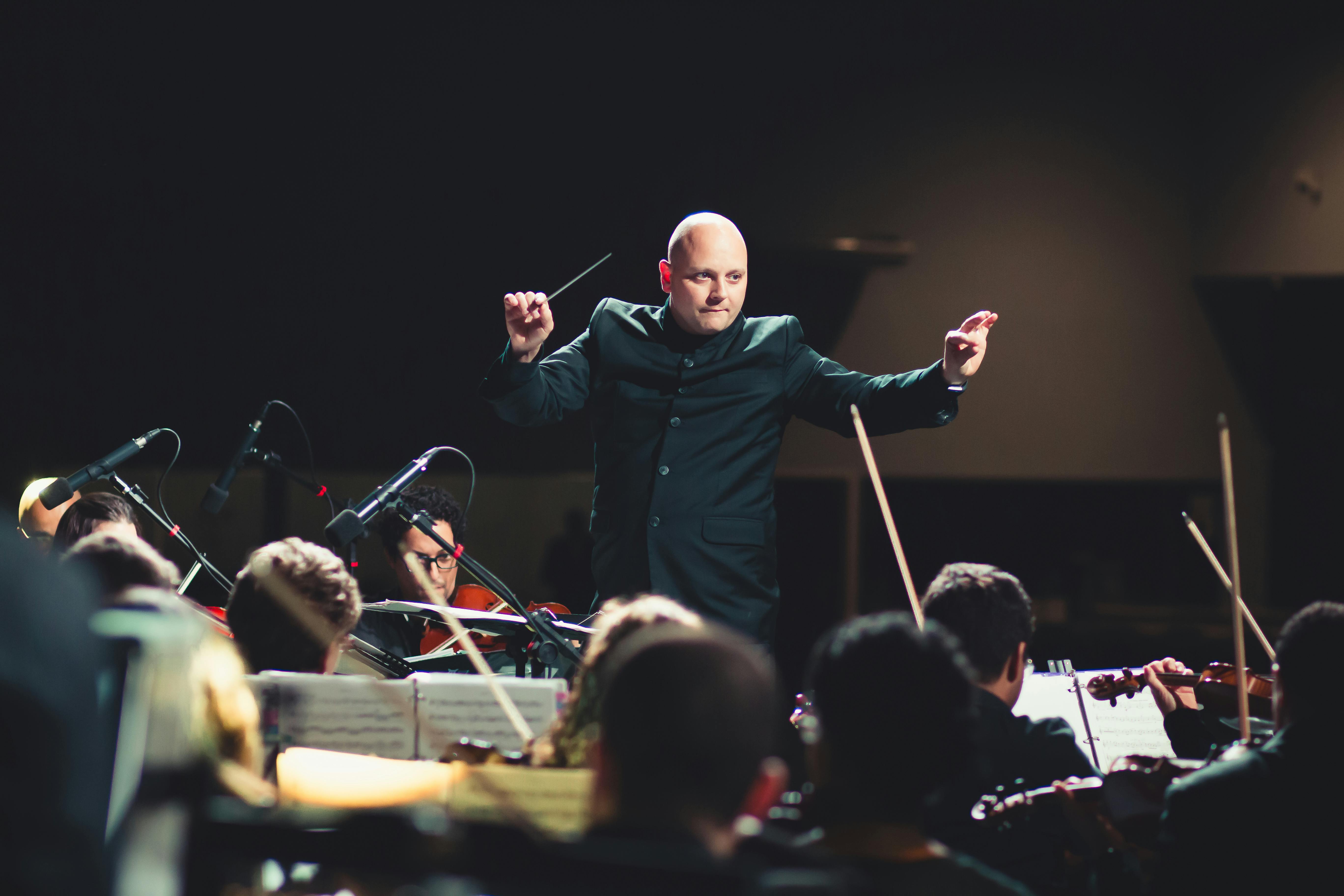
“Nelsons draws playing of exceptional refinement and power, reminding us why the Boston Symphony remains one of America’s great orchestras.”
The Counterarguments: Critiques, Fatigue, and Strategic Questions
Of course, no long‑term music directorship is immune to criticism. Even before the current dispute, industry watchers noted several friction points that might have nudged the BSO toward a parting of ways—whether now or at the end of a contract cycle.
- Programming conservatism: Some critics have accused Nelsons’ Boston seasons of leaning too heavily on “safe” symphonic warhorses, with newer music and underrepresented composers too often relegated to the margins.
- Split focus: Running both the BSO and the Gewandhausorchester Leipzig invites the perennial question: can any one conductor truly give two flagship orchestras all the attention they deserve?
- Succession anxiety: Boards think in decades, not seasons. If internal conversations turned toward long‑term succession planning, it’s possible that timelines and expectations simply stopped aligning.
None of those critiques on their own justify a clumsy exit. But they help explain how a board might have been primed to see Nelsons as a phase rather than a fixture, even as musicians still felt artistically invested in his tenure.
Media, Blogs, and the Slipped Disc Factor
A side story here is the role of Slipped Disc itself. The site occupies a peculiar niche: sometimes ahead of the curve on scoops, sometimes criticized for sensational framing, but undeniably influential among musicians and insiders. When Slipped Disc posts that it has received an “unequivocal” statement from BSO musicians, the story instantly gains traction—even before institutional press releases hit inboxes.
This dynamic reflects a broader shift: classical music news no longer trickles out through official press offices and the arts pages of legacy newspapers. It surfaces through blogs, X threads, union statements, and Discord chats. That decentralization empowers musicians to shape narratives—but it also means orchestras can lose control of the story in hours if they mismanage communication.

In 2026, the story isn’t just “Did the board sack the conductor?” but also “Who got to tell that story first, and why?”
What This Means for the BSO, Nelsons, and the Classical World
However the BSO–Nelsons situation resolves—quiet contract settlement, re‑negotiated terms, or a very public divorce—the ripple effects will be studied by other major ensembles. For conductors weighing multi‑city appointments, for musicians asserting more say in leadership, and for boards trying to future‑proof their brands, Boston is rapidly becoming a case study.
- For the BSO: The orchestra must balance institutional authority with visible respect for its musicians’ collective voice, all while reassuring audiences and donors that the artistic vision remains coherent.
- For Andris Nelsons: His next steps—whether doubling down in Leipzig, pursuing another major American post, or recalibrating his schedule—will be watched closely. A messy exit can be overcome, but only with smart repertoire choices and clear communication.
- For the industry: Expect more assertive musician statements when artistic decisions feel imposed rather than earned. The age of quiet, backroom conductor transitions is ending.
Final Note: A Turning Point, Not Just a Tabloid Moment
It’s tempting to treat the story of Boston Symphony musicians opposing Andris Nelsons’ reported sacking as mere classical‑music gossip—a bit of schadenfreude for those who follow maestro drama. But underneath the headlines is something more consequential: a renegotiation of how cultural power is shared in legacy institutions.
If orchestras want to convince new generations that they’re not fossilized status symbols, episodes like this one will have to become opportunities rather than embarrassments. Opportunities to communicate clearly, to involve musicians transparently, and to re‑explain to the public why these organizations—and the people who make music inside them—still matter.

For now, one thing is clear: in Boston, the musicians have spoken loudly and publicly. How the board and Nelsons respond will shape not just the next BSO season, but the playbook for classical‑music leadership in the years ahead.
