
Art Heist in Under Three Minutes: Inside the Daring Parma Museum Robbery
In northern Italy, thieves stole three masterpieces by Paul Cézanne, Pierre-Auguste Renoir, and Henri Matisse from the Magnani Rocca Foundation near Parma in under three minutes—a heist so fast it feels storyboarded for a prestige crime drama. Beyond the headline-grabbing number is a story about Europe’s cultural heritage, museum security in the age of “smash‑and‑grab” robberies, and the strange afterlife of paintings that become too famous to sell.
Italy, Art, and the Long History of the Heist
Italy is no stranger to high-profile art crime. From Caravaggios disappearing from Sicilian churches to the infamous theft of the Mona Lisa from the Louvre by an Italian handyman in 1911, the country sits at the intersection of immense cultural wealth and a persistent black market appetite.
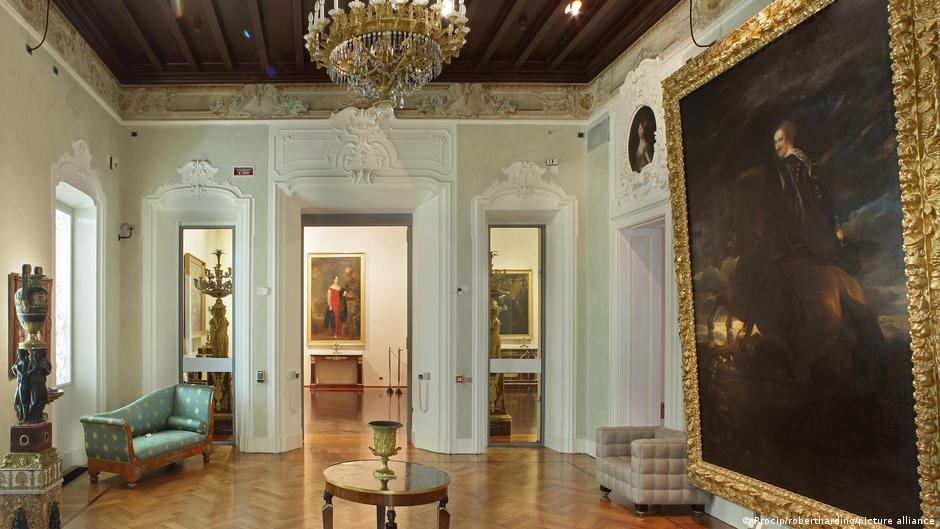
The latest target, the Magnani Rocca Foundation in Mamiano di Traversetolo near Parma, isn’t as globally famous as the Uffizi or the Vatican Museums, but among art insiders it’s a jewel box—an elegant villa turned museum, known for its collection of modern masters and Italian art from the 19th and 20th centuries.
That Cézanne, Renoir, and Matisse were the targets is not random. These three names sit at the foundation of modern painting, and their works command staggering sums at auction—Cézanne has cleared the $200 million mark, with Renoir and Matisse also regularly drawing eight‑figure prices.
The Parma Museum Heist: What Happened in Those Three Minutes?
Local police, quoted by DW (Deutsche Welle), confirmed that the thieves removed three paintings worth millions of euros in an operation timed in under three minutes. That speed suggests advance planning, detailed knowledge of the museum’s layout, and likely a short, scripted route in and out.
- Target: Three paintings by Cézanne, Renoir, and Matisse.
- Location: Magnani Rocca Foundation museum, Mamiano di Traversetolo, near Parma in northern Italy.
- Execution: Entry, removal, and exit reportedly took less than three minutes.
- Value: Combined value estimated in the multiple millions of euros.
While all the procedural details have not been made public, the pattern aligns with a type of theft security experts call a “blitz heist”: minimal time on site, high-value targets, and a clear getaway path. This isn’t the slow, deliberative safe‑cracking of old films; it’s more like a well‑rehearsed stunt.
“They knew exactly what they were looking for,” one investigator told Italian media, hinting at the thieves’ apparent familiarity with the collection’s layout and alarm systems.
That kind of confidence usually points to one of three possibilities: inside information, prior reconnaissance disguised as ordinary museum visits, or a combination of both.
Why Cézanne, Renoir, and Matisse Are Prime Targets
To understand the cultural shock of this heist, you have to understand what was taken. These aren’t just expensive decorations; they’re pillars in the architecture of modern art.
- Paul Cézanne – Often called the “father of modern art,” Cézanne bridges Impressionism and Cubism. Picasso famously said:
“Cézanne is the father of us all.”
- Pierre-Auguste Renoir – One of the quintessential Impressionists, Renoir focused on warmth, light, and scenes of everyday Parisian life. His paintings are instantly recognizable cultural shorthand for 19th‑century leisure.
- Henri Matisse – A leading figure of Fauvism and one of the great colorists of the 20th century. Matisse’s bold, simplified forms helped define the language of modernism.
In market terms, these names are as blue‑chip as it gets. In cultural terms, they’re part of the shared language of Western art history. Stealing such works is a bit like kidnapping celebrities: they’re incredibly valuable, but almost impossible to hide.
Can You Even Sell a Stolen Cézanne? The Myth and Reality of the Art Black Market
Popular culture loves the idea of a shadowy billionaire commissioning art thefts for private enjoyment. Reality is messier and often less glamorous. Extremely famous works are almost impossible to sell openly; any legitimate auction house or dealer would flag them instantly.
So why steal them?
- Collateral in criminal networks: Stolen art sometimes becomes a bargaining chip—used as leverage in negotiations or illicit trades.
- Ransom and insurance fraud: Thieves may hope to negotiate for a “reward” or exploit insurance structures.
- Misjudged value: Less sophisticated criminals may underestimate how recognizable their loot is.
In the Parma case, the paintings’ fame is a double-edged sword: it amplifies the cultural damage but also increases the chances that any attempt to move the works will draw attention.
Museum Security vs. Visitor Experience: A Delicate Balancing Act
The heist also exposes a structural tension in museum culture: how do you keep art safe without turning galleries into airport checkpoints? Smaller institutions like the Magnani Rocca Foundation often lack the deep security budgets of global mega‑museums but still house world‑class works.
Typical security layers include:
- Alarmed frames and motion detectors around key works
- CCTV coverage and on‑site guards
- Controlled entry and exit points
- Nighttime perimeter security and glass break sensors
Yet as art crime historian Noah Charney often points out, thieves only need to be lucky once. Institutions must be lucky every single day.
“The paradox is that museums are asked to be both temples of culture and fortresses, without ever looking like fortresses,” one Italian curator remarked in the wake of another European art theft.
After incidents like this, there’s usually a predictable cycle: calls for tighter security, short‑term upgrades, and then, slowly, institutional memory softens—until the next heist.
Why the Parma Heist Resonates: Culture, Cinema, and Collective Memory
Daring art thefts sit at a strange crossroads of fascination and outrage. They’re instantly cinematic—three minutes, three masters, an Italian villa—but the real cultural cost is quieter and longer-lasting.
When paintings disappear:
- Scholars lose access to study brushwork, technique, and materials.
- The public loses contact with works that may never return to open view.
- Local identity takes a hit, especially for regional museums that rely on a few star works to anchor their profile.
Pop culture—from The Thomas Crown Affair to Inside Man—has trained us to romanticize the mastermind thief. Yet the Parma theft is less about suave antiheroes and more about the vulnerability of public culture in a world where high‑value objects can be lifted faster than most of us can microwave dinner.
What Happens Next: Recovery, Databases, and the Long Game
In the immediate aftermath, Italian authorities will circulate images and details of the missing works to international databases such as the INTERPOL stolen works registry and Italy’s own Carabinieri art squad archives. Auction houses, galleries, and major collectors are already on informal alert.
Recovery in art theft cases can be:
- Surprisingly quick – if thieves panic and abandon or attempt to offload the works clumsily.
- Decades-long – with paintings resurfacing during unrelated criminal investigations.
- Tragically incomplete – some works simply never reappear.

There’s also a softer, public-facing next step: exhibitions, symposia, and renewed discourse about how we value and protect cultural heritage. Don’t be surprised if, in a few years, the Magnani Rocca Foundation ends up hosting a show or public program reflecting on this very incident—assuming, one hopes, that the paintings have found their way home.
Final Thoughts: Three Minutes That Will Echo for Years
In less time than it takes to stroll through a single gallery, thieves removed a trio of works that connect Parma to the global story of modern art. Whether the paintings are quickly recovered or drift into the long limbo of missing masterpieces, the heist has already done one thing: it has forced museums, policymakers, and the public to re‑examine what it really means to keep culture “safe.”
The irony is hard to miss. We like to think of great art as timeless, but this episode is a reminder that paintings, like people, are vulnerable to the particular anxieties of their era—ours just happens to be one where a three‑minute crime can rearrange a museum’s identity overnight.
