
Alan Cumming, BAFTA Backlash, and the New Rules of Awards-Show Apologies
Alan Cumming’s BAFTAs Backlash: What His ‘Trauma Triggering’ Apology Says About Awards Shows Now
By Culture Desk ·
Updated for context and reactions as of March 4, 2026.
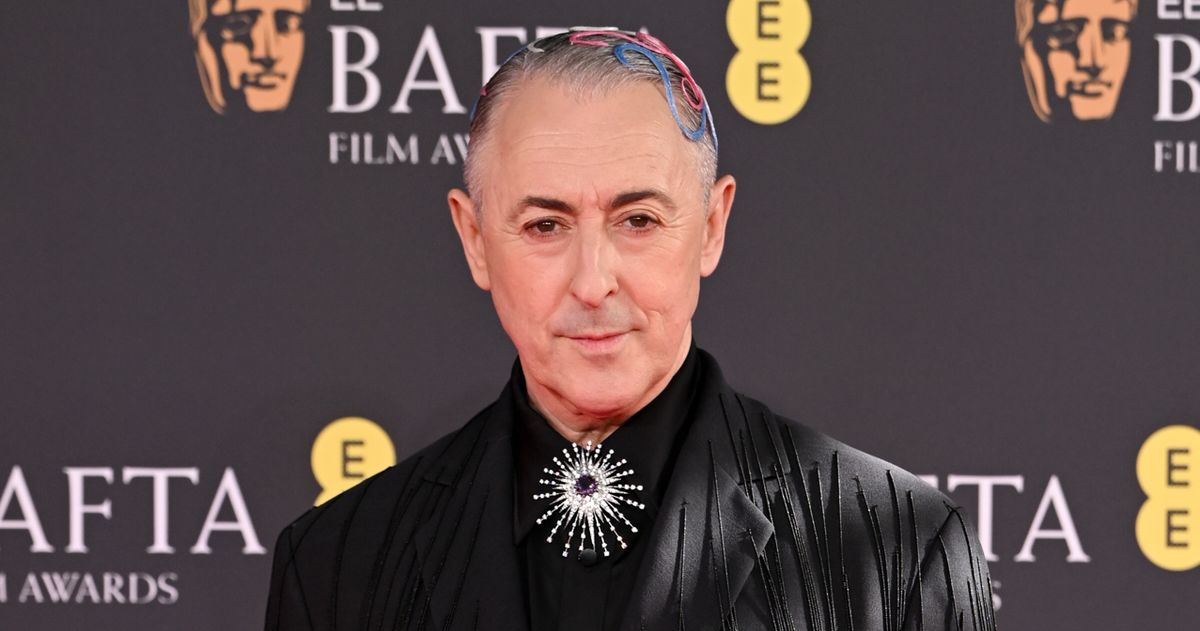
When an Awards Show Becomes a Flashpoint
What’s supposed to be a polished victory lap for film and television has turned into a week-long postmortem. A full week after hosting the BAFTAs, Alan Cumming has now issued a second apology, responding to viewers who described parts of the broadcast as “trauma triggering” and criticizing the decision to both air slurs and simultaneously censor other moments of speech. In an era when awards shows are delicately choreographed to be inclusive, brand-safe, and social-media-ready, this BAFTA fiasco has become a small but telling cultural drama.
Cumming’s new statement, shared after a wave of criticism and think pieces, doesn’t just say “sorry for any offense.” It points at structural decisions behind the scenes, calling out how the broadcast handled sensitive language and onstage spontaneity. In doing so, it drops us into a bigger conversation about live television, trauma discourse, and the precarious job of the modern awards-show host.
What Actually Happened at the BAFTAs?
While the BAFTAs have long styled themselves as the slightly more literary, more restrained cousin to the Oscars, they’re still live television—or close to it—and therefore vulnerable to the same tightrope walk of tone. This year’s ceremony, hosted by Alan Cumming, drew criticism for two main reasons:
- The broadcast aired slurs used in a context that many viewers found harmful or “trauma triggering.”
- At the same time, other moments—perceived as political or otherwise risky—were edited or muted, prompting accusations of selective censorship.
That blend—letting slurs through while trimming more substantive commentary—landed especially poorly in a media climate that is hyper-attuned to messaging around race, gender, and power. This wasn’t just a “tasteless joke” controversy; it was framed as a failure of duty of care by a major cultural institution.

Alan Cumming’s Second Apology: What He Actually Said
In his follow-up statement, Cumming acknowledges that the night—which should have been a celebration of creativity, diversity, and inclusion—fell short for many viewers. While the full text of his message is hosted on platforms like Vulture and social media, the key themes are clear: ownership, empathy, and a pointed critique of editorial choices beyond his control.
“It’s now a week since I hosted the BAFTAs. What should have been an evening celebrating creativity as well as diversity and inclusion became, for some, a source of pain. We were all let down by decisions made to both broadcast slurs and censor free speech.”
That last line—“we were all let down”—is doing a lot of work. Cumming positions himself alongside viewers and performers as being undermined by the broadcast’s editorial decisions, without entirely deflecting responsibility for his role as the face of the evening.
The Language of “Trauma Triggering” and Viewer Expectations
One reason this story has stuck is the phrase “trauma triggering.” That language reflects how mainstream the vocabulary of therapy and mental health has become in pop-culture discourse. It’s no longer unusual to see audiences describe a storyline, joke, or slur in clinical-adjacent terms, especially when it touches on racism, homophobia, or other systemic harms.
For broadcasters, that raises the bar. Viewers now expect:
- Content warnings when sensitive material is included, particularly around slurs and violence.
- Clear editorial logic—if you censor political commentary or expletives, why wouldn’t you similarly check or contextualize slurs?
- A sense that inclusion is not just an aesthetic (who’s on stage) but an ethic (how they’re protected and represented).
The BAFTA complaints tap into that tension: audiences want live, unscripted energy, but they also want institutions to take responsibility for the emotional and cultural impact of what they air.

Free Speech vs. Broadcast Standards: A No-Win Scenario?
Cumming’s criticism that BAFTA both “broadcast slurs and censor free speech” lands directly in the culture-war minefield. On one side, there’s a call for strict sensitivity about dehumanizing language; on the other, frustration that spontaneous political or critical remarks are being sanitized out of live TV.
This isn’t new, exactly. Think of:
- Oscars controversies where political acceptance speeches are trimmed, blurred by music, or later reframed in PR-friendly terms.
- Grammys and VMAs moments where artists’ more radical or messy gestures are edited around in rebroadcasts, even as controversy helps drive ratings.
Yet coupling that editing with the unfiltered airing of slurs is uniquely combustible. It practically invites critics to accuse BAFTA and the BBC of caring more about policing tone than protecting people affected by those words.
“It’s hard to claim you’re guarding viewers from harm when what you mute is political speech, not language that many people associate with lived trauma.” — Cultural critic commenting on the BAFTA broadcast
Alan Cumming’s Persona: Camp, Politics, and Responsibility
Part of why this particular apology has traction is who Alan Cumming is. He’s not a random safe-pair-of-hands TV host; he’s an openly queer, politically engaged performer whose career has often played with transgression and camp. From his era-defining turn as the Emcee in Cabaret to his mainstream rise on The Good Wife, Cumming’s public image has balanced mischief with moral clarity.
That makes the BAFTA situation feel less like “edgy comedian crosses the line” and more like “trusted cultural figure caught in an institutional mess.” Cumming’s statement trying to separate his onstage work from the edit suite choices is understandable—but it also highlights how, to viewers, the host and the institution are often fused.
What This Means for Future Awards Shows
The BAFTA fallout isn’t isolated. Each live-television controversy becomes an unofficial style guide for the next production team. You can already predict the PowerPoint slides: “Lessons from BAFTA 2026.”
- Clearer policies on sensitive language: If slurs are referenced for artistic or historical reasons, producers may need advance content warnings, context on screen, or editorial safeguards.
- Less arbitrary censorship: Cutting political comments while letting harmful language slip through is a reputational nightmare. Expect more deliberate guidelines about what gets muted and why.
- Shared responsibility between host and institution: Hosts may push for creative control or, at minimum, public clarity about who makes final broadcast decisions.
- Real-time crisis management: With social media reacting in seconds, networks might be quicker to address controversies during or immediately after a show rather than waiting a week.

Assessing the Apology: Sincere Step Forward or Strategic Damage Control?
Judged purely as a piece of public communication, Cumming’s second apology sits somewhere between earnest and strategic. It shows:
- Strengths: He directly acknowledges the harm described by viewers, avoids mocking the language of trauma, and clearly critiques the institutional choices that created the contradiction of slurs-plus-censorship.
- Weaknesses: The phrase “we were all let down” can read as a soft diffusion of responsibility. Some will inevitably wish for even more concrete self-critique about what could have been done differently on stage.
Still, in a media landscape where apologies often feel like templates, this one at least engages with the specific contradiction at the heart of the BAFTA broadcast. It names the problem, even if it can’t fully solve it.
Where the BAFTA Conversation Goes Next
The Alan Cumming–BAFTA apology cycle won’t reshape the entire entertainment industry on its own, but it does crystallize where awards shows now live: in the crossfire between authenticity, sensitivity, and corporate caution. Viewers don’t just watch the red carpet; they audit the ethics.
The real test will be the next run of ceremonies—BAFTA, the Oscars, the Emmys—where producers will either quietly overcorrect or thoughtfully rethink how live television handles slurs, politics, and the language of trauma. If Cumming’s statement has any long-term value, it may be as a rare moment when a host publicly joined the audience in questioning not just what was said on stage, but how and why it reached the air at all.
For now, the BAFTAs have become less a simple awards night and more a case study in what happens when the promises of diversity and inclusion meet the messy realities of live broadcast—and who gets blamed when those promises don’t quite hold.
