
AI PCs and Copilot+ Laptops: How NPUs Are Rewiring the Future of Personal Computing
After years of incremental CPU and GPU improvements, the PC market has found its next battleground: integrated AI acceleration. Under the banners of “AI PCs” and “Copilot+ PCs,” Microsoft and its silicon partners are redefining laptop and hybrid device design around dedicated NPUs that run machine learning workloads locally, quietly shifting the center of gravity away from the cloud and back to the device.
At stake is not just performance, but the very experience of personal computing—how we search, communicate, create content, and secure sensitive data at the edge.
Mission Overview: What Is an AI PC or Copilot+ Laptop?
An AI PC (or Copilot+ PC in Microsoft’s branding) is typically defined by three pillars:
- A capable NPU delivering a minimum threshold of TOPS (tera operations per second) for AI inference.
- Modern system architecture with sufficient RAM, SSD storage, and security features like Pluton, TPM 2.0, and secure boot.
- Deep OS integration so on‑device AI features are surfaced consistently across Windows and applications.
Microsoft now uses these criteria to certify “Copilot+ PCs,” and ties exclusive features—such as more advanced Copilot experiences and certain on-device models—to devices that meet or exceed these hardware baselines.
“We’re designing the PC around AI, not the other way around. The NPU is becoming just as fundamental as the CPU and GPU for next‑generation workloads.”
— Satya Nadella, CEO of Microsoft, in recent Copilot+ announcements
Technology: How NPUs Reshape the PC Architecture
The defining characteristic of AI PCs is the presence of an NPU (Neural Processing Unit), a specialized accelerator designed for matrix math and tensor operations typical of deep learning inference.
Why Not Just Use the CPU or GPU?
Traditional CPUs and GPUs can run AI models, but they are not optimized for the power and latency constraints of mobile PCs. NPUs offer:
- Higher efficiency: Many TOPS per watt for neural workloads, ideal for battery-powered devices.
- Predictable latency: Tailored execution pipelines for transformer and CNN layers.
- Offloading: Freeing CPUs/GPUs for other tasks, improving overall responsiveness.
Inside the Tri‑Vendor Race: Qualcomm, Intel, and AMD
The Windows ecosystem has coalesced around three major silicon players, each with a distinct approach:
- Qualcomm: ARM‑based “Snapdragon X” and related laptop chips emphasize high NPU throughput and exceptional battery life, aiming squarely at Apple’s M‑series. They tightly integrate CPU, GPU, and NPU into a unified SoC, with aggressive power gating and always‑connected design.
- Intel: Its Core Ultra and successor families introduce a discrete NPU block alongside performance and efficiency CPU cores and Xe graphics. Intel leans heavily on Intel AI PC acceleration frameworks to expose this hardware through Windows, DirectML, and OpenVINO.
- AMD: Ryzen AI processors integrate an NPU into Ryzen APUs, complemented by strong integrated graphics. AMD promotes unified AI acceleration via Radeon AI and ROCm tooling for developers.
All three vendors expose their NPUs via standard Windows interfaces like ONNX Runtime and DirectML, while also offering vendor‑specific SDKs for advanced tuning.
Technology: Copilot+ Deep Integration in Windows
On the software side, Microsoft is using Windows as the control surface for this hardware shift. “Copilot+ PC” is not just a sticker; it’s a set of capabilities tightly bound to NPU performance.
Key Copilot+ Experiences on AI PCs
- On‑device assistants: Smaller language models run locally for quick tasks—summarization, rewriting, context hints—without a round‑trip to the cloud.
- Real‑time media enhancement: Background blur, noise suppression, auto‑framing, gaze correction, and lighting adjustment during calls, handled largely by the NPU.
- Local transcription and translation: Meeting transcription, captions, and multilingual support can operate offline or in constrained networks.
- Image and video tools: Generative fill, background removal, super‑resolution, and style transfer in creative apps with lower latency.
These capabilities are surfaced through Windows Shell, Microsoft 365 apps, and partner software, but they are gated by NPU capability and overall device spec. That creates a clear line between older PCs and officially recognized AI PCs.
“The transition to AI PCs will be as significant as the move to Wi‑Fi, SSDs, or high‑DPI displays. Over time, people will simply expect their computers to understand context and content locally.”
— Panos Panay (former Chief Product Officer, Microsoft) on the future of Windows devices
Scientific Significance: Why On‑Device AI Matters
From a computing research perspective, AI PCs are an experiment in pushing intelligence to the edge. The shift has several important implications:
1. Energy‑Aware AI
Running AI locally with NPUs forces model designers to consider energy, thermal envelopes, and resource constraints. This accelerates innovation in:
- Quantization (e.g., 8‑bit, 4‑bit, or mixed‑precision inference).
- Model pruning and distillation.
- Efficient architectures (e.g., MobileNet‑style CNNs, efficient transformers).
2. Privacy‑Preserving Computation
On‑device inference allows sensitive data—emails, documents, medical notes, source code—to stay on the machine while still benefiting from AI. This is critical for:
- Regulated industries (finance, healthcare, government).
- Jurisdictions with strong data residency laws.
- Individuals concerned about behavioral profiling in the cloud.
3. Human–Computer Interaction (HCI)
AI PCs create opportunities for more context‑aware interfaces that react to what the user is doing, not just simple prompts. Examples include:
- Proactive document summaries as you open files.
- Memory of recent work sessions to resume tasks fluidly.
- Local “personal knowledge bases” that index your own data.
“Edge AI is not only about performance; it is about aligning computation with human trust boundaries. The closer intelligence is to the user, the more controllable and interpretable it can become.”
— Fei‑Fei Li, Professor of Computer Science, Stanford University
Technology Stack: Frameworks, Tools, and Developer Ecosystem
The long‑term success of AI PCs depends on how quickly developers can adopt NPUs in their applications. Microsoft and hardware vendors are investing heavily in tooling.
Core Software Building Blocks
- ONNX Runtime: A cross‑platform inference engine that can target CPU, GPU, and NPU backends on Windows. Many vendors provide ONNX EPs (Execution Providers) for their NPUs.
- DirectML: A low‑level API in DirectX that lets apps tap into a variety of accelerators—useful for game engines and multimedia apps.
- Vendor SDKs:
- Intel: OpenVINO
- AMD: Radeon AI / ROCm
- Qualcomm: AI Engine Direct
- Model deployment tools: Converters from PyTorch or TensorFlow into ONNX or vendor‑optimized formats.
Developer Considerations for AI PC Apps
When porting or building AI‑enhanced apps for AI PCs, developers typically focus on:
- Model size and latency targets for interactive use (sub‑second response where possible).
- Device capability detection at runtime (falling back to CPU/GPU if NPU is absent).
- Graceful degradation: Offering reduced but functional features on non‑AI PCs.
- Privacy defaults: Clear toggles for data indexing, personal memory, and telemetry.
Visualizing the New Hardware Landscape
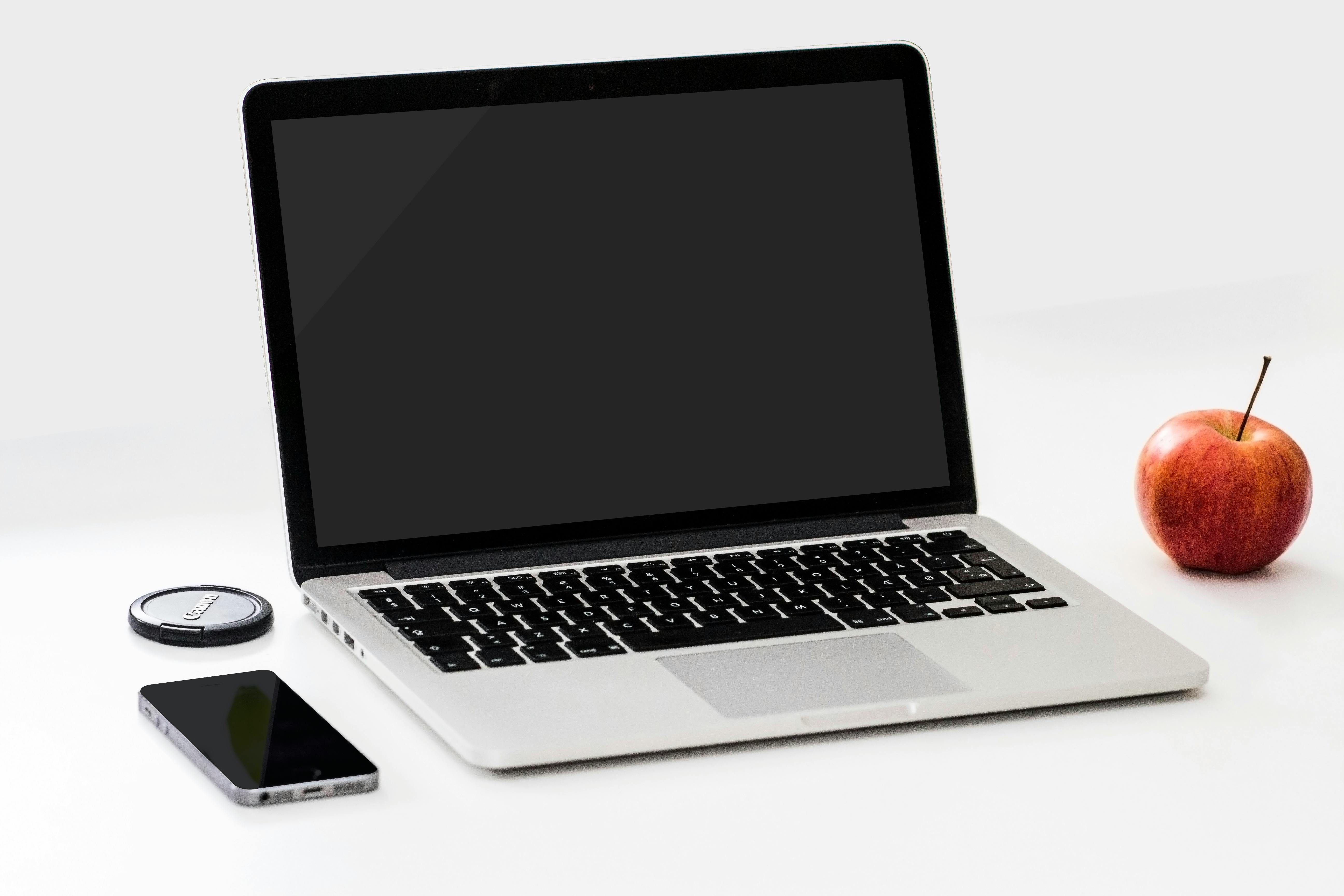

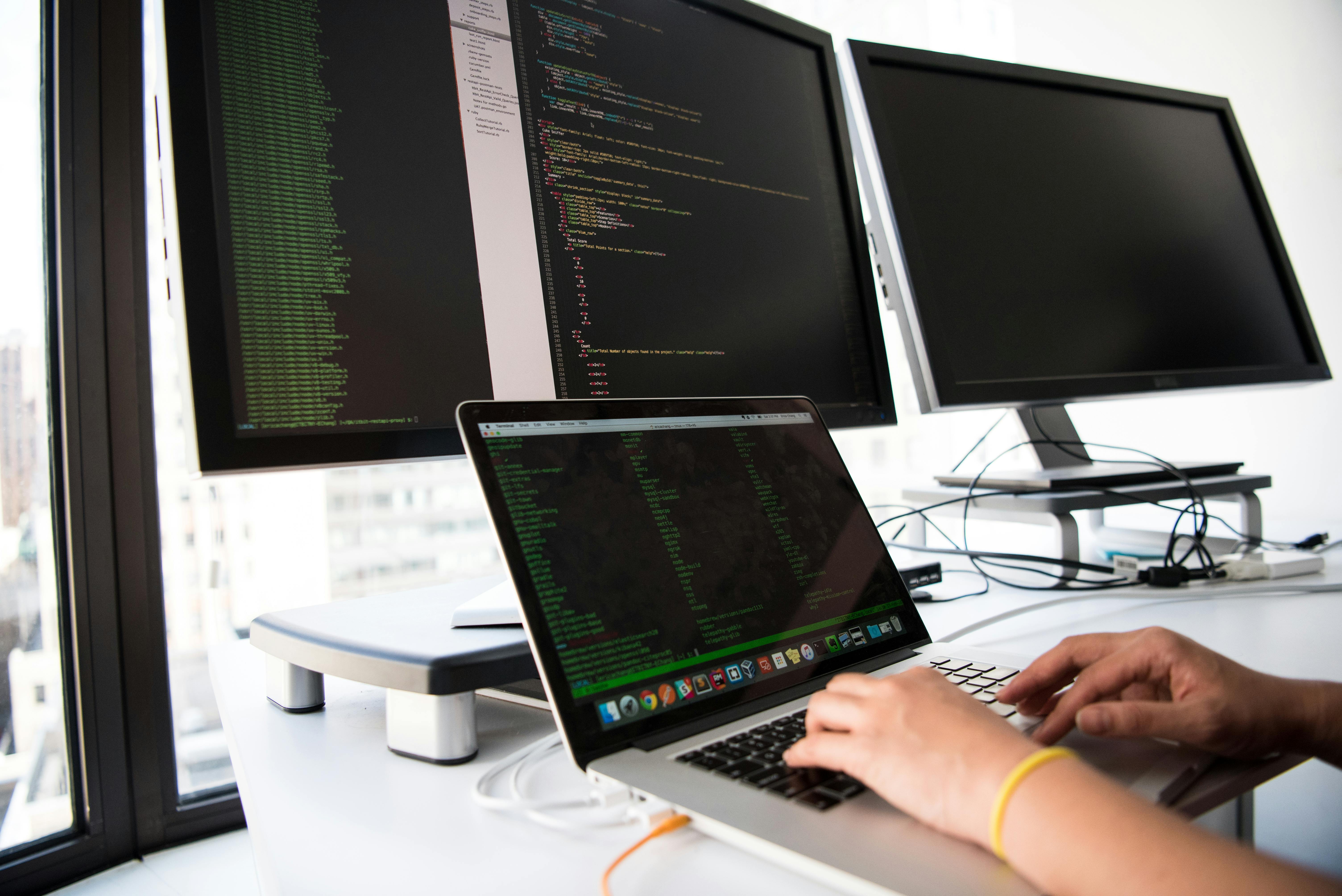
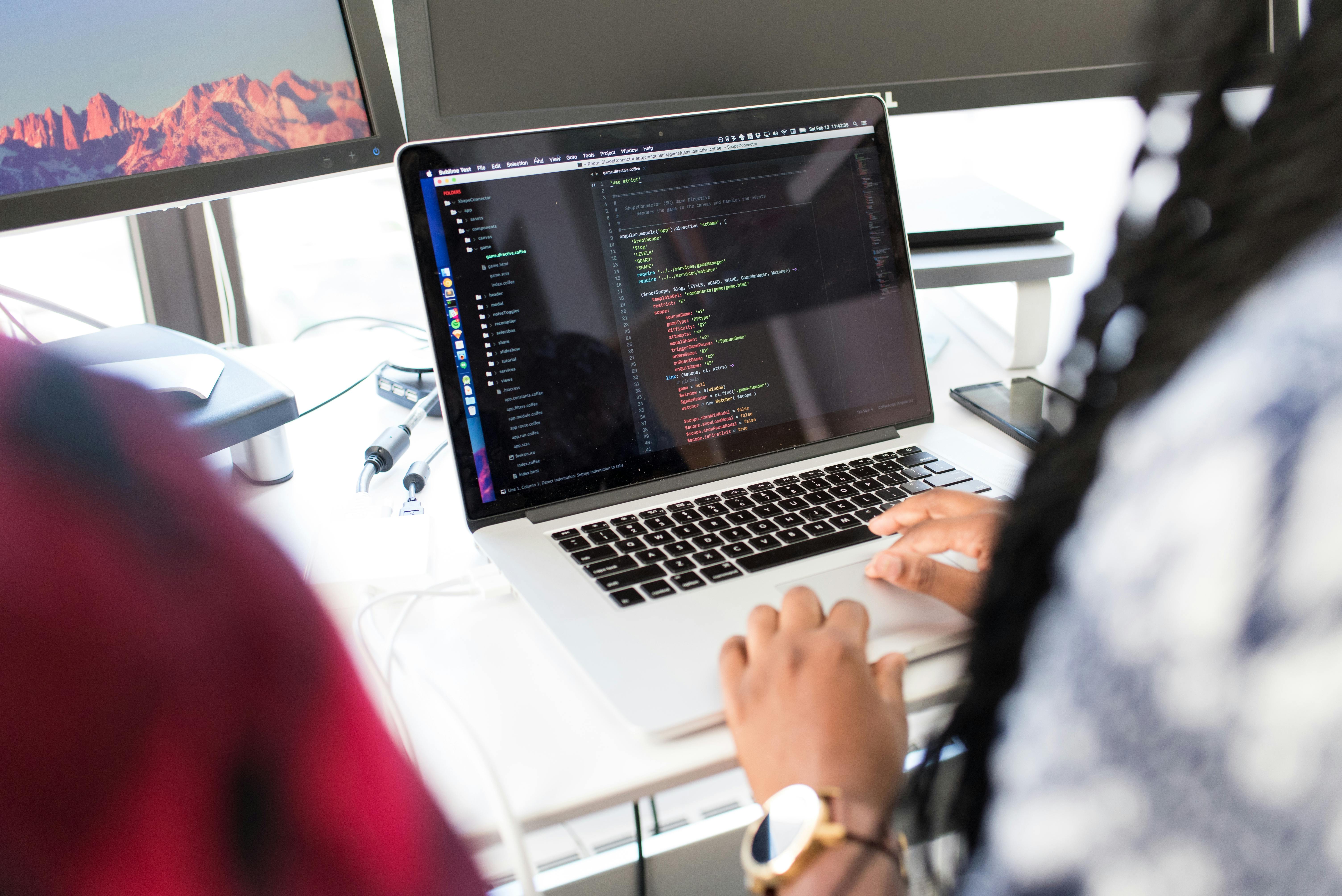
Milestones and Market Dynamics
The emergence of AI PCs is not a single event but a sequence of milestones across hardware, software, and user adoption.
Key Milestones in the AI PC Journey
- Early NPUs in premium devices: Prototype and niche systems with basic AI offload (background blur, camera effects).
- Copilot+ PC announcement: Microsoft formalizes hardware baselines, co‑launching with Qualcomm, then Intel and AMD platforms.
- Enterprise pilots: Large organizations trial AI PCs for knowledge workers, often focusing on secure local summarization and meeting intelligence.
- ISV adoption: Independent software vendors integrate NPU acceleration into creative suites, conferencing tools, and security products.
- Mainstream upgrade cycle: As older devices age out and AI features become default expectations, AI PCs dominate new shipments.
“The AI PC is not a gadget; it’s the new baseline. In a few years, buying a PC without an NPU will feel like buying one without Wi‑Fi.”
— Industry analyst commentary in recent coverage from The Verge and Tom’s Hardware
Practical Buyer’s Guide: What to Look For in an AI PC
For professionals, students, and creators evaluating AI PCs, several technical and practical criteria matter.
Core Evaluation Checklist
- NPU performance: Look at TOPS numbers, but also at real‑world tests for transcription, video calls, and creative workflows.
- Battery life under AI load: Reviews that measure battery drain during AI‑enhanced video conferencing or local LLM inference are especially valuable.
- Thermals and noise: Efficient NPUs should enable quiet operation even under sustained AI workloads.
- Software ecosystem: Verify that the apps you rely on (Teams, Zoom, Adobe Creative Cloud, development tools) have begun to exploit NPU acceleration.
- Compatibility: On ARM‑based systems, check compatibility with legacy Win32 apps or virtualization solutions you rely on.
Example AI‑Ready Accessories and Tools
To make the most of an AI PC, certain peripherals and tools can be helpful. For instance:
- Logitech BRIO 4K Ultra HD Webcam pairs well with NPU‑powered background effects and auto‑framing features.
- Microsoft 365 Personal subscription integrates with Copilot experiences for Word, Excel, Outlook, and PowerPoint on AI PCs.
Challenges and Healthy Skepticism
Despite substantial momentum, experts and users raise legitimate questions about AI PCs and Copilot+ branding.
1. Hype vs. Substance
The risk is that “AI PC” becomes another marketing label—like “3D‑ready” TVs or “blockchain laptops”—without compelling user‑visible benefits.
- If AI features are gimmicky, upgrade incentives will be weak.
- If capabilities are locked behind subscriptions, buyers may question the value of extra hardware cost.
2. Software Fragmentation
Today, AI support in Windows apps is uneven:
- Some apps integrate NPU acceleration via ONNX Runtime or DirectML.
- Others rely exclusively on cloud AI APIs.
- Legacy software may ignore NPUs entirely.
Until tools and frameworks mature further, users may not experience the full benefits of their new hardware.
3. Privacy, Logging, and Control
Local AI enables powerful features—personal memories, contextual assistants, automatic document understanding—but also raises critical questions:
- What data is indexed locally, and how is it encrypted?
- Does anything get uploaded to the cloud for model improvement or telemetry?
- Are there clear, understandable controls to disable or limit monitoring features?
“Transparency and user agency must be first‑class citizens in AI PCs. People should know exactly what their device is learning and have easy ways to turn that learning off.”
— Meredith Whittaker, President of Signal and long‑time AI policy advocate
Enterprise Perspective: Compliance, Control, and ROI
Enterprises represent a major early market for AI PCs because they balance three powerful incentives: productivity, compliance, and cost.
Enterprise Benefits
- Compliance and data residency: Keeping AI workloads local helps satisfy regulations around customer and patient data.
- Network cost savings: On‑device inference reduces bandwidth consumption for AI‑heavy workflows (e.g., transcription for large teams).
- Standardized platform: A homogeneous fleet of AI PCs simplifies software deployment and support.
Risks and Open Questions
- Fleet heterogeneity: Different NPU vendors and capabilities complicate testing and deployment.
- Lifecycle management: How long will AI capabilities remain “cutting‑edge” on a given device, and how fast will models outgrow NPUs?
- Security surface area: NPUs, drivers, and AI subsystems add new attack surfaces if not carefully audited.
Forward‑looking IT organizations are piloting AI PCs with strict governance and policies, often accompanied by internal education programs about AI use and limitations.
Future Outlook: Will AI Become the New Baseline of Personal Computing?
Over the next few product cycles, the market will test whether AI PCs become the default or remain a premium niche. Several scenarios are plausible:
Scenario 1: AI as a Foundational Layer
In this scenario, AI becomes as fundamental as the GUI or the web browser:
- Every major app integrates NPU‑accelerated features.
- Local LLMs provide context‑aware assistance across the OS.
- Most new PCs ship with NPUs by default, and cloud AI is reserved for large or specialized models.
Scenario 2: Hybrid Edge–Cloud Equilibrium
Edge and cloud AI coexist, each optimized for different tasks:
- Local AI handles personal, contextual, latency‑sensitive tasks.
- Cloud AI handles heavy, collaborative, or cross‑user workloads.
- OS and apps dynamically choose where to run inference based on privacy, cost, and latency.
Scenario 3: Re‑centralization Around the Cloud
If NPUs stagnate or software ecosystems underperform, cloud AI could remain dominant, and “AI PC” would recede into a niche hardware feature used sparingly, similar to past accelerator attempts.
Conclusion: How to Think About AI PCs Today
AI PCs and Copilot+ laptops mark the beginning of a long transition, not an overnight revolution. The hardware is clearly ahead of much of the software ecosystem, but that is typical for platform shifts.
For users, the most sensible approach today is to:
- Upgrade to an AI PC if you are already due for a new device and rely heavily on productivity, conferencing, or creative workloads.
- Pay attention to real‑world tests—battery life, thermals, and app compatibility—rather than marketing labels alone.
- Experiment with AI features, but keep an eye on privacy settings and data boundaries.
For developers, AI PCs are a strong signal to:
- Design features that can run effectively on constrained on‑device models.
- Target NPUs via ONNX Runtime, DirectML, or vendor SDKs to unlock performance and differentiation.
- Offer clear, respectful controls for how much of the user’s data is processed and stored.
Whether AI PCs become the default computing paradigm or remain a specialized tier, they are already reshaping silicon roadmaps, OS design, and software architecture. The next few years will determine if “AI inside” becomes as unremarkable—and as essential—as “Wi‑Fi inside.”
Additional Resources and Tips for Staying Current
To track the rapidly evolving AI PC landscape, consider the following strategies and resources:
Follow Reputable Analysis and Benchmarks
- AnandTech and Tom’s Hardware for deep‑dive performance and architectural analysis.
- Windows Central and The Verge for hands‑on reviews and ecosystem coverage.
Watch Technical Talks and Developer Content
- Microsoft Build and Ignite sessions on Copilot+ and Windows on ARM (search on Microsoft’s YouTube channel).
- Intel, AMD, and Qualcomm developer conferences for NPU programming best practices.
Experiment with Local AI Today
If you already have reasonably modern hardware, you can get a taste of local AI even before upgrading to a full AI PC:
- Try open‑source tools like text-generation-webui or llama.cpp with small models.
- Use desktop apps that offer offline transcription or image enhancement and compare CPU vs. GPU vs. NPU performance when available.
References / Sources
For deeper reading and the latest updates, see:
