
AI-Generated Media vs Deepfakes: How We Can Still Trust Anything Online
AI-generated media—spanning images, video, and audio—has undergone an explosive transformation between 2022 and 2026. Tools based on diffusion models, large language models (LLMs), and neural audio synthesis have become easy to use, cheap, and widely integrated into consumer apps. What started as “fun filters” and art generators is now deeply embedded in politics, entertainment, advertising, and everyday social media use.
At the same time, deepfakes—highly realistic but fabricated media—have become a central concern for journalists, security researchers, election observers, and platform trust & safety teams. Tech outlets like The Verge, Wired, TechCrunch, and The Next Web, along with intense threads on Hacker News and X (Twitter), repeatedly highlight one core dilemma: how can we preserve authenticity and accountability when anyone can fabricate convincing evidence in minutes?
To frame the conversation, it helps to think of three intertwined threads:
- Generative capabilities: what current models can actually synthesize.
- Authenticity infrastructure: standards and tools to verify what is real or synthetic.
- Socioeconomic impact: how creators, platforms, and legal systems respond.
Mission Overview: Authenticity in the Age of Synthetic Media
The “mission” for technologists, regulators, and platforms is not to stop AI-generated media—an impossible and undesirable goal—but to:
- Preserve trust in critical information such as news, elections, and emergency alerts.
- Protect people from impersonation, fraud, and reputational harm.
- Support creators whose work and likenesses are used by generative systems.
- Enable innovation in art, education, and productivity without collapsing verification mechanisms.
“We’re not trying to label everything that’s fake—we’re trying to prove what’s real.”
— Engineer involved with the Coalition for Content Provenance and Authenticity (C2PA)
This mission has crystallized into a growing ecosystem of standards like the Content Authenticity Initiative (CAI) and technical specifications such as C2PA, which provide building blocks for authenticity signals across the internet.
Technology: How AI-Generated Media and Deepfakes Actually Work
Modern AI-generated media relies primarily on three families of models:
- Diffusion models (e.g., Stable Diffusion, DALL·E, Midjourney) for images and increasingly video.
- Transformer-based language models for scripts, captions, and narrative structure.
- Neural audio synthesis and voice cloning systems for speech and music.
Deepfakes usually combine several of these components—face-swapping or reenactment models for video, plus cloned voices synced to generated or scripted dialogue.
Diffusion Models and Text-to-Image / Video
Diffusion models work by learning to iteratively denoise images from random noise to a coherent picture conditioned on text or other inputs. For video, they extend this process to temporal sequences, often using techniques like latent video diffusion or frame interpolation guided by motion priors.
Key technical properties:
- Latent representations allow high-resolution synthesis with manageable compute.
- Fine-tuning and LoRAs (Low-Rank Adaptation) make style and character transfer accessible to non-experts.
- ControlNet-style conditioning lets users guide pose, depth, or edges, improving realism.
Voice Cloning and Audio Deepfakes
Voice cloning systems use speaker encoders and neural vocoders to reproduce timbre, prosody, and accent from short samples—often less than a minute of recorded speech. Alignment models then map text (or another audio stream) into that vocal identity.
As a result, we now see:
- Scams where callers impersonate relatives or executives using cloned voices.
- Generated “duets” with famous artists that sound plausible to casual listeners.
- Localization pipelines that dub videos into multiple languages while preserving the speaker’s voice.
Detection vs. Generation: An Arms Race
Early detection techniques relied on obvious artifacts: unnatural blinking, warped backgrounds, or audio glitches. By 2026, these cues are often absent; leading generative models produce near-photorealistic output with consistent lighting, reflections, and lip-sync.
Current research, as covered by TechRadar and Engadget, focuses on:
- Model fingerprints: subtle statistical patterns left by specific generators.
- Cross-modal consistency checks: comparing video, audio, and metadata for contradictions.
- Provenance and watermarking: building authenticity “from the source” rather than guessing after the fact.
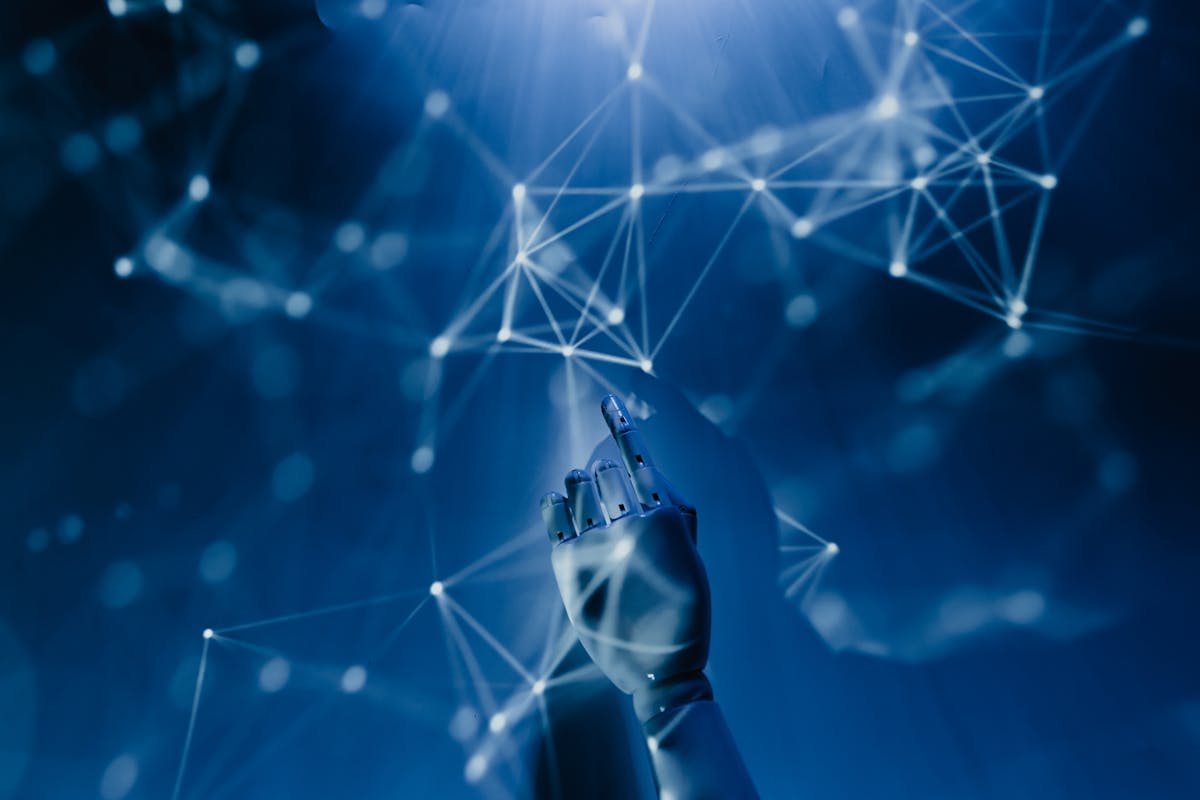
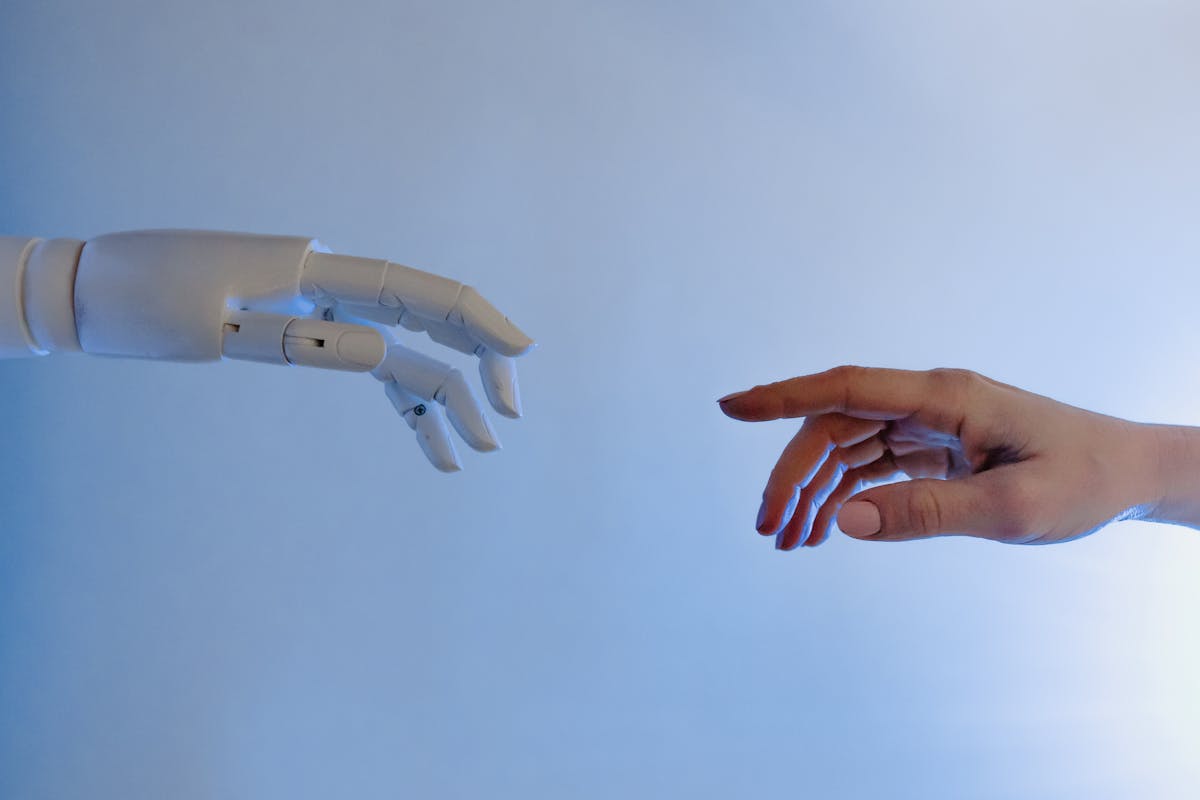
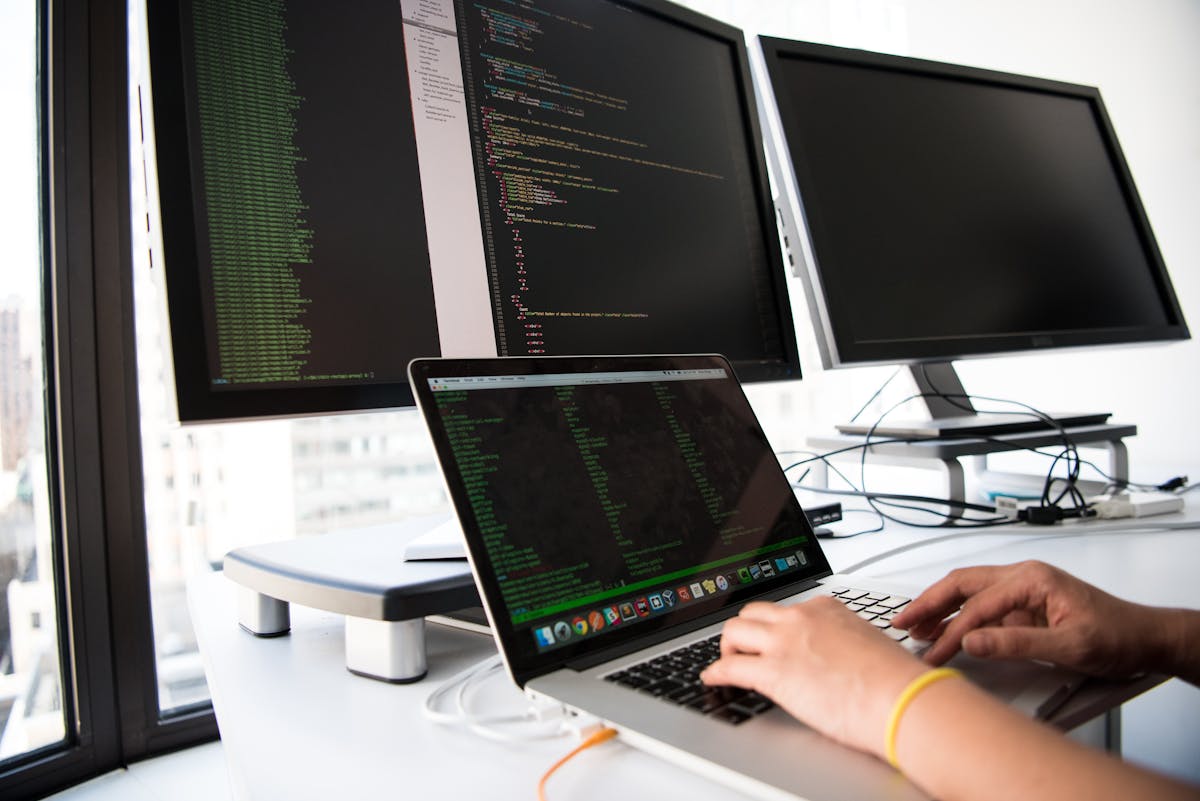
Visualizing the Landscape: AI Media in Practice

Scientific Significance: Why Deepfakes Are Not Just “Better Photoshop”
Deepfakes differ from traditional manipulation in three scientifically and socially important ways:
- Scalability: Automation enables millions of personalized forgeries, not just a few doctored images.
- Personalization: Models can tailor content to specific individuals or micro-demographics.
- Plausible deniability: The presence of convincing fakes lets bad actors dismiss real evidence as fabricated.
“When anything can be fake, it becomes easier for the powerful to claim that everything is fake.”
— Common framing used by misinformation researchers studying the ‘liar’s dividend’
For political communication, this changes the basic epistemic environment. Researchers studying the 2024 and 2025 election cycles have documented:
- Fabricated audio clips of candidates supposedly making inflammatory remarks.
- AI-generated images used in attack ads and viral memes.
- Confusion among voters about which clarifications or fact-checks to trust.
The scientific challenge is to develop robust, generalizable methods for:
- Verification: Attesting that a given piece of media is exactly what it claims to be.
- Attribution: Identifying the tools, models, or workflows that generated synthetic content.
- Integrity tracking: Recording how media was edited over time without exposing sensitive data.
Milestones: From Novelty Filters to Authenticity Standards
Between 2016 and 2026, several turning points have defined the trajectory of AI-generated media and authenticity efforts:
- Early face-swap apps (late 2010s)
Popular but relatively crude tools brought the term “deepfake” into mainstream awareness. - Diffusion model breakthroughs (2021–2023)
Models like Stable Diffusion and DALL·E 2 dramatically improved visual quality and accessibility, sparking widespread experimentation and concerns about style mimicry. - Political deepfake incidents (2020–2025)
Multiple election cycles featured suspected or confirmed AI-generated content, prompting regulators and platforms to draft disclosure and labeling policies. - Launch and growth of the Content Authenticity Initiative
Companies such as Adobe, Microsoft, and major news organizations began piloting provenance metadata embedded directly in images and videos. - C2PA standardization and hardware integration (mid-2020s)
Camera manufacturers and smartphone vendors started shipping devices capable of cryptographically signing captured media at the moment of creation. - Platform labeling policies
YouTube, TikTok, Instagram, and others introduced rules requiring creators to label AI-generated or synthetically altered content, backed by detection and user-report systems.
Journals, white papers, and conference talks at venues like NeurIPS, CVPR, and CHI have chronicled these shifts, with practitioners emphasizing that authenticity infrastructure must evolve at the same pace as generative capabilities.
Challenges: Misinformation, Rights, and Platform Governance
Misinformation and Political Manipulation
The most urgent risk is targeted misinformation around elections and geopolitical events. The combination of:
- Low-cost generative tools,
- Highly targeted distribution algorithms, and
- Polarized information ecosystems
creates ideal conditions for weaponized deepfakes.
Journalist investigations in outlets like Wired and The Verge highlight several scenarios:
- Fake concession or victory speeches released hours before polls close.
- Fabricated recordings of military or diplomatic communications.
- Edited or synthesized protest footage designed to inflame tensions.
Copyright, Training Data, and Creator Rights
Generative models are typically trained on vast web-scale datasets including copyrighted works, personal images, and proprietary assets. Court cases in the US, UK, and EU are testing questions such as:
- Does training on copyrighted content constitute fair use or infringement?
- Can artists prevent models from learning and reproducing their distinctive styles?
- What compensation, if any, is owed when models generate outputs “in the style of” specific creators?
“For many illustrators, it’s not an abstract debate: they can watch, in real time, as models churn out near-copies of a style that took them a decade to refine.”
— Paraphrased sentiment reported by Wired in coverage of artist lawsuits
Creators on YouTube and X regularly share side-by-side comparisons of their original pieces and AI reproductions that mimic composition, palette, and character design, arguing that opt-out mechanisms and dataset transparency remain inadequate.
For readers interested in the legal and technical nuances, the book “Tools for Thought” and similar titles provide historical context on how society has responded to transformative information technologies.
Platform Policies and Detection at Scale
Platforms like YouTube, TikTok, Instagram, and X are under sustained pressure to detect malicious deepfakes and label AI-generated content. Their challenges include:
- Volume: billions of uploads per day, many of which are short-form video.
- Context: distinguishing satire, art, or parody from harmful deception.
- Adversarial adaptation: malicious actors probing detection systems and adjusting tactics.
Recent policy changes (2024–2026) include:
- Mandatory disclosure fields when uploading AI-generated or significantly modified content.
- Context labels on feeds (e.g., “AI-generated or altered media”).
- Escalation pathways for verified figures to contest impersonations.
Human Perception and Cognitive Load
Even with labels and authenticity metadata, users face “verification fatigue.” Constantly interrogating every image, clip, or voice note is cognitively exhausting. UX researchers note that:
- Overly aggressive warnings may cause users to ignore labels altogether.
- Subtle, standardized indicators are more likely to build long-term literacy.
- Media literacy education remains essential, especially for younger users and high-risk communities.
Technology for Authenticity: Watermarking, Provenance, and Hardware Roots of Trust
Rather than relying solely on after-the-fact detection, researchers and companies are investing in authenticity-by-design—embedding signals at capture or generation time that help verify media later.
Cryptographic Provenance (C2PA and CAI)
The C2PA standard defines a way to attach cryptographically signed “claims” to media, recording:
- Which device or software captured or generated the asset.
- What edits were applied over time.
- Whether AI tools were used in the workflow.
The Content Authenticity Initiative promotes broad adoption of these standards. Newsrooms, creative software, and some camera manufacturers have begun to pilot such metadata, allowing end users to click an icon and view an asset’s history.
Watermarking Synthetic Media
Major AI labs are experimenting with:
- Visible watermarks: logos or text overlaid on images or video frames.
- Invisible watermarks: subtle perturbations detectable by algorithms but unobtrusive to the eye or ear.
These approaches face limitations:
- Watermarks can sometimes be removed or destroyed by re-encoding or transformations.
- Open-source or adversarial models may ignore watermarking standards entirely.
- Not all jurisdictions mandate or even recognize watermarking requirements.
Device-Level Signatures and Secure Capture
A promising direction is secure capture: smartphones, cameras, or microphones that sign media at the moment of recording. If widely deployed:
- Authentic photos and videos would carry verifiable attestations tied to trusted hardware.
- Platforms could prioritize surfaced content with strong provenance in sensitive contexts (e.g., breaking news or election coverage).
- Absence of provenance would not prove falsity, but users could factor it into their trust decisions.
Tech companies are also exploring secure enclaves and trusted execution environments to ensure signing keys cannot easily be extracted or spoofed.
Creative Uses and New Business Models
Amid legitimate fears, AI-generated media is also powering a wave of creative innovation:
- Music and audio: Artists and producers use AI for idea generation, mastering, and sound design.
- Podcasting: Hosts employ AI tools for transcription, editing, translation, and even synthetic co-host voices.
- Indie games and film: Small teams generate concept art, backgrounds, and temp scores faster and cheaper.
Spotify and other platforms are experimenting with AI-generated radio, personalized soundtracks, and translated shows that keep a host’s voice while changing the language.
Professionals looking to understand and harness these tools responsibly often turn to practical guides. For example, “Generative Deep Learning” explains the underlying models in accessible terms, while creator-focused books and online courses address workflow integration and ethics.
“The question isn’t whether AI will be used in creative production; it’s whether we design incentives so that human creativity still sets the direction.”
— Common refrain in LinkedIn discussions among creative directors and technologists
Case Study: Elections and Crisis Events
Elections, wars, and natural disasters are high-stakes moments when information integrity is critical. During such events, researchers have observed:
- False evacuation orders supposedly issued by authorities via cloned voices.
- Fabricated footage of violence or misconduct circulated to inflame tensions.
- Satirical or speculative AI images being misinterpreted as real by distant audiences.
To counter these risks, governments and NGOs are piloting:
- Verified communication channels using signed messages and official apps.
- Rapid response fact-checking teams that coordinate with platforms.
- Public awareness campaigns teaching citizens how to spot and report suspicious media.
Organizations like the Election Integrity Partnership and research groups at universities track how AI-generated content spreads during these windows and publish post-mortems with recommendations.
Practical Defense: How Individuals and Organizations Can Respond
While systemic solutions are still emerging, there are concrete steps that individuals, journalists, and organizations can take now.
For Everyday Users
- Be cautious with sensational audio or video that appears without corroborating coverage.
- Check whether reputable outlets or official accounts have confirmed or debunked a viral clip.
- Use reverse image search and video search tools where possible.
- Favor content from trusted sources that adopt authenticity standards when evaluating critical claims.
For Journalists and Fact-Checkers
- Incorporate authenticity tools (C2PA-aware viewers, forensic analysis) into workflows.
- Document verification steps transparently in articles and explain uncertainties.
- Coordinate with technical researchers and OSINT (open-source intelligence) communities.
For Creators and Brands
- Establish clear policies on acceptable AI use in your content.
- Consider adopting provenance metadata and labeling for AI-assisted work.
- Monitor for unauthorized use of your likeness or brand and use takedown processes where available.
Hardware and workflow choices also matter. For example, using cameras and phones that support authenticity signatures, plus secure storage and publishing tools, creates a stronger chain of trust around sensitive footage.
Conclusion: Building a Trustworthy Synthetic Future
AI-generated media and deepfakes are not a temporary anomaly; they are part of a permanent shift in how culture, evidence, and identity are represented digitally. The question is not whether synthetic media will exist, but whether our technical, legal, and social systems will adapt fast enough to keep trust from eroding.
A realistic, balanced path forward includes:
- Widespread adoption of authenticity standards like C2PA and CAI.
- Clear, enforceable platform policies on disclosure, impersonation, and abuse.
- Legal frameworks that protect creators and individuals without stifling research.
- Public education so users understand both the power and the limits of deepfake detection.
If we succeed, AI-generated media can become a powerful creative and educational tool—one that enhances, rather than undermines, our shared understanding of reality.
Further Learning and Useful Resources
To dive deeper into AI-generated media, authenticity, and digital trust, consider:
- Content Authenticity Initiative — Industry coalition advancing media provenance standards.
- C2PA — Technical specification for secure provenance metadata.
- The Verge AI coverage and Wired AI reporting — Ongoing news and analysis.
- YouTube explainers on deepfake forensics — Visual introductions to detection methods and examples.
- arXiv deepfake research papers — Technical literature for advanced readers.
For practitioners, pairing conceptual resources with hands-on experimentation in controlled settings is invaluable. Carefully exploring open-source tools, while respecting privacy and consent, helps build intuition about both the capabilities and limitations of current systems.
References / Sources
- Content Authenticity Initiative (CAI)
- Coalition for Content Provenance and Authenticity (C2PA)
- The Verge — Artificial Intelligence coverage
- Wired — Artificial Intelligence tag
- TechCrunch — AI tag
- The Next Web — AI articles
- Engadget — AI coverage
- MIT Technology Review — AI topic
- arXiv — Deepfake-related computer science papers
- Brookings Institution — Deepfakes and democracy
- Election Integrity Partnership
- Hacker News — Ongoing technical and ethical discussions
