
7 Dietitian-Approved Foods to Buy Every Week to Reduce Dangerous Visceral Belly Fat
Visceral fat—the deep belly fat that wraps around your organs—can feel frustratingly stubborn. You might be eating “pretty healthy” and still notice your waistline creeping up, or get lab results that show rising blood sugar or cholesterol even if the scale hasn’t changed much.
The encouraging news: you don’t have to follow a rigid diet or give up all your favorite foods to reduce visceral fat. Updating what goes into your cart each week can gently shift your metabolism, inflammation levels and appetite in a healthier direction. Here, we’ll walk through seven foods dietitians often recommend buying every week if your goal is to reduce visceral fat and support long‑term health.
:max_bytes(150000):strip_icc()/Foods-to-Put-In-Your-Shopping-Cart-Every-Week-If-You-Want-to-Lose-Visceral-Fat-34b3e84f21da4443b1b2458b64275107.jpg)
What Makes Visceral Fat Different?
Unlike the fat just under your skin (subcutaneous fat), visceral fat sits deep inside your abdomen, surrounding organs like your liver, pancreas and intestines. It’s especially active tissue, releasing hormones and inflammatory compounds that can:
- Increase insulin resistance and raise your risk of type 2 diabetes
- Elevate LDL (“bad”) cholesterol and triglycerides
- Increase blood pressure and strain your heart
- Contribute to nonalcoholic fatty liver disease
“Visceral fat responds especially well to lifestyle changes—especially food quality, movement, stress and sleep. You don’t need perfection, but you do need consistency.”
— Registered Dietitian Nutritionist
No single food “burns” visceral fat on its own. But certain foods make it easier to eat fewer excess calories, stabilize blood sugar, calm inflammation and preserve muscle mass—all of which support healthier levels of visceral fat.
1. Fatty Fish (Salmon, Sardines, Mackerel)
Fatty fish are rich in high-quality protein and omega‑3 fats, which may help lower inflammation and improve how your body uses insulin—two key factors in visceral fat accumulation.

Why dietitians recommend it
- Protein helps preserve lean muscle during weight loss, which helps maintain your resting metabolism.
- Omega‑3 fats are linked to lower triglycerides and improved markers of inflammation.
- Some research suggests higher omega‑3 intake is associated with less liver fat and abdominal fat.
How to add it weekly
- Keep canned salmon, mackerel or sardines in the pantry for quick lunches.
- Plan one “fish night” each week—sheet‑pan salmon with veggies is fast and simple.
- Choose grilled, baked or air‑fried preparations instead of deep‑fried fish.
2. Beans and Lentils
Beans, lentils and other pulses are powerhouses of fiber, plant protein and slow‑digesting carbohydrates. This combination helps you feel full on fewer calories and smooths out blood sugar spikes that can drive fat storage around the midsection.

Why dietitians recommend them
- High in soluble fiber, which can help lower LDL cholesterol.
- Support a healthy gut microbiome, which may play a role in visceral fat regulation.
- Budget‑friendly and versatile, making it easier to stick to healthy eating long‑term.
How to add them weekly
- Stock 2–3 cans of low‑sodium beans each week (black, kidney, chickpeas).
- Add ½–1 cup to soups, salads, pasta dishes or grain bowls.
- Try one fully plant‑based dinner per week using beans or lentils as the protein.
“In clients trying to lose visceral fat, swapping some refined carbs or red meat for beans a few times a week often improves fullness and lab numbers—without them feeling deprived.”
— Clinical Dietitian
3. High-Fiber Whole Grains (Oats, Quinoa, Barley)
Not all carbohydrates affect visceral fat the same way. Refined grains (like white bread and pastries) can spike blood sugar and hunger, while intact whole grains offer fiber, vitamins and minerals that support a healthier waistline.
Why dietitians recommend them
- Oats and barley contain beta‑glucan, a soluble fiber linked with lower cholesterol and better blood sugar control.
- Whole-grain patterns are associated with lower visceral fat and reduced risk of heart disease.
- They tend to be more filling than refined grains, which can naturally reduce overall calorie intake.
How to add them weekly
- Buy a big container of rolled oats; use for breakfast or overnight oats 2–3 times per week.
- Cook a batch of quinoa or brown rice on Sundays for quick grain bowls.
- Look for “100% whole grain” or “100% whole wheat” on bread and pasta labels.
4. Non-Starchy Vegetables (Especially Leafy Greens)
Non‑starchy vegetables—like leafy greens, broccoli, peppers and cucumbers—are low in calories but high in fiber, water and micronutrients. They help create satisfying meals that don’t overload your calorie budget, which is essential for losing visceral fat.

Why dietitians recommend them
- High fiber and volume help you feel fuller with fewer calories.
- Rich in antioxidants and phytochemicals that may modulate inflammation.
- Associated with lower risk of cardiovascular disease and some cancers.
How to add them weekly
- Buy at least 3 different vegetables each week—such as spinach, bell peppers and broccoli.
- Keep pre‑washed salad greens on hand for fast side salads.
- Roast a big tray of mixed vegetables to reheat throughout the week.
“For many people, increasing veggies is less about willpower and more about convenience. When they’re pre‑washed and cut, they actually get eaten.”
— Outpatient Dietitian
5. Berries and Other Low-Sugar Fruits
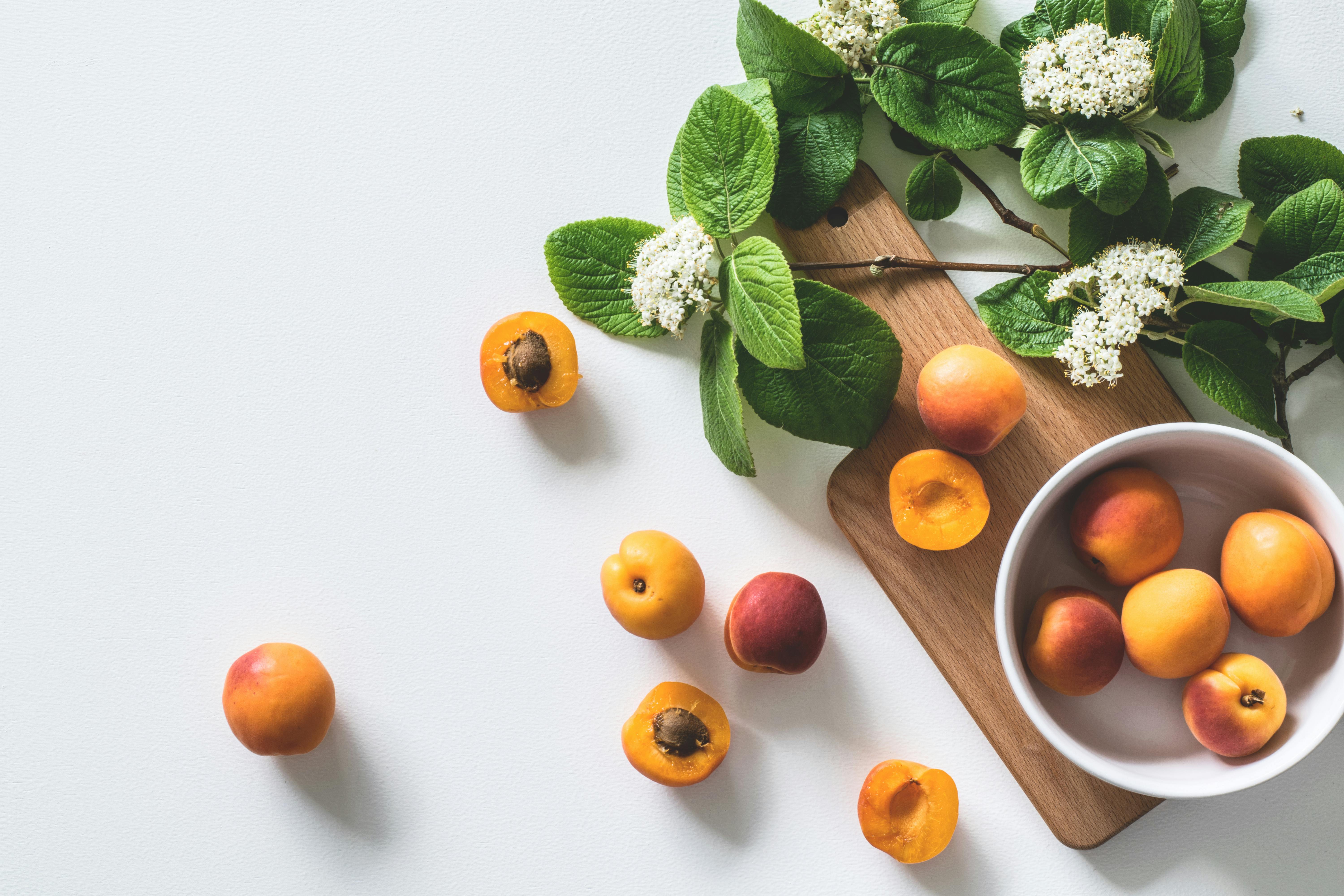
Fruit doesn’t “cause belly fat” when eaten in reasonable amounts. In fact, fruits like berries, apples and citrus provide fiber and polyphenols that may support better blood sugar control and reduced inflammation.
Why dietitians recommend them
- Berries are rich in antioxidants that may positively influence insulin sensitivity.
- Whole fruits contain fiber that slows digestion, unlike juices.
- They can satisfy a sweet tooth with fewer calories and less added sugar than many desserts.
How to add them weekly
- Keep a bag of frozen mixed berries in your freezer for smoothies and oatmeal.
- Pair an apple, pear or berries with a protein (like yogurt or nuts) for balanced snacks.
- Use sliced fruit as a topping for whole‑grain cereal instead of extra sugar.
6. Nuts and Seeds
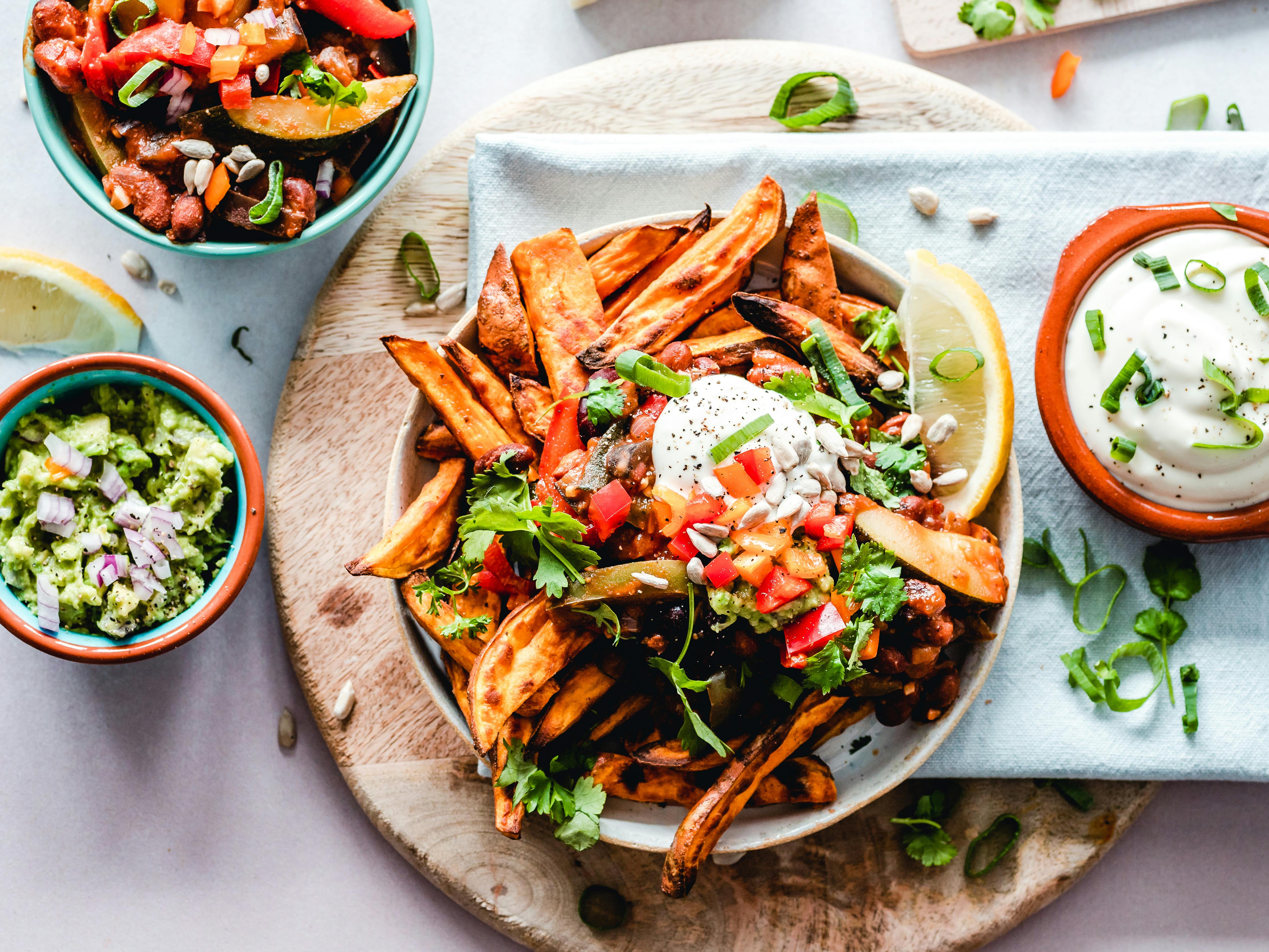
Nuts and seeds are calorie‑dense, but they’re also rich in healthy fats, fiber, protein and micronutrients. Research suggests that including moderate amounts does not cause weight gain and may actually help with weight and waist‑circumference control, likely by improving satiety.
Why dietitians recommend them
- Contain monounsaturated and polyunsaturated fats that support heart health.
- Help stabilize blood sugar when paired with carbohydrates.
- Associated with lower risk of obesity and metabolic syndrome in observational studies.
How to add them weekly
- Buy unsalted mixed nuts or single‑type nuts (almonds, walnuts, pistachios) in bulk.
- Pre‑portion into small containers (about ¼ cup) to avoid mindless handfuls.
- Sprinkle chia, flax or pumpkin seeds onto yogurt, salads or oatmeal.
7. Plain Greek Yogurt (or Fortified Plant Yogurt)
Protein-rich fermented dairy like Greek yogurt can support muscle maintenance and may have beneficial effects on gut bacteria. Choosing unsweetened versions helps you avoid the added sugars that can contribute to visceral fat.
Why dietitians recommend it
- Higher protein than regular yogurt, which supports satiety and muscle maintenance.
- Often contains live active cultures that may benefit gut health.
- Can replace higher‑sugar desserts or breakfast pastries.
How to add it weekly
- Buy a large tub of plain, unsweetened Greek yogurt (or unsweetened, fortified soy yogurt if dairy‑free).
- Sweeten it yourself with fruit, cinnamon or a drizzle of honey instead of flavored varieties.
- Use it as a base for smoothies, parfaits or as a swap for sour cream in savory dishes.
Common Obstacles (and How to Work Around Them)
Changing your weekly shopping habits can sound simple on paper, but life is busy, budgets are real and cravings happen. Here are some common hurdles I’ve seen in practice, plus realistic ways to navigate them.
“Healthy food is too expensive.”
- Buy store‑brand frozen vegetables and berries; they’re often cheaper and just as nutritious.
- Use beans, lentils and eggs as budget‑friendly protein sources.
- Plan a simple, repeatable meal rotation instead of elaborate recipes that require many ingredients.
“I don’t have time to cook.”
- Rely on semi‑convenience options like pre‑washed salad greens, frozen veggies and rotisserie chicken.
- Batch‑cook grains and proteins once or twice per week.
- Keep a list of 3–4 “10‑minute meals” using the foods above (for example, canned beans + frozen veggies + microwavable brown rice).
“My family isn’t on board.”
- Make the base meal family‑friendly, then tweak your portion balance (extra veggies, fewer refined starches).
- Introduce changes slowly—swap one side dish at a time.
- Let kids help pick fruits and veggies at the store to build buy‑in.
“One of my clients started by changing just her breakfast and snack choices. Over six months, her waist shrank by a few inches and her fasting blood sugar improved—without a ‘perfect’ diet.”
What the Science Says About Diet and Visceral Fat
Research doesn’t point to a magic ingredient, but certain overall patterns are consistently linked with less visceral fat and a lower risk of metabolic disease:
- Higher intake of fiber from whole grains, beans, fruits and vegetables.
- Regular consumption of healthy fats from fish, nuts, seeds and olive oil.
- Moderate protein intake to preserve lean body mass during weight loss.
- Lower intake of refined grains, added sugars and processed meats.
Putting It All Together: A Sample “Visceral Fat-Friendly” Cart
To make this concrete, here’s an example of how these seven foods might look on a typical weekly grocery list. Adjust for your household size and preferences.
- Fish: 2–3 portions of salmon, trout or canned sardines.
- Beans & lentils: 3–4 cans of beans plus 1 bag of lentils.
- Whole grains: Oats, 1–2 whole‑grain bread loaves, brown rice or quinoa.
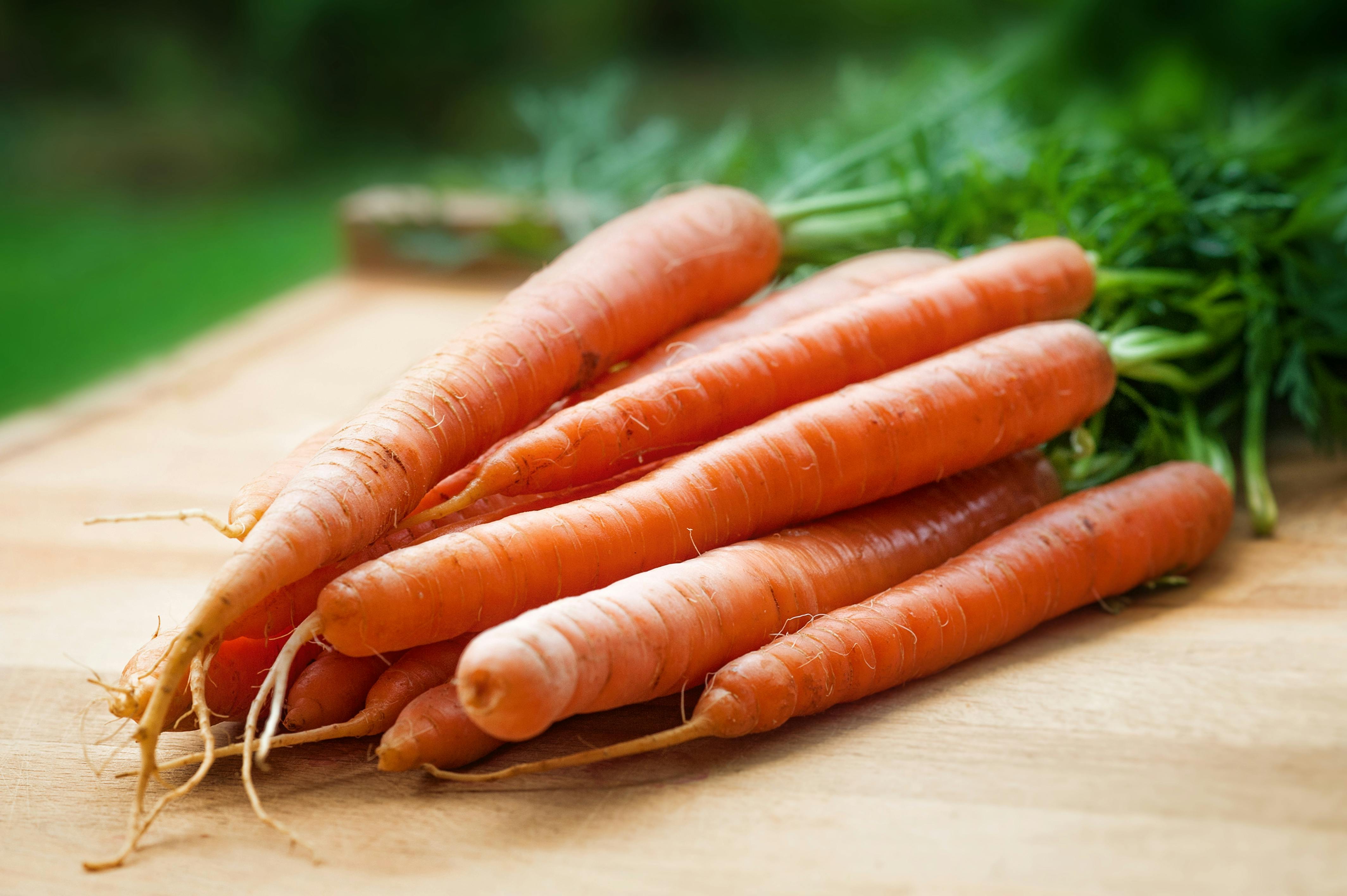
- Vegetables: 1 big tub of salad greens; broccoli, carrots, peppers, frozen mixed veggies.
- Fruit: 1 bag of frozen berries; 4–6 apples, oranges or pears.
- Nuts & seeds: 1 bag of mixed nuts; chia or ground flaxseeds.
- Yogurt: 1–2 large tubs of plain Greek yogurt or fortified soy yogurt.
From there, you can layer in small amounts of your favorite extras—cheese, dark chocolate, whole‑grain pasta, herbs, spices and condiments—to make meals enjoyable and sustainable.
The Bottom Line: Small Weekly Choices, Big Long-Term Impact
Visceral fat doesn’t build up overnight, and it won’t disappear overnight either. But the habits that change it—like filling your cart with fiber‑rich plants, lean proteins and healthy fats—are surprisingly simple when you focus on one step at a time.
By making these seven foods regulars on your shopping list, you’re not just aiming for a smaller waistline. You’re supporting your heart, blood sugar, liver and overall energy levels in ways that can add up over months and years.
Your next step: Before your next grocery trip, pick just two of these foods you’re willing to prioritize this week. Once those feel easy, add another. Slow, steady change is how visceral fat loss becomes real—and stays that way.
