
5 Everyday Foods That May Raise Your Oral Cancer Risk (and What to Eat Instead)
The Everyday Foods That May Quietly Raise Your Oral Cancer Risk
If you enjoy weekend burgers, a crisp glass of wine, or the occasional fried treat, you are far from alone. These foods are woven into social life, comfort and even tradition. Yet emerging research suggests that some commonly eaten foods — including processed meats, alcohol, red meats, sugar-sweetened beverages, and fried foods — may increase your risk of oral cancer when eaten often over time.
That does not mean you must give up everything you love or that eating a single hot dog will cause cancer. It does mean that understanding the science can help you make informed, realistic choices that protect your mouth, gums and overall health.
In this guide, we will walk through what experts are seeing in the latest evidence, why these five foods may be linked to oral cancer, and practical ways to lower your risk without feeling deprived.

Understanding Oral Cancer and Why Diet Matters
Oral cancer includes cancers of the lips, tongue, cheeks, floor of the mouth, hard and soft palate, sinuses and throat. According to global cancer statistics, hundreds of thousands of new cases are diagnosed worldwide each year, and many are linked to preventable risk factors such as tobacco, alcohol, and in some cases human papillomavirus (HPV).
Diet is one of several lifestyle factors that may influence risk. While tobacco and heavy alcohol use remain the strongest lifestyle-related drivers, researchers are paying closer attention to how certain foods — especially those that cause chronic inflammation or introduce carcinogenic (cancer-causing) compounds — might contribute to oral cancer risk when consumed frequently.
“We look at diet not as a single cause but as part of a pattern that can either support oral health or create conditions where cancer is more likely to develop.”
— Madeline Peck, RDN, CDN, registered dietitian reviewing the evidence on oral cancer risk
The foods below are not guaranteed to cause oral cancer, but regularly eating them in large amounts may nudge your risk in the wrong direction — especially when combined with smoking, heavy drinking, or poor oral hygiene.
1. Processed Meats: Sausages, Bacon, Deli Meats and Hot Dogs
Processed meats — such as bacon, ham, salami, hot dogs and many deli meats — have long been linked with colorectal and stomach cancers. Emerging data suggest they may also play a role in cancers of the mouth and throat, particularly when consumed frequently over many years.
- Nitrates and nitrites added for preservation can form N-nitroso compounds, which are classified as carcinogenic in high exposures.
- Smoking and curing meats can introduce additional potentially carcinogenic compounds.
- High salt content may irritate and inflame the delicate tissues of the mouth and throat over time.

How Often Is Too Often?
Large observational studies suggest that the more processed meat people eat, the higher their overall cancer risk tends to be. There is no perfectly safe cut-off, but many health organizations advise treating processed meat as an occasional food rather than a daily staple.
Practical Swaps
- Replace deli meats in sandwiches with grilled chicken, turkey breast, or mashed chickpeas.
- Limit bacon and sausage to special occasions rather than everyday breakfasts.
- Choose unprocessed cuts of meat or plant-based proteins (beans, tofu, lentils) more often.
2. Alcohol: Beer, Wine and Spirits
Alcohol is one of the most well-established dietary risk factors for oral and throat cancers. The risk rises with the amount and frequency of drinking, and it is especially elevated in people who also smoke.
- Alcohol is broken down into acetaldehyde, a compound classified as a carcinogen, which can damage DNA in mouth and throat cells.
- Alcohol can act as a solvent, making it easier for harmful chemicals from tobacco and other sources to penetrate oral tissues.
- Heavy drinking is also linked to poor nutrition and reduced intake of protective foods like fruits and vegetables.

What the Research Suggests
Large meta-analyses have found that even moderate alcohol intake is associated with a higher risk of cancers in the mouth and upper digestive tract compared with not drinking at all, with risk increasing at heavier levels of use. Expert groups increasingly recommend “less is better” when it comes to alcohol and cancer prevention.
Harm-Reduction Strategies
- Build in at least 3–4 alcohol-free days each week.
- Alternate alcoholic drinks with water or sparkling water at social events.
- Explore no-alcohol or low-alcohol options such as mocktails or alcohol-free beer and wine.
3. Red Meats and High-Heat Cooking Methods
Red meat (beef, pork, lamb) itself is more strongly linked with colorectal cancer than oral cancer, but how it is cooked may matter for your mouth. High-heat cooking methods like grilling, broiling, pan-frying and deep-frying can form compounds that may damage cells.
- Heterocyclic amines (HCAs) and polycyclic aromatic hydrocarbons (PAHs) form when meat is cooked at very high temperatures, especially when charred.
- These compounds have been shown in lab studies to damage DNA and contribute to the development of cancer in animal models.
- While direct evidence for oral cancer is still emerging, high exposure adds to your overall carcinogen load.

Smart Cooking Tweaks
- Cook meat at lower temperatures when possible and avoid heavy charring.
- Pre-cook meat in the oven, then briefly finish on the grill for flavor.
- Marinate meats in herbs, garlic, citrus or vinegar, which may reduce the formation of HCAs.
- Rotate in plant-based proteins like beans, lentils and tofu to naturally reduce red meat intake.
4. Sugar-Sweetened Beverages: Soda, Sweet Teas and Energy Drinks
Unlike processed and red meats, sugary drinks are not directly classified as carcinogenic. However, a growing body of research links high intake of sugar-sweetened beverages to obesity, type 2 diabetes and systemic inflammation — all of which may indirectly increase cancer risk, including cancers of the mouth and throat.
- Frequent sugar exposures feed harmful oral bacteria, increasing the risk of tooth decay and gum disease, which can create a less healthy environment in the mouth.
- Liquid calories are easy to overconsume, contributing to weight gain and metabolic dysregulation.
- Acidic drinks, such as colas and certain energy drinks, may erode enamel and irritate oral tissues.

Small Changes That Add Up
- Gradually dilute juice or sweet tea with water or sparkling water.
- Limit sugary drinks to specific times (for example, weekends) instead of daily use.
- Keep a reusable water bottle handy and flavor water with citrus, berries, or herbs.
5. Fried Foods and Deep-Fried Snacks
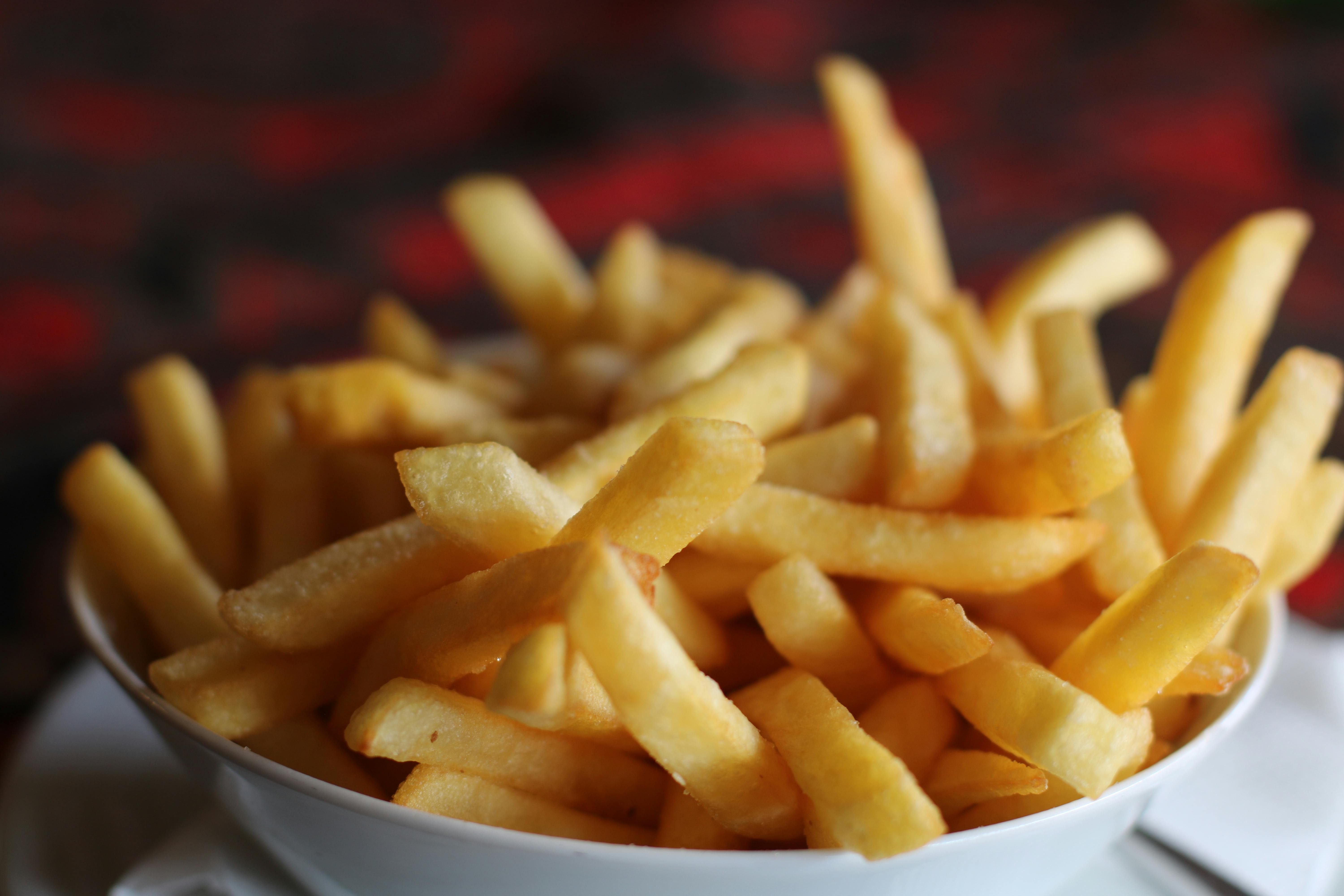
Fried foods — from french fries and fried chicken to chips and battered snacks — are common comfort foods. The concern for oral cancer is less about a specific ingredient and more about the combination of high heat, certain oils and excess calories.
- Deep frying at very high temperatures can generate compounds that may be harmful in large amounts.
- Ultra-processed fried snacks often contain additives and high levels of salt, which may irritate oral tissues.
- Regularly eating fried foods is associated with weight gain and inflammation, both linked to higher cancer risk overall.
Healthier Comfort Food Ideas
- Use an air fryer or oven baking to get crisp textures with far less oil.
- Reserve deep-fried restaurant meals for special occasions rather than weeknight defaults.
- Pair fried foods with fiber-rich sides like salads, vegetables, or whole grains when you do enjoy them.
High-Heat Cooking, Inflammation and Your Mouth
Across several of these food categories, one theme appears: high-heat cooking. Techniques like deep-frying, grilling and pan-searing at very high temperatures can create a mixture of compounds that, in excess, may damage cells and drive inflammation.
While the exact impact on oral tissues is still being studied, keeping an eye on how often you rely on these methods — and what else is in your diet — is a prudent, low-regret strategy.

Gentler Cooking Methods to Use More Often
- Steaming vegetables and fish
- Slow-cooking soups, stews and beans
- Baking at moderate temperatures
- Light sautéing with minimal oil
Common Obstacles (and How to Work Around Them)
Knowing which foods may raise oral cancer risk is only the first step. Changing habits — especially those tied to comfort, culture and social life — is where most people struggle.
“This Is How My Family Eats”
Cultural and family traditions matter. Rather than trying to overhaul every recipe, start by:
- Keeping beloved dishes but serving smaller portions of processed or fried components.
- Adding an extra vegetable side or salad to the table.
- Saving the richest foods for holidays or gatherings instead of weeknights.
“Healthy Food Is Too Expensive”
It can feel that way, especially with rising food prices. However, many protective foods are relatively affordable:
- Frozen vegetables and fruits are often cheaper and just as nutritious as fresh.
- Beans, lentils, oats and brown rice are budget-friendly staples.
- Canned fish (like salmon or sardines) provides protein and healthy fats at a lower cost than many fresh meats.
“I Do Not Want to Feel Deprived”
Feeling overly restricted often leads to rebound overeating. A more sustainable approach:
- Focus on what you can add (fruits, vegetables, nuts, seeds, whole grains) rather than just what you are cutting.
- Keep favorite foods in your life, but in smaller amounts or less often.
- Anchor changes to routines you already have, like adding a side salad to your usual dinner.
Foods and Habits That Help Protect Your Mouth
While this article focuses on foods that may increase oral cancer risk, it is equally important to highlight what can help lower your risk. No single food prevents cancer, but a pattern of mostly whole, minimally processed foods is consistently associated with better outcomes.
Protective Food Patterns
- Plenty of fruits and vegetables, especially colorful ones rich in antioxidants and fiber.
- Whole grains such as oats, quinoa, brown rice and whole-wheat bread.
- Lean proteins like poultry, fish, legumes, tofu and eggs.
- Healthy fats from nuts, seeds, olive oil and avocados.
Non-Diet Lifestyle Factors
- Avoiding tobacco in all forms.
- Limiting or avoiding alcohol.
- Maintaining good oral hygiene and seeing a dentist regularly.
- Considering HPV vaccination if recommended by your healthcare provider.
What the Science Says — and Its Limits
The links between processed meats, alcohol, red meat, sugary drinks, fried foods and oral cancer come mainly from large observational studies and mechanistic research (how certain compounds behave in cells and animals). These studies can show associations but cannot prove that any one food causes oral cancer in a specific person.
Experts generally agree on a few key points:
- The total pattern of your diet and lifestyle matters more than any single meal.
- Regular, heavy use of tobacco and alcohol remains the strongest modifiable driver of oral cancer.
- Minimizing exposure to known or suspected carcinogens in food — while maximizing protective nutrients — is a sensible strategy with broader health benefits.
Because research is ongoing, recommendations may evolve. Checking reputable sources such as the World Health Organization (WHO), American Institute for Cancer Research (AICR), and major cancer societies can help you stay current.
Putting It All Together: A Realistic Action Plan
You do not need a perfect diet to reduce your oral cancer risk. Small, steady changes can meaningfully shift your long-term health trajectory. Consider starting with one or two of the steps below.
- Audit your week. For a few days, write down how often you have processed meats, alcohol, red meat, sugary drinks and fried foods.
- Choose one target. For example, cut back from daily soda to every other day, or swap processed meat at lunch twice this week.
- Add protective foods. Aim for at least one fruit or vegetable at every meal.
- Adjust cooking methods. Try baking, steaming or sautéing instead of deep-frying or charring.
- Check in with your dentist or doctor. Mention any persistent mouth sores, pain, or changes you notice; early evaluation matters.
You deserve a way of eating that supports your long-term health and still feels enjoyable. Shifting away from foods that may raise oral cancer risk is less about perfection and more about gently tilting the balance in your favor, one plate at a time.
Your next step: Pick one small change from this list and commit to trying it for the next seven days. At the end of the week, notice how you feel — physically and emotionally — and build from there.
