
5 ‘Bad’ Drinks That May Actually Support Better Blood Sugar
Many drinks we assume are “bad for blood sugar”—like coffee, tea, or even milk—can actually be allies when you look at the science and the full context of your diet. The key isn’t to avoid them completely, but to understand how to use them wisely.
If you’re living with prediabetes, diabetes, insulin resistance, or you’re simply trying to avoid blood sugar spikes, navigating beverages can feel confusing. You’re not alone. Clients often arrive in my (virtual) office believing they must cut out everything but water to protect their health—only to discover that a few “bad” drinks can actually fit beautifully into a blood-sugar-friendly plan.
Below, we’ll walk through five misunderstood drinks and how dietitians suggest you enjoy them for better blood sugar control, not worse. You’ll find practical tips, example portions, and realistic strategies you can start using today.

Why Some ‘Bad’ Drinks Deserve a Second Look
When we label drinks as simply “good” or “bad,” we lose important nuance. What truly matters is:
- How much added sugar or sweetener they contain
- What you drink them with (a meal, a snack, or on an empty stomach)
- Your overall health, medications, and daily habits
- Portion sizes and frequency
“Context matters more than any single drink. For most people, what you add to your coffee or tea has a bigger impact on blood sugar than the drink itself.”
— Karen Ansel, M.S., RDN, registered dietitian nutritionist
1. Unsweetened Coffee: A Surprising Blood Sugar Ally
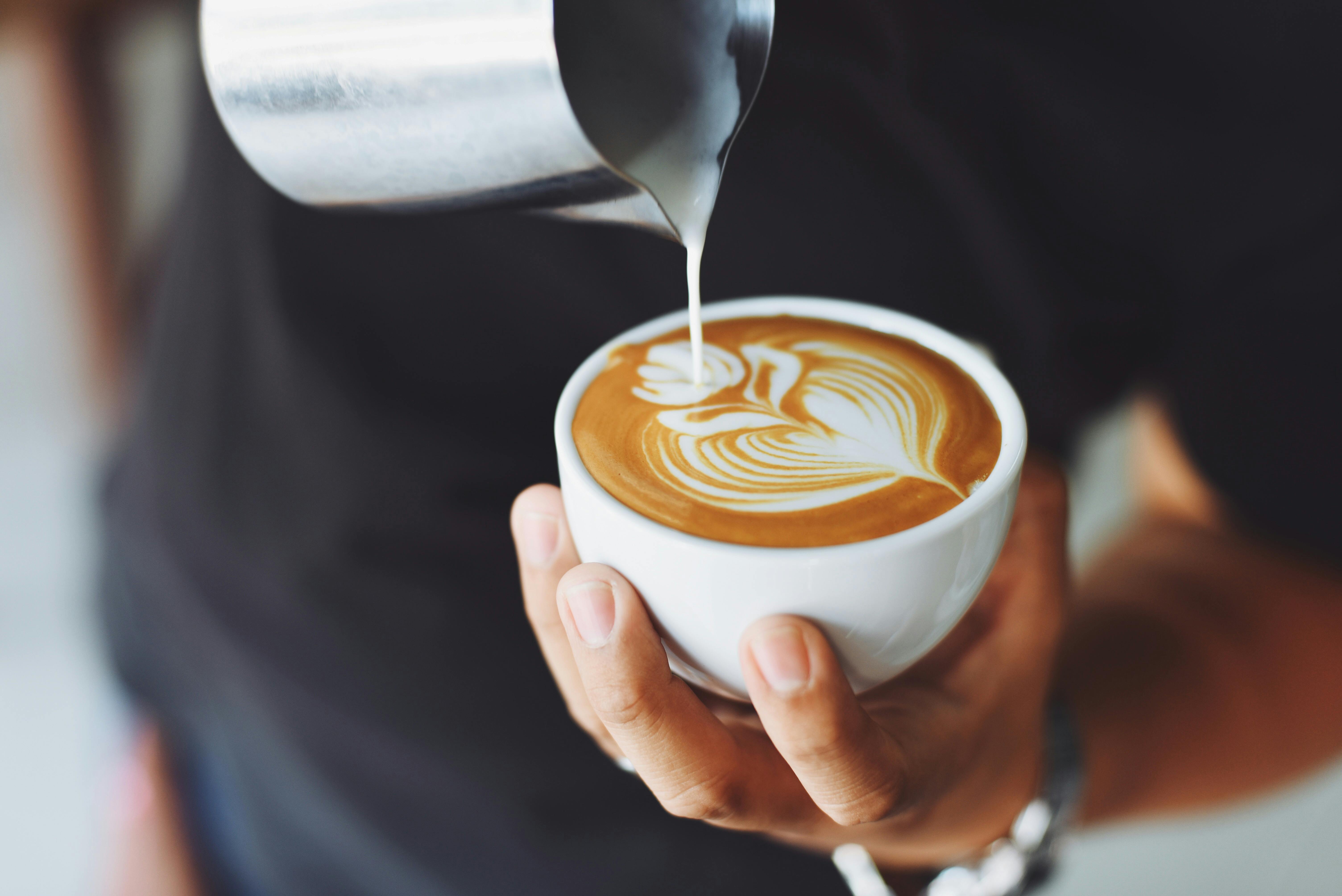
Coffee often gets blamed for “messing up” blood sugar because many coffee drinks are loaded with sugar, flavored syrups, and cream. But plain, unsweetened coffee is a different story.
What the research suggests
Large observational studies have consistently found that regular coffee drinkers tend to have a lower risk of developing type 2 diabetes. Caffeine can temporarily raise blood sugar in some people, but coffee also contains bioactive compounds like chlorogenic acids that may improve insulin sensitivity over time.
Note: These are associations, not proof of cause and effect, and individual responses to caffeine vary.
How to drink coffee for better blood sugar
- Keep it unsweetened or lightly sweetened. Aim to avoid sugary syrups and large amounts of sugar.
- Add a small amount of milk or cream if you like. A splash (1–2 tablespoons) of dairy or unsweetened plant milk usually adds minimal carbs.
- Have it with food. If coffee stimulates your appetite or makes you jittery, pair it with a balanced meal or snack.
- Watch your total caffeine. Most guidelines suggest up to 400 mg of caffeine per day for healthy adults (about 3–4 small cups), but you may need less depending on your health and medications.
One of my clients with prediabetes thought she had to switch from coffee to herbal tea. Once we focused instead on cutting the sugar from her daily flavored lattes—and kept the coffee—her morning blood sugar readings improved and she felt less deprived.
2. Unsweetened Tea: More Than Just “Flavored Water”
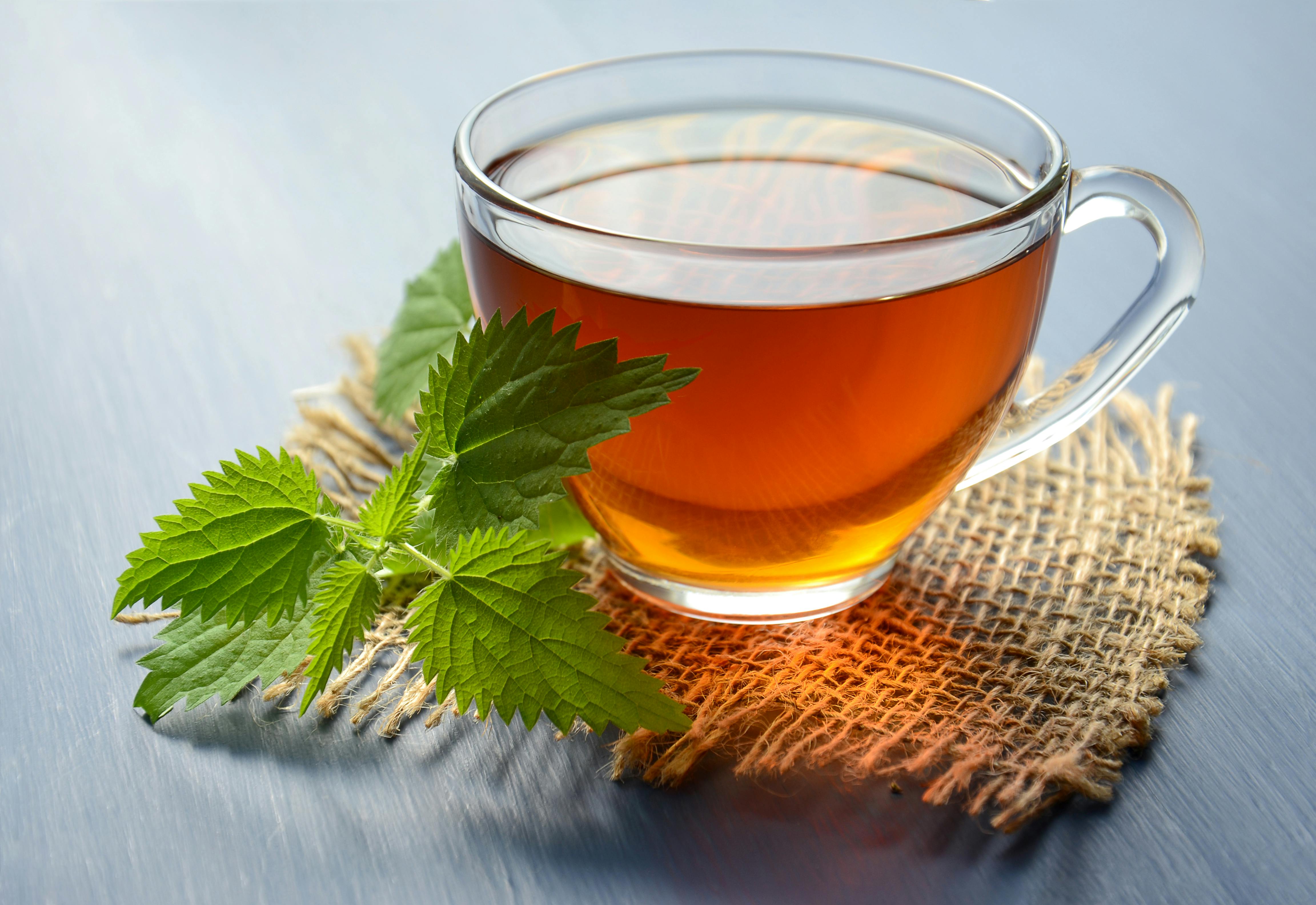
From green and black tea to oolong and white, unsweetened tea offers hydration plus plant compounds that may support metabolic health and blood sugar control.
Why tea can be helpful for blood sugar
- Virtually no carbs when unsweetened
- Polyphenols (especially in green tea) that may support better insulin action
- Can replace sugary drinks like sweet tea, soda, or juice
- Herbal teas offer caffeine-free options for later in the day
How to make tea work for you
- Brew it strong, drink it plain (or nearly plain). If you like sweetness, try a small amount of honey or a non-nutritive sweetener, and keep portions modest.
- Use it as a soda replacement. Sparkling unsweetened iced tea with lemon can satisfy the craving for something bubbly and flavorful.
- Try green tea between meals. Some research suggests it may modestly improve markers of glucose control when consumed regularly.
3. Milk: Not the Blood Sugar Villain You’ve Heard
Because milk contains natural lactose (a carbohydrate), many people assume it’s “bad” for blood sugar. In reality, for most individuals, moderate amounts of milk can fit into a balanced diet—and may even offer metabolic benefits thanks to its protein and fat content.
What dairy does to blood sugar
A cup of cow’s milk has about 12–13 grams of natural sugar, but it also contains protein and, if not fat-free, some fat. These slow down digestion and can lead to a more gradual rise in blood glucose compared with sugary drinks that have little or no protein.
Some population studies have found that regular intake of fermented dairy (like yogurt) and moderate milk consumption is associated with a lower risk of type 2 diabetes, though results can vary by individual and study design.
How to include milk without spiking blood sugar
- Mind the portion. Start with ½–1 cup at a time and see how your body responds, especially if you monitor your glucose.
- Pair with fiber and protein. For example, drink milk with a high-fiber breakfast (like oats and chia seeds) or as part of a balanced snack.
- Choose plain, not flavored. Many flavored milks and ready-to-drink lattes contain significant added sugar.
- Consider lactose-free if needed. If you’re lactose intolerant, lactose-free milk can be gentler on digestion and has a similar carbohydrate profile.
4. 100% Fruit Juice (In Small, Strategic Amounts)
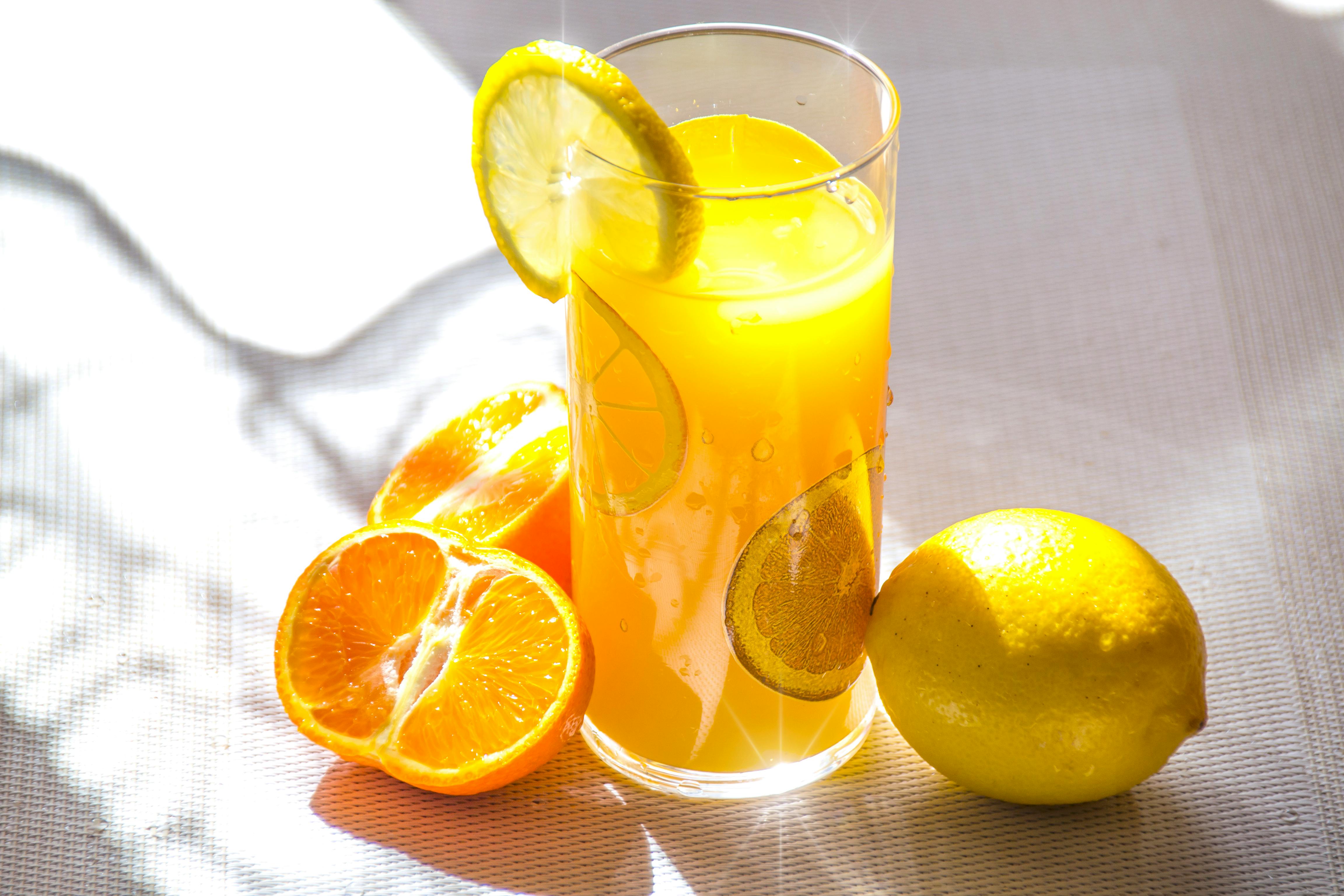
Fruit juice is often labeled a “sugar bomb,” and in large servings that can be true. But 100% fruit juice in small portions can have a place in a blood-sugar-conscious diet—especially when used intentionally.
What makes juice tricky
- Juice is concentrated: no fiber, quick-absorbing sugars
- Portions creep up quickly—many glasses hold 8–16 ounces or more
- On its own, juice can cause a rapid rise in blood glucose for many people
How dietitians sometimes use juice
- Treating mild hypoglycemia. A 4-ounce serving of juice is often recommended by diabetes educators to quickly raise low blood sugar.
- Small “taster” portions. A 3–4 ounce glass with a higher-fiber meal may be better tolerated than a large glass on an empty stomach.
- As a flavor booster. Mix a splash of juice into sparkling water for a lighter, lower-sugar drink.
5. Diet Drinks & Zero-Sugar Beverages: Helpful Bridge, Not a Free Pass
Diet sodas and zero-sugar flavored waters are often viewed as “fake” and automatically harmful. The reality is more nuanced. While these drinks are not nutrient-dense, they typically have minimal to no direct impact on blood glucose, and for some people they can be a stepping stone away from high-sugar beverages.
What the evidence says (as of 2024)
Non-nutritive sweeteners (like sucralose, aspartame, stevia, and others) are widely studied. Regulatory agencies such as the U.S. FDA and the European Food Safety Authority consider approved sweeteners safe within established intake limits. Some emerging research suggests they may influence gut microbiota and appetite in certain people, but findings are mixed and not always consistent.
For blood sugar specifically, replacing sugar-sweetened drinks with diet versions generally lowers calorie and sugar intake, which can be helpful for weight management and glycemic control.
How to use diet drinks wisely
- Use as a transition tool. Gradually shift from regular soda to diet, then to sparkling water or unsweetened drinks over time.
- Stay mindful of cravings. If diet drinks keep your sweet tooth very active, experiment with slowly cutting back.
- Prioritize water and unsweetened options. Think of diet drinks as “sometimes” beverages, not the core of your hydration plan.
Common Obstacles (and How to Overcome Them)
Changing your drink habits can feel surprisingly emotional. Many people associate certain beverages with comfort, routine, or social connection. Here are a few common challenges and realistic ways to handle them.
“I miss my sweet coffee drinks.”
- Cut the syrup in half for a week, then half again.
- Switch from flavored syrups to a sprinkle of cinnamon or cocoa.
- Try a smaller size instead of a full-size drink.
“Plain water is boring.”
- Add slices of citrus, berries, cucumber, or herbs like mint.
- Use a splash of 100% fruit juice in sparkling water.
- Rotate between unsweetened iced tea, infused water, and still water.
“I’m not sure what actually affects my blood sugar.”
If you use a blood glucose meter or continuous glucose monitor (CGM), you can run your own mini-experiments:
- Choose one drink to test (for example, ½ cup of milk with breakfast).
- Check your glucose before drinking, then again about 1–2 hours after.
- Write down what you ate with it, your activity level, and stress.
- Look for patterns over several days rather than one reading.
“Your response may differ from your friend’s or what a headline claims. Use your own data, together with your care team, to decide what truly works for you.”
What Dietitians Want You to Remember
Registered dietitians emphasize that no single drink will make or break your blood sugar. What matters is your overall pattern—how you eat, move, sleep, and manage stress day after day.
When used thoughtfully, these five “bad” drinks:
- Can help you stay hydrated and satisfied
- May provide beneficial plant compounds and nutrients
- Often make it easier to stick with healthier eating patterns long-term
Bringing It All Together: Your Next Small Step
You don’t have to overhaul every drink you love overnight. Instead, choose one small change you can make this week—maybe swapping your afternoon sugary latte for unsweetened coffee with a splash of milk, or replacing one soda a day with unsweetened iced tea.
Over time, these small, sustainable shifts can support steadier energy, more stable blood sugar, and better long-term health—without feeling like you’ve given up everything that makes eating and drinking enjoyable.
Action step: Pick one beverage from this list and decide how you’ll enjoy it in a blood-sugar-friendly way this week. Write it down, try it, and notice how you feel.
References & Further Reading
- American Diabetes Association. Food & Nutrition.
- U.S. National Institutes of Health. Diabetes Overview.
- Harvard T.H. Chan School of Public Health. Coffee and Health.
- Harvard T.H. Chan School of Public Health. Tea and Health.
- American Heart Association. Added Sugars.
