
30‑30‑30 Breakfast: The High‑Protein Morning Ritual Fueling TikTok’s Wellness Revolution
The 30‑30‑30 High‑Protein Breakfast Method: What It Is and Why Everyone’s Talking About It
The “30‑30‑30” high‑protein breakfast method has become one of the hottest wellness routines on TikTok and YouTube: you eat about 30 grams of protein within 30 minutes of waking, then follow it with around 30 minutes of gentle, low‑intensity movement. Fans say it helps with weight loss, steadier energy, and better blood sugar control—without counting every calorie or surviving on dry toast and coffee.
As a cooking‑obsessed nutrition nerd, I love this trend for one big reason: it’s built around real, satisfying food and a doable morning ritual. A hearty, protein‑rich breakfast can feel cozy and indulgent—think creamy eggs, tangy yogurt, crunchy seeds—while quietly doing powerful work behind the scenes to keep you full and focused.
Why the 30‑30‑30 Protein Breakfast Method Is Trending
The 30‑30‑30 method is tailor‑made for social media: it’s simple, punchy, and fits neatly in a 60‑second video. But there’s more to its popularity than catchy numbers.
- Easy to remember: No complicated spreadsheets—just three “30s” to guide your morning.
- Backed by existing science: Higher‑protein breakfasts and light post‑meal movement both line up with research on appetite control and blood sugar regulation.
- Visible transformations: Influencers, registered dietitians, and coaches are sharing compelling before‑and‑after stories tied to this routine, especially in 2025–2026.
- Habit‑based, not punishment‑based: It emphasizes gentle movement and satisfying food instead of extreme workouts or rigid restriction.

The Nutritional Science Behind a High‑Protein Breakfast
The magic of the 30‑30‑30 method isn’t in the exact minute you eat—it’s in the protein‑rich breakfast and the gentle movement that follows. Here’s how the breakfast portion helps:
- Stronger satiety: Protein triggers hormones that tell your brain “I’m full.” A 30‑gram hit early can reduce mid‑morning cravings and late‑night snacking.
- Steadier blood sugar: Protein slows gastric emptying, softening the blood sugar spike you’d get from toast or cereal alone. That means fewer energy crashes.
- Muscle support: Especially if you’re active or losing weight, a higher‑protein breakfast helps preserve lean muscle, which keeps your metabolism happier.
- Better focus: Many people report less “brain fog” and more even, calm energy when they front‑load protein instead of sugar in the morning.
Think of breakfast protein as your morning “anchor”—it steadies your appetite and energy, so the rest of the day doesn’t feel like a tug‑of‑war with your cravings.
Why 30 Minutes of Low‑Intensity Movement Matters
The “second 30” in the 30‑30‑30 method is half an hour of gentle movement after breakfast—think walking, leisurely cycling, or a relaxed yoga flow. No gasping for air required.
- Better blood sugar handling: Moving your muscles after you eat helps them soak up glucose, which can smooth out post‑meal spikes.
- Fat oxidation support: Easy, steady movement encourages your body to use fat for fuel, particularly helpful when paired with consistent nutrition.
- Lower stress load: Unlike intense intervals, low‑intensity activity is gentle on your nervous system—great if you’re stressed or just starting out.
- Accessible for beginners: A simple walk around the neighborhood in comfy clothes is enough to “check the box.”

Easy 30‑Gram Protein Breakfast Ideas
Hitting 30 grams of protein at breakfast sounds technical, but once you get the feel for portions, it becomes second nature. Here are some combinations that generally land in the right range:
- Egg & dairy plate: 3 eggs scrambled in a non‑stick pan + ½ cup Greek yogurt or cottage cheese, with tomatoes, spinach, or avocado on the side.
- Protein smoothie: 1 scoop whey or plant protein (20–25 g) + ½ cup Greek yogurt + 1 tablespoon nut butter + berries + milk or soy milk.
- Plant‑based tofu bowl (vegan): Firm tofu scramble + ½ cup shelled edamame + nutritional yeast, tossed with veggies over greens or brown rice.
- Protein oats: Rolled oats cooked in milk + 1 scoop protein powder + chia or hemp seeds, with fruit for sweetness.
Recipe: 30‑30‑30 Power Breakfast Plate (About 30 g Protein)
Equipment You’ll Need
- Non‑stick skillet (20–25 cm / 8–10 inch)
- Heat‑resistant spatula
- Mixing bowl and fork or whisk
- Toaster or oven
- Measuring spoons and cups
- Serving plate and small bowl
Ingredients (High‑Protein Breakfast Plate)
Approximate protein: 30–32 g, depending on exact brands.
- 3 large eggs (about 18–19 g protein)
- 1 teaspoon olive oil or butter
- Salt and freshly ground black pepper, to taste
- ¼ teaspoon garlic powder or onion powder (optional, for flavor)
- ½ cup (120 g) plain Greek yogurt, 2% or higher fat (about 10 g protein)
- 1 teaspoon honey or maple syrup (optional, for drizzling)
- 1 tablespoon chopped nuts or seeds (almonds, walnuts, pumpkin seeds, or sunflower seeds)
- 1 slice whole‑grain bread, toasted (about 3–4 g protein)
- ½ cup cherry tomatoes or sliced tomatoes
- ½ cup baby spinach or mixed salad greens
- ¼ avocado, sliced (optional, for healthy fats and creaminess)
Step‑by‑Step Instructions
- Prep your components.
Wash your tomatoes and greens. Slice the avocado if using. Set out your bread by the toaster so everything moves smoothly—remember, we’re aiming to eat within about 30 minutes of waking.
- Mix the eggs.
Crack the eggs into a bowl. Add a pinch of salt, pepper, and garlic or onion powder if using. Whisk with a fork until the whites and yolks are completely blended and slightly frothy—this gives you softer, fluffier eggs.
- Start the toast.
Toast your whole‑grain bread to your preferred level of crispness. This can happen while the eggs cook so everything is warm together.
- Cook the scrambled eggs.
Heat the olive oil or butter in a non‑stick skillet over medium‑low heat. Pour in the eggs. Let them sit for a few seconds, then gently stir with the spatula, pushing from the edges toward the center. Keep the heat low and move slowly: you’re coaxing the eggs into soft, creamy curds, not dry lumps.
When the eggs are mostly set but still slightly glossy and a little loose, remove the pan from the heat. They’ll finish cooking in the residual heat and stay tender.
- Assemble the yogurt bowl.
Spoon the Greek yogurt into a small bowl. Drizzle with honey or maple syrup if you’d like a touch of sweetness, and sprinkle the chopped nuts or seeds on top. The yogurt should look cool and creamy, with a little crunch waiting on the surface.
- Plate the veggies and toast.
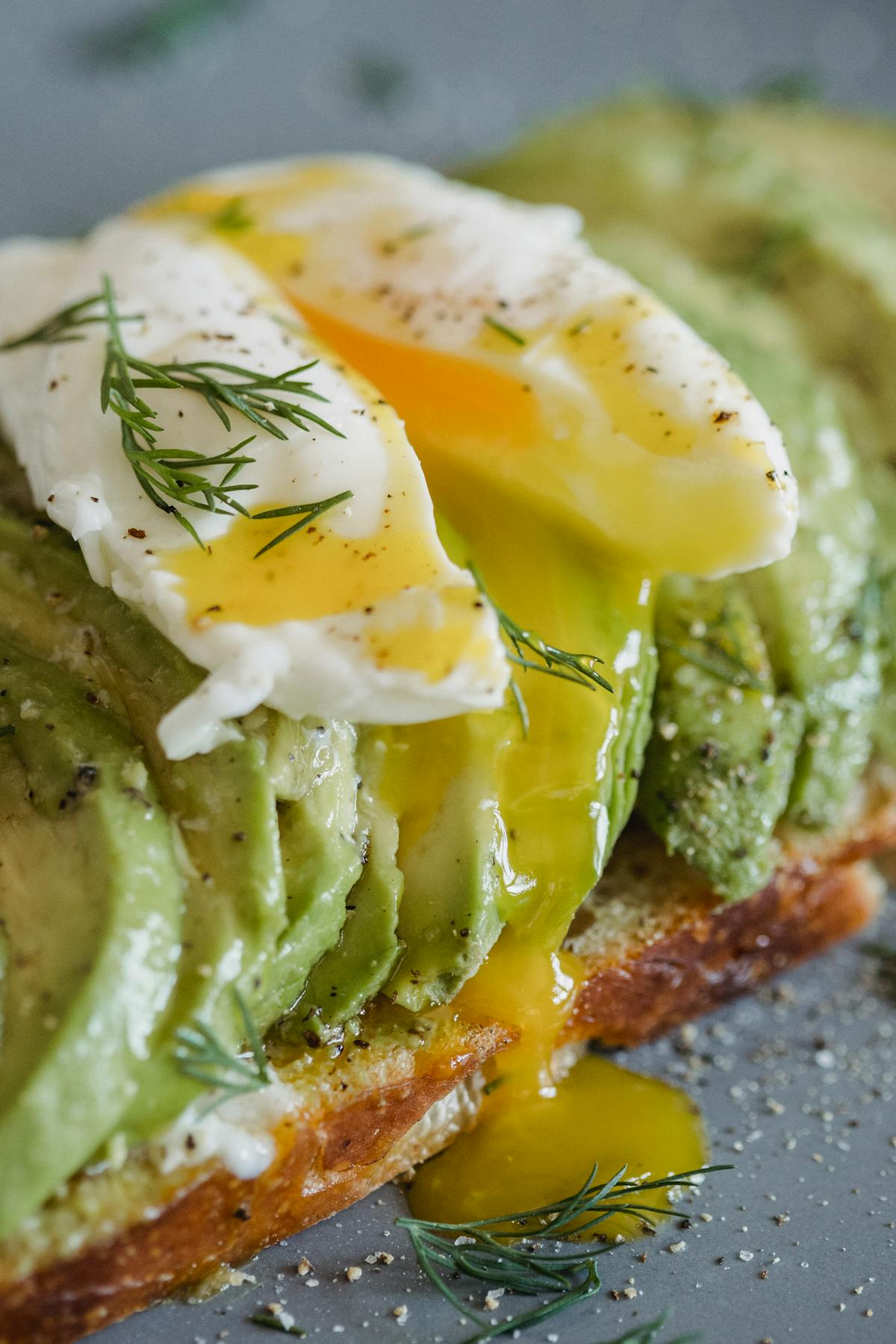
On a large plate, arrange the tomatoes and greens to one side. Add the toasted bread and fan the avocado slices over the toast or alongside the vegetables. You’re aiming for a plate that looks balanced and colorful—greens, reds, creamy yellows.
- Add the eggs and serve.
Gently scoop the scrambled eggs onto the plate next to the veggies and toast. Taste and adjust seasoning with a final pinch of salt and pepper if needed. Place the yogurt bowl alongside, and enjoy your breakfast while it’s warm and inviting.
- Pair with your 30 minutes of movement.
After eating, head out for a walk, hop on a stationary bike at an easy pace, or roll out your mat for gentle yoga. Aim for light movement where you could still comfortably chat—no need to push into heavy breathing first thing in the morning.

Tips, Variations & Make‑Ahead Ideas
- Boost the protein further: Add an extra 2 tablespoons of nuts or seeds to the yogurt, or use higher‑protein bread to push your total closer to 35 g.
- Lower‑carb variation: Skip the toast and double the veggies, or add extra avocado. Your protein stays high, but carbs drop.
- Grab‑and‑go mornings: Boil eggs in advance, portion yogurt and nuts into jars, and keep pre‑washed veggies in containers. Assemble in minutes.
- Plant‑forward swap: Replace 1 egg with ¼ cup black beans or chickpeas on the side to add fiber and keep protein high.
Storage & Reheating
This breakfast is best fresh, but you can prep pieces ahead:
- Scrambled eggs: Store in an airtight container in the fridge for up to 2 days. Reheat gently on low heat in a non‑stick pan with a teaspoon of water, stirring until warmed through.
- Greek yogurt bowl: Can be assembled 1–2 days ahead without nuts (add those just before serving to keep them crunchy).
- Veggies: Wash and chop tomatoes and greens up to 3 days in advance and store in sealed containers.
- Toast: Toast fresh for best texture; reheated toast tends to be chewy rather than crisp.
Critiques, Caveats, and Who Should Be Cautious
Like most viral health trends, the 30‑30‑30 method comes with a few important footnotes.
- The 30‑minute window isn’t magic. Total daily protein and overall activity matter more than nailing the exact timing. If your first meal is 60 minutes after waking, you can still benefit.
- Adjust for medical conditions. If you have diabetes, kidney disease, or other chronic conditions, discuss protein amounts and timing with a healthcare professional or dietitian.
- This doesn’t replace all exercise. Low‑intensity morning movement is great, but strength training and other forms of exercise later in the day are still valuable.
- Not a miracle cure. 30‑30‑30 is a helpful framework, not a guarantee of dramatic weight‑loss results. It works best alongside balanced meals, sleep, and stress management.
Serving Suggestions & What to Pair with Your 30‑30‑30 Breakfast
To round out your morning ritual, you can pair this high‑protein breakfast with:
- Hydrating drinks: Water with lemon, unsweetened herbal tea, or black coffee with or without a splash of milk.
- Fiber boost: Add a small side of berries, sliced pear, or an extra handful of leafy greens for more fiber and color.
- Mindful moment: A 2–3 minute breathing exercise or journaling while you eat to anchor your mindset for the day.
The beauty of the 30‑30‑30 method is its flexibility: you can tailor the breakfast to your culture, cravings, and dietary needs as long as you keep that protein anchor and a dose of gentle movement. With a little planning—and a plate that truly excites you—you’ll find this routine can feel less like a “hack” and more like a comforting, energizing ritual you look forward to every morning.
