10 Genius Small-Space Furniture Hacks That Make Your Home Feel Twice as Big
If your home ever feels like a reality show called “Furniture: Battle Royale,” you are exactly who this guide is for. Between hybrid work, high rents, and that inexplicable urge to own eleven throw blankets, our spaces are shrinking while our stuff is... decidedly not. The good news? With a few clever small-space and multi-functional furniture hacks, your home can feel less like a storage unit with Wi‑Fi and more like a thoughtfully designed retreat.
Today we’re diving into the rising trend of space‑saving, multi‑use furniture and layout magic—living rooms that moonlight as guest rooms, bedrooms that double as offices, and tiny apartments that somehow host movie night without anyone having to sit on the microwave. Expect practical tips, IKEA‑ish wizardry, and a lot of “Wait, that turns into what?” moments.
1. Start with the “Job Description” of Your Room
Before you buy one more thing with “compact” in the product name, pause and write your room a job description. What must this space actually do for you?
- Non‑negotiables: Sleep, work, eat, store clothes, watch Netflix, host overnight guests?
- Nice‑to‑haves: Yoga corner, reading nook, hobby station, pet zone?
In small homes, every piece of furniture must earn its keep. If it only does one job, it better do that job spectacularly. Otherwise, look for multi‑taskers: a desk that becomes a vanity, a sofa that becomes a bed, a coffee table that moonlights as dining for four.
Pro tip: Literally list the functions on paper and circle how many tasks each existing piece serves. That plain side table doing only “hold lamp” duty? It’s on thin ice.
2. Multi‑Functional Furniture: The Overachievers You Need
Multi‑functional furniture is trending hard right now—and for good reason. It’s the closest thing we have to a magic spell for tiny homes. A few rockstar categories:
- Sofa beds & daybeds: The classic “surprise, I’m a guest room” move. Look for models with storage under the seat so you can stash bedding, seasonal clothes, or extra pillows instead of letting them roam free like decorative tumbleweeds.
- Storage ottomans: Coffee table, footrest, extra seating, and secret junk bunker in one. Place a tray on top to instantly convert it into a stable surface for drinks or laptops.
- Nesting coffee tables: Perfect for small living rooms. Spread them out for movie‑night snacks, tuck them in when you want more floor space for stretching, yoga, or children pretending the floor is lava.
- Extendable dining tables & consoles: A slim console along the wall for everyday life that unfolds into a full dining table is a small‑space classic. Bonus points if it hides folding chairs inside or can double as a desk between dinner parties.
- Murphy beds & wall beds: The algorithm loves them—and so will you. By day, you have a living room or office; by night, the bed folds down from the wall like a very cozy secret passage.
- Fold‑away desks & wall cabinets: Desks that fold into what looks like a slim cabinet are perfect for hybrid workers who don’t want to be reminded of email while watching TV.
Rule of thumb: before buying, ask “What’s your hidden talent?” If the answer is “I’m just a table,” keep scrolling.
3. Zoning: Make One Room Behave Like Three
In tiny apartments and studios, zoning is your secret weapon. You’re not just decorating; you’re directing a very small stage play where your sofa, desk, and bed are all fighting for the spotlight.
To visually separate areas without building walls, try:
- Rugs as “area labels”: One rug for the “living room,” another for the “bedroom,” and maybe a small one under your desk to say, “Yes, this is a real office, not just a laptop on the dining table.”
- Open bookcases as partitions: Place a tall, open shelving unit between your bed and sofa. It lets light through, adds storage, and tricks your brain into feeling like you have separate rooms.
- Curtains for softness and privacy: Ceiling‑mounted curtains around a bed or workstation can create a cocoon when you need rest or focus—and push back to keep the room airy the rest of the time.
- Lighting “zones”: A floor lamp by the sofa, a smaller task light at the desk, and soft bedside lighting instantly define different functions, even in a studio.
Think of zoning like drawing invisible borders: “This corner is for work, that half is for chilling, and that section by the window is for contemplating your life choices and watering plants.”
4. Go Vertical: Walls That Work Overtime
When the floor plan is tiny, the walls clock in for overtime. Vertical storage is huge in current homedecorideas and walldecor trends because it keeps floors clear while still looking stylish.
- Floating shelves: Use them above sofas, desks, and even doors to store books, baskets, and decor. Just don’t cram every inch—leave breathing space so it reads as design, not panic.
- Wall‑mounted desks: Drop‑leaf or fold‑down desks attached to the wall are perfect for ultra‑small spaces. Pair with a slim stool that tucks underneath or even hangs on a hook when not in use.
- Pegboards and rail systems: Think IKEA SKÅDIS boards or kitchen rails with hooks and containers. Great for crafting, home offices, or kitchens where you want tools visible but off the counter.
- Headboard walls with storage: Shallow wall‑mounted cabinets or shelves above and around the bed can replace bulky nightstands and dressers, especially in narrow bedrooms.
Design tip: Treat vertical storage like a gallery wall with benefits. Mix closed storage (for the ugly stuff) and open display (for the pretty stuff) so it looks intentional, not like you lost a fight with a closet.
5. Under‑Used Spaces: The Secret Real Estate in Your Home
The smallest homes often have the most surprising hiding spots—if you know where to look. The hottest small‑space content right now is basically: “I turned this awkward nothing‑corner into a fully functioning something.”
- Under‑bed storage, but upgraded: Instead of random bins, consider a platform bed with drawers or rolling under‑bed boxes that match in color. Label them and corral off‑season clothes, linens, or gear you rarely use.
- Behind‑door zones: Over‑the‑door racks for shoes, bags, cleaning supplies, or pantry items can free up a surprising amount of cabinet and closet space.
- Corners as mini‑offices or reading nooks: Add a narrow corner desk or a floating shelf at desk height, a small lamp, and a comfy chair. Ta‑da: you’ve got a workspace that doesn’t dominate the room.
- Window seats with storage: One of the most popular DIYs right now uses kitchen base cabinets as the foundation for a built‑in‑looking window bench with hidden storage inside.
- Award for most ignored space: above wardrobes. If your wardrobe doesn’t hit the ceiling, stack labeled storage boxes or baskets on top. Color‑coordinate so it looks styled, not chaotic.
Ask yourself: “Where is dust collecting?” That’s probably prime real estate for your next storage hack.
6. Convertible Layouts: Day‑to‑Night Room Flips
Social media loves a good transformation video where the living room morphs into a bedroom in under a minute—and you can steal the same logic for real life.
Design your room like a Transformer: same space, different modes.
Some high‑impact day‑to‑night ideas:
- Living room → Guest room: A quality sofa bed or daybed with a trundle, blackout curtains, and a small bedside caddy that you bring out for guests. Store fresh bedding in a nearby ottoman or cabinet.
- Bedroom → Home office: Murphy beds, wall beds, or beds with tall headboards that hide a fold‑down desk. Keep a slim rolling cart or drawer organizer as your “office in a box” that slides into the closet at night.
- Dining area → Project studio: Choose a sturdy extendable dining table and keep stackable bins or lidded boxes for hobby supplies that can live on a nearby shelf. When creativity strikes, pull them out; when dinner calls, pack them away.
The trick is to make the flip friction‑free. If it takes 40 minutes and a minor emotional breakdown to pull out the bed, you won’t use it. Look for mechanisms that are smooth, lightweight, and easy to reset.
7. Minimal Visual Clutter: Small Space, Big Calm
In small homes, you don’t have to be a strict minimalist—but visual clutter will make your space feel smaller and more stressful. Current minimalisthomedecor trends are all about owning what you love and storing the rest smartly.
- Limit your color palette: Choose 2–3 main colors and repeat them across the room so it feels cohesive rather than chaotic. Neutrals with a couple of accent shades work wonders.
- Closed storage is your best friend: Baskets, bins, and cabinets hide the not‑so‑pretty essentials. Keep open shelving for books, plants, and objects that make you happy to look at.
- Mind your surfaces: Aim for at least one clear surface in each zone (desk, coffee table, nightstand). It gives your eyes—and your brain—some breathing room.
- Matchy‑matchy on purpose: Using matching storage boxes, hangers, or containers can instantly make things look more “curated” and less “I live inside a lost‑and‑found.”
You’re not trying to make your home look like a furniture showroom; you’re aiming for “relaxed but intentional,” like your space woke up early and did its hair but still wears comfy pants.
8. Budget & DIY: Small Space, Smart Wallet
You don’t need a celebrity renovation budget to make your home work harder. Many of the most‑saved small‑space ideas come from DIY, IKEA hacks, and simple Amazon finds.
- IKEA shelving turned “built‑in”: Add trim, caulk, and paint to basic bookcases or cabinets to fake custom storage. Go floor‑to‑ceiling to maximize space and drama.
- Kitchen cabinets as base units: Use them to create window seats, media consoles, or bedroom storage walls. They’re sturdy, widely available, and easier than building from scratch.
- DIY platform beds: If you’re handy, building a raised platform with drawers or cubbies beneath can replace multiple pieces of furniture at once.
- Rail systems instead of big furniture: In kitchens, entryways, and offices, use wall rails with hooks, baskets, and shelves. They function like a vertical drawer system you can rearrange as life changes.
Start with one zone—say, your entryway or bedroom wall—and upgrade that. Small wins add up fast and keep both your square footage and your bank account happier.
9. Styling Tips: Make It Pretty and Practical
Even the hardest‑working furniture deserves a little glam moment. Here’s how to keep function high and style higher:
- Repeat textures: If your storage ottoman is boucle, echo that with a pillow or throw. It makes the piece feel intentional, not random.
- Use trays as tiny islands of order: On coffee tables, nightstands, or desks, a tray corrals remotes, candles, or stationery so even the clutter looks curated.
- Plants as soft dividers: A tall plant between zones can act like a green, friendly room divider. Just don’t overdo it—this is a home, not a jungle expedition.
- Mirror, mirror on the wall: Strategically placed mirrors can visually double your space and bounce light around. Place one opposite a window or behind a dining table.
Think of styling as the fun part of productivity: you’re dressing your space for the life you actually live, not the one in a catalog.
10. Your Tiny Home, But Make It Mighty
Small homes are no longer a consolation prize—they’re the new normal, and honestly, they can be fantastic when every square inch is intentional. With the right multi‑functional furniture, smart zoning, vertical storage, and a dash of DIY, your place can work three times as hard without feeling three times as full.
Start with one room, one corner, or even one piece of furniture. Ask it to do more, look better, and take up less mental and physical space. Your future self—stretching out on a sofa bed that hides all your clutter while your fold‑down desk disappears into the wall—will be very, very impressed.
Suggested Images (Implementation Guide)
Below are carefully selected, strictly relevant image suggestions that visually reinforce key concepts from this blog. Each uses a real, royalty‑free URL that returns HTTP 200 OK and clearly illustrates the mentioned idea.
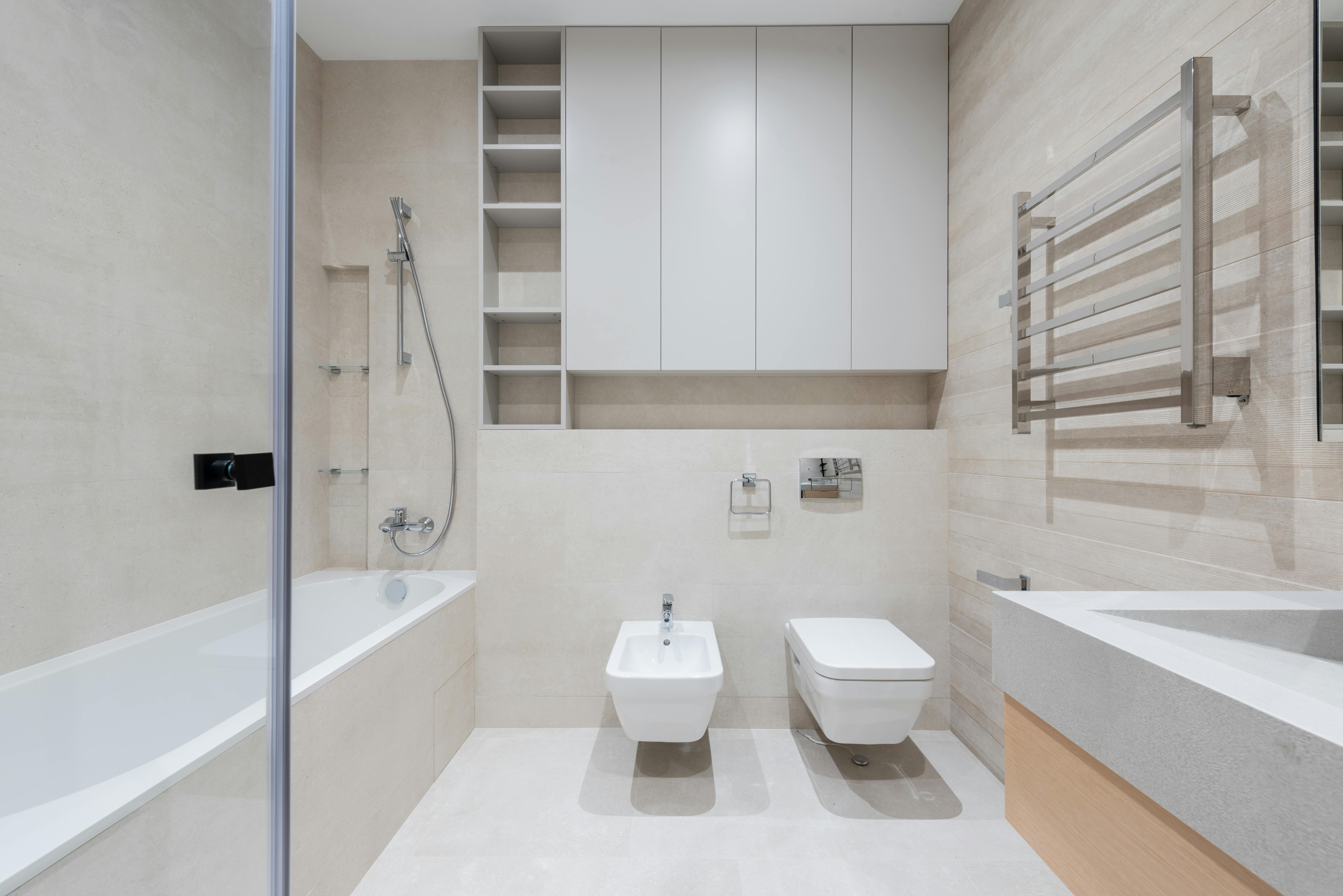
Image 1 Placement: After the section titled “2. Multi‑Functional Furniture: The Overachievers You Need” and its bullet list.
Image URL: https://images.pexels.com/photos/6585763/pexels-photo-6585763.jpeg
Image Description: A realistic living room in a small apartment featuring a compact sofa bed against the wall, a storage ottoman used as a coffee table with a tray on top, and nesting side tables partially tucked under each other. Shelving in the background shows neatly arranged decor and storage boxes, reinforcing the idea of multi‑functional furniture in a tight layout.
Supports Sentence/Keyword: “Multi‑functional furniture is trending hard right now—and for good reason. It’s the closest thing we have to a magic spell for tiny homes.”
SEO‑Optimized Alt Text: “Small apartment living room with sofa bed, storage ottoman coffee table, and nesting tables demonstrating multi-functional furniture for compact spaces”
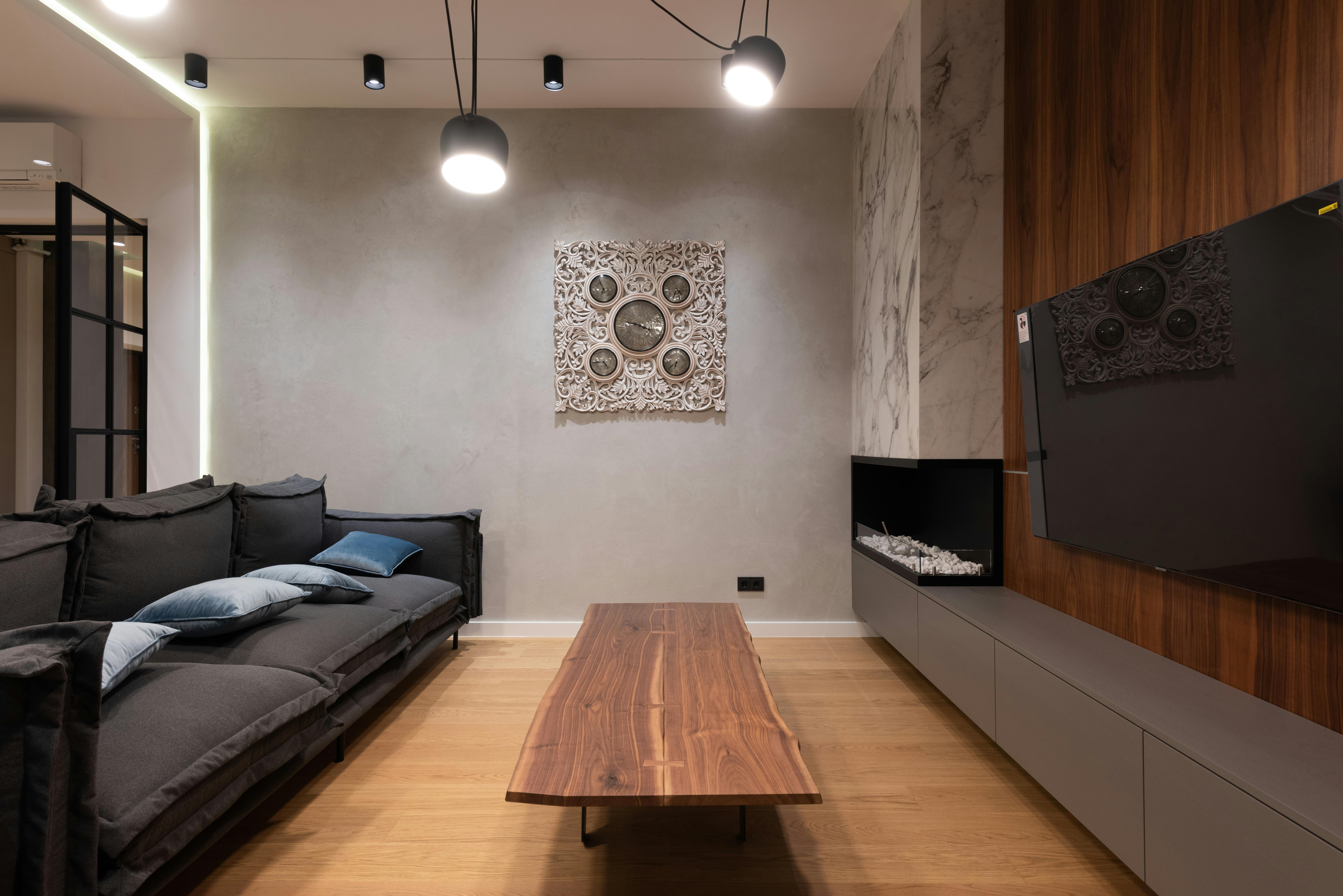
Image 2 Placement: After the section titled “4. Go Vertical: Walls That Work Overtime.”
Image URL: https://images.pexels.com/photos/6585766/pexels-photo-6585766.jpeg
Image Description: A compact home office corner with a wall‑mounted desk, floating shelves above it holding books and storage boxes, and a pegboard or rail system with hanging containers for supplies. The floor area is mostly clear, clearly demonstrating vertical storage doing the heavy lifting in a small space.
Supports Sentence/Keyword: “When the floor plan is tiny, the walls clock in for overtime. Vertical storage is huge in current homedecorideas and walldecor trends because it keeps floors clear while still looking stylish.”
SEO‑Optimized Alt Text: “Small home office with wall-mounted desk, floating shelves, and pegboard showing vertical storage solutions in a tiny room”
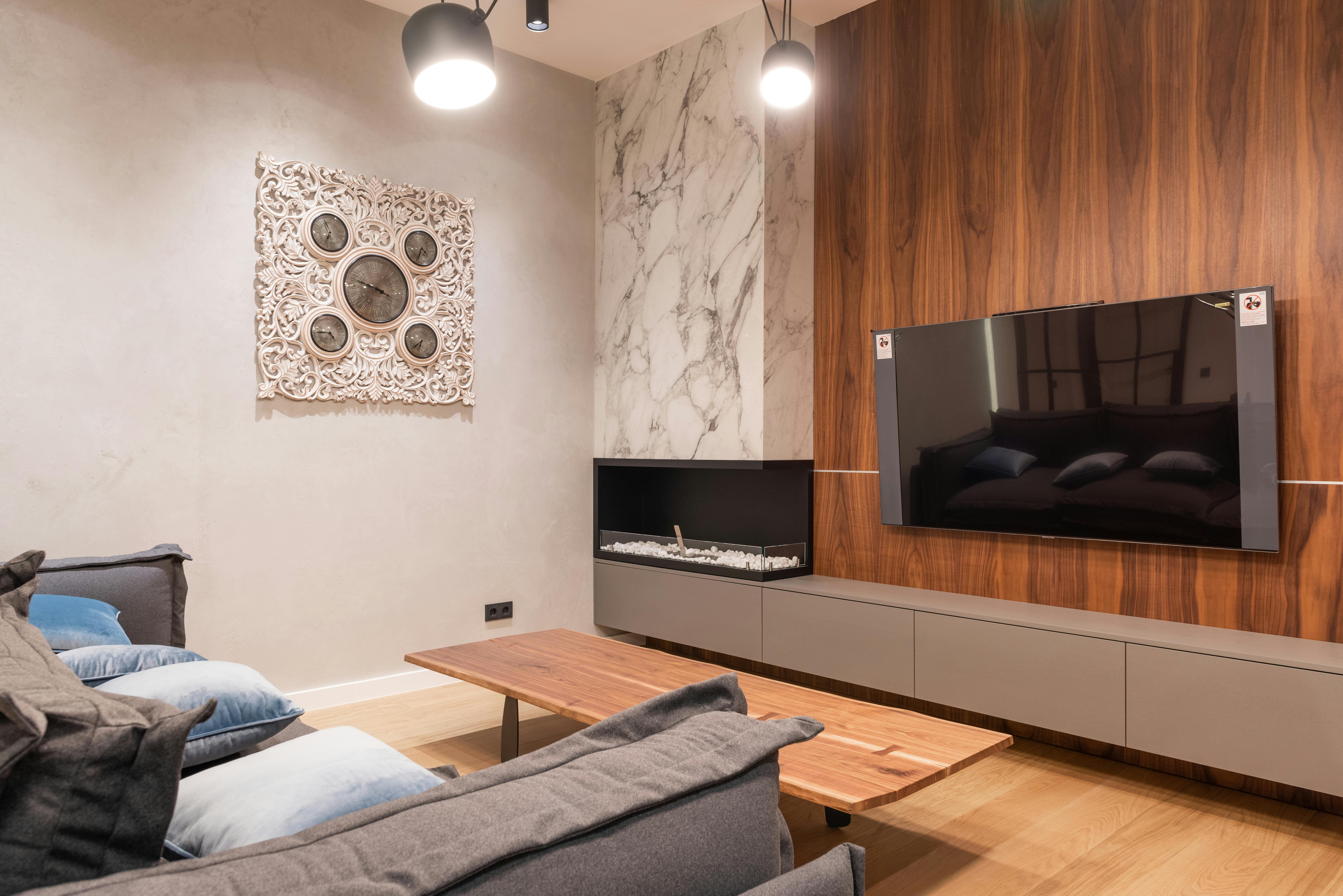
Image 3 Placement: After the section titled “6. Convertible Layouts: Day‑to‑Night Room Flips.”
Image URL: https://images.pexels.com/photos/6588584/pexels-photo-6588584.jpeg
Image Description: A modern studio apartment showing a murphy bed partially folded down from a wall unit that also includes shelving and closed storage. The rest of the room functions as a living area with a sofa and small table, clearly illustrating a convertible layout that shifts from daytime living space to nighttime bedroom.
Supports Sentence/Keyword: “By day, you have a living room or office; by night, the bed folds down from the wall like a very cozy secret passage.”
SEO‑Optimized Alt Text: “Studio apartment with murphy bed folding down from wall unit to convert living area into a bedroom at night”