Your Closet, But Smarter: The Playful Guide to a Sustainable Capsule Wardrobe
The Capsule Wardrobe Glow-Up: How to Look Expensive, Spend Less, and Save the Planet (Casually)
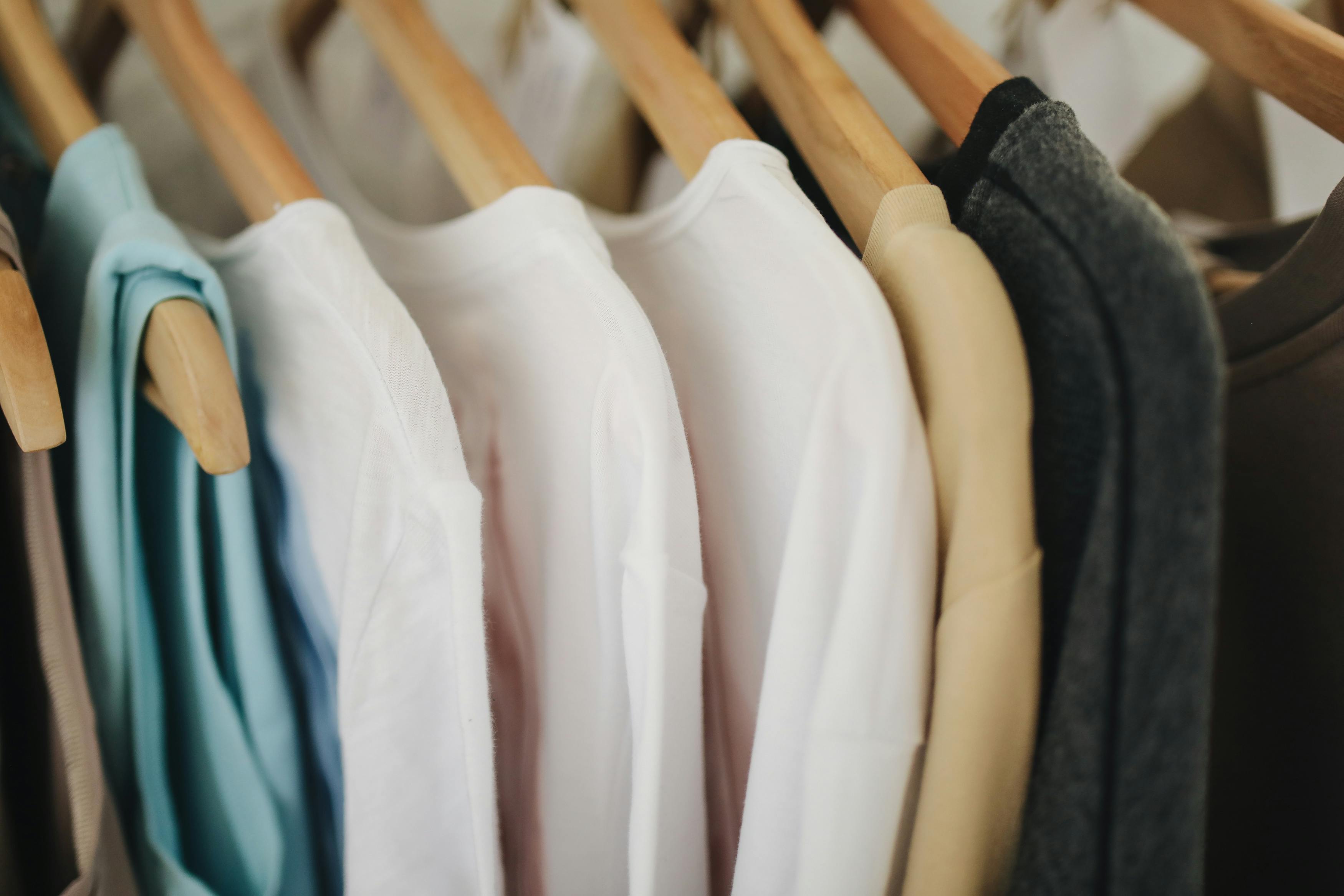
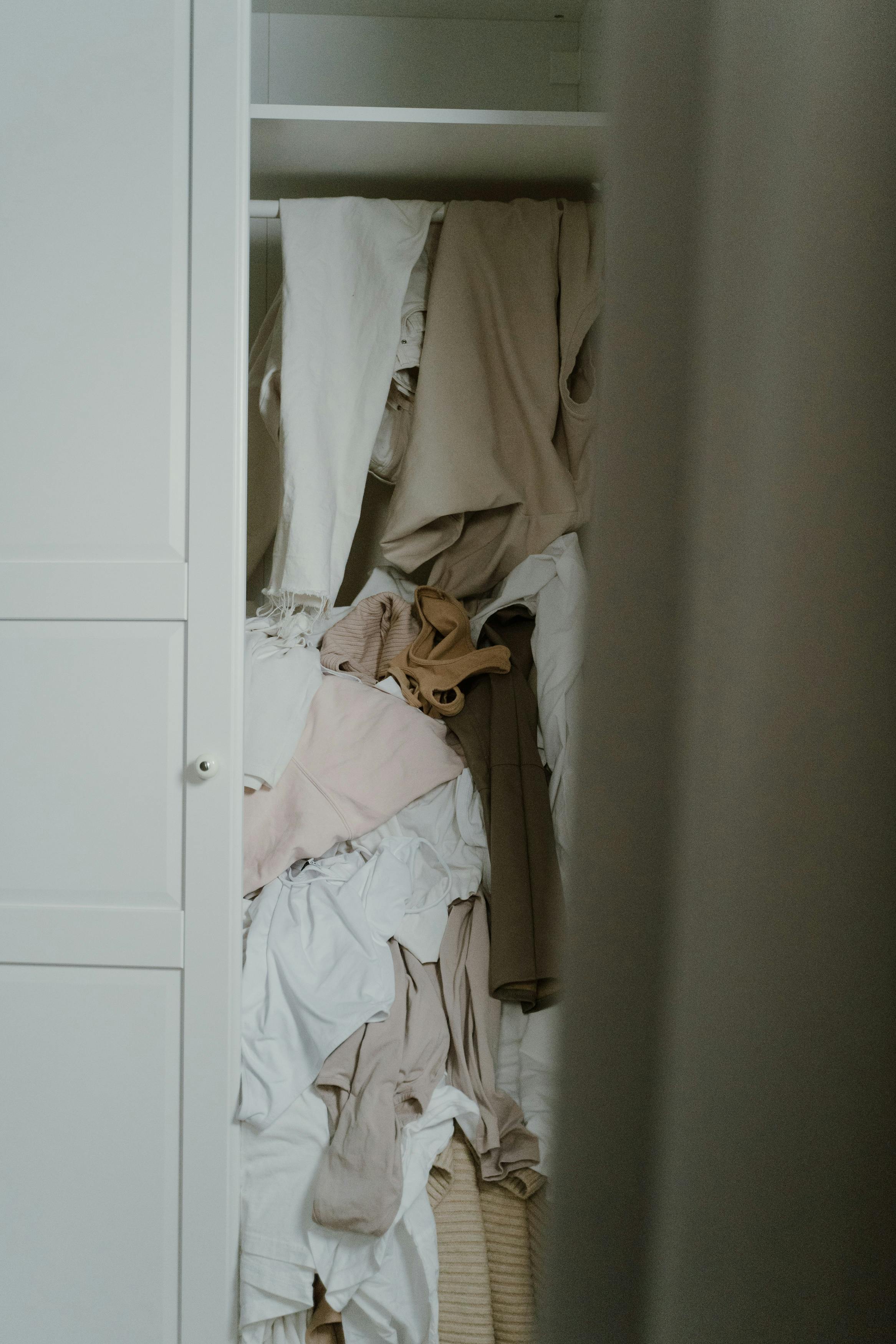
Imagine opening your wardrobe and, instead of being attacked by a falling avalanche of “nothing to wear,” you’re greeted by a small, calm, curated lineup of pieces that actually like each other. No chaos, no guilt, no mysterious top you swear you never bought. That, style friend, is the magic of the sustainable capsule wardrobe.
Across TikTok, YouTube, and every corner of the internet that owns a steamer, the “curated closet” trend is taking over: minimalist capsules, ethical fashion chats, and creators mixing thrift-store steals with quiet-luxury staples like it’s a highly chic science experiment. The goal isn’t to own less just to suffer bravely—it’s to own better, dress faster, feel cooler, and do it all with a smaller fashion footprint.
Today we’re diving into sustainable capsule wardrobes that blend luxury, thrifted, and budget pieces, with plenty of styling tricks, practical tips, and a healthy dose of fashion comedy. Consider this your permission slip to stop chasing every micro-trend and start dressing like the main character of your own (eco-conscious) movie.
Why Capsule Wardrobes Are Suddenly Everywhere
Capsule wardrobes aren’t new; they’re just having a very stylish comeback tour. Right now you’ll see “build a capsule wardrobe with me” videos all over your feed, often with creators pulling 20–40 pieces and turning them into weeks of outfits. The reasons it’s trending again are pretty relatable:
- Climate anxiety: Fast fashion’s impact is… not cute. Capsules appeal to people who want to dress well without treating clothes as disposable.
- Budget reality: Groceries are expensive, rent is rude, and no one has money to burn on a dress you’ll wear once on a random Thursday in 2021.
- Trend fatigue: Y2K! Coquette! Gorpcore! Indie sleaze! Everyone’s tired. A capsule lets you tap trends without becoming their hostage.
- Decision overload: Fewer, better options = less time staring at your closet like it just personally betrayed you.
Instead of chasing every aesthetic, people are building small, versatile wardrobes that match their real lives—whether that’s streetwear, quiet luxury, vintage, Y2K, or “I work from home but want to look like I own at least one espresso machine.”
Anatomy of a Curated Capsule: The Pieces That Do the Most
Think of your wardrobe like a cast in a sitcom: most of the characters are chill, reliable types, with a few chaotic icons who steal every scene. A good capsule has the same balance.
Here’s the rough structure most creators use (adapt as needed):
- Neutral tops: Tees, tanks, and button-downs in black, white, gray, or beige. These are your wardrobe’s background actors—unfussy, always on call.
- Statement pieces: One to three items that scream “you”: maybe a vintage leather jacket, a Y2K denim mini, a bold graphic hoodie, or a dramatic printed shirt.
- Versatile bottoms: Straight-leg jeans, tailored trousers, and at least one skirt (mini, midi, or maxi—choose your emotional support length).
- Layering heroes: Cardigans, blazers, trench coats, or bombers that can move between office, weekend, and late-night snack runs.
- Key accessories: One everyday bag, one belt, simple jewelry, and one or two “fun” items like a funky scarf or statement earrings.
- Shoes that actually walk: Sneakers, ankle boots or loafers, and one pair that’s slightly dressy but still comfortable enough to escape an awkward date.
The point isn’t to follow a fixed formula; it’s to make sure everything you own plays well with at least three other things. If each piece only works in one outfit, it’s not a staple, it’s a very expensive extra.
Mixing Luxury, Thrift, and Budget: Your Closet, But Multilingual
The newest twist in capsule culture isn’t minimalism alone—it’s the blend of price points. Think of your wardrobe as a well-cast movie: you’ve got A-list luxury items, talented thrift-store character actors, and budget-friendly supporting roles from high-street brands.
Buy a few things like you’ll wear them for a decade, and the rest like you’re dating, not marrying.
Where luxury shines:
- Investment items: A high-quality coat, leather boots, or a designer bag that instantly levels up your most basic jeans-and-tee situation.
- Cost-per-wear logic: If you’ll wear it 100+ times, the price divided by wears makes more sense than a cheaper piece that falls apart in one season.
Where thrift and vintage win:
- Blazers, coats, and denim: A well-cut 90s blazer or vintage trench often has better fabric and construction than many modern pieces.
- Trendy flavors: Want to try Y2K, quiet luxury, or 70s vibes? Thrifting lets you experiment without financially committing to a full aesthetic rebrand.
Where budget brands play a role:
- Basics that take a beating: Tees, tanks, and stretchy layers that you wear constantly and may eventually need to replace.
- Seasonal color hits: Want this year’s “it” color without a lifelong commitment? Budget to the rescue.
The trick is learning how one intentional luxury piece—like a beautifully structured bag or well-made boots—can make an outfit of mostly thrifted or budget items look pulled together rather than “I got dressed in the dark during a power outage.”
How to Build Your Capsule Without Having a Meltdown on the Floor
Before you buy a single new thing, raid your closet like it’s a sample sale and everything is free—because it is.
- Pull everything out.
Yes, everything. Lay it on your bed. Stare at the chaos. Apologize to past you for some choices, then move on. - Sort into four piles:
- Love and wear often: These are your automatic capsule candidates.
- Love but rarely wear: Ask why. Fit? Itchy fabric? Hard to style? These might need tailoring or better supporting pieces.
- Meh, could live without: Consider selling, swapping, or donating.
- What was I thinking: We’ve all been there. Let them go with gratitude and maybe mild embarrassment.
- Spot the patterns.
Are you always reaching for straight-leg jeans? Oversized blazers? Black everything? Your capsule should exaggerate what you actually wear, not what Instagram tells you you’re supposed to wear. - Create a mini test capsule.
Pick 20–30 pieces (tops, bottoms, layers, shoes) and challenge yourself to dress from only those for two weeks. Notice what’s missing. Do you wish you had a neutral cardigan? A belt? Better sneakers? Those gaps inform your next purchases. - Make a focused shopping list.
Divide it into:- Investment: Items worth saving up for (coat, boots, bag).
- Thrift hunt: Blazers, denim, interesting shirts.
- Budget basics: Tees, tanks, layering pieces.
This way, every new piece joins your closet like it’s signing a long-term lease, not couch-surfing for a week before vanishing into the laundry void.
Styling Math: Turning 20–30 Pieces into Dozens of Outfits
A capsule wardrobe is only powerful if you actually know how to style it. Think of your clothes like Lego bricks: the more they connect, the more interesting structures (outfits) you can build.
Try these simple outfit formulas:
- Office (or “I’m a professional, allegedly”):
Tailored trousers + neutral tee + blazer + loafers or ankle boots + minimal jewelry. - Date night:
Slip dress or midi skirt + fitted knit or crop top + leather jacket or trench + heeled boots or sleek sneakers. - Casual weekend:
Straight-leg jeans + tank + oversized shirt or hoodie + sneakers + crossbody bag. - Travel:
Comfy knit pants or jeans + tee + cardigan or bomber + scarf (for warmth and spills) + trainers that can walk miles. - Athleisure-adjacent:
Leggings or joggers + structured sweatshirt or half-zip + trench or long coat + clean sneakers.
The secret is to categorize your clothes by mood and context—office, casual, dressy, travel, athleisure—and make sure each piece can jump categories. If those straight-leg jeans only work for weekends and never for work or evenings out, they’re not earning their rent.
Sustainable, But Make It Stylish: Ethical Fashion Without the Guilt Trip
A sustainable capsule wardrobe isn’t just about owning fewer things; it’s also about how you choose them. Ethical fashion creators are using the capsule trend as a gateway to talk about what happens before clothes hit the hanger—and after they leave your closet.
When you’re shopping, try this checklist:
- Research the brand: Look for transparency about labor practices, materials, and environmental impact. No brand is perfect, but honesty is a green flag.
- Prioritize better fabrics: Natural fibers like organic cotton, linen, and wool, or recycled fibers where possible.
- Check construction: Are seams sturdy? Buttons secure? Does the fabric feel like it will survive more than three laundry cycles?
- Ask: “Will I wear this 30+ times?” If the answer is a hesitant maybe, it’s probably a no.
Then there’s the after-care side of things: repairing, tailoring, upcycling, and reselling. A slightly too-big blazer becomes perfect with tailoring. A small hole in a knit becomes invisible with mending. A dress you’ve fallen out of love with might be someone else’s dream find on a resale app.
Sustainability isn’t about perfection—it’s about doing a little better with the choices you already control, one hem, button, and thoughtfully chosen piece at a time.
Capsule Wardrobes for Every Body: Not One-Size-Fits-All (Literally)
The best curated closets are body-friendly first, aesthetic second. You should be able to breathe, sit, and eat a full meal in your clothes without negotiating with your waistband like it’s a hostile roommate.
For women’s and plus-size capsules, creators are leaning into:
- Slip dresses and skirts: Easy to layer, dress up or down, and adjust with belts or jackets.
- Wrap tops and dresses: Adjustable fits that work for weight fluctuations and different bust sizes.
- Elastic or adjustable waistbands: Comfort first, always, especially for office, travel, or long days out.
Menswear-focused capsules often highlight:
- Clean, straight-leg denim: Works with tees, hoodies, shirts, and blazers.
- Simple knitwear: Crewnecks, polos, or zip knits in neutral tones.
- Versatile sneakers and boots: Shoes that go from coffee to dinner without a costume change.
Your capsule should fit your body and lifestyle, not an imaginary runway version of you who always wears white and never spills coffee. Comfort and confidence are the real luxury.
Accessories: The Plot Twists in Your Wardrobe Story
If clothes are the sentences of your outfit, accessories are the punctuation—sometimes a period, sometimes an exclamation mark, occasionally a tasteful semicolon.
Keep a small, mighty lineup:
- One everyday bag: Neutral, structured enough to look polished, big enough for your essentials and a rogue snack.
- One belt: The unsung hero that makes oversized shirts chic instead of “I borrowed this from a much larger cousin.”
- Simple jewelry: Small hoops or studs, a chain necklace, and maybe a signet or stacking ring.
- One or two statement pieces: A bold necklace, sculptural earrings, or a patterned scarf that instantly changes the vibe of your basic outfits.
With a lean accessory collection, you can repeat the same core outfits without feeling like you’re on an accidental uniform plan. Swap the shoes, change the bag, add a scarf, and suddenly your Tuesday look is totally different from Friday—even if the base is the same jeans and tee.
Your Closet, Curated: Final Thoughts Before You Break Up with Impulse Buys
A sustainable capsule wardrobe is not about becoming a minimalist monk who owns exactly 33 items and stares serenely into the middle distance. It’s about building a closet that:
- Reflects your real life, not your fantasy vacation life.
- Makes getting dressed feel quick and low-stress.
- Blends luxury, thrift, and budget so your finances and values stay intact.
- Supports ethical practices where you can, and treats clothes as long-term companions, not one-night stands.
The next time a trend pops up and tries to convince you that you need a hyper-specific micro-bag in radioactive green, ask yourself: “Does this work with my capsule, my lifestyle, and my ethics—or is this just good marketing with excellent lighting?”
Your curated closet is your personal story in fabric form: a mix of pieces you love, wear, repair, and restyle. Build it slowly, thoughtfully, and playfully—and soon you won’t just look put-together, you’ll feel it every time you open your wardrobe and everything in there makes sense.
Suggested Image 1 (do not render if not needed):
- Placement: Directly after the section “Anatomy of a Curated Capsule: The Pieces That Do the Most”.
- Description: A realistic photo of a neatly arranged capsule wardrobe in an open closet: neutral tops (white, black, beige tees and shirts) on wooden hangers, a couple of statement pieces like a bold graphic hoodie and a vintage leather jacket, straight-leg jeans and tailored trousers folded on a shelf, and one pair of leather boots plus white sneakers visible at the bottom. No people, no abstract decor—just the clothing clearly organized.
- Supports sentence/keyword: “Here’s the rough structure most creators use (adapt as needed):” and the bullet list describing neutral tops, statement pieces, versatile bottoms, and layering heroes.
- SEO alt text: “Organized capsule wardrobe with neutral tops, statement jacket, jeans, and boots arranged in an open closet.”
- Example URL: https://images.pexels.com/photos/3735641/pexels-photo-3735641.jpeg
Suggested Image 2 (do not render if not needed):
- Placement: After the section “Mixing Luxury, Thrift, and Budget: Your Closet, But Multilingual”.
- Description: A flat-lay on a neutral surface showing a mix of pieces: a high-quality leather handbag and boots (suggesting luxury), a vintage-style blazer with visible label removed or generic, a pair of straight-leg jeans, and a simple cotton tee with a small thrift-store-style tag nearby. No people, no faces, just the items clearly visible and well lit.
- Supports sentence/keyword: “The newest twist in capsule culture isn’t minimalism alone—it’s the blend of price points.”
- SEO alt text: “Flat-lay of mixed luxury leather accessories, vintage blazer, jeans, and cotton tee illustrating a blended capsule wardrobe.”
- Example URL: https://images.pexels.com/photos/7691088/pexels-photo-7691088.jpeg
Suggested Image 3 (do not render if not needed):
- Placement: After the section “Styling Math: Turning 20–30 Pieces into Dozens of Outfits”.
- Description: A simple visual layout (overhead photo) of four complete outfits arranged on a flat surface: one office look (trousers, blazer, loafers), one casual weekend look (jeans, tee, sneakers), one date-night outfit (dress with jacket and boots), and one travel outfit (comfy pants, knit, sneakers, scarf). No models, just clothing and shoes clearly grouped as outfits.
- Supports sentence/keyword: “Try these simple outfit formulas:” and the list of office, date night, casual weekend, and travel outfits.
- SEO alt text: “Four capsule wardrobe outfit combinations laid out flat for office, casual, date night, and travel.”
- Example URL: https://images.pexels.com/photos/8454342/pexels-photo-8454342.jpeg