
Why Your Workout Isn’t Making the Scale Move (And Why You Should Keep Going Anyway)
You drag yourself to the gym, get your steps in, maybe even sweat through a tough class—and yet, every time you step on the scale, it barely budges. It’s easy to think, “What’s even the point?”
If this sounds familiar, you’re not alone. Many people are surprised to learn that exercise by itself is usually not very effective for weight loss. But that doesn’t mean it’s pointless—far from it. The benefits of regular movement for your heart, brain, mood, and long-term health are enormous, even when the scale doesn’t respond.
In this article, we’ll break down what the science actually says about exercise and weight loss, why your body fights back when you burn more calories, and better reasons to exercise that have nothing to do with shrinking yourself.
The Real Problem: We’ve Been Sold “Exercise = Weight Loss”
For decades, public health messages and fitness marketing have pushed a simple idea: if you want to lose weight, you need to “burn more calories” with exercise. Gyms advertise “fat-burning workouts,” treadmills flash calories burned like a scoreboard, and we’re quietly taught that movement is valuable mainly if it makes us smaller.
The result? When the scale doesn’t move, people assume:
- They’re doing the “wrong” workout.
- They’re not working hard enough.
- Exercise “doesn’t work” for them, so they might as well quit.
The truth is more complicated—and more hopeful. Exercise is excellent for your health, but it’s a relatively weak tool for changing body weight on its own. That’s not your failure; it’s how human biology works.
“We should stop pretending that exercise alone will melt away pounds. Its true power lies in protecting the heart, the brain, and our long-term independence—not in crashing the scale.”
— Paraphrased from current obesity and exercise researchers
A Familiar Scene: Working Out Hard, Seeing Little Change

In my work with clients, I often meet people who have been exercising diligently for months:
- Cardio 4–5 times a week
- “Closing the rings” on their fitness tracker every day
- Taking the stairs, parking farther away, trying to “move more”
They feel fitter, breathe easier on walks, and sleep a bit better—but the scale? Down maybe 2–3 pounds, if that. It’s frustrating, and completely understandable to wonder whether the effort is worth it.
Why Exercise Alone Usually Doesn’t Lead to Big Weight Loss
Weight loss comes down largely to a sustained energy deficit—using more energy than you take in, over time. Exercise does increase energy use, but several biological and behavioral feedback loops blunt its impact.
- Your body “compensates” for extra calories burned.
Research in recent years suggests that when people start exercising more, the body often reduces energy use in other ways—like fidgeting less or slightly lowering resting metabolism. Total daily calorie burn doesn’t rise as much as we expect from the workout alone. - Exercise can increase appetite.
Many people feel hungrier after intense workouts. Without realizing it, they may eat back the calories burned—sometimes more. Even “healthy” snacks can easily outpace the calories used in a 30–45 minute workout. - We overestimate workout calorie burn.
Treadmills and watches often overestimate calories burned, sometimes by 20–50%. A session that feels heroic might only account for the calories in a couple of tablespoons of peanut butter. - Diet changes are more powerful than exercise for weight loss.
It’s simply much easier to not eat 400 calories than to burn an extra 400. That’s why most well-designed weight loss programs focus on nutrition first and use exercise for health, not as the main fat-loss tool.
If Exercise Isn’t Great for Weight Loss, Why Bother?
Because when you zoom out from the scale, exercise becomes one of the single most powerful health interventions we know of.
- Heart and blood vessels: Regular physical activity lowers blood pressure, improves cholesterol, and reduces the risk of heart attack and stroke.
- Metabolic health: Movement improves insulin sensitivity and helps manage (and sometimes prevent) type 2 diabetes—even when body weight changes very little.
- Brain and mood: Exercise is associated with reduced symptoms of depression and anxiety, better sleep, and sharper thinking as we age.
- Longevity: People who are physically active have a lower risk of early death, regardless of their weight category.
- Function and independence: Strength, balance, and endurance help you keep doing the things you love—traveling, playing with grandkids, carrying groceries—well into older age.
In large population studies, being physically active is strongly linked to better health and longer life—even in people who live with obesity. When it comes to long-term health, fitness often matters as much as, or more than, fatness.
A Real-Life Example: When the Scale Won’t Budge, but Health Changes Anyway
A client I’ll call Maria came to me after six months of consistent workouts—three days of strength training and two days of brisk walking each week. Her frustration was raw: “I’ve only lost four pounds. I’m ready to give up.”
We looked beyond the scale:
- Her blood pressure had dropped from borderline high to normal.
- Her fasting blood sugar was down.
- She could carry heavy grocery bags up two flights of stairs without stopping.
- Her nightly stress snacking had eased because she was sleeping better and feeling calmer.
Over the next few months, we gently adjusted her eating habits—more protein, slightly smaller portions of energy-dense foods, and fewer sugary drinks—without changing her exercise routine. The scale began to move slowly, about 0.5–0.75 pounds per week.
The turning point for Maria wasn’t a miracle fat-burning workout. It was reframing exercise as a way to feel strong and healthy, not a punishment for her body size.
So What Does Drive Sustainable Weight Loss?
When weight loss is medically appropriate and personally desired, the evidence points to a few key levers:
- Nutrition changes: This is the main driver. Approaches vary—Mediterranean-style eating, higher-protein diets, mindful portion control, or structured meal plans—but all effective strategies create a modest, sustainable calorie deficit.
- Behavior and environment: Sleep, stress, emotional eating, food environment (what’s in your home, workplace, and routine) all strongly influence intake.
- Medical support when needed: For some people, especially those with obesity-related health issues, evidence-based medications or bariatric surgery may be appropriate tools, alongside lifestyle changes.
- Movement as a supporting player: Exercise helps protect muscle, improves health markers, and makes it easier to keep weight off once it’s lost—but it’s usually not the star of the “weight loss” show.
Better Motivations to Exercise Than Changing the Number on the Scale
When weight loss is the only goal, motivation often collapses the moment progress slows. Shifting your “why” can make movement more sustainable—and more enjoyable.
1. Feel better in your body, today
- Less stiffness and joint pain
- More energy in the afternoon
- Better sleep quality
- That satisfying feeling of having “done something” for yourself
2. Protect your future self
A strong, active body now is like an investment account for your 60s, 70s, and beyond. You’re building the muscle, balance, and cardiovascular reserve that future-you will rely on.
3. Support your mental health
Movement is associated with reduced symptoms of depression and anxiety. Even 10–20 minutes of light to moderate activity can improve mood in the short term for many people.
How to Exercise When Weight Loss Isn’t the Main Goal
Here’s how to build a realistic, health-focused exercise routine—whether or not you lose weight.
Step 1: Aim for a sustainable minimum, not perfection
Many guidelines suggest at least:
- 150 minutes per week of moderate activity (like brisk walking), or
- 75 minutes per week of more vigorous activity
- Plus strength training at least 2 days per week
But if you’re far from that, starting with any amount you can maintain—even 5–10 minutes a day—is far better than trying to “crush it” for a week and burning out.
Step 2: Choose activities you don’t hate
You don’t need to love exercise, but you do need to tolerate it enough to repeat it. Options include:
- Walking with a podcast or friend
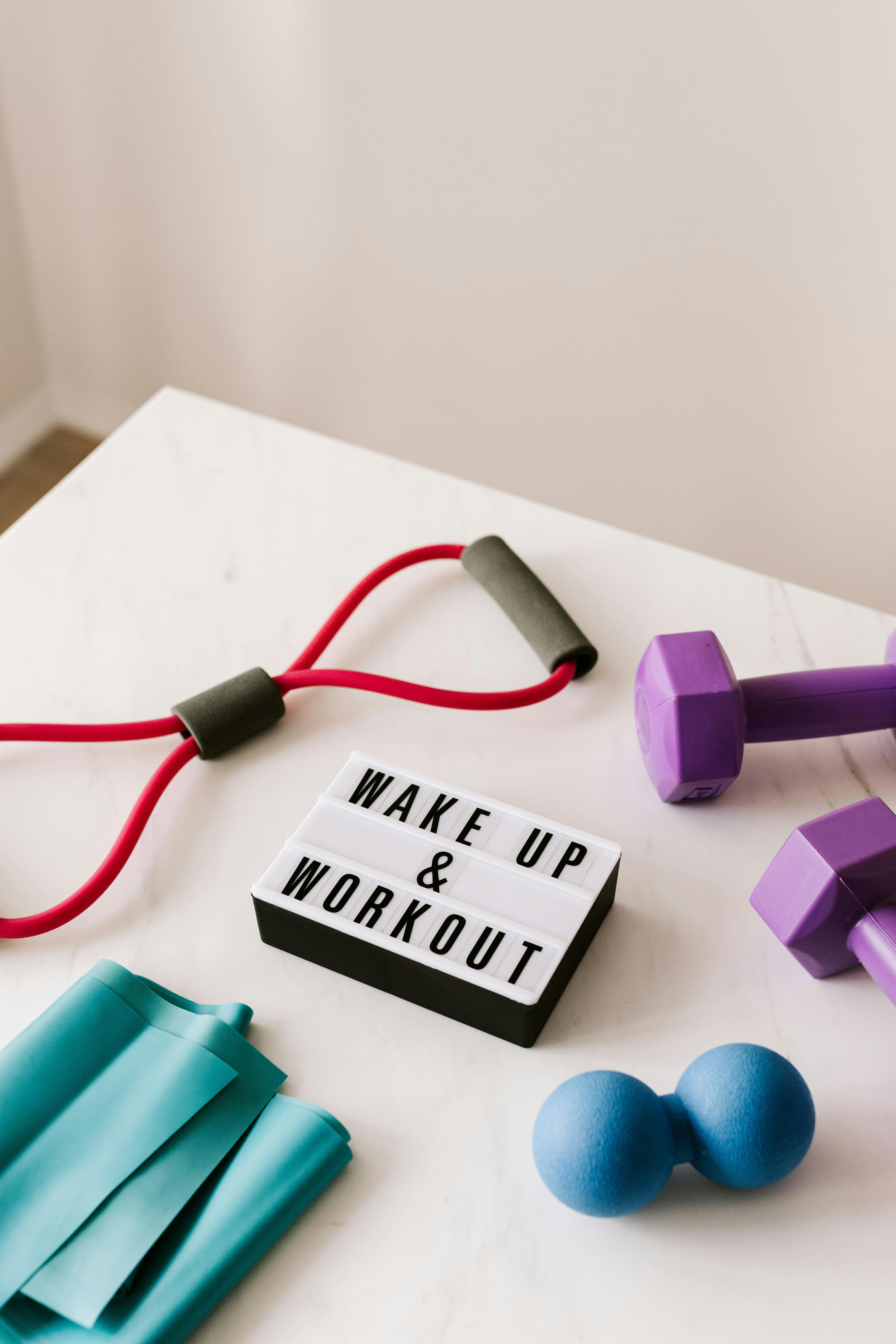
- At-home strength training with bands or light weights
- Dancing in your living room
- Swimming, cycling, or low-impact classes for joint friendliness
Step 3: Separate movement from “earning” food
Try not to use exercise as a bargaining chip: “If I run, I deserve dessert,” or “I have to burn off what I ate.” This mindset can fuel guilt and yo-yo behavior.
Common Obstacles—and How to Navigate Them
“I’m too discouraged by the scale.”
Consider taking a temporary break from weighing yourself, especially if it dictates your mood. Instead, track:
- How many minutes you moved this week
- How many days you did something active
- Energy levels, pain levels, or sleep quality
“I don’t have time.”
- Break movement into 5–10 minute “snacks” throughout the day.
- Pair it with existing habits: walk during phone calls, do bodyweight squats while the kettle boils.
- Remember: consistency beats intensity. A little, done often, adds up.
“I have pain or a medical condition.”
Talk with your healthcare provider or a qualified physical therapist about safe options. Often, some movement is still possible and beneficial—with adjustments for intensity, impact, and joint protection.
Before and After: Rethinking What “Progress” Looks Like
“Before and after” photos usually focus on size. Let’s zoom out and compare a different kind of transformation:
Before (Weight-Focused Mindset)
- Exercise only when trying to lose weight
- Quit if the scale doesn’t move in a few weeks
- Use exercise as punishment for eating
- Feel like a failure when weight loss slows
After (Health-Focused Mindset)
- Exercise most weeks, year-round, for health
- Measure progress in energy, strength, and function
- See food as fuel, not something to “burn off”
- Feel proud of consistency, not just scale changes

What Current Research and Experts Say
Recent years have seen a growing consensus among researchers studying obesity, metabolism, and physical activity:
- Exercise is essential for health—especially heart health, metabolic health, and mental well-being.
- Exercise alone typically yields only modest weight loss, often in the range of a few pounds, unless accompanied by dietary changes.
- Weight is influenced by many factors—genetics, environment, medications, sleep, stress, and more. It’s not a simple reflection of willpower or workout effort.
Many experts now encourage shifting public messages away from “exercise to lose weight” toward “exercise to live longer and feel better,” which is what the data most strongly support.
Moving Forward: A Kinder, Smarter Way to Move Your Body
If you’ve been exercising and not losing much weight, you’re not broken—and your effort hasn’t been wasted. Your heart, blood vessels, muscles, joints, and brain have all been benefiting, even if the mirror hasn’t changed.
Instead of asking, “What’s the point if I’m not losing weight?” try asking:
- “How does movement help me feel and function, today and in the future?”
- “What small, sustainable changes to my eating and habits could I make if weight loss is a goal?”
- “How can I make exercise less about punishment and more about care?”
Your next step doesn’t have to be big. It just has to be doable.
Consider this your invitation to:
- Take a 10-minute walk after you finish reading this.
- Schedule one strength session in your calendar this week.
- Choose one non-scale way to track progress—like energy, mood, or how your clothes feel.
Exercise may not be the magic key to weight loss. But it is one of the most reliable ways we know to build a longer, stronger, more vibrant life in the body you have right now.
