
Why Some Meat Eaters Reach 100: The Surprising Longevity Factor Scientists Just Found
Can Eating Meat Really Help You Live to 100?
A massive aging study following some of China’s oldest citizens has revealed a twist that challenges a lot of what we think we know about diet and longevity: in this population, people who ate meat were sometimes more likely to live to 100 than those who didn’t—but only when one powerful factor was present. It wasn’t a trendy supplement, a rare superfood, or a strict diet plan. It was something much more ordinary, yet surprisingly hard to sustain in modern life.
In this article, we’ll unpack what researchers actually found, what that “unique factor” is, and how you can use the science—without swinging to extremes—to support a long, healthy life whether you eat meat, go plant-based, or land somewhere in between.

The Longevity Puzzle: Why Diet Advice Feels So Confusing
If you’ve ever felt whiplash from conflicting nutrition headlines—“Meat kills,” “Meat heals,” “Go vegan,” “Go keto”—you’re not alone. Many people:
- Try to cut out meat completely, only to feel tired or unsatisfied.
- Eat meat freely but worry about heart disease, cancer, or dementia risk.
- Struggle to know which studies to trust because results seem to contradict each other.
The new Chinese longevity study adds nuance rather than a simple yes/no verdict on meat. It suggests that what you eat matters, but how you live around that food matters just as much—maybe more.
“Nutrition science rarely supports absolute rules. The patterns that show up again and again are moderation, variety, and lifestyle context.” — Imagined summary of consensus from multiple gerontology and nutrition researchers
Inside the Chinese Aging Study: What Researchers Actually Found
The study in question is part of a large, ongoing effort tracking very old adults in China—people in their 80s, 90s, and centenarian “super-agers.” Researchers followed:
- What and how often they ate (including meat, fish, vegetables, and whole grains).
- Their physical activity levels and daily routines.
- Social engagement, sleep patterns, and basic health markers.
- Who survived to 100 or beyond.
They noticed that in certain rural and semi-rural areas, older adults who still ate modest amounts of meat tended to reach very old ages more often than peers who almost never ate it. But when they dug deeper, they found it wasn’t simply “meat vs. no meat” that made the difference.
One factor kept showing up again and again in the meat-eating centenarians. It turned out to be the real star of the story.
The Unique Factor: High Lifelong Physical Activity in Daily Life
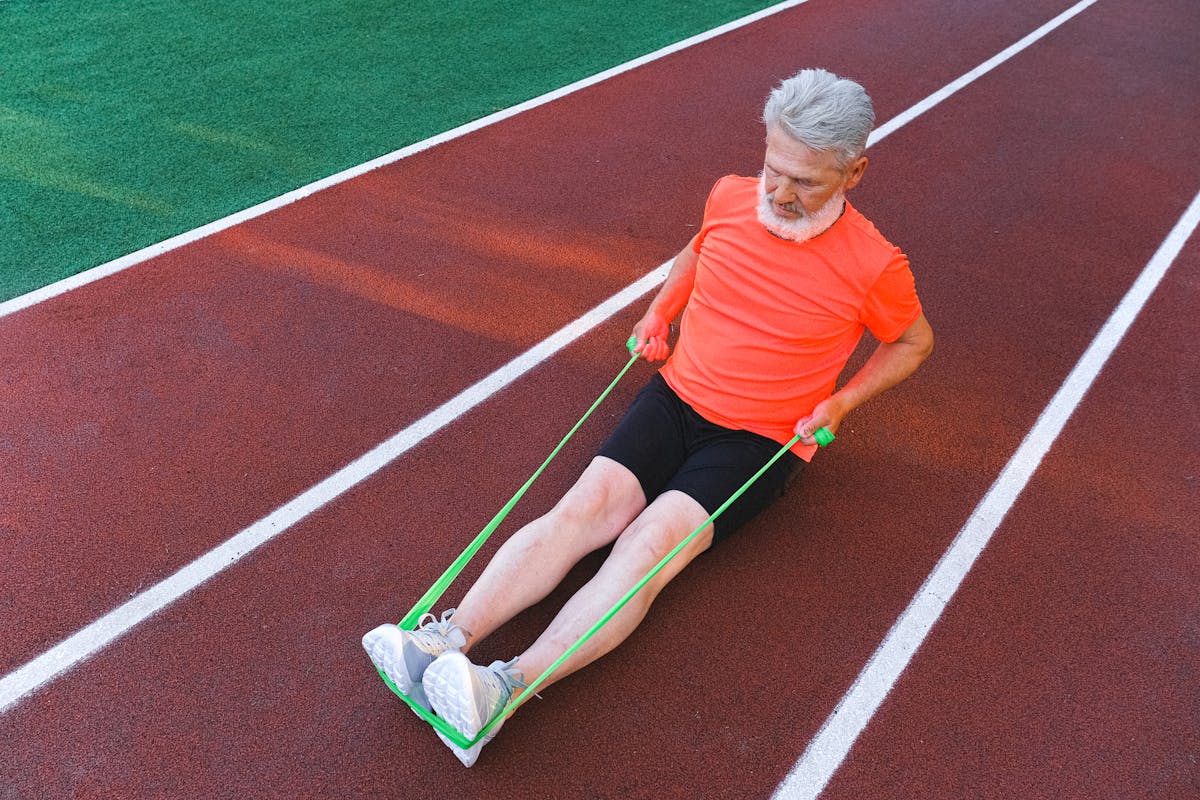
The “unique factor” tying together many meat-eating centenarians in the study was consistent, moderate-to-high physical activity built into daily life over decades.
These were not people doing 90-minute gym sessions or high-intensity classes. Instead, they:
- Walked long distances as part of their routine.
- Did manual or agricultural work well into older age.
- Rarely sat for hours at a time.
- Combined movement with social and family life.
In this context, eating small amounts of meat a few times a week likely:
- Provided high-quality protein to maintain muscle and function.
- Supplied key nutrients such as vitamin B12, iron, and zinc.
- Fit into otherwise simple, minimally processed meal patterns.
“In active, lean, rural populations, modest meat intake is often part of a traditional pattern that supports healthy aging, rather than a risk factor in itself.” — Paraphrased perspective based on multiple epidemiological reviews
Why Movement Changes How Meat Affects Your Body
The way your body responds to meat—or any calorie-dense food—depends strongly on your overall energy balance, muscle mass, and metabolic health. Lifelong movement helps in several evidence-backed ways:
- Better insulin sensitivity: Regular activity improves how cells respond to insulin, lowering risk of type 2 diabetes even when the diet isn’t “perfect.”
- More muscle, less frailty: Adequate protein plus movement supports muscle maintenance, which strongly predicts longevity and independence in older age.
- Improved blood lipids and blood pressure: Activity can counteract some of the potential cardiovascular downsides associated with higher saturated fat intake.
- Healthier weight and body composition: When energy intake matches energy output, occasional higher-calorie foods are less harmful.
Multiple large cohort studies and meta-analyses up to at least 2024 suggest that high levels of physical activity can partly offset the mortality risk associated with diets higher in processed meats and saturated fat. That doesn’t make processed meat harmless—but it highlights how movement changes the equation.
Meat’s Role in Longevity: Helpful Tool or Hidden Risk?
Globally, research on meat and longevity paints a nuanced picture:
- Processed meats (bacon, sausages, deli meats) are consistently linked with higher cancer and heart disease risk.
- High intakes of red meat in Western patterns (often with refined carbs and low fiber) show modestly increased mortality in large cohorts.
- Moderate meat intake within otherwise healthy diets (high in plants, low in ultra-processed foods) often shows neutral or context-dependent effects.
- Low but not zero animal protein can be helpful for older adults at risk of muscle loss, especially when they struggle to get enough protein from plants alone.
In the Chinese study, most meat-eating centenarians were not consuming huge steaks every day. Their pattern looked more like:
- Small portions of pork, poultry, or fish several times per week.
- Lots of vegetables, legumes, and grains.
- Minimal ultra-processed snacks and sugary drinks.
How to Apply the “Unique Factor” in Real Life (With or Without Meat)
You don’t need to recreate rural Chinese life to benefit from these insights. Focus on two levers you can actually control:
- Build movement into your day, not just the gym.
- Treat meat as a nutrient-dense side, not the main event.
1. Turn Everyday Life Into “Background Exercise”
- Walk for short trips: Replace one short daily drive with a 10–20 minute walk.
- Use movement triggers: Every phone call = stand up and pace. Every TV episode = stretch for 5 minutes.
- Do “micro-workouts”: 5 squats, 5 calf raises, or 5 push-ups against a wall each time you visit the kitchen.
- Break up sitting: Set a 45–60 minute reminder to stand, stretch, or walk for 2–3 minutes.
2. If You Eat Meat, Use the “Palm and Plate” Rule
For most generally healthy adults, a practical pattern might be:
- Portion: Keep meat portions roughly the size of your palm.
- Frequency: Aim for a few times per week, not necessarily every meal (if this fits your culture and health status).
- Quality: Favor unprocessed meats and fish; go easy on processed meats.
- Plate balance: Fill at least half your plate with vegetables, then add whole grains or legumes.

Common Obstacles (and How Real People Work Around Them)
Knowing what to do is one thing; living it with work, family, and stress is another. Here are some obstacles I often hear about, along with realistic workarounds from real-world case experiences.
“My job is sedentary. I sit all day.”
A 52-year-old accountant I’ll call “M.” wore an activity tracker and discovered she was barely hitting 3,000 steps a day.
- She started taking 5-minute walks every hour between client files.
- She added a 15–20 minute brisk walk after dinner with her partner.
- Within three months, her daily steps averaged 7,500–8,000, with no gym membership.
She didn’t radically change her diet but did swap daily processed meats for chicken, fish, and more beans. Her energy improved and her blood pressure nudged closer to normal ranges. This is consistent with research showing that breaking up sitting time improves metabolic markers.
“I grew up with meat at every meal—it’s part of my identity.”
Cultural and family traditions around meat matter. Instead of fighting them, many people do better by:
- Keeping the same dishes but slightly shrinking meat portions and bulking up vegetables.
- Reserving processed meats for weekends or special occasions.
- Experimenting with one or two plant-based meals a week that still feel familiar in flavor (e.g., bean stews, lentil curries).
A Before-and-After Lifestyle Snapshot (Hypothetical Example)
Below is a simplified, hypothetical comparison of how one middle-aged meat eater might adjust their routine to better align with the patterns seen in long-lived populations.
Before
- Meat (often processed) at almost every meal.
- Vegetables 1–2 times per day, small portions.
- Mostly sitting: desk job + TV in the evening.
- Rarely reaches 4,000 steps/day.
After (6–12 Months)
- Unprocessed meat or fish ~3–4 times/week, palm-sized portions.
- Half the plate vegetables at lunch and dinner.
- Short walks built into work breaks and after meals.
- 8,000–10,000 steps on most days.

How This Fits With Other Longevity Research
The findings from China don’t stand alone; they echo patterns seen across multiple lines of research:
- Blue Zones research (e.g., Sardinia, Okinawa) shows many centenarians eat mostly plant-based diets with small amounts of animal foods and stay active throughout life.
- Large cohort studies have linked higher ultra-processed meat intake with mortality, but found much lower risk in patterns that emphasize plants and physical activity.
- Guidelines from organizations such as the World Health Organization and many cardiology societies converge on whole foods, movement, and moderation rather than strict elimination of all animal products for everyone.
Put simply: the Chinese data reinforce a broader message—what predicts healthy aging is a pattern, not any single food.

Your 7-Step Longevity-Inspired Action Plan
If you’d like to bring your habits closer to what we see in long-lived populations—while respecting your own preferences and culture—consider this simple roadmap:
- Track a baseline week. Notice your current steps, sitting time, and how often you eat meat (and what kind).
- Pick one movement upgrade. For example, “10 minutes of walking after lunch on weekdays.” Do just that for 2 weeks.
- Refine your meat choices. Swap one processed meat meal per week for fish, legumes, or unprocessed poultry.
- Double your vegetables at one meal. Easiest win: add a side salad or extra serving of cooked veg.
- Build a “movement buddy” system. Invite a friend, partner, or colleague to walk or stretch with you.
- Check in with your doctor. Especially if you have heart disease, kidney issues, or other chronic conditions, ask how much and what type of protein is right for you.
- Review and adjust every 1–3 months. Notice what feels sustainable and what doesn’t. Longevity habits are a long game.
Bringing It All Together: It’s Not About Meat Alone
The Chinese aging study makes a headline-friendly claim—that meat eaters, under the right conditions, may reach 100 more often. But once you look closely, the message is more grounded and, in a way, more hopeful:
- Meat itself is neither a magic bullet nor an automatic threat.
- The unique factor behind many long-lived meat eaters is lifelong, built-in physical activity combined with relatively simple, minimally processed diets.
- You can capture many of the same benefits whether you eat meat or not by focusing on movement, whole foods, and gentle consistency.
You don’t have to aim for perfection—or even for 100. But you can start shaping a life that gives your body a better chance to stay strong, clear-headed, and independent as the years go by.
Call to action: This week, choose one habit from this article—an after-dinner walk, a smaller meat portion, or an extra serving of vegetables—and practice it daily. Small steps are how centenarian-level patterns quietly begin.
