
Why the Right‑to‑Repair Revolution Is Rewriting the Future of Consumer Tech
The right-to-repair and repairability wave is transforming consumer technology faster than many manufacturers expected. Once a fringe demand from tinkerers and sustainability activists, repair rights now influence product design, corporate roadmaps, and regulations from Sacramento to Brussels. Tech outlets like Ars Technica, Wired, The Verge, TechRadar, and Engadget cover each new law, teardown score, and corporate policy shift as front-page news, while YouTube, TikTok, and Reddit amplify every viral repair win—or failure—into a reputational moment for brands.
Mission Overview: What Is the Right‑to‑Repair Movement?
At its core, right‑to‑repair is about restoring practical ownership of devices. If you buy a phone, laptop, tractor, or game console, you should be able to:
- Access official repair documentation and service manuals.
- Buy spare parts and tools at fair prices.
- Use independent repair shops without voiding your warranty.
- Replace common wear items—especially batteries and screens—without specialized labs or proprietary software unlocks.
Modern gadgets, however, are often glued, soldered, or software‑locked in ways that make repair prohibitively difficult. This tension between user expectations and manufacturer control has driven a wave of legislative proposals, corporate self‑service repair programs, and consumer advocacy campaigns.
“If you can’t fix it, you don’t really own it.”
Legislative Momentum: How Laws Are Rewriting Repair Rules
From 2022 through early 2026, right‑to‑repair has gained concrete legal traction in both the United States and Europe. Each new law not only changes regional repair practices but also generates global pressure on large manufacturers to align their product design and support policies.
Key U.S. Developments
- State-level laws: States including New York, Minnesota, California, and others have passed or advanced consumer electronics right‑to‑repair legislation requiring manufacturers to provide parts, tools, and documentation to consumers and independent repair shops.
- Sector-specific precedents: Earlier automotive and agricultural repair rules—such as Massachusetts’ automotive data access law and ongoing debates over tractor repair—created legal templates now being adapted for consumer electronics.
- Federal attention: The U.S. Federal Trade Commission (FTC) has signaled support for greater repair rights, publishing reports on “Nix the Fix” practices and warning manufacturers about misleading warranty restrictions.
Tech policy sections in outlets like The Verge and Wired closely track each bill’s language, highlighting loopholes—for example, exemptions for “enterprise” devices or restrictions on which parts must be sold—and follow lobbying from major players in smartphones, gaming consoles, and laptops.
European Union: From Ecodesign to Digital Fairness
The European Union has pushed the furthest toward systemic repairability standards:
- Ecodesign and energy labelling rules add repairability criteria for appliances and electronics, including spare parts availability and disassembly requirements.
- Right‑to‑repair regulations for smartphones and tablets are expanding to require easier battery replacement, standardized screws, and longer parts availability windows.
- Digital product regulations around software updates and security patches increasingly intersect with repairability by demanding longer support lifecycles.
European policy, when finalized, often becomes the de facto global standard because it is too costly for large manufacturers to maintain separate designs for EU and non‑EU markets.
“We must design products that last longer, can be repaired easily, and can be upgraded instead of replaced.”
Technology: How Design Choices Shape Repairability
Repairability is an engineering outcome, not an accident. The same decisions that make devices thin, water‑resistant, and highly integrated often make them difficult to fix. The repairability wave is forcing industrial designers, hardware engineers, and software teams to balance new constraints.
Hardware Design Trade‑Offs
- Batteries: Glued‑in batteries simplify assembly and enhance rigidity but make replacement labor‑intensive and risky. Repair‑friendly designs use pull tabs, modular compartments, or easily removable adhesive.
- Displays: Full‑lamination techniques reduce thickness and glare but can require expensive full‑module replacements instead of swapping just the glass or backlight.
- Fasteners vs. adhesive: Adhesive offers dust and water resistance but hinders disassembly. Many newer designs are experimenting with hybrid approaches: screws and clips for internal modules, carefully placed adhesive gaskets for environmental seals.
- Modularity: Swappable modules for storage, cameras, or ports—seen in projects like Framework laptops—dramatically increase repairability but can constrain industrial design freedom and internal volume.
Software, Firmware, and Parts Pairing
Even if you can physically swap a part, software can still block the repair. Common mechanisms include:
- Parts pairing: A screen, battery, or camera is cryptographically tied to the device’s logic board. Replacing it without manufacturer software tools can disable features or display persistent warnings.
- Remote management and activation locks: Useful against theft, but they can also prevent legitimate second‑hand use and repair if ownership records are incomplete.
- Signed firmware and calibration tools: Sometimes genuinely necessary for security and safety (e.g., biometric sensors), but often gated behind manufacturer-only portals.
These practices sit at the heart of the repair controversy: are they essential for safety and security, or are they primarily business controls?
Environmental and Economic Stakes of Repairability
Tech media increasingly frame right‑to‑repair as both a climate and cost‑of‑living issue. E‑waste is one of the fastest‑growing waste streams globally, and high‑end devices now often cost well over $1,000, making replacement painful for consumers.
Environmental Impact
- E‑waste reduction: Extending device lifespans by even 1–2 years can significantly cut emissions associated with raw material extraction, manufacturing, and shipping.
- Embodied carbon: A large share of a phone or laptop’s lifetime emissions occurs before you turn it on. Repair delays the need for a new device, amortizing that embodied carbon over more years.
- Circular design: Repairable devices are easier to refurbish, resell, and eventually recycle, supporting circular economy models.
Economic Realities for Consumers
Repairability directly affects total cost of ownership (TCO). Consider:
- Battery degradation: Many otherwise functional phones are replaced solely because of poor battery life. Affordable, accessible battery swaps can delay replacement by several years.
- Screen damage: Screens are among the most common failures. Devices that require entire assembly replacements—even for hairline cracks—dramatically increase repair costs.
- Independent repair shops: When parts and schematics are available, local shops often provide faster, cheaper repairs than official channels, keeping money in local economies.
For those interested in DIY repair, high‑quality toolkits like the iFixit Pro Tech Toolkit provide the precision drivers, spudgers, and opening tools required for modern electronics, and are frequently recommended by repair professionals.
Extending the lifetime of electronics is one of the most effective strategies to reduce their overall climate impact.
Teardowns, Repair Scores, and the New Consumer Playbook
Teardowns and repairability scores have turned from nerd content into mainstream buying advice. When a flagship phone launches, coverage doesn’t stop at performance benchmarks; readers want to know how easy it is to open, swap parts, and keep it running.
Influence of Independent Teardown Experts
- YouTube repair channels: Channels that stream live teardowns and board‑level repairs expose hidden design decisions—glued batteries, fragile ribbon cables, unusual fasteners—that can either impress or outrage viewers.
- Repair scorecards: Organizations like iFixit publish 1–10 repairability scores for major devices, and these ratings are now cited in reviews on TechRadar, The Verge, and Engadget.
- Community‑generated guides: Step‑by‑step photo and video guides lower the barrier to DIY repair, especially for common tasks like battery and SSD replacements.
This content reshapes expectations: a device that scores poorly on repairability now risks negative buzz on Reddit, Hacker News, and X/Twitter, regardless of its raw performance.
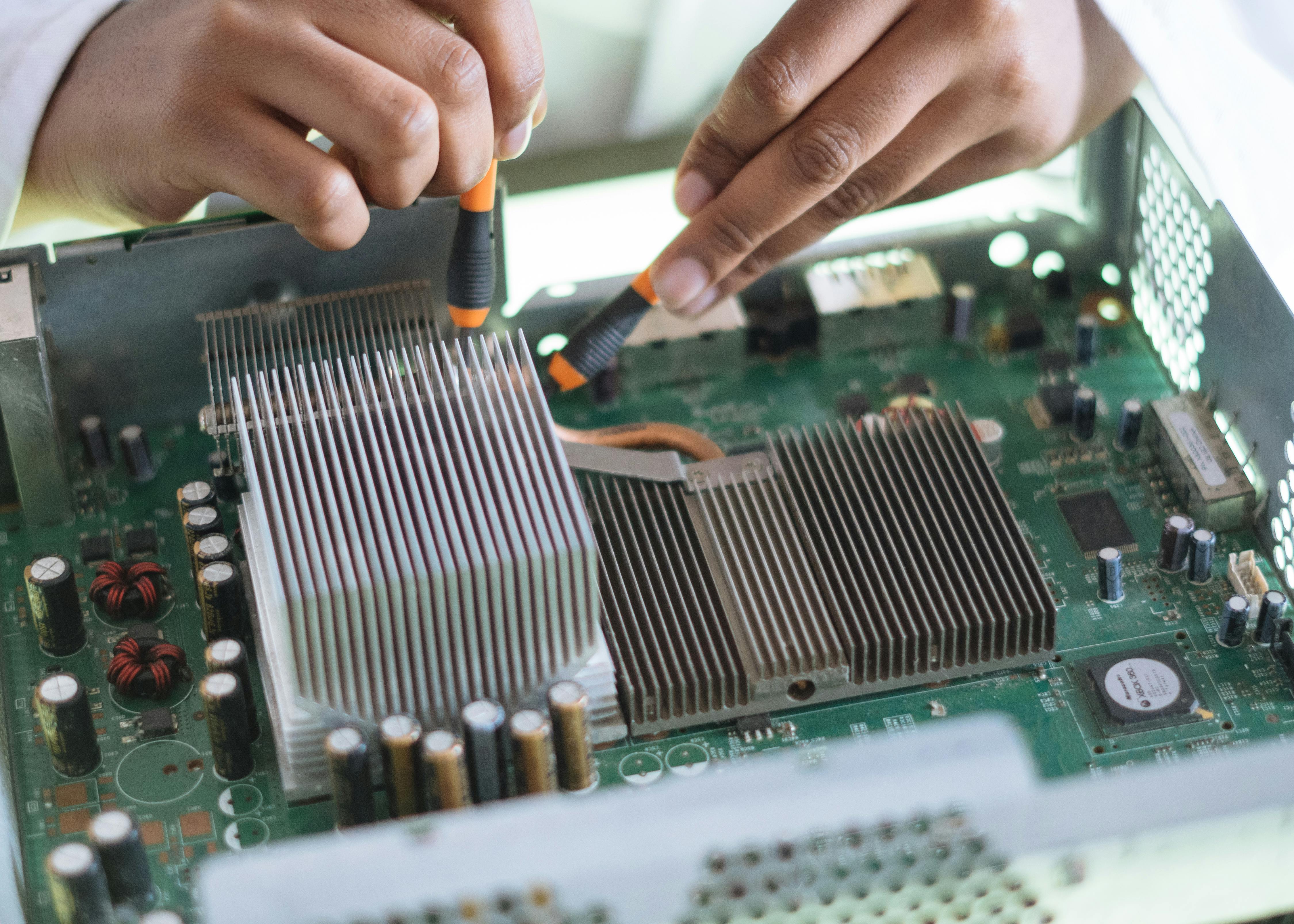
Repairability as a Buying Criterion
More tech‑savvy buyers now ask:
- Can I replace the battery without mailing the device away?
- Are the SSD and RAM soldered or socketed?
- How many years of official parts and software support are promised?
- Does the manufacturer publish repair manuals or partner with independent repair networks?
Framework’s modular laptop platform and Fairphone’s repairable smartphones have leveraged these questions into strong brand differentiation, even at smaller market scale.
Security, Software Locks, and the Meaning of Ownership
One of the thorniest aspects of right‑to‑repair is its collision with cybersecurity, privacy, and anti‑theft protections. Not all locks are hostile—some are essential—but discerning the difference is difficult for regulators and consumers alike.
Where Security and Repair Collide
- Biometric sensors: Fingerprint readers and facial recognition modules require tight integration between hardware and secure enclaves. Manufacturers argue that open parts and tools could weaken authentication security.
- Anti‑theft features: Activation locks and remote‑wipe tools reduce smartphone theft. However, if transfer or recovery processes are opaque, legitimate second‑hand owners can be locked out of devices they legally purchased.
- Firmware integrity: Signed firmware updates and locked bootloaders can protect users from malware but may also restrict independent repair diagnostics and advanced troubleshooting.
Discussion threads on Ars Technica and Hacker News frequently explore this trade‑off: how do we preserve robust security while respecting users’ right to open, analyze, and repair their own devices?
The goal shouldn’t be to choose between security and repair—it should be to design systems that deliver both.
Ownership in the Software Era
Right‑to‑repair also intersects with broader debates over digital ownership:
- Subscription and DRM models blur the line between owning and renting devices and software.
- Cloud‑dependent features can render perfectly functional hardware useless if servers shut down.
- License agreements sometimes restrict how users can modify or resell hardware, raising questions about the scope of property rights in the digital age.
For many advocates, the right‑to‑repair is a practical way to reassert ownership in a landscape where control increasingly lives in the cloud.
Major Brand Policy Shifts and Self‑Service Repair Programs
Under mounting legislative and public pressure, leading tech companies have launched self‑service repair portals, published parts catalogs, or expanded their authorized repair networks. These moves regularly become headlines across Ars Technica, Engadget, and The Verge.
Evaluating Self‑Service Repair
Journalists and repair professionals typically evaluate such programs based on:
- Parts pricing: Are genuine parts priced at a reasonable fraction of device cost?
- Tool access: Are tools rentable, purchasable, or locked behind corporate programs?
- Documentation quality: Are guides complete, plain‑language, and accessible to non‑experts?
- Software support: Does the user have access to necessary calibration tools and firmware updates?
In coverage and teardown videos, repair experts often distinguish between genuine progress and what they see as PR‑driven gestures that remain too complex or costly for typical users.
Emerging Best Practices
Across brands, some promising patterns are emerging:
- Making batteries and screens user‑replaceable with basic tools.
- Publishing official repair manuals online without paywalls.
- Standardizing screws and connectors to minimize tool proliferation.
- Designing modular components (e.g., keyboard decks, ports, cameras) that can be swapped independently.

Milestones: How Right‑to‑Repair Entered the Mainstream
The rise of right‑to‑repair did not happen overnight. Several milestones shifted it from activist circles into front‑page tech news and legislative calendars.
Key Turning Points
- High‑profile investigative pieces in outlets like The Verge and Wired documenting consumers blocked from simple repairs or charged exorbitant fees.
- Viral teardown videos showing glued batteries, proprietary screws, and intentionally obscured connectors.
- Public endorsements by major environmental NGOs linking repairability with climate goals and e‑waste reduction.
- Passage of the first comprehensive state‑level right‑to‑repair laws covering broad categories of consumer electronics.
- Launch of modular and repair‑first devices whose entire value proposition rests on fixability and longevity.
Collectively, these events made repairability impossible for large manufacturers to ignore. Every new flagship device launch is now met with immediate teardown scrutiny and social media commentary on how repair‑friendly the design really is.
Methods and Tools: How Repairs Actually Happen
Behind policy debates lies the practical reality of how devices are repaired at the bench. Understanding this workflow clarifies why certain design decisions and documentation gaps matter so much.
Typical Consumer Electronics Repair Workflow
- Diagnosis: Visual inspection, basic functional testing, and, when available, built‑in diagnostics or manufacturer service tools.
- Disassembly: Opening the device using heat, suction cups, spudgers, and screwdrivers; this is where adhesive vs. fasteners becomes critical.
- Component‑level testing: Checking connectors, running multimeter tests, or swapping known‑good parts to isolate failures.
- Repair or replacement: Replacing failed modules, reflowing solder joints, cleaning corrosion, or, on advanced benches, performing chip‑level work.
- Reassembly and calibration: Resealing the device, applying new adhesive, and running software calibration for displays, batteries, or cameras.
For aspiring DIYers, a well‑equipped repair kit and a stable work surface matter as much as the guide you follow. Products like the iFixit Magnetic Project Mat help keep screws and small parts organized and are widely recommended in teardown videos.
Challenges: What’s Holding the Repairability Wave Back?
Despite momentum, significant obstacles stand between today’s repair reality and the fully repairable future advocates envision.
Technical and Design Constraints
- Device miniaturization: Ultra‑slim devices leave little room for modularity and standard connectors.
- Ruggedness vs. access: Water and dust resistance often require strong seals that complicate opening.
- High integration: System‑on‑chip designs and densely packed boards reduce the number of replaceable modules.
Business and Legal Barriers
- Intellectual property concerns: Some manufacturers argue that releasing full schematics could expose trade secrets or help counterfeiters.
- Liability fears: Companies worry about being blamed for injuries or data loss resulting from improper third‑party repairs.
- Service revenue: In‑house repair networks and device replacement programs are profitable, creating structural resistance to independent repair.
Consumer Awareness and Confidence
Many users still lack:
- Awareness that repair is even possible for their device.
- Access to reputable local repair shops, especially outside major cities.
- Confidence to attempt basic repairs like battery swaps, even with guides.
Educational content—from short TikTok clips to detailed YouTube walkthroughs—plays a key role in overcoming this barrier by demystifying repairs and showing realistic difficulty levels.

How Consumers and Organizations Can Prepare
As repairability becomes a mainstream expectation, both individuals and institutions can make more informed choices that support long‑term ownership and sustainability.
For Individual Consumers
- Check repair scores: Consult teardown and repairability ratings before buying major devices.
- Plan for battery replacements: Treat at least one battery swap as part of your device’s normal life cycle.
- Invest in basic tools: A good precision screwdriver set, opening picks, and an anti‑static mat can enable safe, simple repairs.
- Use reputable guides: Follow step‑by‑step instructions from trusted sources rather than random videos with no track record.
For IT Departments and Organizations
- Prioritize devices with modular components and strong vendor support for spare parts.
- Negotiate repair and parts access terms into procurement contracts.
- Implement internal or third‑party repair programs to extend fleet lifetimes.
- Document repair histories for compliance, security, and resale value.
Conclusion: The Future of Repairable Consumer Tech
The right‑to‑repair and repairability wave signals a deeper transformation in how we think about technology. Devices are no longer disposable black boxes that silently fail after a few years; they are long‑term investments whose design, support, and repairability shape both personal finances and planetary health.
In the near term, expect:
- More explicit repairability metrics in device spec sheets and reviews.
- Expanded self‑service repair portals and third‑party partnerships.
- Growing alignment between environmental policy and product design mandates.
- Continued debate over where to draw the line between security and openness.
Longer term, the most competitive brands will likely be those that treat repairability as a core feature rather than a regulatory burden—building ecosystems of parts, tools, documentation, and community knowledge around their hardware. For consumers, that translates into more control, lower long‑term costs, and gadgets that serve us longer before heading to the recycling bin.
Additional Resources and Further Reading
For readers who want to dive deeper into the right‑to‑repair and repairability conversation, the following resources offer detailed analysis, practical guides, and ongoing news coverage.
- iFixit – Right to Repair overview and campaign hub
- Techdirt – Right‑to‑Repair policy and legal coverage
- The Verge – Right‑to‑Repair news and reporting
- WIRED – Features and investigations on repair, e‑waste, and sustainability
- Right to Repair Europe – EU policy updates and advocacy
- YouTube – Electronics repair tutorial playlists
References / Sources
- https://www.ifixit.com
- FTC – Nixing the Fix: An FTC Report to Congress on Repair Restrictions
- https://www.theverge.com/right-to-repair
- https://www.wired.com/tag/right-to-repair/
- https://repair.eu
- EU – Right to Repair (Environment Directorate)
- https://www.iea.org
- Electronic Frontier Foundation – Right to Repair
