
Why Right-to-Repair Is Reshaping Tech: Device Longevity, E‑Waste, and the End of Disposable Gadgets
In this article, we explore how new legislation, corporate strategies, and grassroots repair culture are colliding—sometimes clashing—to decide whether our next phone, laptop, or appliance will be easy to fix and keep for years, or quietly pushed toward the landfill.
The right-to-repair movement has shifted from a niche concern of tinkerers and repair cafés into a global policy and technology story. Governments are drafting laws, major manufacturers are revising repair policies, and consumers are asking hard questions about device longevity, software support, and e-waste. At its core is a deceptively simple question: once you buy a device, how much control should you truly have over fixing and maintaining it?
Supported by detailed device teardowns, repairability scores, and viral DIY repair videos, right-to-repair has become a persistent theme across outlets like Ars Technica, The Verge, Wired, and YouTube. Legislators now debate “reasonable” access to parts and manuals, analysts connect repairability with climate targets, and users are increasingly factoring longevity and repair scores into purchasing decisions.
Mission Overview: What Is Right-to-Repair and Why Now?
The right-to-repair movement advocates for legal and practical guarantees that consumers and independent repairers can fix products without being forced into exclusive, manufacturer-controlled channels. While the idea is decades old in automotive and agricultural equipment, it is now central to the debate over smartphones, laptops, game consoles, medical devices, and home appliances.
Modern electronics are often designed with sealed batteries, glued-in displays, proprietary screws, and cryptographically “paired” components. These choices can:
- Increase repair difficulty and cost.
- Encourage earlier upgrades instead of repairs.
- Centralize repair revenue with manufacturers and their authorized partners.
- Shorten effective device lifespans, adding to global e-waste.
“When we design products so that only the manufacturer can fix them, we’re not just making life harder for repair shops—we’re hard-coding waste into the system.”
— Gay Gordon-Byrne, Executive Director, The Repair Association
As devices have become more essential—supporting work, education, healthcare, and logistics—the stakes of lock‑in have grown. A broken screen or worn‑out battery can be the difference between staying connected and being effectively offline, especially in lower-income communities where replacement is not affordable.
Legislative Landscape: From Niche Bills to Mainstream Policy
Legislatures worldwide are responding with increasingly detailed right-to-repair and “ecodesign” rules. While specifics change by jurisdiction, the trends are clear: longer support windows, better access to repair documentation, and mandatory availability of parts and tools.
Key Regional Developments
- European Union: The EU’s evolving Ecodesign and Circular Economy policies have introduced requirements for making certain categories of products—such as household appliances and some electronics—more repairable and energy efficient. Recent initiatives aim to extend:
- Availability of spare parts and repair information for several years after a product is discontinued.
- Design requirements that support easier disassembly and component replacement.
- Potential labeling around repairability and durability to inform consumers at purchase time.
- United States: Several U.S. states have advanced or enacted right-to-repair laws focused on electronics, farm equipment, or both. Federal regulators have also signaled interest in competition and consumer-protection angles, scrutinizing restrictions that may unfairly limit independent repair.
- United Kingdom & other countries: The UK has implemented standards that require manufacturers of certain appliances to supply spare parts for an extended period. Other countries, including Canada and Australia, are actively debating the scope of upcoming repair legislation, often citing EU rules as a model.
Policy articles from outlets like Ars Technica’s right-to-repair coverage dig into the fine print: what constitutes a “reasonable” price for a replacement part, how quickly manufacturers must provide documentation, and how long devices must receive security updates. These details directly influence whether consumers actually experience meaningful repair rights or only a theoretical legal victory.
Technology and Design: Why Some Devices Are Easier to Repair
Repairability is not an accident; it is the result of design decisions made at the engineering and product-strategy level. Teardowns and repairability scores from organizations like iFixit highlight specific design features that either enable or obstruct repair.
Features of a Repairable Device
- Modular components: Discrete, easily removable parts—such as camera modules, USB ports, or speakers—allow targeted repairs without replacing the entire board.
- Standard fasteners and openings: Cross-head or Torx screws and standard clips avoid proprietary tools and damaging prying.
- User-replaceable batteries: Batteries that can be swapped without dissolving glue or removing fragile glass panels drastically extend practical device life.
- Accessible documentation: Step-by-step service manuals, exploded diagrams, and part numbers lower the barrier to competent repair.
- Minimal parts pairing: Avoiding unnecessary cryptographic locks that “marry” parts to a specific device supports third‑party components.
Restrictive Practices: Parts Pairing and Software Locks
Manufacturers argue that some restrictions are necessary to protect users from counterfeit parts, preserve safety, and maintain security. Critics respond that many implementations go well beyond safety, effectively functioning as business-model enforcers.
- Parts pairing: Some devices use cryptographic authentication between components (like displays, biometric sensors, or batteries) and the system board. After replacement, software may disable features or show persistent warnings if it does not recognize an “authorized” part.
- Diagnostic tool lock‑in: Manufacturer-only diagnostic software can be essential to reset error codes, calibrate new components, or unlock full performance after repair.
- Firmware and bootloader locks: Firmware can block third‑party batteries, limit upgrades to alternative operating systems, or refuse to run if a component is not properly “signed.”
“Security is often cited as a reason to limit repair, but in practice many implementations look more like DRM for hardware than genuine safety measures.”
— Cory Doctorow, author and technology activist
Hacker News and similar communities frequently dissect these trade-offs, debating when security concerns are valid and when they function as rationalizations for closed ecosystems.
Scientific and Environmental Significance: Device Longevity vs. E‑Waste
Electronic waste (e‑waste) is one of the fastest-growing waste streams worldwide. Devices contain a complex mixture of metals (including rare earth elements), plastics, glass, and complex circuitry. Recycling is technically challenging and often only recovers a fraction of the materials.

Analyses from outlets such as Wired and The Next Web have repeatedly linked right‑to‑repair to climate and sustainability goals. Extending the service life of a device by even a couple of years can significantly reduce its lifetime environmental footprint because:
- The bulk of greenhouse gas emissions for many electronics come from manufacturing and logistics, not day-to-day use.
- Fewer new devices means less mining of rare metals and fewer toxic byproducts from fabrication.
- Repair and refurbishment support local jobs with relatively low carbon intensity compared with large-scale manufacturing.
Organizations like the OECD’s e‑waste reports and the UN’s Global E‑waste Monitor emphasize that current recycling capacity alone cannot handle projected device turnover. From a systems perspective, device longevity is a high-leverage intervention: fewer devices produced, less energy consumed, and smaller waste streams.
“The most sustainable smartphone is the one you already own—especially if you can repair it.”
— Frequently cited mantra in circular-economy research
Movement Milestones: From Teardowns to Mainstream Headlines
Several milestones have pushed right‑to‑repair into mainstream awareness and influenced both consumer expectations and corporate strategies.
The Rise of iFixit and Repairability Scores
iFixit popularized detailed teardowns and 10‑point repairability scores, which have become staple content on Engadget, TechRadar, and YouTube. Their approach:
- Dissects new devices soon after release, highlighting glue vs. screws, modularity, and access to common failure points.
- Publishes free, step-by-step repair guides and community-sourced fixes.
- Publicly praises manufacturers who improve repairability and calls out regressive design choices.
Major Policy and Corporate Milestones
- Passage of specific right-to-repair or “digital fair repair” laws in multiple U.S. states and ongoing efforts to harmonize standards.
- EU and UK rules that require certain appliances and electronics to be designed for longer lifespans, with mandatory spare part availability.
- High-profile manufacturer announcements of self-service repair programs, expanded access to genuine parts for independent shops, or commitments to longer software update windows.
- Public pressure campaigns—often amplified on social media—that push companies to reverse restrictive policies or abandon aggressive parts pairing practices.

These shifts have not resolved the issue, but they have redefined the default expectation: many consumers now assume that devices should be designed with at least some level of repairability and long-term support in mind.
Social Media and DIY Culture: Repair Stories That Go Viral
While legislative hearings and standards documents can be dense, social platforms have humanized the debate. TikTok, YouTube, Reddit, and Twitter/X are full of:
- Before-and-after videos of cracked phones restored with inexpensive parts.
- Cost comparisons between official repair channels and independent shops.
- Frustrated users discovering that a simple battery replacement is effectively impossible without specialized tools—or not allowed at all.
- Guides to flashing alternative operating systems or community firmware on older devices.
Popular tech creators such as Louis Rossmann have become de facto spokespeople for the movement, documenting cases where relatively minor faults lead to expensive board swaps or where manufacturer policies make otherwise repairable devices uneconomical to save.
“People don’t want to throw their electronics away. They just want a fair shot at fixing them.”
— Louis Rossmann, repair technician and YouTuber
These narratives turn abstract policy terms—like “parts pairing” or “diagnostic access”—into real-world frustrations and successes that everyday users can understand and relate to.
Consumer Choices: Buying for Longevity and Repairability
As awareness grows, more consumers are actively searching for devices that last longer and can be fixed. That shift is slowly reshaping the market.
What to Look for When Choosing Repairable Tech
- Repairability scores: Check independent scores (e.g., from iFixit) or, where available, official repairability labels.
- Battery accessibility: Prefer phones and laptops with replaceable batteries, or at minimum, documented replacement procedures and available parts.
- Modular laptops and desktops: Systems with socketed RAM and storage, replaceable keyboards, and standardized ports can remain useful far longer.
- Software support windows: Consider how long OS and security updates are promised; hardware that outlives its software can still become effectively obsolete.
- Brand repair policies: Review whether the manufacturer sells parts to independent shops, publishes service manuals, and supports refurbishers.
Certain products and platforms have built their entire branding around repairability and modularity. When researching, consider both teardowns and long-term user reviews to understand how devices hold up over time.
For those interested in basic electronics repair, starter toolkits—such as precision screwdriver sets and spudgers—can dramatically increase what you can safely fix at home. For example, a highly rated kit like the iFixit Pro Tech Toolkit provides the bits and tools needed for many phone and laptop repairs.
Challenges and Controversies: Security, Safety, and Business Models
Despite progress, significant tensions remain between manufacturers, lawmakers, and right‑to‑repair advocates. Many of the deepest disagreements center on security and liability.
Manufacturer Perspective
- Security risks: Opening diagnostic interfaces or bootloaders, they argue, can expose devices to malware, data theft, or unauthorized access.
- Safety concerns: Lithium-ion batteries and high‑voltage internal components can be dangerous if mishandled. Poor-quality parts or incorrect repairs might cause fires or injuries.
- Brand reputation: If an independent repair fails, consumers may still blame the original manufacturer, even when unsupported components were used.
- Intellectual property: Detailed service manuals and diagnostic schematics reveal proprietary information about design and testing.
Advocate Perspective
- Overstated risks: Advocates argue that many safety and security justifications could be addressed without blanket restrictions, using certifications, warnings, or limited documentation.
- Economic lock‑in: Restrictive policies can funnel customers into expensive repair channels or make repair uneconomical, accelerating replacement cycles.
- Competition and innovation: Independent repair ecosystems can drive down prices, improve access in underserved regions, and stimulate new refurbishing businesses.
- Precedent from other industries: The long-standing availability of auto repair manuals and third‑party parts is cited as evidence that safety and independent repair can coexist.
In practice, legislation often tries to carve out middle-ground solutions, such as requiring access to documentation and parts while still allowing reasonable protections against counterfeiting or tampering with safety-critical systems.
Practical Guide: Extending the Life of Your Devices
Even before laws catch up, individual users can take concrete steps to extend the usable life of their gadgets and push back against disposable tech culture.
Device Longevity Checklist
- Protect first: Use quality cases and screen protectors for phones and tablets. Preventing physical damage is often easier than repairing it.
- Battery care: Avoid extreme heat, don’t leave devices at 0% or 100% for extended periods, and consider enabling charge‑limit features where available.
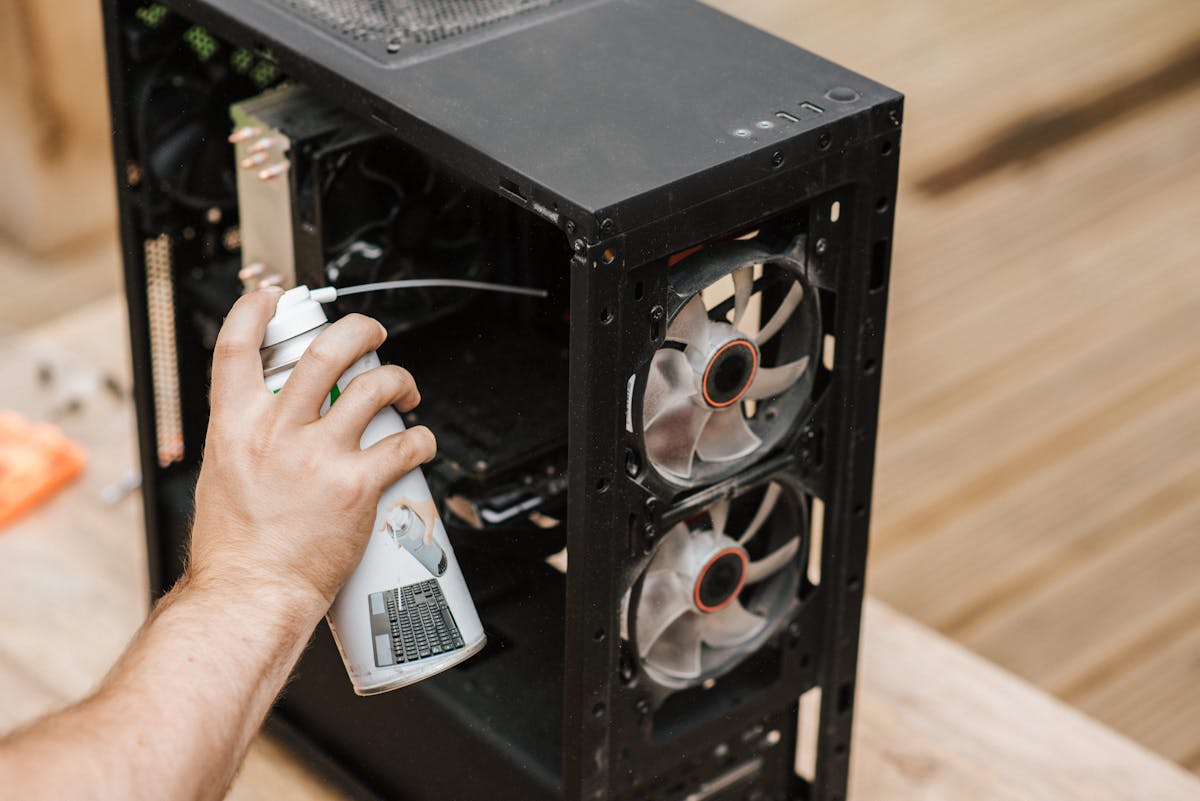
- Clean and maintain: Periodically clean vents and fans on laptops and desktops to prevent overheating, which shortens component life.
- Upgrade before replacing: For PCs and some laptops, upgrading RAM or storage can dramatically extend life at relatively low cost.
- Use community software: When vendor support ends, community-maintained operating systems (e.g., Linux distributions on PCs, or alternative Android builds on certain phones) can keep hardware useful—where legally permitted.
- Refurbish or donate: If you truly cannot use a device anymore, donate or sell it to refurbishers instead of discarding it.
DIY-friendly equipment—such as a precision screwdriver set, ESD-safe tweezers, and a magnetic mat—can enable many basic repairs at home. Popular kits like the precision computer repair screwdriver kits (look for highly rated sets with multiple bit types) are widely used by hobbyists and professionals.
Conclusion: From Disposable Tech to Durable Infrastructure
Right-to-repair is about far more than fixing a cracked screen. It touches on climate policy, digital ownership, competition law, and the cultural norms around how we consume technology. As legislation matures and more manufacturers experiment with repair‑friendly designs, the industry is being nudged away from a pure “sell-and-forget” model toward thinking of devices as long‑term infrastructure.

The path forward will involve compromises—balancing security and privacy with openness, and recognizing the legitimate constraints of safety and intellectual property. But the direction of travel is clear: consumers, regulators, and many engineers increasingly see durability and repairability as essential qualities, not nice-to‑have bonuses.
For individuals, the most impactful steps are choosing repairable products, maintaining the ones you already own, supporting independent repair ecosystems, and staying informed about policy debates. Collectively, these choices send a powerful signal: technology should work for us for as long as possible, not the other way around.
Further Resources and Extra Value: Learn, Repair, and Advocate
To go deeper—whether you want to start repairing your own hardware, follow policy developments, or teach others—consider exploring:
- Repair guides and communities:
- iFixit – Teardowns, repair guides, and repairability scores.
- The Restart Project – Community repair events and resources.
- Policy and advocacy:
- The Repair Association – Advocacy and policy tracking in North America.
- Electronic Frontier Foundation: Right to Repair – Legal and digital rights analysis.
- In-depth reading and media:
- Wired’s Right-to-Repair coverage – Longform reporting on policy and design.
- YouTube: Right-to-Repair videos – Talks, debates, and repair tutorials.
As right-to-repair continues to evolve, keeping an eye on both laws and real‑world repairability will be essential. The more transparent the ecosystem becomes—from design decisions to spare part availability—the easier it will be to align business incentives with sustainability and user empowerment.
References / Sources
The following sources provide ongoing, reputable coverage and analysis of right‑to‑repair, device longevity, and e‑waste:
