
Why Plant-Forward Mediterranean Eating Is the Smart, Delicious Long-Term Diet
Plant-forward • Mediterranean-inspired • Long-term nutrition
Plant‑Forward, Mediterranean‑Inspired Eating: The “Smart” Long‑Term Diet
Amid the noise of keto, carnivore, juice cleanses, and celebrity crash diets, a quieter revolution is happening in home kitchens: a return to plant‑forward, Mediterranean‑inspired eating. This isn’t a rigid meal plan; it’s a flexible, joyful way of cooking that leans on vegetables, beans, whole grains, olive oil, herbs, and seafood to nourish you for the long haul—with plenty of flavor and color on every plate.
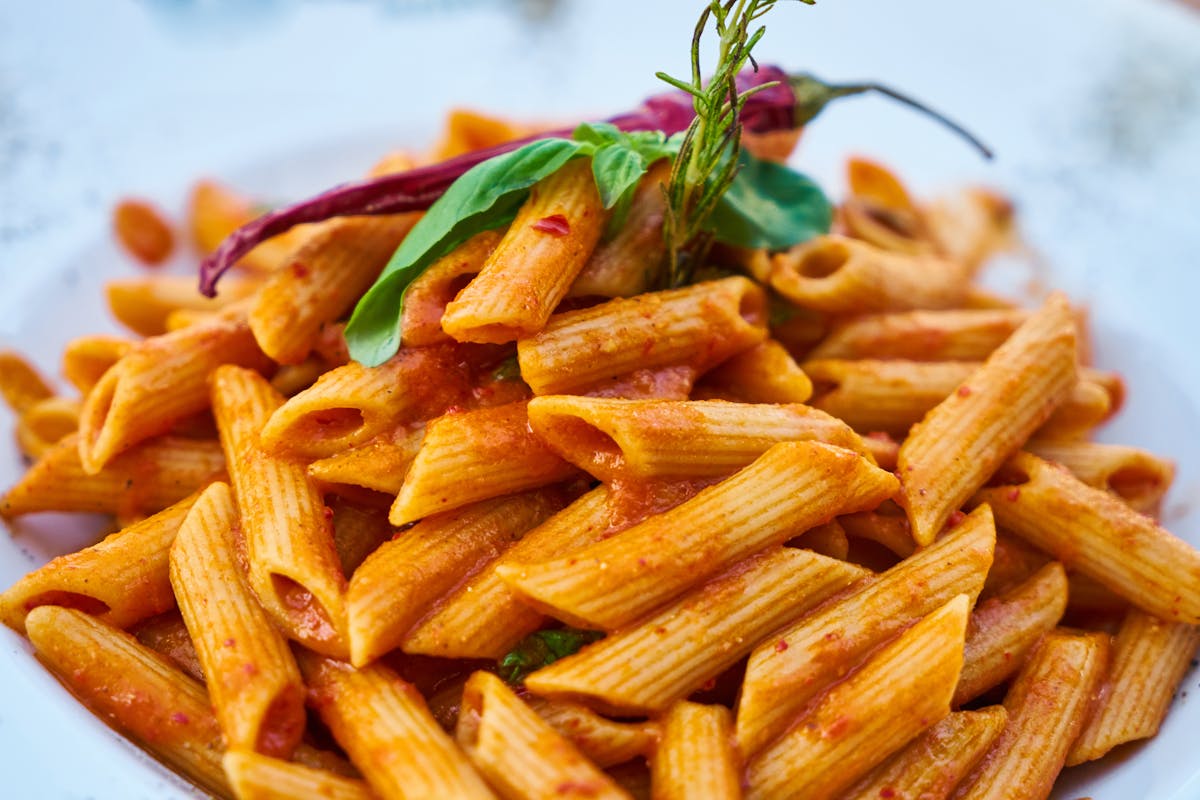
Think of this approach as a “super‑food cluster” rather than a single magic ingredient. When extra‑virgin olive oil, legumes, leafy greens, nuts, seeds, and fatty fish show up on your plate regularly, you get a delicious synergy of flavor, comfort, and science-backed benefits for heart health, weight management, and longevity.
Why Plant‑Forward Mediterranean Eating Is Trending Now
After years of extreme diet cycles, many people are craving something sustainable and sane—food that makes you feel good today and still fits your life in ten years. Mediterranean‑style, plant‑forward eating is stepping into that space.
- Evidence fatigue with fads: Big, long‑term studies keep pointing to Mediterranean‑style patterns as protective for the heart, brain, and metabolism, while flashy “detoxes” rarely deliver lasting results.
- Longevity and healthspan buzz: Podcasts, YouTube channels, and books focused on aging well often highlight Mediterranean or “Blue Zones”‑inspired meals as a baseline, not a short‑term fix.
- Compatibility with modern tools: For people using GLP‑1 medications or managing weight, this way of eating is easy to scale up or down in portions while staying nutrient‑dense and cardioprotective.
It’s less about transformation in 30 days and more about feeling strong, clear‑headed, and satisfied year after year.
Core Features of a Mediterranean‑Inspired, Plant‑Forward Diet
Rather than strict rules, think of this as a set of friendly “nudges” that guide what ends up on your plate most of the time.
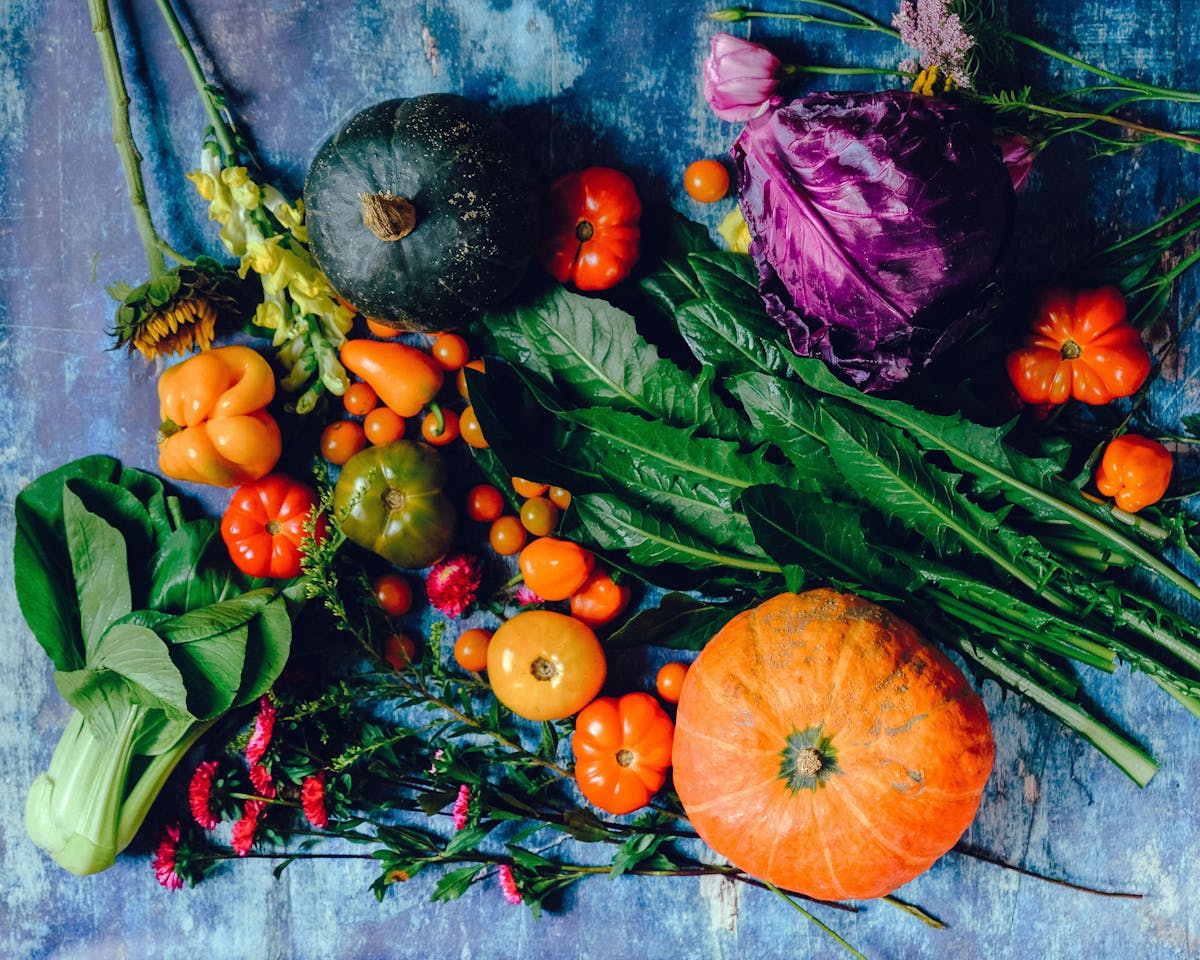
- Vegetables at nearly every meal – roasted peppers, grilled zucchini, leafy salads, tomato‑cucumber mixes, and plenty of onions and garlic.
- Fruits as daily staples – fresh berries, oranges, figs, apples, and grapes for natural sweetness and fiber.
- Legumes and whole grains – lentils, chickpeas, beans, farro, bulgur, barley, quinoa, and whole‑grain sourdoughs form the hearty backbone of many meals.
- Olive oil as the primary fat – especially extra‑virgin, rich in monounsaturated fats and antioxidant polyphenols.
- Moderate fish and seafood – salmon, sardines, mackerel, and anchovies a few times a week for omega‑3 fats.
- Modest amounts of animal products – red and processed meats are smaller and less frequent; fermented dairy like yogurt and kefir shows up in sensible portions.
- Herbs, spices, and bitter greens – parsley, basil, oregano, mint, thyme, arugula, and chicories add fragrance, freshness, and extra phytonutrients.
Evidence‑Backed Health Benefits
A huge body of research—especially from Mediterranean countries and long‑running cohort studies—supports this pattern as one of the most reliable for lifelong health.
- Cardioprotective: Associated with lower LDL (“bad”) cholesterol, improved blood vessel function, and reduced risk of heart attack and stroke.
- Metabolic support: The high fiber and healthy fats help stabilize blood sugar and support insulin sensitivity, which can aid weight management and energy levels.
- Anti‑inflammatory and antioxidant‑rich: Colorful plants and olive‑oil polyphenols fight oxidative stress and low‑grade inflammation.
- Longevity‑linked: Mediterranean‑style eating overlaps strongly with diets seen in “Blue Zones,” regions known for exceptional life expectancy and healthspan.
- Mood and brain benefits: Emerging research connects plant‑rich Mediterranean patterns with better cognitive aging and lower risk of depression.
A Flexible Pattern That Fits Real Life
One reason this way of eating keeps gaining traction across search engines and social feeds is how adaptable it is. You can lean fully vegetarian, include fish, or keep small amounts of meat, all within the same Mediterranean‑inspired framework.
It also plays nicely with busy schedules. Many core dishes are naturally one‑pan, quick‑sauté, or big‑batch friendly—perfect for meal prep Sundays or those nights when you can only spare 20 minutes.
- Budget‑friendly staples: Beans, lentils, seasonal vegetables, and whole grains are some of the most affordable foods in the grocery store.
- Culturally adaptable: You can take the principles—plants, whole foods, olive oil—and flavor them with your own heritage spices and cooking methods.
- Portion‑flexible: Whether your appetite is robust, lighter, or fluctuating (for example, on GLP‑1 medications), you can adjust quantities while keeping quality high.
What Plant‑Forward Mediterranean Meals Look Like
To make this concrete, imagine your day built around color, texture, and satisfying fat and fiber:
- Breakfast: Thick yogurt (or plant yogurt), drizzled with olive oil or honey, topped with walnuts, chia seeds, and sliced fruit; or whole‑grain toast with smashed avocado, tomato, and herbs.
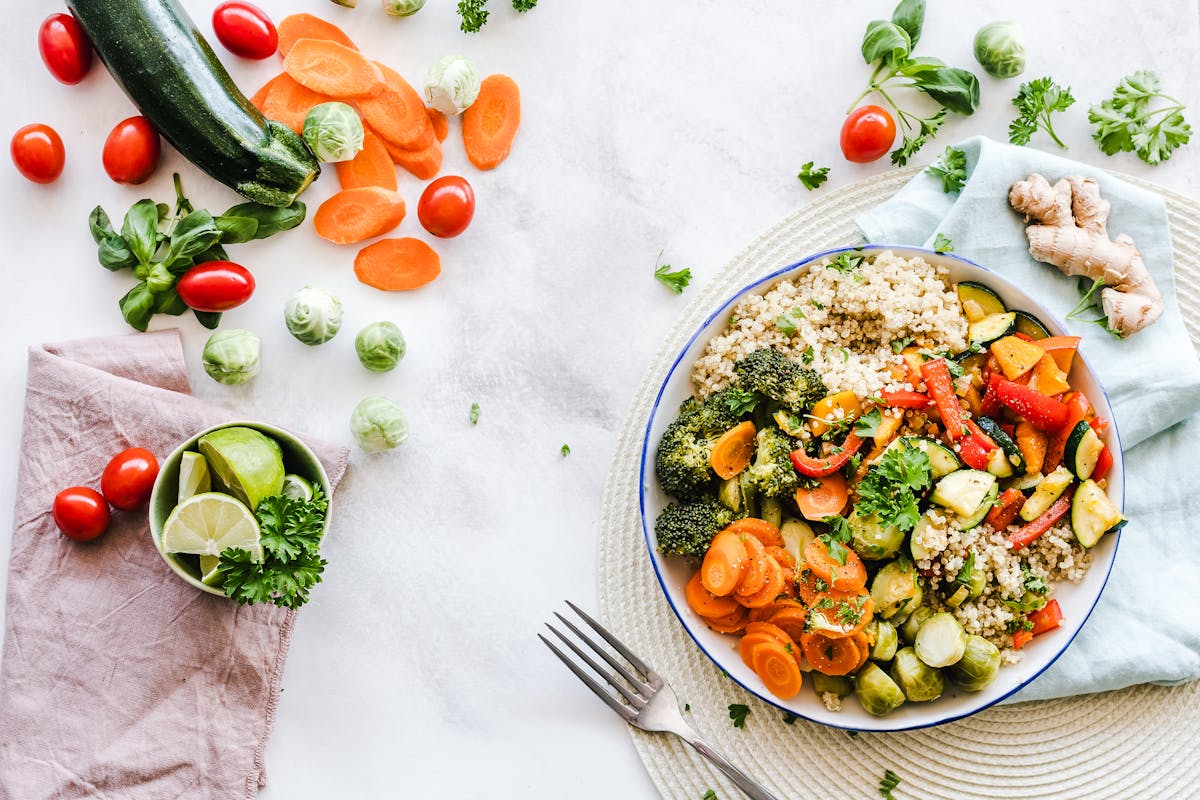
- Lunch: A grain bowl of farro or quinoa piled with roasted vegetables, chickpeas, olives, and a lemon‑garlic olive‑oil dressing.
- Snack: A small handful of nuts, a piece of seasonal fruit, or crunchy veggies dunked in hummus or baba ghanoush.
- Dinner: One‑pan roasted fish with tomatoes, fennel, and potatoes; or a hearty lentil stew with crusty whole‑grain bread and a peppery arugula salad.
Recipe: One‑Pan Mediterranean Chickpea & Veggie Bake
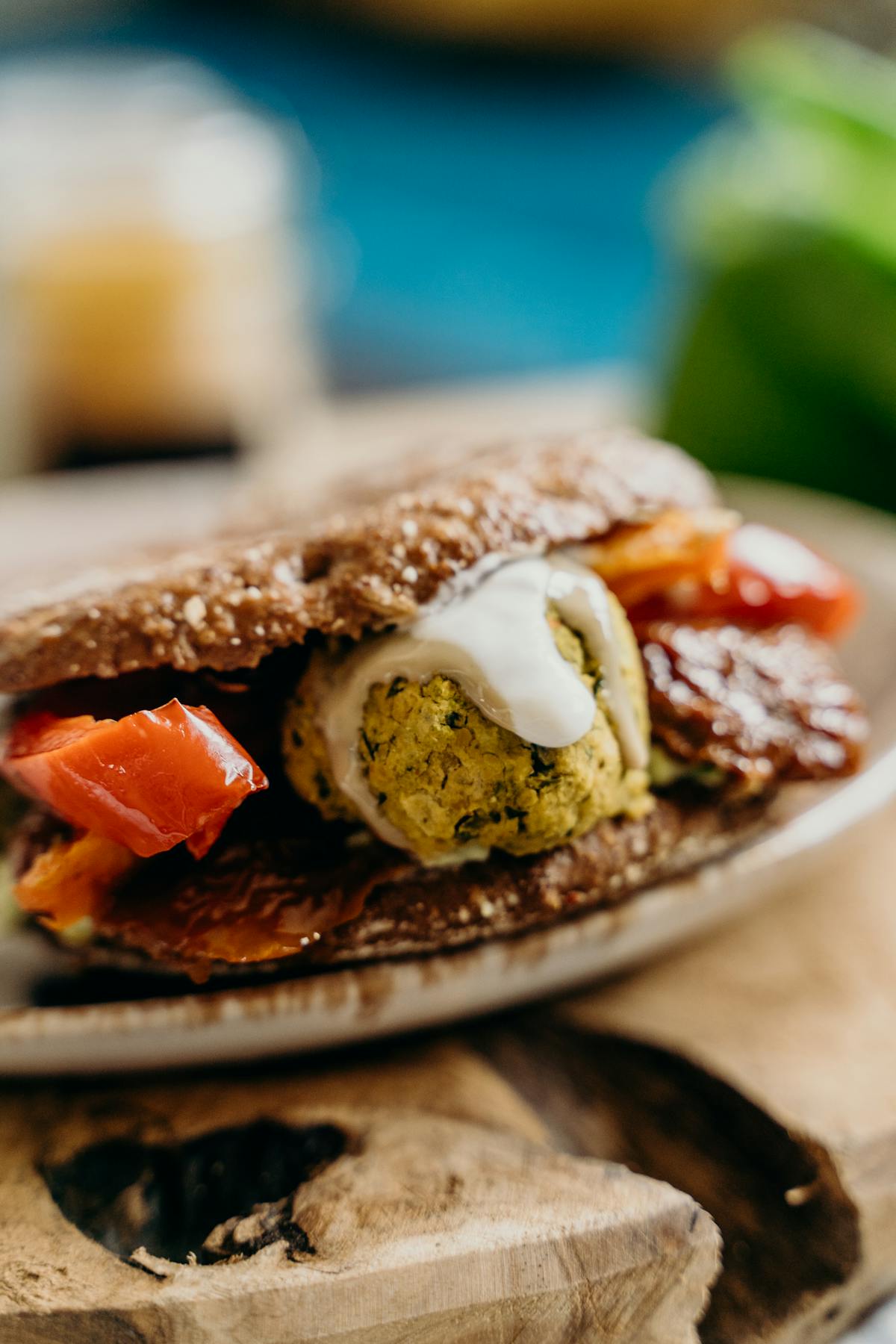
This plant‑forward sheet‑pan dinner captures the spirit of Mediterranean eating: humble ingredients, generous olive oil, and big, sun‑drenched flavor. It’s naturally vegetarian (vegan if you skip the feta) and relies heavily on pantry staples.
Quick Recipe Summary
Equipment
- Large rimmed baking sheet (or two smaller ones)
- Mixing bowl
- Chef’s knife and cutting board
- Measuring spoons and cups
- Wooden spoon or spatula
Ingredients
For the bake:
- 2 cans (15 oz / 400 g each) chickpeas, drained and rinsed
- 1 medium red onion, sliced into wedges
- 2 bell peppers (any color), cut into strips
- 1 medium zucchini, sliced into half‑moons
- 1 small eggplant, cut into 1.5 cm (½–¾ in) cubes (optional but lovely)
- 1 cup cherry or grape tomatoes
- 3 tbsp extra‑virgin olive oil
- 3 cloves garlic, minced
- 2 tsp dried oregano
- 1 tsp dried thyme or rosemary
- ½ tsp smoked paprika (optional, for depth)
- ½–1 tsp fine sea salt, to taste
- Freshly ground black pepper
For finishing and serving:
- Juice of ½–1 lemon
- ¼ cup chopped fresh parsley, basil, or mint (or a mix)
- ½ cup crumbled feta cheese (omit or use vegan feta for dairy‑free)
- Cooked whole grains (e.g., brown rice, farro, quinoa, or bulgur) for serving
- Extra olive oil for drizzling
Step‑by‑Step Instructions
- Preheat and prep the pan.
Preheat your oven to 200 °C / 400 °F. Line a large rimmed baking sheet with parchment paper for easier cleanup, if you like. - Chop the vegetables.
Cut the onion into wedges, slice the bell peppers into strips, the zucchini into half‑moons, and cube the eggplant (if using). Keep pieces roughly similar in size so they roast evenly. - Combine in a bowl.
In a large bowl, mix the chickpeas, onion, bell peppers, zucchini, eggplant, and tomatoes. - Season generously.
Add the olive oil, minced garlic, oregano, thyme or rosemary, smoked paprika (if using), salt, and pepper. Toss well until everything is lightly coated and glistening. - Spread on the baking sheet.
Transfer the mixture to the baking sheet in a single layer, avoiding too much overlap. This helps the vegetables roast and caramelize instead of steaming. - Roast until tender and golden.
Roast for 25–30 minutes, stirring once halfway through, until the vegetables are tender with browned edges and the chickpeas are slightly crisp. - Finish with brightness.
Remove from the oven. While still hot, squeeze lemon juice over the pan, sprinkle with chopped herbs, and gently toss. Taste and adjust salt, pepper, or lemon. - Serve.
Spoon the chickpea‑vegetable mixture over warm whole grains. Top with crumbled feta (if using) and an extra drizzle of olive oil. Serve right away.
Storage & Reheating
- Fridge: Store the cooled chickpea‑veggie mixture in an airtight container for up to 4 days.
- Freezer: It will freeze reasonably well for up to 2 months, though the vegetables will be softer after thawing.
- Reheating: Reheat in a skillet with a splash of water or olive oil over medium heat, or on a baking sheet at 180 °C / 350 °F for 10–15 minutes. The oven method helps revive some crisp edges.
Serving Ideas & Complementary Dishes
To turn this one‑pan dish into a full Mediterranean‑inspired spread, you can mix and match simple sides and condiments:
- Mezze platter: Serve alongside hummus, tzatziki or plant‑based yogurt dip, olives, and warm whole‑grain pita.
- Fresh salad: A crisp cucumber‑tomato‑red onion salad with lemon and olive oil for extra crunch and brightness.
- Leafy greens: Bitter greens like arugula or radicchio lightly dressed with olive oil and vinegar complement the sweetness of roasted vegetables.
- Soup starter: Begin with a simple lentil or vegetable soup for a full plant‑forward feast.
How to Ease Into Plant‑Forward Mediterranean Eating
You don’t need to overhaul your life overnight. Tiny, repeatable changes add up quickly and feel much more sustainable than a strict 30‑day reset.
- Start with one meal: Choose breakfast or dinner and give it a Mediterranean twist three times a week.
- Upgrade your fats: Swap butter or highly refined seed oils in everyday cooking for extra‑virgin olive oil where it makes sense.
- Add, don’t just subtract: Instead of focusing on what to cut, focus on adding an extra serving of vegetables or beans to your usual meals.
- Build a pantry “toolkit”: Keep chickpeas, lentils, canned tomatoes, olives, whole grains, and frozen vegetables on hand so a Mediterranean‑inspired meal is always 15–20 minutes away.
Recipe Structured Data
The following JSON‑LD markup provides structured data for search engines about the featured recipe:
