
Why Nearly 1,000 Measles Cases in Early 2026 Should Wake Us Up About Vaccination
Measles Cases Near 1,000 in Early 2026: What You Need to Know to Protect Your Family
In just the first two months of 2026, the United States has already recorded 982 measles cases, according to the Centers for Disease Control and Prevention (CDC). That’s more than four times the number seen at this point last year and a clear signal that a disease once considered “eliminated” in the U.S. is finding new footholds as vaccination rates drop.
If you’re feeling worried or confused—especially if you have kids, are pregnant, or live with someone who has a weakened immune system—you are not alone. This article breaks down what’s happening with the current measles surge, what the science says about risk and protection, and the practical, evidence-based steps you can take right now.
How Serious Is the Current Measles Situation in the U.S.?
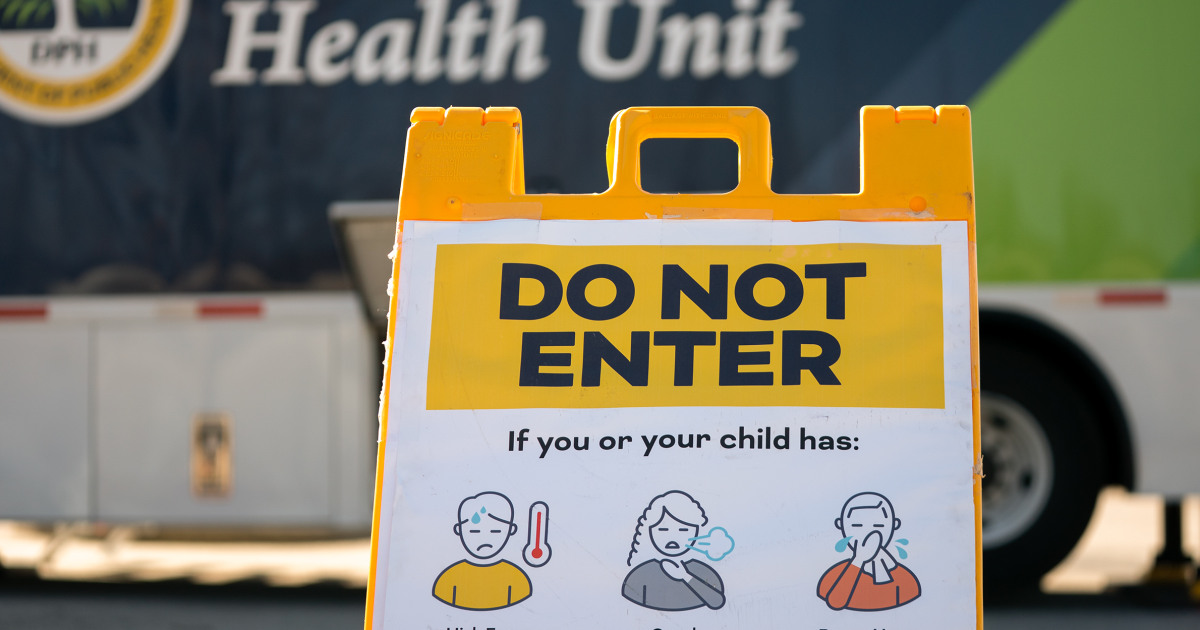
According to CDC data reported by NBC News, the U.S. has officially logged 982 measles cases in 2026 so far—before March has even begun. That’s:
- More than 4 times the number of cases compared with the same period in 2025
- On track to become one of the highest yearly totals in decades if trends continue
- Concentrated in communities with lower vaccination rates
While most healthy people recover from measles, the disease is far from “mild.” It can lead to complications such as:
- Pneumonia (lung infection)
- Ear infections that may cause hearing loss
- Encephalitis (swelling of the brain)
- Hospitalization and, in some cases, death
“Measles is one of the most contagious diseases we know of. In an unvaccinated population, one person can infect up to 18 others. That’s why even small drops in vaccination coverage can have big consequences.”
Measles 101: How It Spreads and Why It’s So Contagious
Understanding how measles spreads makes it easier to see why experts are concerned—and what protective steps actually work.
How measles spreads
Measles is caused by a virus that spreads mainly through:
- Respiratory droplets: When an infected person coughs, sneezes, or even talks
- Lingering in the air: The virus can stay in the air and on surfaces for up to two hours
- Shared spaces: Being in the same room—even after the sick person has left—can be enough to catch it if you’re unvaccinated
Measles is often contagious before the classic rash appears, which means someone can spread it without realizing they have it.
Early symptoms to watch for
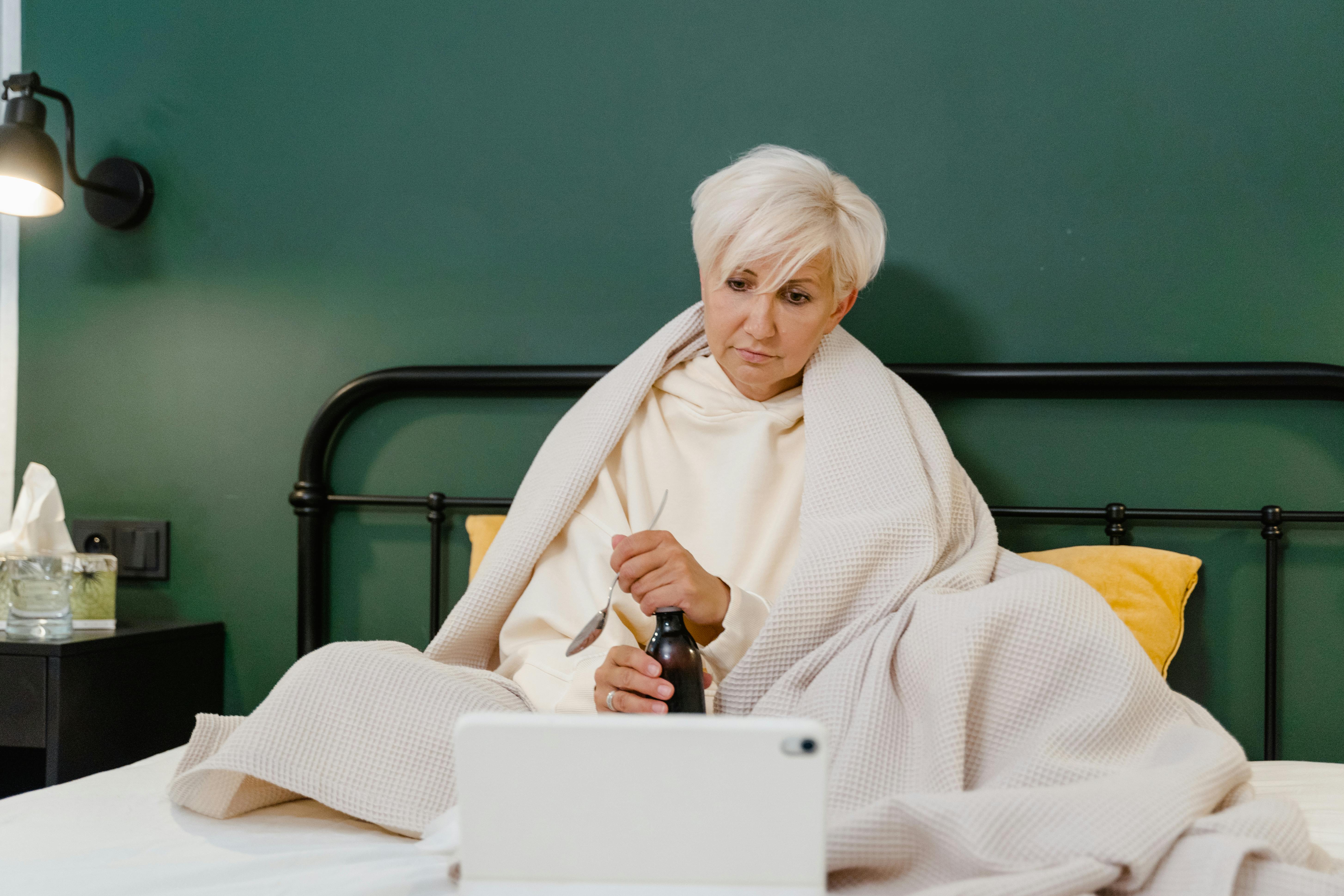
Early measles symptoms are easy to confuse with other illnesses:
- High fever
- Cough
- Runny nose
- Red, watery eyes
- Small white spots inside the cheeks (Koplik spots)
- Then, a red rash that usually starts on the face and spreads downward
Why Are Measles Cases Rising Again in 2026?
The spike in 2026 measles cases isn’t random. It reflects a mix of factors that experts have been warning about for years.
1. Gaps in routine childhood vaccination
During the COVID-19 pandemic, many families missed or delayed routine checkups. Global data from the World Health Organization and UNICEF show that millions of children worldwide fell behind on basic vaccines, including MMR. In the U.S., even small local drops below about 95% coverage can create pockets where measles spreads easily.
2. Clusters of unvaccinated people
Measles doesn’t need the whole country to be undervaccinated—just small clusters. When vaccination rates are low in a school, neighborhood, or religious community, one imported case (for example, from travel) can set off an outbreak.
3. Misinformation and fear
Social media has amplified myths about measles and vaccines. Understandably, parents want to do what’s safest for their children, but confusing or misleading information can lead to hesitancy or delays in getting shots—leaving kids vulnerable during outbreaks.
“Outbreaks are rarely due to ‘bad luck.’ They happen where the virus finds enough unvaccinated people gathered together. Our decisions about vaccination affect not only ourselves, but everyone around us.”
How the MMR Vaccine Protects You and Your Community
The MMR vaccine has been used for decades and is the cornerstone of measles prevention. Decades of research and real-world use show that it is both highly effective and generally very safe for most people.
Effectiveness
- 1 dose of MMR: about 93% protection against measles
- 2 doses of MMR: about 97% protection
That remaining few percent means breakthrough infections can happen, but vaccinated people are less likely to have severe disease or to spread the virus as widely.
Herd immunity and protecting the vulnerable
Some people can’t receive the vaccine, such as:
- Babies who are too young for the first dose
- People with certain immune system disorders or on strong immune-suppressing medications
- Some people with severe allergies to vaccine components
When enough of us are vaccinated, we create a protective “buffer” around these vulnerable people. This is often called herd immunity. For measles, experts estimate we need around 95% of people vaccinated in a community to keep outbreaks from taking off.

Who Needs a Measles (MMR) Vaccine or Booster in 2026?
Vaccine guidance can feel confusing, especially if your records are incomplete or you were vaccinated in another country. While only your clinician can give personalized advice, here is how public health guidelines generally break down:
Children
- First dose: 12–15 months of age
- Second dose: 4–6 years of age (often given before kindergarten)
Adults born in 1957 or later
Many adults have either already had measles or got vaccinated as children. You may need MMR if:
- You never received MMR or are unsure of your vaccination history
- You are a college student, healthcare worker, or international traveler without proof of immunity
- Your community is experiencing a measles outbreak and local health officials recommend catch-up doses
Blood tests can sometimes check for “measles immunity,” but many clinicians prefer simply giving MMR to people who are likely not immune and have no medical reason to avoid the vaccine.
7 Practical Steps to Protect Yourself and Your Community from Measles
Knowing the numbers is useful, but what you really need is a clear plan. Here are practical, evidence-informed steps you can start today.
- Check your vaccination records
Look for MMR doses in your and your children’s immunization records or patient portal. If anything is missing, unclear, or from another country, note your questions for your clinician. - Schedule catch-up vaccines if needed
Contact your primary care office, community health center, or local health department to ask about catch-up MMR. Many areas offer low-cost or free vaccines for children and, in some cases, adults. - Talk openly with a trusted clinician
If you’re unsure or worried about side effects, ask. A good clinician should welcome your questions, walk through risks and benefits, and respect that this is a big decision. - Know your local measles situation
Check your local or state health department website for outbreak updates and specific recommendations for schools, workplaces, or travelers. - Limit exposure during outbreaks
If you or your child are not fully vaccinated and there’s a local outbreak, your clinician may advise avoiding crowded indoor spaces or certain high-risk settings until you’re protected. - Practice respectful conversations about vaccines
Many families are divided on this issue. Staying curious, calm, and compassionate makes it easier to share reliable information without damaging relationships. - Support community-level prevention
Encourage your school, workplace, or faith community to share factual information from trusted sources like the CDC, WHO, or local health departments.

Common Concerns About Measles Vaccines—and What the Evidence Shows
If you’re feeling hesitant, you’re not “anti-science”—you’re human. Here are some common worries and what large, well-designed studies have found.
“I heard MMR is linked to autism.”
This claim traces back to a single small study that has since been retracted for serious misconduct. Multiple large studies, involving hundreds of thousands of children in several countries, have found no link between MMR vaccination and autism.
“I’m worried about side effects.”
Like any medication, vaccines can cause side effects. For MMR, common ones include:
- Soreness or redness at the injection site
- Mild fever
- Temporary rash
Serious side effects are very rare. Public health agencies continuously monitor vaccine safety and investigate potential signals. So far, data support that benefits outweigh risks for the vast majority of people.
“I had measles as a kid—am I protected?”
Many people who grew up before widespread vaccination likely have natural immunity if they truly had lab-confirmed measles. But memories can be fuzzy, and some childhood rashes get misremembered as measles. Your clinician can help you decide whether a blood test or vaccination makes sense.

A Real-World Story: How One Community Stopped a Measles Outbreak
A few years ago, a small U.S. community experienced a measles outbreak after an unvaccinated traveler returned from overseas. Over a few weeks, cases climbed rapidly, mainly among unvaccinated children and their close contacts.
Local health officials, school leaders, and community faith organizations worked together to:
- Offer extended vaccination clinic hours, including evenings and weekends
- Provide information sessions with local pediatricians to answer questions
- Temporarily exclude unvaccinated students during the peak of the outbreak, as allowed by law
Within a few weeks, vaccination rates rose significantly and the outbreak slowed, preventing additional hospitalizations and potential deaths. This example, while anonymized here, is consistent with how rapid vaccination campaigns have controlled outbreaks in several U.S. states during the last decade.
The turning point wasn’t fear—it was trust. Once families had direct access to local clinicians who listened to their concerns, many chose vaccination to protect their kids and neighbors.
Trusted Resources for Up-to-Date Measles and Vaccine Information
For the latest guidance and data on measles cases in 2026, rely on organizations that base their recommendations on transparent, peer-reviewed science:
- CDC Measles (Rubeola) Information
- CDC MMR Vaccine: What You Need to Know
- World Health Organization: Measles
- American Academy of Pediatrics (AAP) – Parent-friendly vaccine FAQs
- Your local or state health department website for area-specific outbreak updates
Moving Forward: Turning Concern into Informed Action
The fact that the U.S. has already logged 982 measles cases in early 2026 is a serious warning—but it’s also an opportunity. Measles is one of the few major infectious diseases we have the tools to almost completely prevent.
You don’t have to become an expert overnight. Start with small, concrete steps:
- Confirm your and your children’s MMR vaccine status
- Book a conversation with a trusted healthcare professional
- Share accurate, calm information with friends and family
When individual families take these steps, communities become safer—even for those who can’t be vaccinated themselves. That’s how we move from worrying headlines to meaningful protection.
Your next step: Within the next 48 hours, locate your vaccine records or patient portal and schedule time with your clinician if anything is unclear. One short conversation today can prevent a serious illness tomorrow.
