
Why the Mediterranean Diet and Blue Zones Way of Eating Are Taking Over Your Feed
The Mediterranean Diet Goes Mainstream (Again) with a Blue Zones Twist
The Mediterranean diet is having one of its biggest renaissances yet, and this time it’s holding hands with the Blue Zones way of living—those remarkable regions like Okinawa, Sardinia, and Ikaria where people routinely live long, vibrant lives. Documentaries, podcasts, and endless social media clips are turning “eat like the Mediterranean” and “Blue Zones recipes” into everyday inspiration rather than distant theory.
At its heart, this movement is delightfully simple: real food, cooked with care, eaten in good company. Think deeply colored vegetables, silky extra-virgin olive oil, brothy bean stews, herby whole grains, and the occasional piece of fish or glass of wine—all woven into a lifestyle that celebrates movement, community, and purpose.
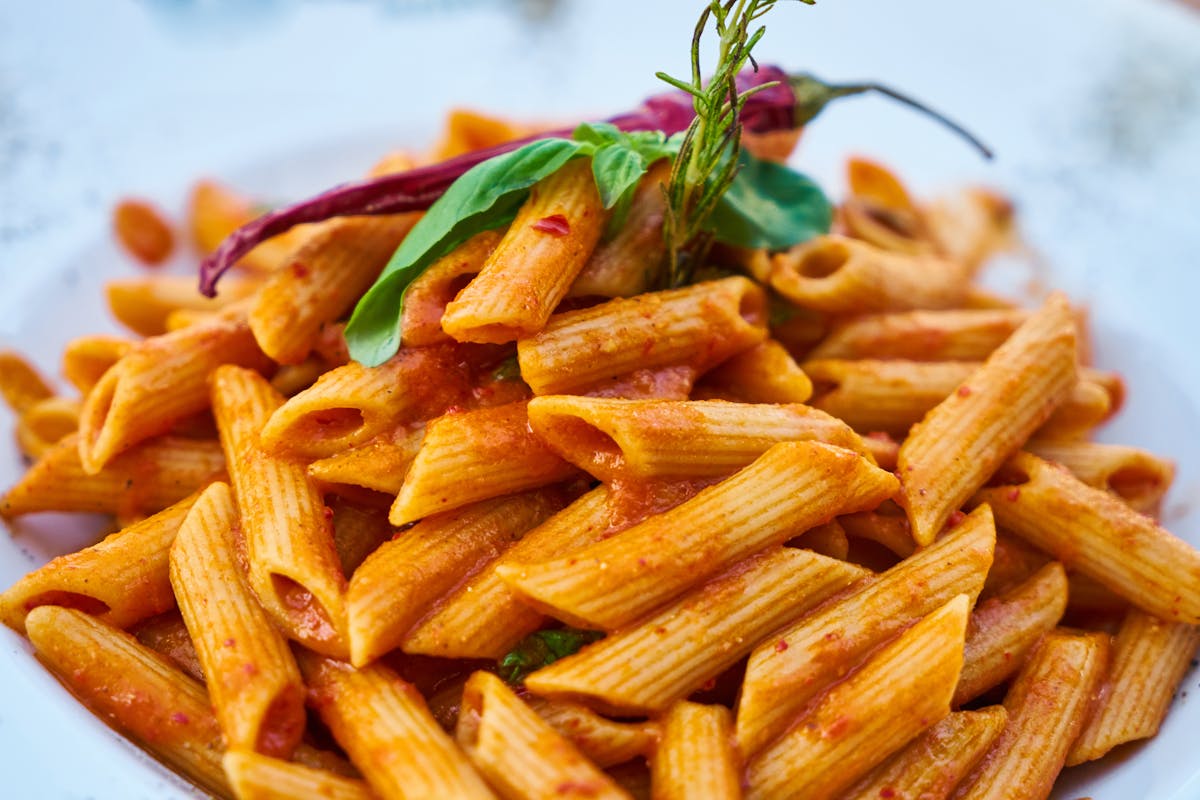
Why the Mediterranean & Blue Zones Diets Are Trending Now
Nutrition scientists have loved the Mediterranean diet for decades, but public interest has surged again as it’s blended with the story-rich world of Blue Zones. Streaming platforms showcase villagers in Ikaria or Sardinia cooking slow-simmered beans and sharing long lunches outdoors, while influencers translate those scenes into “What I eat in a day, Mediterranean style” videos.
On Google Trends, searches for phrases like “Mediterranean diet meal plan,” “Blue Zones recipes,” and “longevity diet” spike repeatedly. On TikTok and YouTube, creators share:
- Chickpea and lentil stews fragrant with garlic and herbs
- Greek-inspired salads loaded with tomatoes, cucumbers, olives, and fresh herbs
- Olive-oil-roasted vegetables with crisp, caramelized edges
- Sardine or mackerel toast as an omega‑3‑rich snack
- Bean-based pastas and whole-grain bowls
For many people weary of restrictive celebrity diets, this feels like a breath of fresh air: no strict calorie counting, no powders or potions—just generous plates of fiber-rich, minimally processed food.

Core Principles of Mediterranean & Blue Zones Eating
Despite the hype, the foundations are wonderfully down-to-earth. Most traditional Mediterranean and Blue Zones patterns share a few non‑negotiables:
- Plants at the center of the plate: Abundant vegetables and fruits, often in season, cooked simply with olive oil, garlic, and herbs.
- Legumes as a staple protein: Beans, chickpeas, and lentils show up daily in soups, stews, and spreads.
- Whole grains instead of refined: Barley, farro, oats, brown rice, and whole-grain breads.
- Healthy fats: Extra‑virgin olive oil as the primary fat; nuts and seeds for crunch and richness.
- Modest animal protein: Regular but moderate fish; minimal red and processed meat.
- Very limited ultra‑processed foods: Packaged snacks, sugary drinks, and fast food are rare visitors.
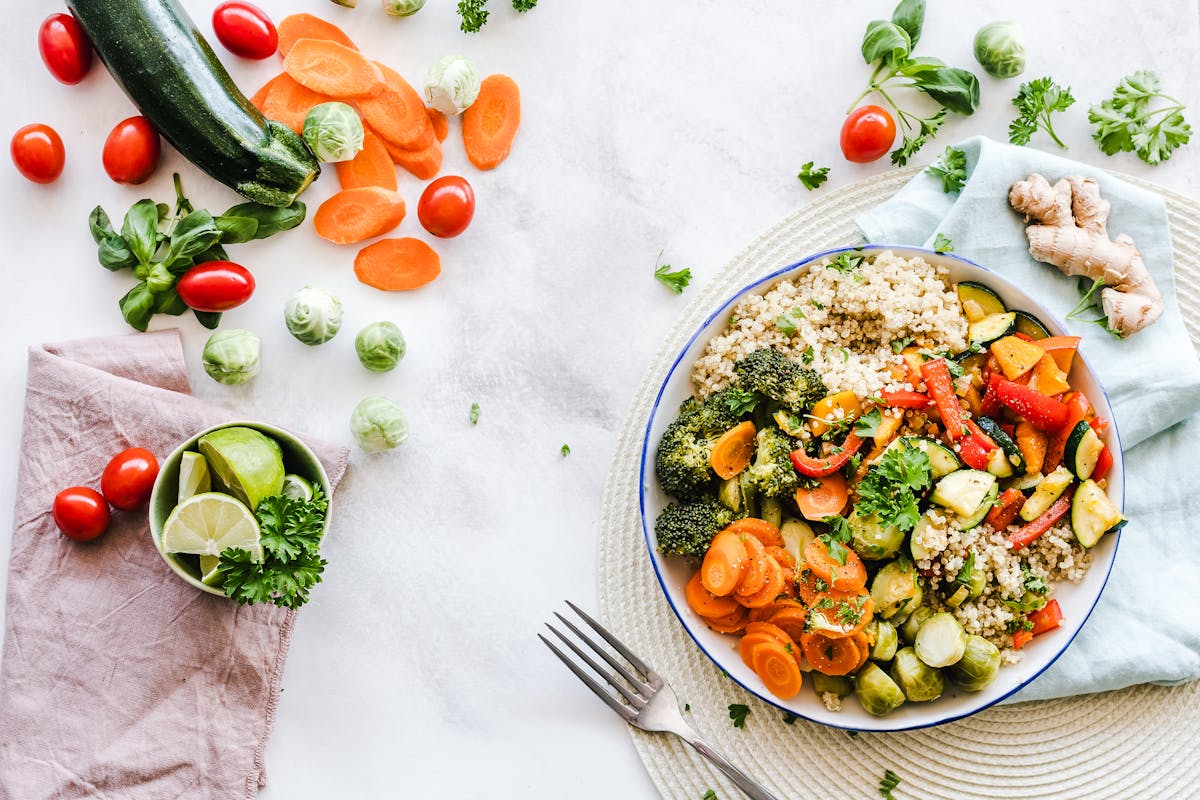
Beyond the Plate: The Lifestyle Side of Blue Zones
A crucial part of the renewed Mediterranean–Blue Zones buzz is the realization that food is just one piece of the puzzle. Blue Zones storytelling focuses as much on how people live as on what they eat:
- Daily natural movement: Walking hills, tending gardens, climbing stairs instead of formal “workouts.”
- Strong social connections: Regular shared meals, community events, and supportive networks.
- Stress reduction: Built‑in pauses—siestas, tea rituals, prayer, or quiet time.
- Sense of purpose: A clear reason to get up in the morning, whether it’s family, craft, or community service.
Nutrition creators and health professionals on podcasts and long‑form interviews increasingly frame Mediterranean-style eating as part of this holistic approach to healthspan—living more years in good health—rather than just another short-term weight‑loss plan.
“It’s not only what’s on the plate, but who you share it with, how slowly you eat, and the life you return to after the meal that seem to matter most in Blue Zones.”
Longevity Meets Sustainability: The Environmental Appeal
Another reason Mediterranean and Blue Zones patterns are resonating—especially with younger eaters—is their alignment with environmental concerns. These diets are:
- Plant-forward: Beans, grains, vegetables, and fruits naturally require fewer resources than heavy meat diets.
- Low in waste: Traditional cooking often uses leftovers creatively and values nose-to-tail or root-to-leaf approaches.
- Minimal packaging: More meals come from markets and home kitchens than from ultra‑processed, individually wrapped items.
On platforms like Instagram and X (Twitter), conversations about climate-friendly eating often showcase Mediterranean-style plates: a chickpea and tomato stew instead of a fast‑food burger, or a vibrant grain salad replacing processed ready meals.
A Blue Zones–Inspired Recipe: Rustic Mediterranean Chickpea & Lentil Stew
To bring this trend into your own kitchen, here’s a comforting, Blue Zones–inspired Rustic Mediterranean Chickpea & Lentil Stew. It’s vegan, high in fiber, filled with olive oil and vegetables, and exactly the kind of dish you can imagine simmering in a Sardinian or Ikariote kitchen on a cool evening.
Prep time: 15 minutes
Cook time: 35–40 minutes
Total time: ~50–55 minutes
Servings: 4 generous bowls
Difficulty: Easy (great for beginners)
Diet: Vegan, Mediterranean, high-fiber

Ingredients for Rustic Mediterranean Chickpea & Lentil Stew
Measurements are designed for reliability, but feel free to lean into the Mediterranean spirit and adjust seasonings to taste.
Pantry & legumes
- 2 tbsp extra‑virgin olive oil
- 1 medium yellow onion, finely chopped
- 3 cloves garlic, minced
- 1 medium carrot, diced
- 1 celery stalk, diced
- 1 cup dried brown or green lentils, rinsed
- 1 can (15 oz / ~425 g) chickpeas, drained and rinsed
- 1 can (14.5 oz / ~410 g) diced tomatoes (no added salt if possible)
- 4 cups (about 1 liter) low‑sodium vegetable broth
Herbs, spices & flavor
- 1 tsp ground cumin
- 1 tsp smoked or sweet paprika
- 1 tsp dried oregano or thyme
- 1 bay leaf
- Salt and freshly ground black pepper, to taste
- Juice of 1/2 lemon (about 1–2 tbsp), plus more to taste
- 2 tbsp chopped fresh parsley or cilantro, for serving
Optional additions
- 2 cups chopped leafy greens (spinach, kale, or chard)
- 1 small zucchini, diced
- 1–2 tbsp extra olive oil for drizzling at the end
- Chili flakes, if you like gentle heat

Equipment You’ll Need
- Large heavy-bottomed pot or Dutch oven with lid
- Cutting board and sharp knife
- Wooden spoon or spatula
- Measuring cups and spoons
- Ladle for serving
Nothing fancy here—this is everyday home cooking, true to the spirit of Blue Zones kitchens.
Step-by-Step Instructions
Follow these steps and remember: a gentle simmer and a little patience are where the magic happens. Taste as you go, and trust your senses.
- Soften the aromatics.
Warm 2 tbsp olive oil in your pot over medium heat. Add the chopped onion, carrot, and celery with a pinch of salt. Cook, stirring occasionally, for 6–8 minutes until the vegetables are soft and the onions are translucent and slightly golden at the edges. - Add garlic and spices.
Stir in the minced garlic, cumin, paprika, and dried oregano or thyme. Cook for 1 minute, just until fragrant. You should smell a warm, savory aroma—take care not to let the garlic brown. - Layer in lentils, chickpeas, and tomatoes.
Add the rinsed lentils, chickpeas, and canned tomatoes (with their juices). Stir to coat everything in the aromatic oil and spices. - Pour in broth and simmer.
Add the vegetable broth and bay leaf. Increase heat to bring the pot to a gentle boil, then reduce to a low simmer. Partially cover and cook for 25–30 minutes, stirring occasionally, until the lentils are tender but not falling apart. - Add optional vegetables.
If using zucchini or leafy greens, stir them in during the last 5–10 minutes of cooking so they soften but retain some color and texture. - Finish with lemon, herbs, and olive oil.
Remove the bay leaf. Stir in the lemon juice and chopped parsley or cilantro. Taste and adjust with more salt, pepper, or lemon as desired. For extra Mediterranean richness, drizzle 1–2 tbsp more olive oil over the stew before serving. - Serve and enjoy slowly.
Ladle into warm bowls. Serve with a slice of whole‑grain bread or a scoop of brown rice, and—true to Blue Zones tradition—enjoy unrushed, ideally in good company.
Storage, Reheating, and Make-Ahead Tips
- Refrigeration: Cool completely, then store in an airtight container in the fridge for up to 4 days. The flavors deepen with time—very Blue Zones!
- Freezing: Portion into freezer‑safe containers, leaving a little room at the top. Freeze for up to 3 months.
- Reheating: Warm gently on the stove over low‑medium heat, adding a splash of water or broth if it has thickened. You can also microwave in short bursts, stirring between each.
- Next‑day upgrades: Serve leftovers over greens as a warm salad, spoon over roasted vegetables, or tuck into a whole‑grain pita with fresh tomato and cucumber.
How to Serve It: Mediterranean & Blue Zones Pairings
To build a full Mediterranean-style meal around this stew, try one or two of these simple additions:
- A chopped salad of tomatoes, cucumber, red onion, olives, and fresh herbs with lemon and olive oil
- Grilled or roasted seasonal vegetables (eggplant, zucchini, peppers, fennel)
- A small bowl of olives or a spoonful of hummus with raw vegetables
- Whole‑grain sourdough or barley bread for dipping into the broth
If you do drink alcohol and your healthcare provider agrees it’s safe for you, a small glass of red wine with the meal mirrors traditional Mediterranean practice—but it’s completely optional and not necessary for the health benefits.
Bringing the Mediterranean–Blue Zones Mindset Into Your Daily Life
The Mediterranean diet’s latest wave of popularity isn’t about chasing a trend; it’s about rediscovering the pleasure of real food and the power of simple routines. Blue Zones storytelling has helped many of us see that longevity isn’t built on strict rules or exotic superfoods, but on humble daily choices repeated over years.
If you’re just starting out, you don’t need a perfect meal plan. Begin with one or two small steps:
- Cook a bean‑based meal like this stew once a week.
- Add an extra serving of vegetables to your usual dinner.
- Swap butter for extra‑virgin olive oil in your cooking.
- Take a short walk after meals, or share dinner with a friend when you can.
Over time, those little habits—rooted in Mediterranean and Blue Zones traditions—can gently reshape both your plate and your life. And along the way, you get to enjoy bowls of fragrant, comforting food that nourish body and soul.
