
Why Measles Is Back in North Carolina This Winter – And How to Protect Your Family
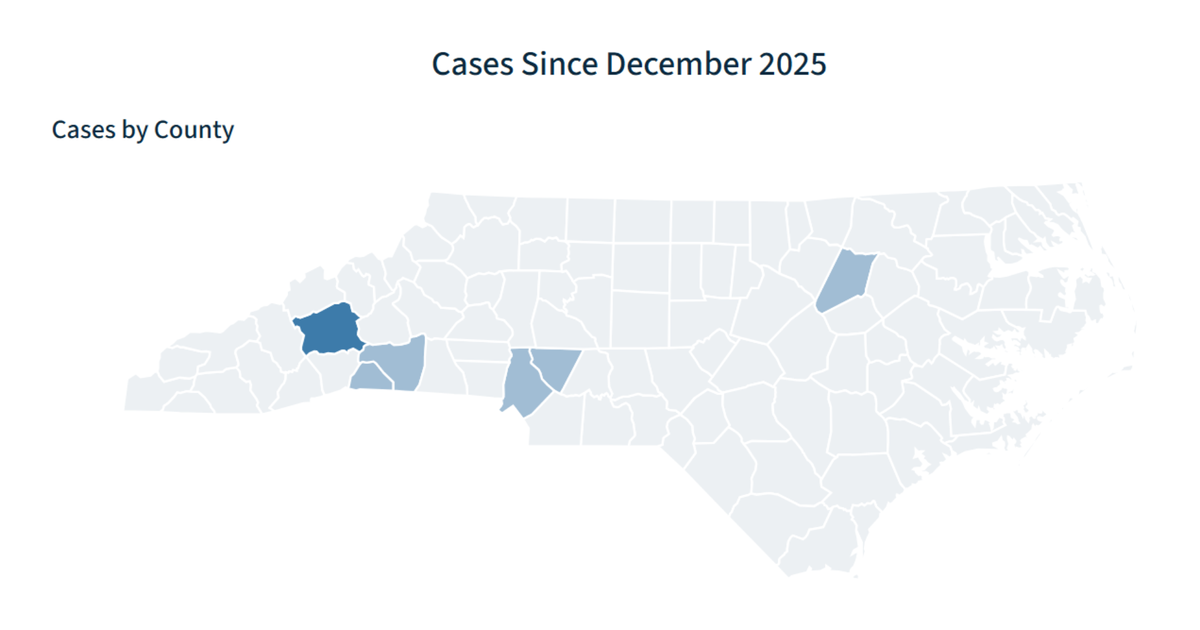
This winter, North Carolina has seen something many parents hoped was firmly in the past: measles. According to state health data, 15 people have been diagnosed, almost all of them under 17, and one person has been hospitalized — the first measles-related hospitalization reported in the state during this outbreak. About three-quarters of those infected were not vaccinated.
If you’re a parent or caregiver, it’s completely understandable to feel worried or even overwhelmed. You may be wondering how serious this really is, whether your child is protected, or what to do if you’re unsure about vaccines.
In this guide, we’ll walk through what’s happening in North Carolina, what measles actually looks like in real life, and the practical steps you can take today to protect yourself, your family, and your community — without panic, and without hype.
“Measles is one of the most contagious viruses we know. The best protection we have is still the MMR vaccine, which has decades of safety and effectiveness data behind it.”
— Infectious disease specialist, summarizing CDC guidance
What’s Happening in North Carolina Right Now?
Based on the latest state health department reports:
- 15 measles cases have been confirmed in North Carolina this winter.
- All but one of the cases are in people under age 17.
- Approximately 74% of those infected were not vaccinated against measles.
- One person has been hospitalized, marking the first measles-related hospitalization in this outbreak.
Public health officials are still investigating the exact exposure sources and whether there are specific clusters (such as schools, community gatherings, or travel-related cases). Even without every detail, the pattern is familiar: when vaccination rates dip, measles finds the gaps.
Measles 101: Why This Virus Spreads So Easily
Measles is a highly contagious viral illness that spreads through droplets and tiny particles in the air when an infected person coughs or sneezes. Those particles can hang in the air and remain infectious for up to two hours.
In practical terms, that means:
- Up to 90% of unvaccinated people who are exposed will get measles.
- One sick person can infect 12–18 others in a susceptible group.
- People are contagious before they realize they are seriously ill.
Symptoms usually appear 7–14 days after exposure and may include:
- High fever (often 103–105°F or 39.4–40.5°C).
- Cough, runny nose, and red, watery eyes.
- Tiny white spots inside the mouth (Koplik spots).
- Red, blotchy rash that starts on the face and spreads downward.
For many, measles means several miserable days. But for some — especially babies, pregnant people, and those with weakened immune systems — it can lead to pneumonia, encephalitis (brain swelling), or even death.
Who Is Most at Risk in This Outbreak?
The data from North Carolina mirror what we see elsewhere: children bear the brunt when measles returns. Nearly all of the recent cases have been in people under 17, highlighting key risk groups:
- Infants under 12 months who are too young for their first routine MMR shot.
- Children and teens who are unvaccinated or only partially vaccinated.
- People with weakened immune systems (for example, on chemotherapy or certain immune-suppressing medications).
- Pregnant individuals who are not immune, due to higher risk of complications.
Public reports indicate that around 74% of North Carolina’s recent measles cases occurred in people who had not received the measles vaccine. This does not mean the vaccine is “failing”; it reflects where the virus can spread most easily.
How Well Does the Measles (MMR) Vaccine Work?
The measles, mumps, and rubella (MMR) vaccine has been in use for over 50 years and is one of the most studied vaccines we have. According to the U.S. Centers for Disease Control and Prevention (CDC) and decades of research:
- One dose of MMR is about 93% effective at preventing measles.
- Two doses are about 97% effective.
- Serious side effects are very rare, and most reactions are mild and temporary (like a sore arm or low-grade fever).
“Large scientific studies from multiple countries have consistently found no link between the MMR vaccine and autism or developmental disorders.”
— Summary of findings from the CDC, WHO, and major medical journals
The standard schedule recommended by the CDC and the American Academy of Pediatrics:
- First dose: 12–15 months of age.
- Second dose: 4–6 years of age.
Practical Steps: How to Protect Your Family Today
You do not need to overhaul your entire life to respond appropriately to this outbreak. Focus on a few concrete, evidence-based actions:
1. Check Vaccination Records
- Look for “MMR” on your child’s vaccination record and note the dates.
- If you’re unsure, call your pediatrician or family doctor. They can access your vaccine history and advise on catch-up shots.
- Adults born in or after 1957 should generally have at least one documented measles-containing shot, unless they have lab-confirmed immunity.
2. Get Up to Date If Needed
If your child has missed doses or you’re uncertain:
- Schedule a visit with your healthcare provider or local health department clinic.
- Ask specifically about MMR catch-up and any outbreak-related recommendations in your county.
- Keep a copy (photo or paper) of your updated vaccine record for school, daycare, or travel.
3. Know When to Call the Doctor
Contact your healthcare provider before going in person if:
- Your child develops a high fever and rash, especially if you know of possible measles exposure.
- You or your child are unvaccinated and have been in a setting where measles was reported (for example, certain schools, clinics, or flights mentioned by public health alerts).
Calling ahead helps protect other patients in the waiting room, especially infants and immunocompromised people.
4. Follow Local Public Health Guidance
NCDHHS and local health departments may:
- Release lists of potential exposure sites and dates.
- Recommend temporary exclusion of unvaccinated children from certain schools or activities after an exposure.
- Hold special vaccination clinics or extended hours.
Checking their official websites or social media accounts once or twice a week is usually sufficient to stay informed without feeling overwhelmed.
Common Concerns and How Families Are Working Through Them
Health decisions are personal, and many parents carry understandable worries. Here are some of the most common concerns I hear, and how families have navigated them — grounded in current evidence.
“I’m Worried About Side Effects.”
Almost all medications and vaccines have potential side effects. With MMR, the most frequent are mild: soreness at the injection site, low-grade fever, or a brief rash. Serious reactions are very rare — much rarer than the complications of measles itself.
One North Carolina parent shared with a local clinician that they delayed vaccines out of fear after reading alarming posts online. During this outbreak, they scheduled a visit just to talk — no shots guaranteed. After going through their questions one by one, they chose to start a catch-up schedule that felt safe and manageable for them.
“I’ve Heard Conflicting Things Online.”
Social media can surface extreme stories that do not reflect what typically happens. When you feel pulled in a dozen directions, it can help to:
- Ask your pediatrician or nurse practitioner which 1–2 websites they recommend for vaccine information.
- Look for sources that cite peer-reviewed research and major health organizations (CDC, WHO, American Academy of Pediatrics).
- Be cautious of content that relies on anecdotes alone, especially if it dismisses all scientific data.
“We’re Busy, and It’s Hard to Make Appointments.”
Between work, school, and life, scheduling can feel like the last straw. Some families have found it easier to:
- Ask about walk-in vaccine clinics at local health departments or pharmacies (for eligible ages).
- Combine routine checkups with vaccination so it’s one trip.
- Schedule appointments at the same time as a friend or relative so you can help each other with transportation or childcare.
Measles and Community Health: Why Your Choices Matter
Measles outbreaks are often a visible sign of gaps in community protection. When vaccination rates stay high — usually above about 95% — measles struggles to spread. When those rates drop, especially in clusters, the virus can move quickly through schools, neighborhoods, and extended families.

Your decision to vaccinate does two important things:
- Protects you and your family from a preventable disease and its complications.
- Builds a shield around vulnerable neighbors who depend on community immunity to stay safe.
In North Carolina’s current situation, each family that checks records, catches up on missed doses, or asks thoughtful questions of their clinician is part of the solution — regardless of where they started.
When to Seek Urgent or Emergency Care
Most children with measles can be cared for at home with guidance from a healthcare provider. However, seek urgent medical help immediately (call your provider or emergency services) if a person with suspected or confirmed measles:
- Has difficulty breathing, fast breathing, or bluish lips/face.
- Is unusually drowsy, confused, or hard to wake.
- Has seizures.
- Shows signs of dehydration (very few wet diapers, no tears when crying, dry mouth, or not drinking).
Before and After Vaccination: What Changes?
No intervention offers a 100% guarantee, but the difference vaccination makes with measles is substantial.
| Aspect | Without Measles Vaccination | With Recommended MMR Doses |
|---|---|---|
| Chance of illness after exposure | Up to about 90% | About 3% or less (97% protected) |
| Risk of complications (pneumonia, encephalitis) | Significantly higher | Much lower; serious outcomes become rare |
| Impact on community spread | Outbreaks more likely and harder to control | Outbreaks less likely; easier to contain |
These numbers are based on large population studies and reflect averages — individual risk can vary. But overall, vaccination shifts the odds dramatically in your favor.
Where to Find Reliable, Up-to-Date Information
Because local recommendations can change quickly during an outbreak, it is important to rely on current, official sources. For North Carolina residents, consider bookmarking:
- North Carolina Department of Health and Human Services (NCDHHS) – for statewide measles updates, clinic information, and guidance.
- CDC Measles (Rubeola) Resource Page – for national data, vaccine facts, and travel alerts.
- HealthyChildren.org (American Academy of Pediatrics) – for parent-focused explanations and FAQs.
Moving Forward: Calm, Informed, and Protected
Hearing that 15 people — mostly children — in North Carolina have come down with measles this winter, and that one has needed hospitalization, can stir up understandable fear. But it can also be a powerful prompt to pause, review, and take a few focused steps to protect the people you love.
You do not need to become an infectious disease expert. You simply need:
- A clear sense of your family’s vaccination status.
- A trusted clinician or clinic you can ask questions.
- Reliable, up-to-date information from public health authorities.

If you’re feeling uncertain, your next step can be as simple as calling your doctor’s office or local health department and saying:
“I’ve heard about the measles cases in North Carolina and I’d like to make sure my family is protected. Can we review our vaccination records and talk through any questions?”
From there, you and your care team can chart a path that fits your values, your schedule, and your family’s specific needs — while helping to close the door on measles in your community.
