
Why High-Protein, Pro-Metabolism Meals Are Taking Over: A Muscle-Centric Cooking Guide
High-Protein, Pro-Metabolism Eating & A Muscle-Centric Power Bowl Recipe
From 2024 into early 2026, the nutrition world has been quietly (and not so quietly) rewriting the rules: instead of chasing a smaller number on the scale, people are chasing stronger, more energetic bodies. High‑protein, “pro‑metabolism,” muscle‑centric diets are everywhere—on TikTok, YouTube, podcasts, and in supermarket aisles packed with protein‑boosted foods. At the heart of this movement is a simple idea: build and protect your muscle, and your metabolism, blood sugar, and long‑term health all benefit.
In this guide, we’ll unpack the muscle‑centric nutrition trend—why it matters for healthy aging, GLP‑1 medication users, and anyone tired of restrictive dieting—and then dive into a vibrant, high‑protein recipe: a customizable Muscle‑Centric High‑Protein Power Bowl that’s perfect for breakfast, lunch, or dinner.
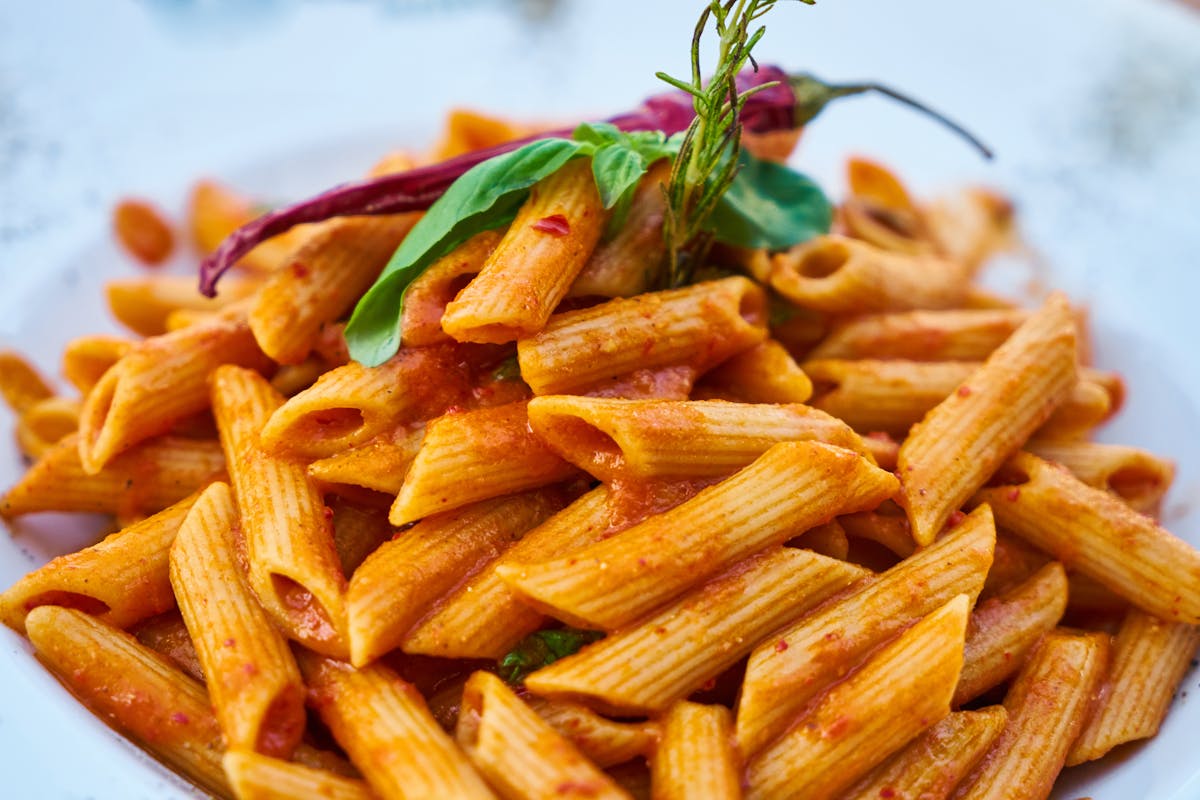
The Rise of Muscle‑Centric, High‑Protein Diets (2024–2026)
The latest wave in nutrition is all about muscle preservation and metabolic health. Instead of crash diets that slash calories, creators and clinicians are encouraging people to:
- Eat more high‑quality protein throughout the day.
- Lift weights or do resistance training 2–4 times per week.
- Fuel that muscle with whole‑food carbohydrates and enough overall calories.
The language has shifted too—searches for “high‑protein breakfast,” “protein‑forward dinner,” and “muscle‑centric medicine” keep climbing. Instead of “burn as many calories as possible,” the new mantra is:
Build and protect muscle now, so your body can take care of you later.

What’s Driving the Pro‑Metabolism, High‑Protein Trend?
1. Longevity & Healthy Aging
Longevity and “healthspan” content has exploded. A consistent theme from evidence‑based doctors and dietitians is that skeletal muscle is a vital organ—strongly linked to insulin sensitivity, mobility, bone health, and resilience as we age. Protein is being reframed as a “longevity macronutrient”, not just something for bodybuilders.
2. GLP‑1 Medications & Lean Mass
With GLP‑1 weight‑loss drugs (like semaglutide) in the spotlight, clinicians are emphasizing that rapid weight changes often involve both fat and muscle loss. Social feeds are full of reminders: “On Ozempic? You need more protein and resistance training.” High‑protein, muscle‑preserving meals—especially at breakfast and lunch—are recommended to help protect lean mass.
3. Protein‑Boosted Convenience Foods
Supermarket shelves are now lined with high‑protein yogurts, puddings, bars, chips, cereals, and ready‑to‑drink shakes. Shoppers search and share content like:
- “Best high‑protein snacks”
- “20g protein yogurt taste test”
- “Protein cereal ranking”
These foods make it easier to hit higher protein targets, but dietitians still remind us that whole foods—eggs, dairy, fish, poultry, lean meats, tofu, tempeh, beans, and lentils—should be the backbone of a pro‑metabolism diet.
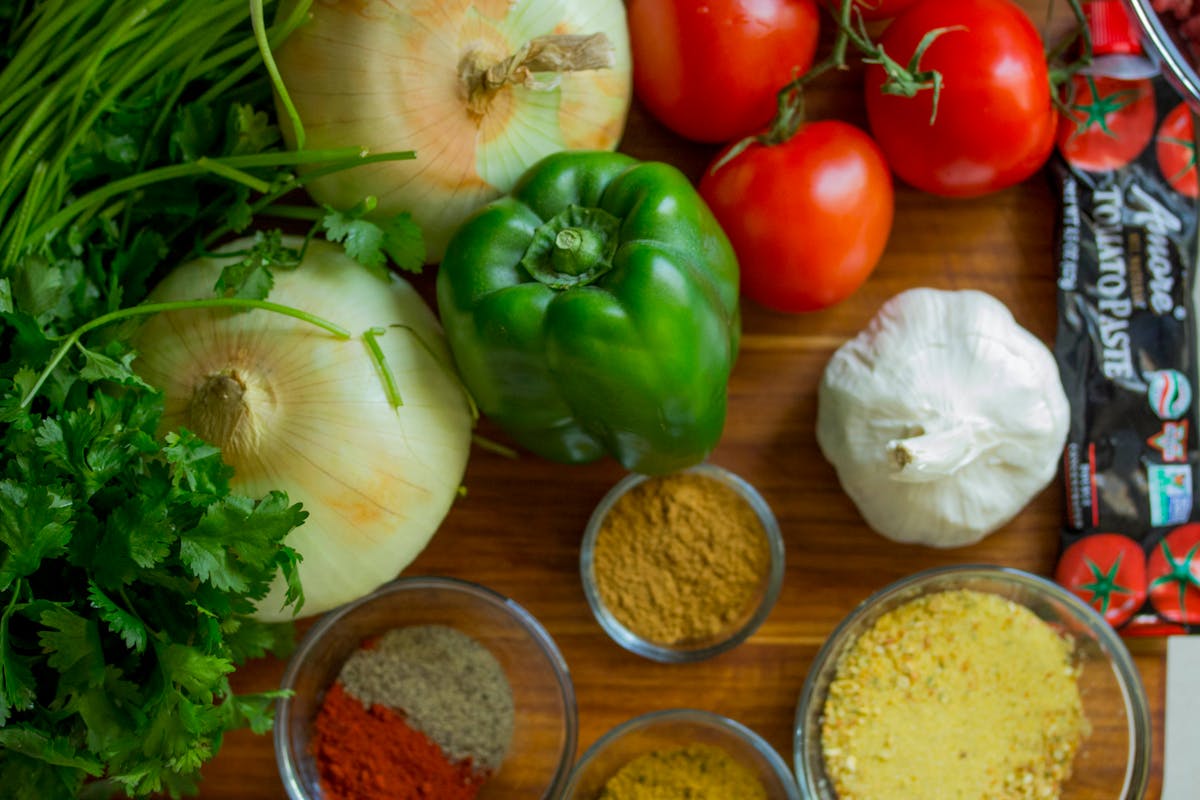
Muscle‑Centric Nutrition Basics: How Much Protein, and When?
Many evidence‑based practitioners now suggest higher protein intakes than the old RDA, especially for active people or anyone in a calorie deficit.
- Daily protein range: roughly 1.6–2.2 g of protein per kilogram of body weight for active individuals or those dieting.
- Per‑meal target: about 25–40 g of high‑quality protein per meal to maximize muscle protein synthesis.
- Distribution: instead of a tiny protein breakfast and a giant protein dinner, the trend is to spread protein evenly across meals.
The pro‑metabolism approach also pairs protein with:
- Sufficient calories to avoid chronic under‑eating.
- Strength training 2–4 times weekly.
- Carbohydrates from whole foods—fruits, vegetables, potatoes, oats, rice, and other grains—to fuel training and recovery.
In other words, this isn’t about punishment or deprivation. It’s about eating enough, eating well, and giving your muscles a reason to stay.
Benefits, Pitfalls & How to Stay Balanced
Why Pro‑Metabolism, High‑Protein Diets Appeal
- Higher resting energy expenditure thanks to more lean mass.
- Better blood sugar stability, especially when protein anchors meals.
- Improved body composition—less “skinny‑fat,” more functional strength.
- Enhanced satiety, making it easier to stick with calorie‑appropriate eating.
Common Critiques & How to Navigate Them
- “Protein junk food” – Bars, cookies, and chips with long ingredient lists can be helpful occasionally, but leaning on them too heavily may crowd out fiber‑rich, micronutrient‑dense foods.
- Fiber neglect – It’s possible to focus so much on protein that fruits, vegetables, legumes, and whole grains get sidelined.
- Overemphasis on numbers – Chasing gram counts can feel obsessive; the core idea is to support your body, not stress it.
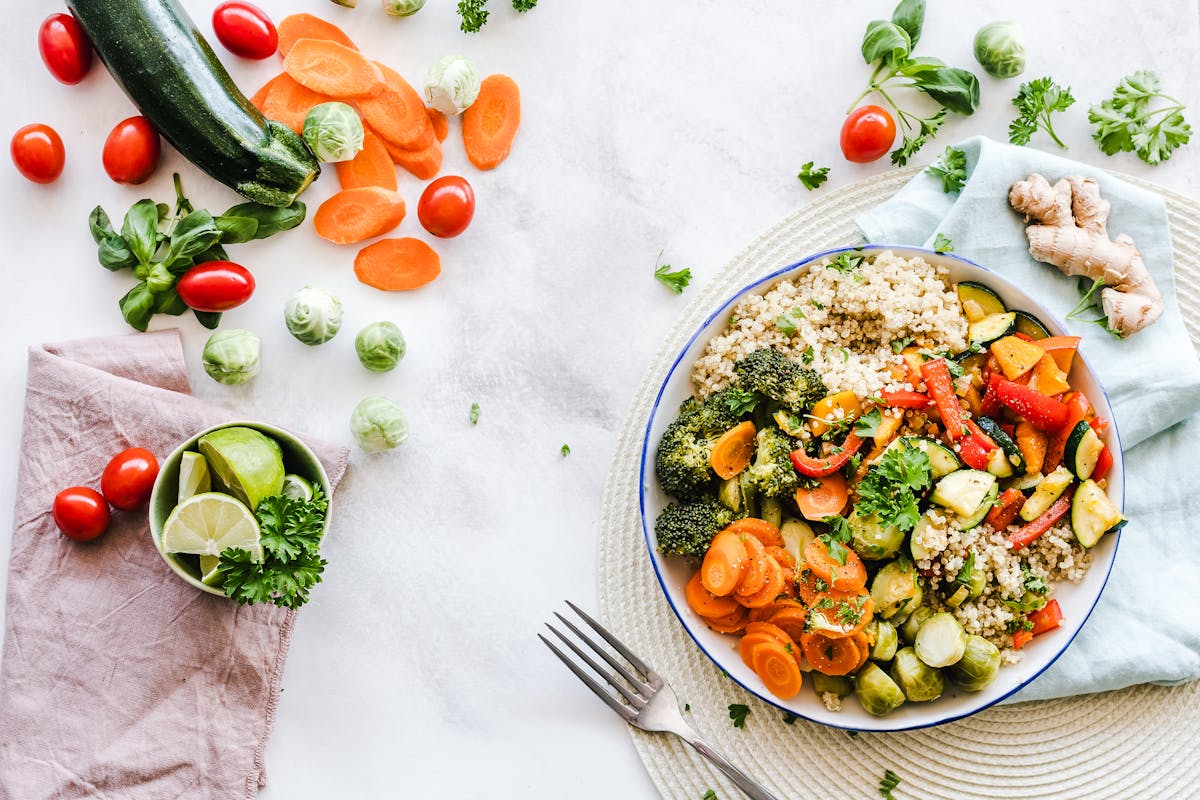
Muscle‑Centric High‑Protein Power Bowl (Pro‑Metabolism Friendly)
This bowl is built for muscle preservation, satiety, and blood‑sugar stability. It layers a high‑quality protein (chicken or tofu), fiber‑rich whole grains, colorful vegetables, and a bright, tangy yogurt‑tahini sauce. Think of it as a template: swap the protein, grains, and veggies to match your taste, season, and dietary needs.
Recipe Summary
Prep time: 20 minutes
Cook time: 20 minutes
Total time: ~40 minutes
Servings: 2 hearty bowls
Difficulty: Easy–Intermediate
Equipment
- Cutting board and sharp knife
- Medium pot (for grains)
- Large skillet or grill pan
- Small bowl (for sauce)
- Mixing bowl (for tossing vegetables)
Ingredients
For the Protein
- 300 g (about 10.5 oz) boneless, skinless chicken breast or extra‑firm tofu, pressed
- 1 tbsp olive oil or avocado oil
- 1 tsp smoked paprika
- 1 tsp garlic powder
- 1/2 tsp ground cumin
- 1/2 tsp fine sea salt (or to taste)
- 1/4 tsp black pepper
For the Grain & Veggie Base
- 1/2 cup (dry) quinoa, brown rice, or farro, rinsed
- 1 cup water or low‑sodium broth (for cooking the grain)
- 1 cup chopped leafy greens (spinach, kale, or arugula)
- 1 small cucumber, diced
- 1 small carrot, shredded or julienned
- 1/2 red bell pepper, thinly sliced
- 1/2 cup cherry tomatoes, halved
- 1 tbsp extra virgin olive oil (for the veggies)
- 1–2 tsp lemon juice
- Salt and pepper to taste
For the Yogurt‑Tahini Pro‑Metabolism Sauce
- 1/2 cup plain Greek yogurt (2% or 5% for extra creaminess)
- 1 tbsp tahini
- 1 tsp lemon zest (optional but bright and delicious)
- 1 tbsp lemon juice
- 1 small garlic clove, finely grated or minced
- 1–2 tbsp water, to thin as needed
- Pinch of salt and pepper
Optional Toppings (Highly Recommended)
- 2 tbsp toasted pumpkin seeds or sliced almonds
- Fresh herbs (parsley, cilantro, or dill), chopped
- Chili flakes for gentle heat
Step‑by‑Step Instructions
- Cook the grain base.
Add the rinsed quinoa (or your chosen grain) and water/broth to a medium pot. Bring to a boil over medium‑high heat, then reduce to a gentle simmer, cover, and cook until tender (about 15 minutes for quinoa; follow package instructions for other grains). Remove from heat, fluff with a fork, and keep covered.
- Season the protein.
Pat the chicken or tofu dry with paper towels. In a small bowl, mix the olive oil, smoked paprika, garlic powder, cumin, salt, and pepper. Rub this mixture over the chicken or tofu, coating evenly.
- Cook the protein.
Heat a large skillet or grill pan over medium‑high heat. Add a light drizzle of oil if needed, then cook:
- Chicken: 5–7 minutes per side, until golden and cooked through (internal temperature 74°C / 165°F).
- Tofu: 3–4 minutes per side, until crisp and browned at the edges.
Transfer to a plate and let rest for a few minutes, then slice into strips or cubes.
- Prepare the fresh veggie mix.
In a mixing bowl, combine the leafy greens, cucumber, carrot, bell pepper, and tomatoes. Drizzle with olive oil and lemon juice, then season lightly with salt and pepper. Toss gently until everything glistens and smells bright and fresh.
- Whisk the yogurt‑tahini sauce.
In a small bowl, whisk together Greek yogurt, tahini, lemon zest, lemon juice, and garlic. Add 1–2 tablespoons of water, a little at a time, until the sauce is creamy and spoonable. Season with a pinch of salt and pepper. Taste: you’re looking for tangy, nutty, and slightly garlicky.
- Assemble the bowls.
Divide the warm grains between two wide bowls. Add a generous handful of the veggie mix to each. Top with sliced chicken or tofu.
Spoon the yogurt‑tahini sauce over the protein and vegetables. Sprinkle with toasted seeds or nuts, fresh herbs, and chili flakes if you like a little heat.
- Serve & enjoy mindfully.
Serve immediately, while the grains and protein are warm and the vegetables are crisp and cool. As you eat, notice how the textures play together: juicy tomatoes, crunchy seeds, tender protein, and creamy sauce—this kind of sensory satisfaction is a secret weapon for sustainable, high‑protein eating.
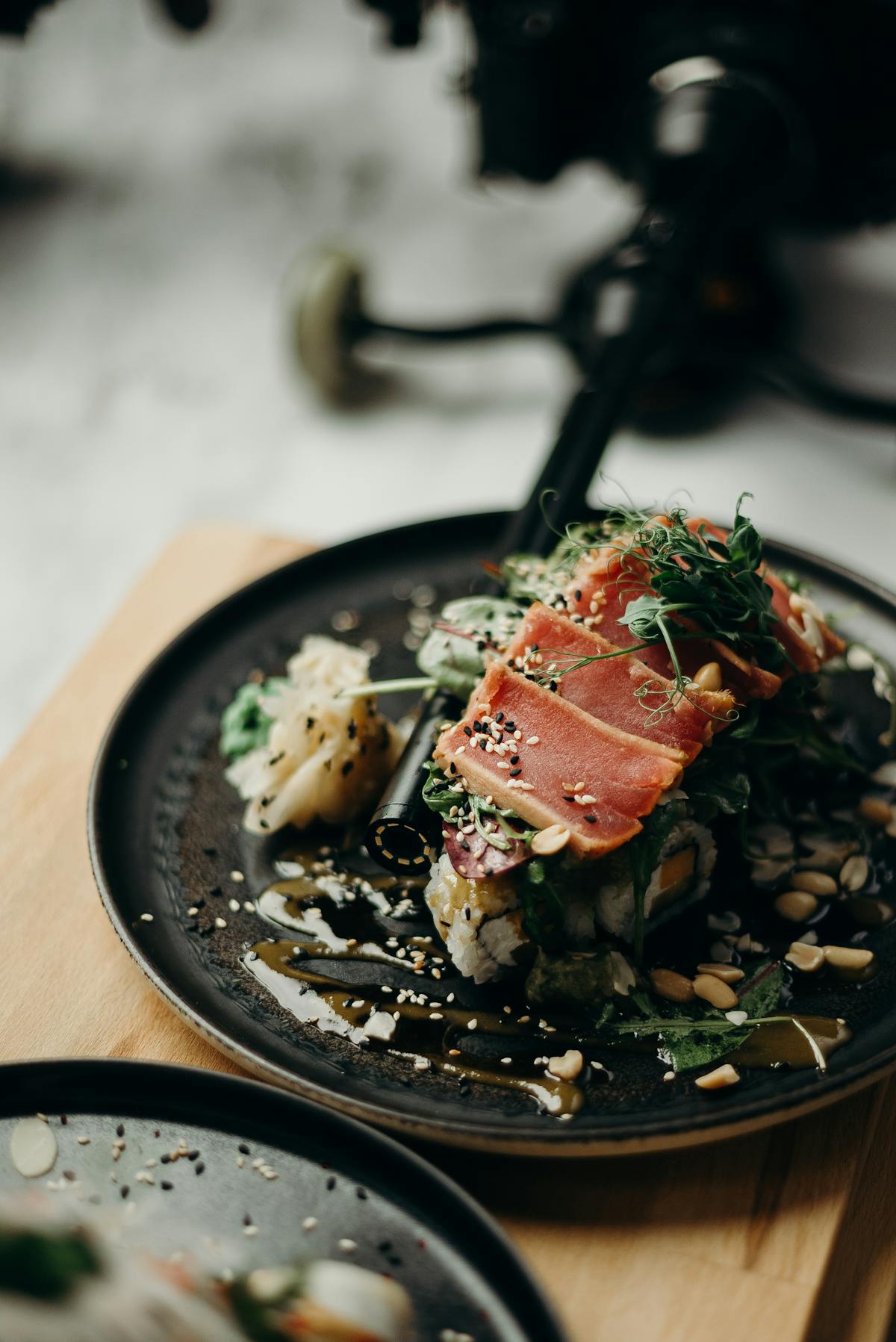
Storage & Reheating
These high‑protein bowls store well and make excellent meal‑prep options, especially if you keep components separate.
- Cooked protein: Store in an airtight container in the fridge for up to 3–4 days. Reheat gently in a skillet over low heat or in the microwave until warmed through.
- Cooked grains: Refrigerate for up to 4 days. Sprinkle with a little water before reheating to bring back fluffiness.
- Fresh veggies: Best eaten within 2 days for maximum crunch. Store undressed if possible.
- Yogurt‑tahini sauce: Keeps in the fridge for 3–4 days. It may thicken slightly; whisk in a teaspoon of water or lemon juice to loosen.
For grab‑and‑go meals, you can pre‑assemble bowls in containers, keeping the sauce in a small separate jar. Add the sauce just before eating so everything stays fresh and vibrant.
Serving Ideas & Complementary Dishes
This muscle‑centric power bowl is a complete meal on its own, but you can easily round it out depending on your goals, appetite, and training schedule.
- For extra protein: Add a soft‑boiled egg, a scoop of cottage cheese on the side, or a small protein‑rich yogurt for dessert.
- For more carbs (post‑workout): Double the grain portion or add a side of roasted sweet potatoes or whole‑grain pita.
- For more greens: Serve with a simple salad—mixed leaves, olive oil, lemon, and a pinch of salt.
- For a cozy dinner: Pair with a light broth‑based soup full of vegetables and beans or lentils.
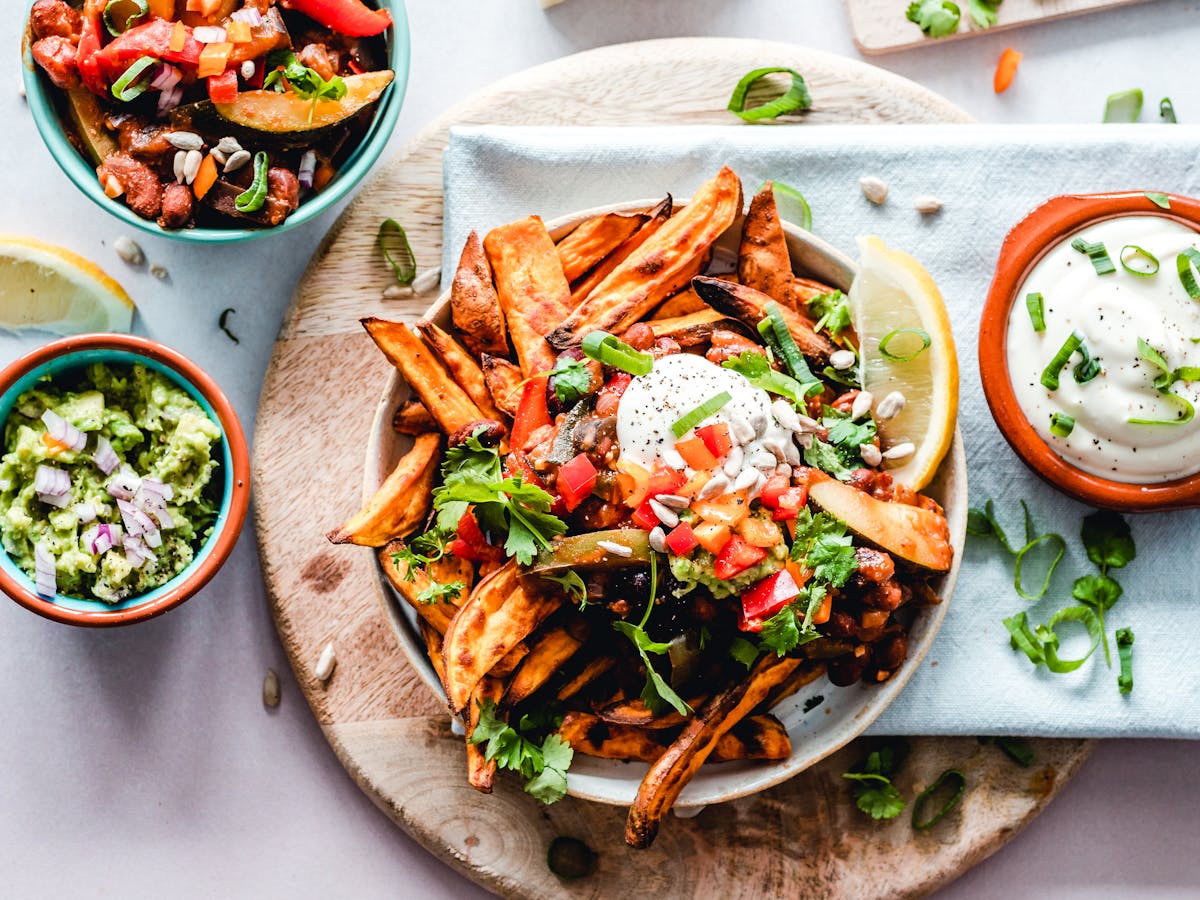
However you serve it, let this bowl remind you that high‑protein, pro‑metabolism eating can be joyful, colorful, and deeply satisfying—no extreme restriction required.
Recipe Metadata
The following structured data helps search engines understand this high‑protein, muscle‑centric recipe:
