
Why Heart Disease Is Rising in Younger Women (and What You Can Do About It Today)
By Health Editorial Team
The quiet rise of heart disease in younger women
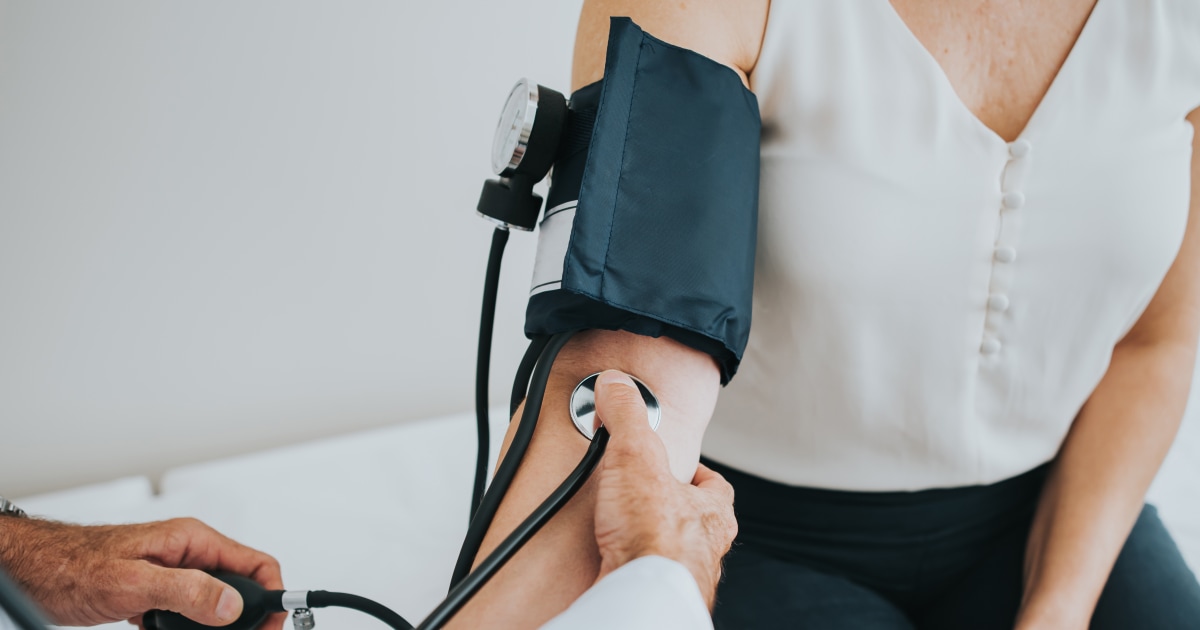
For years, many women in their 20s, 30s and early 40s have worried more about breast cancer than their heart. Yet new projections shared by the American Heart Association (AHA), and reported by outlets such as NBC News, show a different reality: without stronger prevention and earlier detection, the number of women living with cardiovascular disease is expected to rise substantially over the next 25 years — especially among younger women.
If you are juggling work, family, and a never‑ending to‑do list, it can feel overwhelming to think about “one more health thing.” You are not alone. But understanding what is happening — and why — can help you take small, realistic steps that protect your heart and brain for decades to come.
“Heart disease is not just a ‘man’s disease’ or an ‘older person’s disease.’ We are seeing risk factors rise in younger women, and that will translate into more heart attacks and strokes if we don’t act now.”
— American Heart Association scientific statement, summarized in recent media coverage
Why are heart disease and stroke expected to rise in younger women?
Cardiovascular disease (CVD) — an umbrella term for heart disease and stroke — is already the leading cause of death for women worldwide. The concern now is not only how many women are affected, but how early problems are starting. Large U.S. and international data sets reviewed by the AHA point to several converging trends in women under 55:
- Rising rates of high blood pressure, diabetes and obesity, often starting in the 20s and 30s.
- Earlier onset of “metabolic syndrome” — a cluster of abdominal obesity, high blood sugar, high triglycerides and low HDL (“good”) cholesterol.
- Increased chronic stress from work, caregiving, financial strain and social pressures, which can raise blood pressure and inflammation.
- Pregnancy‑related complications (like preeclampsia, gestational diabetes and preterm birth) that quietly raise lifetime cardiovascular risk.
- Persistent gaps in diagnosis and treatment — women’s symptoms are more likely to be missed or misattributed to anxiety, especially when they are younger.
When researchers model these patterns forward, they see a clear signal: unless prevention improves, millions more women will live with heart disease, stroke, or related conditions such as heart failure over the coming decades.
Unique heart and stroke risks for younger women
Younger women share many of the classic risk factors seen in men — such as smoking, high cholesterol and inactivity — but they also face sex‑specific and gender‑related risks that are easy to overlook.

- Pregnancy complications
Conditions like preeclampsia, gestational hypertension and gestational diabetes significantly increase long‑term risk of high blood pressure, coronary artery disease and stroke. Yet many women are never told these complications are early warning signs for their future heart health. - Polycystic ovary syndrome (PCOS)
PCOS affects hormones, insulin sensitivity and weight. Studies show women with PCOS are more likely to develop type 2 diabetes, high cholesterol and high blood pressure — all powerful drivers of cardiovascular disease. - Autoimmune and inflammatory conditions
Diseases like lupus and rheumatoid arthritis, which disproportionately affect women, can damage blood vessels and accelerate plaque build‑up, raising the risk of heart attack and stroke at younger ages. - Use of certain hormonal therapies
Some forms of birth control and hormone therapy may slightly increase blood pressure or clotting risk, especially in women who smoke or have migraines with aura. This does not mean they are unsafe, but it does mean cardiovascular risk should be part of the discussion with your clinician. - Mental health, trauma and chronic stress
Depression, anxiety, discrimination, intimate partner violence and financial or caregiving stress have all been linked to higher CVD risk. Women are more likely to report several of these stressors, and they can influence sleep, blood pressure, weight and smoking or alcohol use.
A real‑life story: “I thought I was too young for a heart problem”
Consider “Maya,” a 38‑year‑old marketing manager and mother of two. She had high blood pressure during her second pregnancy but was told it would likely resolve after delivery. Two years later, she was working late when she felt intense fatigue, a squeezing feeling in her chest and nausea. She dismissed it as stress and indigestion.
The symptoms returned a few days later, this time with shortness of breath and pain in her jaw. A colleague insisted she go to the emergency department. Tests showed that Maya was experiencing a non‑ST elevation myocardial infarction — a type of heart attack. Her coronary arteries were not filled with classic “older man” plaque; instead, doctors suspected a form of spontaneous coronary artery dissection, more common in younger women.
“I was shocked. I didn’t smoke, I ran 5Ks, and my cholesterol was ‘okay.’ No one had ever explained that my blood pressure issues in pregnancy meant I should watch my heart more closely.”
— “Maya,” age 38 (composite example based on common clinical experiences)
Stories like this echo what cardiologists are seeing: women whose risk was present but underrecognized for years. The goal of new AHA projections and media coverage is not to scare, but to make these invisible risks visible — early enough to change the outcome.
How heart attack and stroke can look different in women
One reason younger women are at risk is that their symptoms are more likely to be subtle — and more likely to be dismissed by themselves or even by healthcare professionals.

While chest pain or pressure is still the most common sign of a heart attack in both sexes, women are more likely than men to report:
- Shortness of breath
- Unusual fatigue or a feeling of “just not right”
- Nausea, vomiting or indigestion‑like discomfort
- Pain in the jaw, neck, back or between the shoulder blades
- Light‑headedness or sudden dizziness
Stroke symptoms are similar in women and men, and they require urgent attention. Remember the acronym BE FAST:
- Balance: sudden trouble walking or loss of balance.
- Eyes: sudden vision changes in one or both eyes.
- Face: face drooping on one side.
- Arms: weakness or numbness, especially on one side.
- Speech: slurred or strange speech.
- Time: call emergency services immediately.
Evidence‑based ways younger women can protect their hearts
The good news: decades of research show that even modest improvements in lifestyle, combined with appropriate medical care, can dramatically reduce your chance of heart attack and stroke — even if you already have risk factors.

1. Know your numbers
Start by getting a clear picture of your current cardiovascular health. For most women, that means regularly checking:
- Blood pressure
- Fasting glucose or HbA1c (for blood sugar)
- Lipid panel (LDL, HDL, triglycerides, total cholesterol)
- Weight and waist circumference
If you have a history of pregnancy complications, PCOS, autoimmune disease or a strong family history of early heart disease, ask about earlier or more frequent screening.
2. Move in ways that fit your life
The AHA and World Health Organization recommend at least 150 minutes per week of moderate aerobic activity (like brisk walking) or 75 minutes of vigorous activity, plus strength training twice weekly. You do not have to join a gym to benefit.
- Break it into 10–15 minute walks during lunch or after dinner.
- Use stairs when you can; stand or stretch during calls.
- Try simple at‑home strength exercises (squats, wall push‑ups, resistance bands).
3. Focus on heart‑healthy eating, not perfection
Diet patterns like the Mediterranean‑style or DASH eating plans are consistently linked to lower heart disease and stroke risk.
- Fill half your plate with vegetables or fruit at most meals.
- Choose whole grains (oats, brown rice, quinoa, whole‑wheat bread) most of the time.
- Emphasize beans, lentils, nuts, seeds and fish as protein sources.
- Limit ultra‑processed foods, sugary drinks and excessive salt.
4. Support blood pressure, cholesterol and blood sugar
If lifestyle changes alone are not enough, medications such as blood pressure drugs, statins or diabetes medications can be lifesaving. Discuss:
- Home blood pressure monitoring if your readings are borderline or high.
- Whether you meet criteria for preventive medications based on your 10‑year and lifetime CVD risk.
- Any side effects or concerns so your regimen can be adjusted.
5. Address stress, sleep and mental health
Chronic stress and poor sleep raise blood pressure, alter hormones and can drive emotional eating, smoking or heavy alcohol use.
- Prioritize 7–9 hours of sleep; keep a regular sleep and wake time when possible.
- Use short, realistic stress‑management tools (brief breathing exercises, walks, journaling, time in nature).
- Seek support for anxiety, depression or trauma; effective treatments can reduce both emotional and cardiovascular strain.
Common obstacles younger women face — and how to navigate them
Knowing what to do and being able to do it are two different things. Social, financial and cultural realities shape women’s heart health in powerful ways.
“I don’t have time”
Between work, children, aging parents or community responsibilities, time can feel nonexistent. Try:
- Stack habits: walk during calls, stretch while watching TV, prep simple heart‑healthy snacks on weekends.
- Start with 5–10 minute movement breaks rather than 45‑minute workouts.
“I can’t afford a special diet or gym”
Heart‑healthy living does not require expensive memberships or “superfoods.” Affordable options include:
- Frozen vegetables and fruits, which are often cheaper and just as nutritious.
- Beans, lentils, eggs and canned fish (like sardines or salmon) for low‑cost protein.
- Free online workout videos that use bodyweight instead of equipment.
“My symptoms were dismissed before”
Many women report having their concerns labeled as “stress” or “anxiety,” especially when they are younger and look “healthy.”
- Bring a written list of symptoms, how long they last and what triggers them.
- Mention pregnancy complications, family history and any autoimmune or hormonal conditions.
- If you feel unheard, seek a second opinion — ideally from a clinician with experience in women’s heart health.
How small changes today shape your “before and after” 25 years from now
When experts project rising rates of heart disease and stroke in younger women, they are looking at population trends — not your individual destiny. Your everyday choices, combined with appropriate medical care, can shift your personal trajectory.

| If you start now with… | Over 10–25 years, research suggests…* |
|---|---|
| Regular blood pressure checks and treatment if needed | You can substantially lower your risk of stroke, heart attack and heart failure. |
| 150 minutes per week of moderate activity | Your risk of cardiovascular events, type 2 diabetes and some cancers declines. |
| Adopting a heart‑healthy eating pattern | Cholesterol, blood pressure and weight tend to move in a protective direction. |
| Quitting smoking or vaping | Within a few years, your heart disease risk drops steeply and continues to fall over time. |
*These are general trends from large studies; individual results depend on genetics, environment and other health conditions.
What major heart organizations are saying
The American Heart Association and other expert groups emphasize that women’s heart health requires a lifespan approach, starting well before menopause. Recent scientific statements and reports, including those highlighted in NBC News coverage, stress:
- The growing burden of cardiovascular disease in women under 55.
- The need to treat pregnancy complications, PCOS, autoimmune disease and early menopause as cardiovascular “risk enhancers.”
- The importance of including more women — and more diverse women — in clinical trials.
- The value of community‑level changes, such as safer spaces for physical activity and better access to preventive care.
To learn more from authoritative sources, you can explore:
Turning awareness into action: your next three steps
The projection that heart disease and stroke will rise among younger women is a warning — but it is also an opportunity. You do not need to overhaul your life overnight to make a difference. You only need to start.
- Schedule a heart‑health check‑in.
Book an appointment with your primary care clinician, OB‑GYN or a cardiologist to review your blood pressure, cholesterol, blood sugar, family history and any pregnancy complications. - Choose one small habit to work on this week.
Examples: a 10‑minute walk after dinner, swapping sugary drinks for water on weekdays, or setting a consistent bedtime. - Share this information with another woman.
A friend, sister, colleague or partner may have no idea that heart disease and stroke are rising in women their age.
Your heart and brain power every part of the life you are building. By paying attention now — even in small, manageable ways — you give your future self the gift of more years, more energy and more moments with the people you love.
