Why a GoFundMe for Eric Dane’s Daughters Is on Hold — And What It Reveals About Celebrity Fundraisers
A GoFundMe campaign created for Eric Dane’s daughters has been placed under review, with the crowdfunding platform temporarily holding the money while it investigates. The situation has quickly turned into a flashpoint about celebrity, online fundraising, and what accountability looks like when private family matters collide with public platforms.
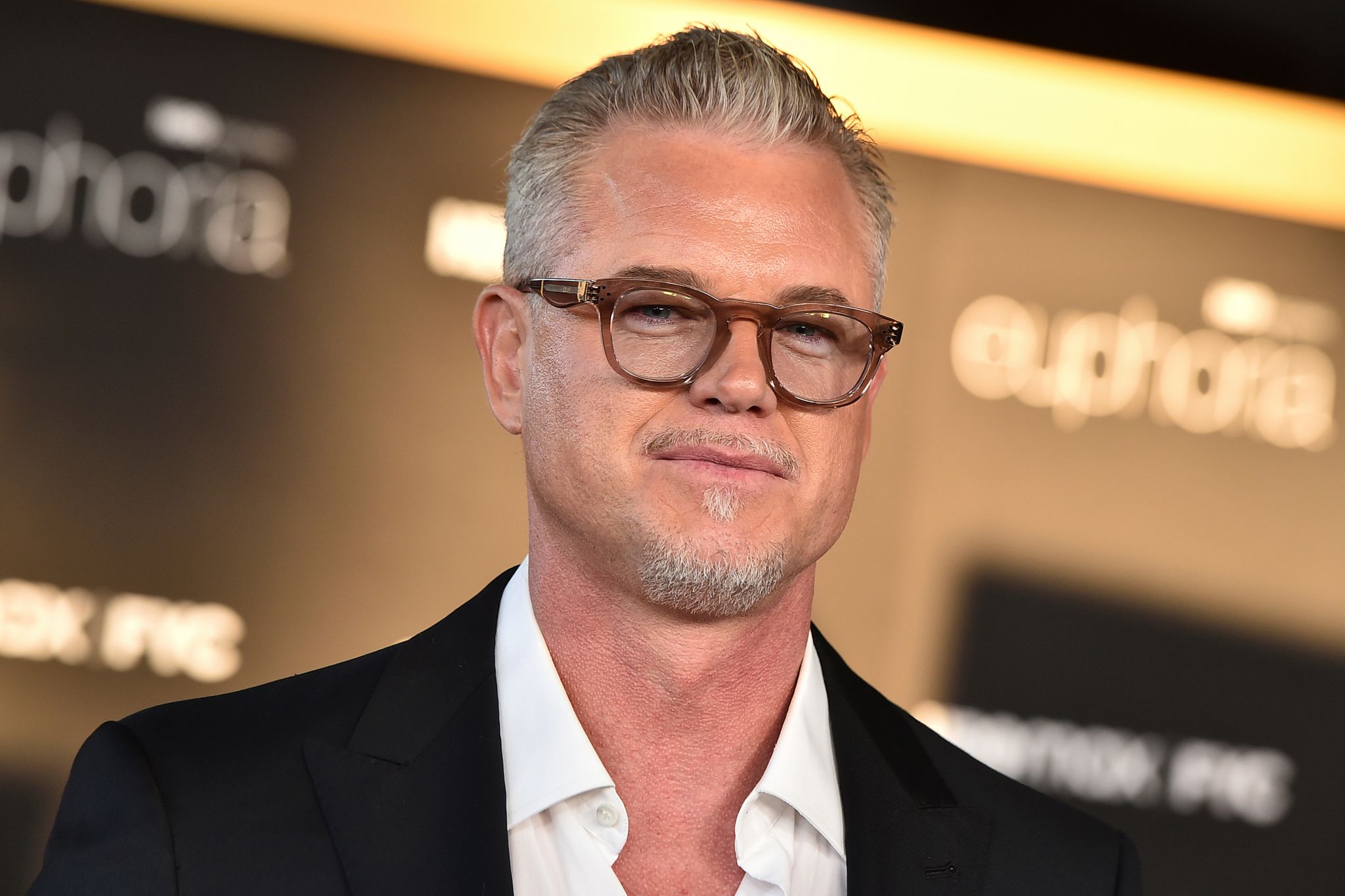
Why the Eric Dane GoFundMe Is Suddenly Under Review
According to reporting from the San Francisco Chronicle, GoFundMe confirmed it is reviewing the fundraiser launched for Eric Dane’s daughters and has placed the collected funds on hold while it investigates. That doesn’t automatically imply wrongdoing, but it does mean the campaign has hit one of the platform’s internal tripwires—anything from questions about organizer identity to concerns raised by donors or media coverage.
Dane, best known for Grey’s Anatomy and HBO’s Euphoria, has had his private life pulled into the spotlight before, but this moment is less about tabloid gossip and more about how digital empathy turns into dollars—and what happens when a platform has to pump the brakes.
The Rise of Celebrity-Linked GoFundMe Campaigns
Crowdfunding has been part of the entertainment ecosystem for over a decade—first as a way to fund indie films and albums, and later as an emergency safety net for health crises, housing insecurity, and legal battles. When celebrities are involved, the story often travels faster, but the reactions are more polarized.
Fans may feel an immediate urge to help, especially when children are involved, while critics question why families connected to Hollywood need public donations at all. The Eric Dane fundraiser lands right in the middle of that tension.

How GoFundMe’s Review and “Money on Hold” Process Works
GoFundMe doesn’t publicly detail every criterion it uses, but its general process is clear: if a campaign is flagged—by donors, by the media, or by internal systems—the company may pause withdrawals while it verifies key information. In the case of Eric Dane’s daughters, the funds are essentially in escrow while the review is underway.
- Confirming the identity of the organizer
- Verifying their relationship to the named beneficiaries
- Ensuring the stated purpose of the fundraiser is accurate
- Checking for possible impersonation or misrepresentation
“All donations are protected by the GoFundMe Giving Guarantee, and in cases where misuse is found, donors may be eligible for a refund.”
Putting money “on hold” is GoFundMe’s way of signaling to donors: we’re not accusing anyone of fraud, but we’re not letting this move forward unchecked. It’s an attempt to balance speed—which emotional crises usually demand—with the need for verification.

The Ethics of Celebrity Fundraisers: Compassion vs. Optics
Even before any investigation is resolved, campaigns like the one for Eric Dane’s daughters raise tricky ethical questions. On one hand, family members or friends may genuinely feel overwhelmed and reach for the most accessible tool. On the other, the public inevitably compares the perceived wealth of a Hollywood family with the very real struggles of everyday people on the same platform.
The entertainment industry has seen this before: actors, reality TV personalities, and musicians linked to GoFundMe drives that quickly become Rorschach tests for how we feel about fame and money. Supporters see humanity; critics see entitlement.
The current scrutiny doesn’t just land on the organizer; it also reflects back onto Dane himself, regardless of how directly involved he may be. In an era where every financial decision by a celebrity is part of their “brand,” even a third-party fundraiser can alter public perception.
What This Says About Trust in Crowdfunding Platforms
The Eric Dane situation underscores how fragile trust can be on platforms like GoFundMe. For donors, the promise is simple: your money will go where you intend it to go. For organizers, the promise is speed and reach. When a high-profile campaign gets paused, it highlights the tension between those two expectations.
- Visibility cuts both ways. Celebrity-adjacent campaigns draw faster donations but also faster scrutiny.
- Platform policies are now part of the story. How GoFundMe responds shapes not only this case, but public willingness to use the site in the future.
- “Giving fatigue” is real. Every controversial fundraiser risks making potential donors more cynical about the next appeal in their feed.

How to Evaluate High-Profile GoFundMe Campaigns
While GoFundMe runs its own checks, donors can—and arguably should—apply a few basic tests, whether the campaign is for a Hollywood family or a neighbor down the block.
- Check who’s organizing the campaign. Are they clearly identified, and do they explain their relationship to the beneficiaries?
- Look for specific details. Vague descriptions are not an automatic red flag, but concrete information builds trust.
- Search for corroboration. Reputable news coverage, social media posts from involved parties, or official statements can help validate a story.
- Start small if unsure. If you feel uneasy, consider a modest donation or wait until more information is available.
Crowdfunding works best when emotion and transparency move in tandem; when one outruns the other, platforms end up playing referee.

The Hollywood and Media Angle: Image Management in Real Time
For an actor like Eric Dane, whose recent visibility includes Netflix projects and his ongoing association with Euphoria, any story involving his family inevitably becomes part of his public narrative. Even if he didn’t create or actively promote the GoFundMe, coverage of the review will orbit around his name.
This is where entertainment culture, crisis PR, and tech policy intersect. Publicists may want to distance a client from a controversial campaign; platforms need to show they’re not asleep at the wheel; and audiences increasingly expect celebrities to address anything significant that happens under their name, even when it’s technically someone else’s initiative.
What Comes Next for the Eric Dane GoFundMe—and for Donors
As of now, the GoFundMe campaign for Eric Dane’s daughters remains under review, with funds held while the platform does its due diligence. The outcome—whether the money is ultimately released, refunded, or the campaign revised—will likely fuel more conversation about when celebrity-adjacent fundraisers feel appropriate, and when they feel like a bridge too far.
Beyond this specific case, the incident is a reminder that digital generosity exists inside real systems: verification checks, media narratives, and our own assumptions about who “deserves” help. Celebrities may amplify a story, but the rules of trust are the same for everyone.
For donors, the takeaway is less “don’t give” and more “give thoughtfully.” For platforms, the message is clear: transparency about reviews and safeguards isn’t just good policy—it’s now part of the entertainment news cycle.